Choose From These Twenty-Five Foods Across Your Days
The words eat daily can make a food list sound like an obligation to fit twenty-five ingredients into every day. That is not a sensible reading of this guide. These are twenty-five flexible choices you can rotate through ordinary meals, selected for familiarity and different culinary roles rather than ranked as proven disease-prevention tools. Phytonutrients are part of the chemistry of many plant foods, but there is no reason to turn that broad subject into an exhausting shopping checklist. Start with foods you like and can afford, consider your dietary needs, and use the list to add variety over time. You may choose fruit for breakfast, a pulse for lunch, and vegetables with dinner while other options wait for another day. The useful goal is an enjoyable pattern of plant foods within complete meals, not compulsory consumption of every entry.
A: No. They are flexible choices to rotate through daily meals over time.
A: No. The numbers identify entries rather than assign a clinical ranking.
A: No. Choose workable options and rotate as preference and availability allow.
A: Follow your dietary guidance and use an appropriate alternative instead of completing the list.
A: They have different portions and compositions; do not treat them as interchangeable solely because both are plant foods.
A: They can perform a useful aromatic role within an actual recipe.
A: No. Assess the full label and finished bowl.
A: No. Whole fruit and an alcoholic product are separate choices with different implications.
A: No. The list offers options rather than compulsory ingredients.
A: Begin with a manageable number tied to meals you already plan, then expand if useful.
How to Read This List Without Turning It Into a Ranking
The numbers identify the twenty-five options; they do not assign an overall health score. Food chemistry varies by variety, preparation, and the constituent being measured. A realistic portion also matters more than an impressive amount per hundred grams for an ingredient usually eaten sparingly. Use the entries as menu suggestions rather than evidence that one food is better than every food below it.
Each option belongs within the larger diet. A vegetable side does not supply all the needs of dinner, and a small seed topping is not equivalent to a grain or pulse serving. Account for allergies, medical dietary restrictions, and individual tolerance. If a food is unsuitable, choose another workable option instead of treating the number as a target you must complete.
Before making a shopping list, mark the entries already present in your usual meals. You may recognize several familiar foods without needing a new purchase. Then choose one option that solves a specific problem, such as a vegetable you can prepare quickly or a pulse suited to a packed lunch. This process gives the collection a practical purpose and avoids spending money simply to make the list look complete. Revisit your selections when the season or schedule changes rather than assuming one fixed rotation should last forever. The food you actually eat in a balanced menu is more relevant than the number of entries you can say you bought.
Five Vegetables With Different Roles at Dinner
1. Broccoli
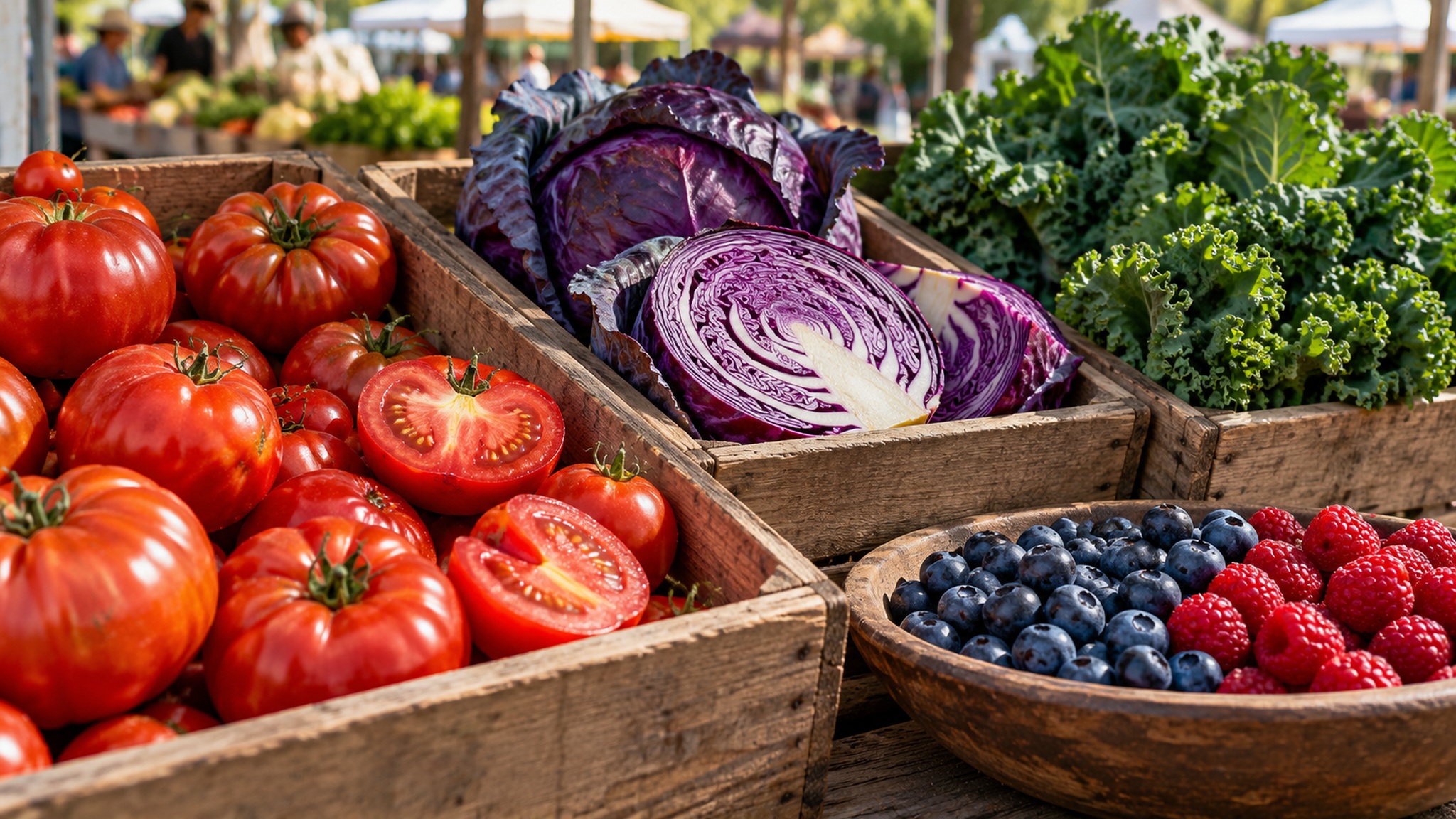
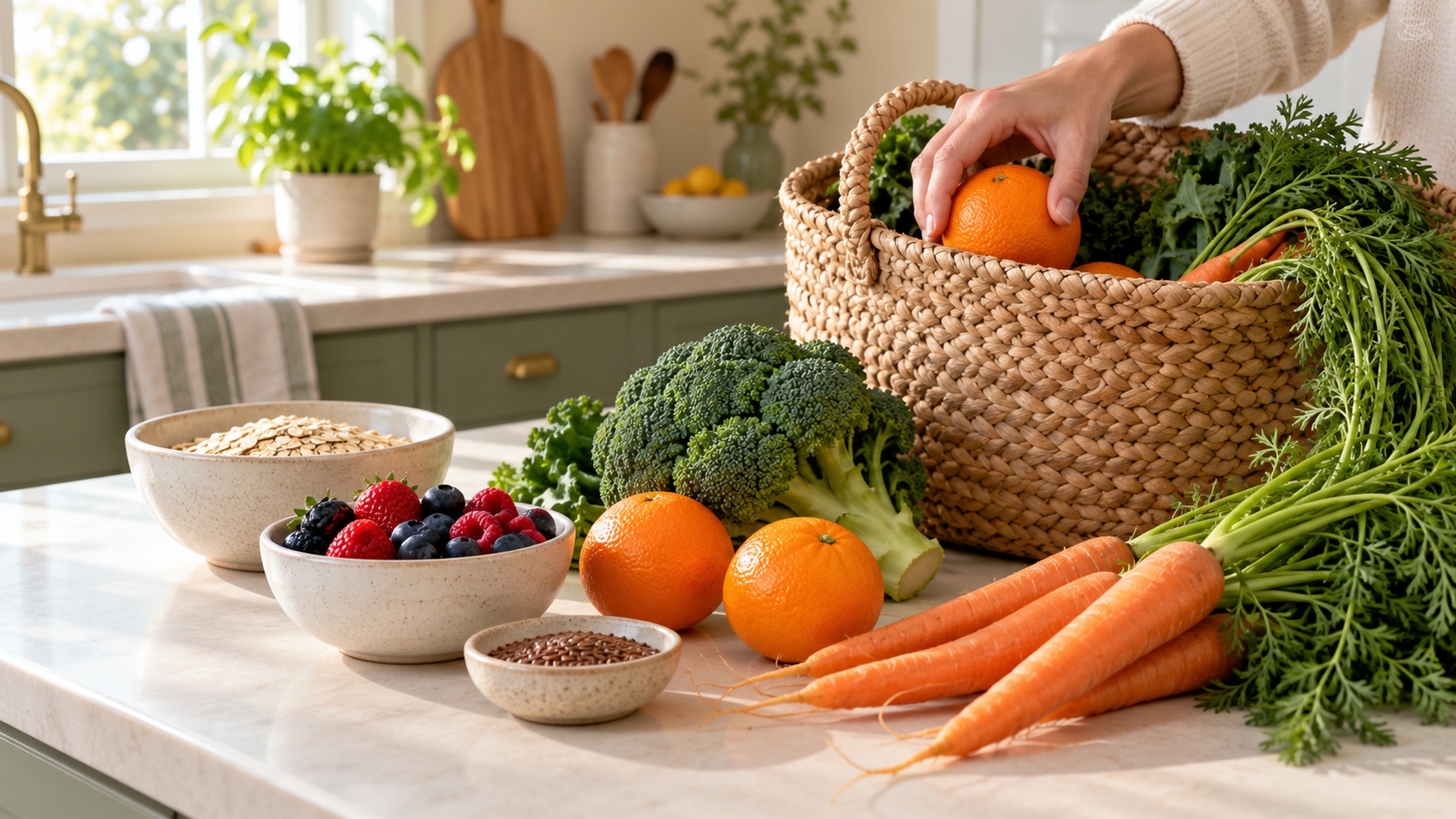
Broccoli can serve as a familiar cruciferous side or enter a mixed dish. Choose a preparation that gives the texture you enjoy, with appropriate food handling. Its plant-compound story is interesting, but the meal still needs the other components that make it satisfying and nutritionally complete.
2. Red Cabbage
Red cabbage offers a distinctive color and crisp texture for selected salads and cooked dishes. Slice only what the current recipe needs and plan another use for the remainder. It can add variety without requiring a special juice, extract, or elaborate preparation.
3. Carrots
Carrots can move between a raw preparation, a cooked side, and a soup. They are a familiar example when learning about beta-carotene, although that association does not describe all their nutrition. Their flexibility makes them a useful choice for cooks who need one purchase to support several meals.
4. Tomatoes
Tomatoes can contribute freshness to lunch or form the base of a cooked sauce. Select the form that fits the dish and assess added ingredients in prepared products. A tomato-containing sauce has the composition of its full recipe rather than simply the reputation of lycopene.
5. Kale
Kale provides another leafy vegetable option for cooks who enjoy its texture and flavor. A suitable cooked preparation may work better than forcing a large raw salad into your routine. Use it alongside other foods, and let preference guide whether it becomes an occasional choice or a regular ingredient.
Four More Vegetables to Change the Texture
6. Spinach
Spinach can fit a cooked meal, soup, or other familiar preparation. Fresh and frozen forms solve different kitchen problems, so consider how soon you will use the purchase. Its role should follow the dish rather than an assumption that a large bunch must be consumed immediately.
7. Cauliflower
Cauliflower belongs to the cruciferous family despite its pale appearance. It can provide a different bite from broccoli and suit selected roasting or simmering preparations. Choosing it demonstrates why visual color alone cannot determine whether a plant food deserves attention.
8. Onions
Onions frequently enter meals as an aromatic base rather than a stand-alone side. That ordinary use gives them a practical place in the selection. Cook or prepare them according to the recipe and your tolerance, without making their presence an automatic claim about the entire dish.
9. Winter Squash
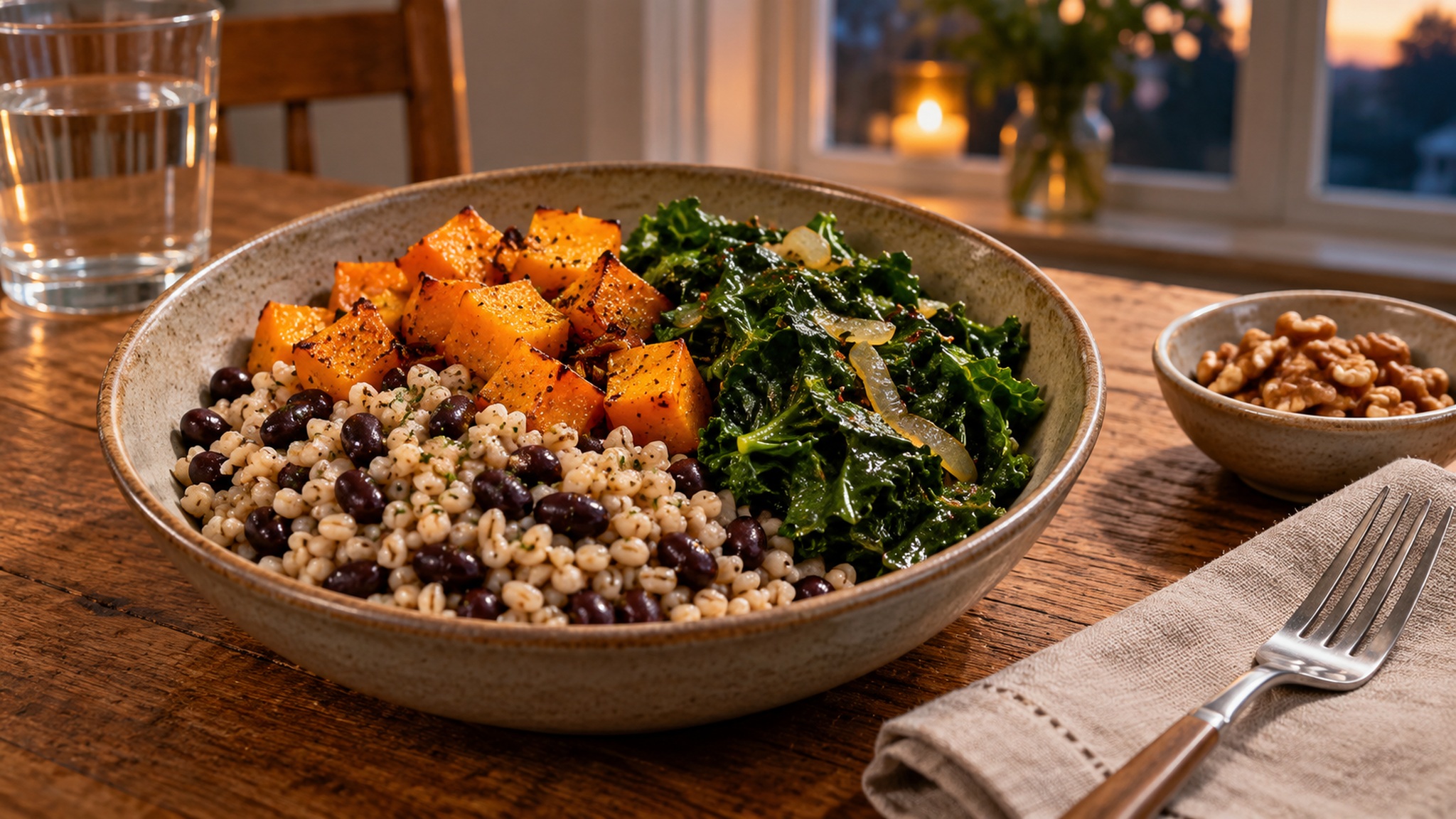
Winter squash can add a substantial texture to a meal with grains, pulses, or another protein source. Whole and conveniently prepared forms may suit different schedules. Consider the work required and plan the quantity around real meals instead of purchasing it solely for an attractive seasonal display.
Three Fruits That Fit Everyday Eating Occasions
10. Blueberries
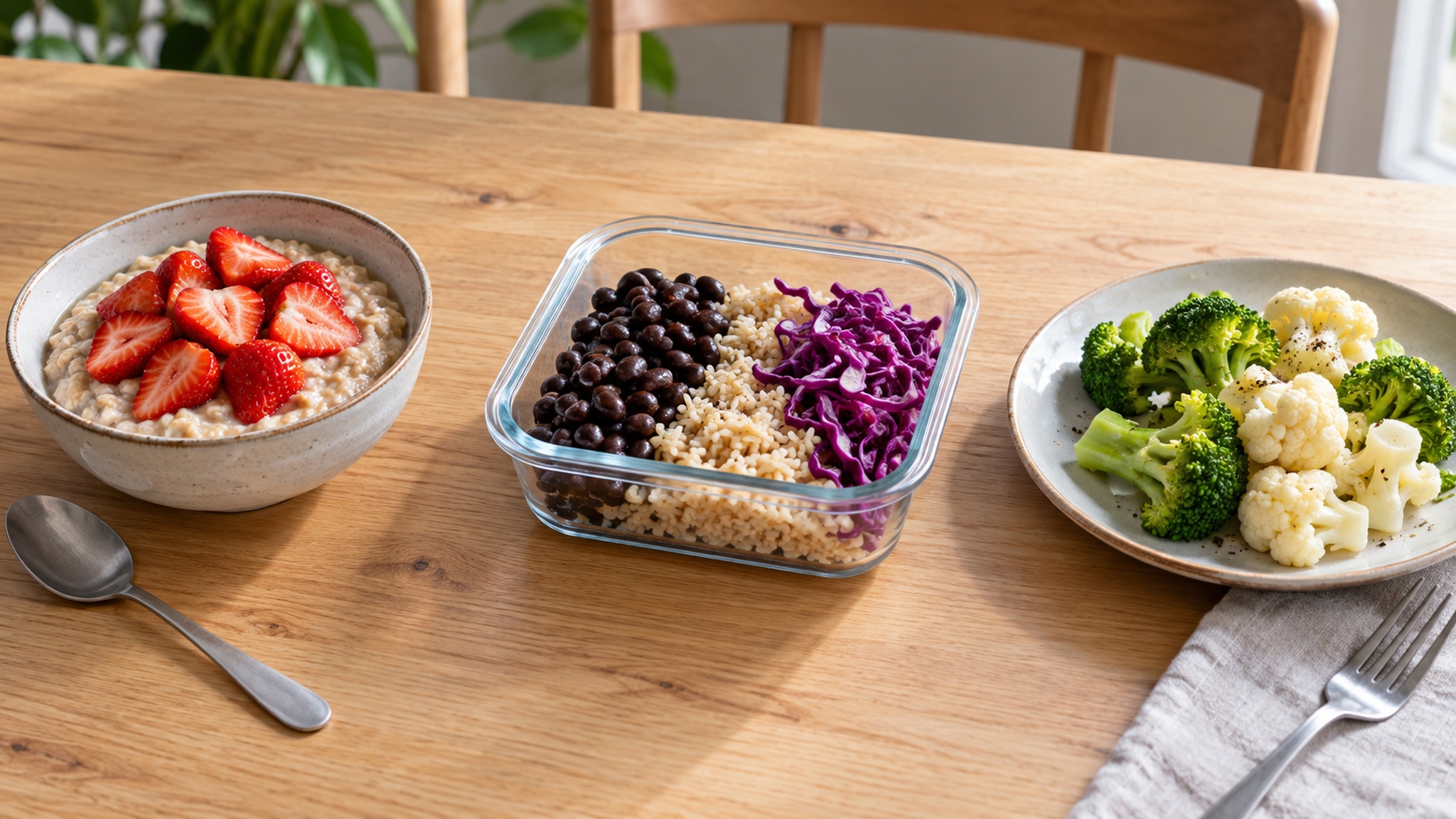
Blueberries can accompany oats, yogurt, or another breakfast you already enjoy. A plain frozen format may be useful when fresh berries are costly or difficult to finish. They are one fruit option within a varied pattern, not a requirement to buy a particular berry every week.
11. Oranges
Oranges offer a familiar citrus choice with a clear destination as a snack or meal component. Eating occasions and convenience can guide the purchase. An orange-flavored drink is a separate product whose full composition needs attention rather than being treated as interchangeable with the fruit.
12. Apples
Apples can travel with a packed lunch or be prepared in a suitable dish. Choose a variety you enjoy instead of seeking one supposed chemical champion. Plan a realistic quantity for the lunches or other occasions where you expect to use it. A consistent familiar choice can coexist with occasional seasonal variety without becoming a rigid requirement. Their practical advantage may simply be that you reliably eat them, which is more useful than leaving a fashionable fruit untouched.
Four Additional Fruit Options for Rotation
13. Strawberries
Strawberries can refresh a familiar breakfast or fit another eating occasion. Buy a quantity you can use, or consider an appropriate frozen product when timing is uncertain. Their addition should make the meal enjoyable without needing a promise of a specific medical benefit.
14. Raspberries
Raspberries offer another texture and flavor within the berry choices. They do not have to appear alongside every other berry listed here. Select them when price, availability, and preference fit, and assess the other ingredients in any prepared raspberry product.
15. Grapes
Grapes can provide a convenient fruit portion within your usual meals or snacks. Their plant chemistry does not supply a reason to seek wine or another alcohol product as a substitute. Treat the whole fruit as the food choice under discussion and follow appropriate preparation practices.
16. Plums
Plums can introduce a seasonal change when they are available and appealing. The list does not require a year-round specialty purchase. Rotating an ordinary seasonal fruit is a reasonable way to keep food choices interesting while respecting your budget and local supply.
Five Pulses and Grains That Supply Meal Substance
17. Black Beans
Black beans can anchor a lunch bowl, soup, or other pulse-centered dish. Pick a convenient or dried form according to your preparation plans. Their value includes the familiar nutritional features of pulses, so do not reduce the food to one plant-compound name.
18. Chickpeas
Chickpeas can move between salads, cooked meals, and a prepared spread. The spread’s other ingredients and serving size remain relevant when comparing products. Use the form that helps you assemble a satisfying meal rather than assuming every chickpea preparation has an identical composition.
19. Lentils
Lentils suit many soups and pot meals, with varieties that behave differently during cooking. Follow appropriate preparation directions and choose the texture the dish needs. A reliable recipe can make them part of an ordinary week without requiring a separate supplement-oriented explanation.
20. Oats
Oats provide a familiar grain base that can work with fruit and other appropriate additions. Compare plain and flavored products according to their complete labels. The final bowl depends on all its ingredients, so a whole-grain base does not make every sweetened preparation equivalent.
21. Barley
Barley can offer a different grain texture in soups or suitable cooked meals. Allow for its preparation time and check whether it suits your dietary restrictions. Its appearance on the list is an option for variety, not a requirement that overrides medical guidance or tolerance.
Four Nuts and Seeds for Smaller Additions
22. Walnuts
Walnuts can bring crunch to a meal when tree nuts are suitable for you. A topping-sized portion performs a different job from the food beneath it. Include their energy and other components in the whole-meal assessment instead of treating plant chemistry as the only feature.
23. Almonds
Almonds offer another nut option with a distinct texture and culinary use. Choose a portion and preparation that fit the meal and your needs. They are unnecessary when allergies or other restrictions make them unsuitable, and the rest of the list offers many different food categories.
24. Ground Flaxseed
Ground flaxseed can enter an appropriate breakfast or other recipe when its taste and texture fit. The Linus Pauling Institute’s lignan overview identifies flaxseed as a rich source and discusses milling. That detail does not establish a universal daily dose or make it mandatory.
25. Sesame Seeds
Sesame seeds can contribute flavor and texture to selected dishes or dressings. Consider allergy needs and the full composition of products made with them. A sesame ingredient belongs within the actual recipe, whose other foods and eaten portion help determine its nutritional meaning.
Turn Twenty-Five Possibilities Into a Simple Rotation
Choose a few entries that already suit your habits and give each a clear eating occasion. Breakfast might use oats and one fruit, lunch might include beans and vegetables, and dinner might feature another vegetable with a suitable grain and protein source. These are flexible examples rather than a complete individualized menu. Rotate later when another food becomes convenient or appealing.
Keep the selection flexible when ingredients are unavailable. A recipe may accept another familiar vegetable or a different suitable fruit, with adjustments for texture and flavor. An option from this list should not become an obstacle to preparing dinner when the shop does not stock it. Use substitutions that respect dietary needs and the dish’s preparation, then consider what variety the rest of the week already supplies. This also makes the plan less vulnerable to changing prices. A list of foods is most useful when it broadens choices, and its value declines when every missing entry creates a reason to abandon the meal.
The strongest daily habit is using a varied selection of appropriate plant foods over time, not checking off twenty-five names before bed. Keep benefit claims proportionate to the evidence and make room for complete nutrition, enjoyment, and cost. A shorter useful shopping list can serve you better than a longer one built around obligation. Let this collection broaden possibilities rather than create another food rule to obey.