

Hormone balance is the quiet conductor behind how your body feels, functions, and thrives every day. From energy levels and mood to metabolism, sleep, and appetite, hormones influence nearly every system—often without us realizing it. When they’re in harmony, the body feels steady and resilient. When they drift out of balance, even small shifts can ripple into fatigue, brain fog, stubborn weight changes, or unpredictable cravings. This Hormone Balance hub on Nutrition Streets explores how food, lifestyle, and daily habits interact with your body’s intricate chemical messengers. Here, you’ll find articles that break down complex hormone science into practical, approachable insights—no medical jargon required. Discover how nutrition supports key hormones, why blood sugar stability matters, and how stress, sleep, and movement all play a role in long-term balance. Whether you’re looking to feel more energized, support healthy aging, or simply understand what your body is trying to tell you, this collection is designed to empower you with clarity and confidence. Hormone balance isn’t about perfection—it’s about learning how to support your body’s natural rhythm and letting nutrition work with you, not against you.
A: Protein + fiber-rich carbs + colorful veg + healthy fat (and enough total calories).
A: Not necessarily—many people do best with quality carbs paired with protein and fat.
A: No, but if you’re shaky, cranky, or crashing, a protein-forward morning meal can help.
A: Balanced meals, steady hydration, adequate sleep, and planned snacks (protein + fiber).
A: Often not—food first. If symptoms persist, consider labs and clinician guidance.
A: A common starting point is ~20–35g per meal, adjusted to body size and activity.
A: Try coffee after food, keep it moderate, and watch sleep quality and jitters.
A: Eat enough during the day, include carbs at dinner, and avoid heavy late-night sugar/alcohol.
A: Add fiber (beans/veg/berries) and take a 10-minute walk after one meal daily.
A: If cycles change suddenly, symptoms are severe, or you suspect thyroid/PCOS—talk with a clinician.
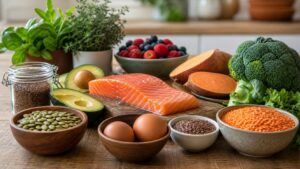
Best Foods for Hormone Balance Naturally
A realistic guide to hormone-supportive foods, including protein, healthy fats, fiber, minerals, and meal timing.
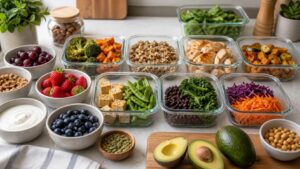
Hormone Balance Diet: Complete Beginner’s Guide
A beginner-friendly hormone balance diet guide focused on complete meals, blood sugar, thyroid nutrients, and sustainable routines.

Signs Your Hormones Are Out of Balance
A grounded guide to possible hormone imbalance signs, food patterns that may worsen symptoms, and when to seek medical support.
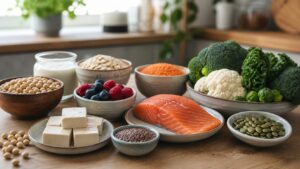
Hormone-Balancing Foods Backed by Science
An evidence-aware guide to hormone-supportive foods, from soy and legumes to fish, oats, berries, cruciferous vegetables, and seeds.