

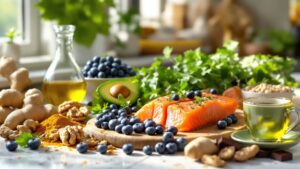
10 Powerful Anti-Inflammatory Foods You Should Eat Every Day
Inflammation affects everything from energy levels to long-term health. Discover ten powerful foods packed with antioxidants, healthy fats, and nutrients that naturally calm inflammation. From vibrant berries and leafy greens to omega-3 rich fish and healing spices, these everyday ingredients can help support your immune system, protect your body, and boost overall wellness.

The Ultimate Anti-Inflammatory Diet Guide for Beginners
Inflammation quietly affects nearly every system in the body, but the right foods can help restore balance. This beginner-friendly guide explores the anti-inflammatory diet, revealing how everyday ingredients—from colorful produce to healthy fats—can support immune health, boost energy, and protect long-term wellness.
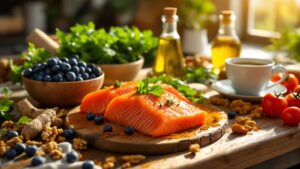
Anti-Inflammatory Foods That Actually Work (Doctor-Approved List)
Chronic inflammation is linked to many modern health issues, but the right foods can help calm the body naturally. Discover doctor-approved anti-inflammatory foods that truly work—from omega-3 rich fish to antioxidant-packed berries—and learn how simple dietary choices can support long-term health, boost energy, and strengthen your body’s natural defenses.