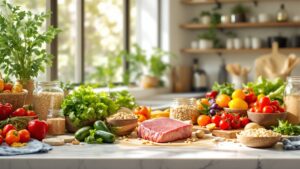
Whole Foods Living is your gateway to eating with intention, clarity, and confidence—one real ingredient at a time. This space on Nutrition Streets is dedicated to the power of foods as they come from nature: vibrant produce, hearty grains, nourishing legumes, quality proteins, and natural fats that fuel both body and mind. Here, food isn’t about restriction or trends—it’s about connection, balance, and long-term vitality. Across our Whole Foods Living articles, you’ll explore how simple, minimally processed foods can support energy, digestion, immunity, and overall well-being. From understanding ingredient labels and seasonal eating to building satisfying meals and smarter grocery habits, this category breaks down healthy living into practical, approachable steps. You’ll discover how whole foods fit into real life—busy schedules, family meals, cultural traditions, and personal preferences included.Whether you’re just beginning your whole foods journey or looking to deepen your nutrition knowledge, this collection is designed to inspire mindful choices without pressure or perfection. Think of Whole Foods Living as your roadmap to eating better, feeling stronger, and creating a lifestyle rooted in nourishment that lasts.
A: Mostly minimally processed foods—plants, quality proteins, whole grains, healthy fats—with flexible treats.
A: No—buy what fits your budget. Wash produce well and prioritize organic for items you eat often if you want.
A: Pick one upgrade: add a veggie to lunch, swap one refined grain, or cook one simple meal weekly.
A: Not inherently—focus on fiber-rich carbs (oats, beans, fruit, whole grains) and reasonable portions.
A: Greek yogurt + berries + nuts, eggs + sautéed greens, or overnight oats with chia.
A: Pair fruit with protein/fat, reduce sweet drinks first, and keep dessert portions small but intentional.
A: Use frozen veg, add greens to soups/pasta, and keep a pre-cut option ready for snacking.
A: Salt lightly, use acid (lemon/vinegar), add herbs, and don’t skip a little fat for flavor.
A: No—but prepping 1–2 staples (grain + protein + chopped veg) makes weeknights much easier.
A: Combine two groups: produce + protein (apple + nuts, carrots + hummus, yogurt + fruit).

The Complete Guide to Whole Foods Eating for Beginners
Ready to transform your health naturally? This complete beginner’s guide to whole foods eating shows you how to shop smarter, cook confidently, and build balanced meals that fuel lasting energy. Discover simple strategies to ditch processed foods, embrace real ingredients, and create a sustainable lifestyle that supports vibrant health—starting today.
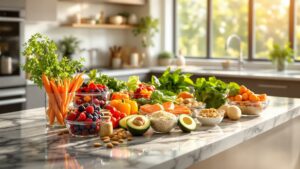
30-Day Whole Foods Meal Plan for Weight Loss
Ready to reset your nutrition and see real results? This 30-day whole foods meal plan for weight loss helps you burn fat, boost energy, and build sustainable habits with balanced, satisfying meals. Discover how simple, real ingredients can transform your body and your mindset—one nourishing day at a time.
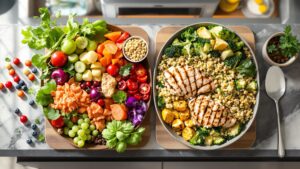
Clean Eating vs. Whole Foods: What’s the Difference?
Clean eating and whole foods are often used interchangeably—but they’re not the same. Discover the real differences, surprising similarities, and which approach truly supports long-term health. This guide breaks it all down in a clear, practical way so you can build a balanced, sustainable nutrition plan with confidence.
