

Inflammation is your body’s natural defense system—but when it stays switched on too long, it can quietly impact energy, mood, digestion, joint comfort, and long-term wellness. Inflammation Reduction on Nutrition Streets is your guide to calming the fire from the inside out through smart, science-backed food choices and everyday nutrition strategies. This collection explores how what you eat can either fuel chronic inflammation or help restore balance. From anti-inflammatory superfoods and gut-supporting nutrients to meal patterns that promote cellular repair, these articles break down complex health science into practical, approachable guidance. You’ll discover how antioxidants, healthy fats, herbs, spices, and mindful eating habits work together to support your body’s natural healing processes. Whether you’re managing stress, supporting joint health, improving metabolic function, or simply aiming to feel clearer and more energized, this section connects nutrition with whole-body resilience. Inflammation Reduction isn’t about restriction—it’s about nourishment, balance, and smarter choices that support long-term vitality. Explore the articles ahead and learn how everyday foods can become powerful allies in creating a calmer, healthier internal environment.
A: Swap sugary drinks for water/tea and add one extra serving of veggies daily.
A: No—choose high-fiber carbs (oats, beans, quinoa) and pair them with protein/fat.
A: Not necessarily—some people are sensitive; otherwise, quality and overall pattern matter most.
A: Olive oil, nuts, seeds, avocado, and omega-3-rich fish; limit trans fats and heavily fried foods.
A: Many people aim for fatty fish a couple times per week; choose what fits your needs and preferences.
A: Often no—start with food first; discuss supplements (like vitamin D or omega-3) with a pro if needed.
A: Fermented food (yogurt/kefir) + prebiotic fiber (oats/beans/onions) + colorful produce.
A: For many, yes—especially without lots of sugar/cream; sensitivity varies person to person.
A: Most people tolerate them well; if you suspect a trigger, test with a structured elimination and reintroduction.
A: Use “add, don’t just subtract”: add berries, beans, olive oil, and herbs—then reduce ultra-processed foods gradually.
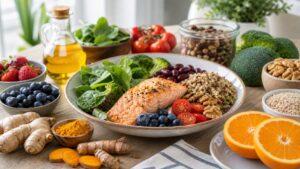
Best Anti-Inflammatory Foods Backed by Science
A science-backed guide to anti-inflammatory foods, including vegetables, berries, beans, whole grains, fish, olive oil, nuts, herbs, and spices.
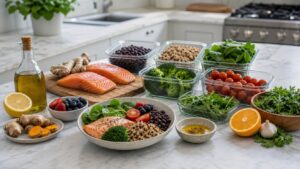
Anti-Inflammatory Diet: Complete Beginner’s Guide
A beginner guide to an anti-inflammatory diet with foods to add, foods to limit, meal ideas, and realistic first steps.
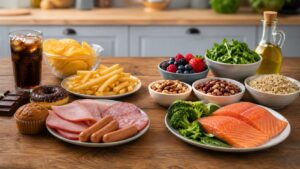
Foods That Cause Inflammation and What to Eat Instead
Learn which food patterns can promote inflammation and what to eat instead, with practical swaps and balanced meal examples.
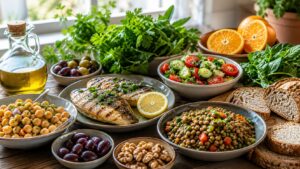
Mediterranean Diet for Reducing Inflammation
A guide to using Mediterranean-style eating to reduce inflammatory burden with fish, legumes, produce, olive oil, nuts, and whole grains.