

Sports & Athletic Nutrition is where performance meets purpose—and every meal becomes part of your training plan. Whether you’re pushing for a personal best, building lean strength, training for endurance, or simply staying active, what you fuel your body with matters just as much as how you move it. This section of Nutrition Streets explores the science, strategy, and real-world habits behind eating for performance at every level. Here you’ll find articles that break down pre-workout fueling, post-training recovery, hydration strategies, muscle-supporting nutrients, and smart supplementation—without hype or confusion. We dive into how timing, balance, and food quality influence energy, focus, strength, and recovery, helping you train harder while supporting long-term health. From team sports and endurance athletics to gym training and active lifestyles, our content is designed to meet you where you are. Sports & Athletic Nutrition isn’t about extreme diets or quick fixes—it’s about building a sustainable fueling approach that supports your goals, respects your body, and keeps you performing strong day after day. Step into this street to power smarter, recover faster, and fuel with confidence.
A: A carb-forward snack 30–90 minutes prior (toast + fruit, yogurt + granola). Keep fat/fiber lower if intensity is high.
A: Carbs + protein (rice + chicken, pasta + tuna, smoothie with yogurt + fruit + oats).
A: Mostly for longer/hot/hard sessions. Water is fine for many workouts; add electrolytes if you’re a heavy sweater.
A: It varies by goal and training load—aim for consistent servings across meals and adjust with performance and recovery.
A: Not usually. Food-first works best; a few basics (like creatine or vitamin D) can help some people depending on needs.
A: Often a mix of fatigue, hydration, and electrolytes. Practice fueling/hydration in training and consider sodium on heavy sweat days.
A: Not automatically—carbs support training quality. Smarter is timing carbs around sessions and keeping overall intake aligned to goals.
A: Go small and simple: banana, toast, or a few sips of a carb drink—then eat a bigger meal after.
A: Reduce fiber/fat before training, test different carb sources, and “train your gut” gradually.
A: Build a reliable baseline: regular meals, protein at most meals, carbs around training, and hydration daily.

Best Sports Nutrition Supplements for Performance
A practical guide to evidence-informed sports supplements, including creatine, caffeine, protein, carbs, electrolytes, and safety checks.

Sports Nutrition for Beginners: The Complete Guide
A beginner sports nutrition guide covering fuel, protein, hydration, pre-workout meals, recovery, and practical meal timing.

What to Eat Before a Workout for Maximum Energy
Learn what to eat before workouts for energy, including timing, carbs, protein, hydration, and digestion-friendly examples.
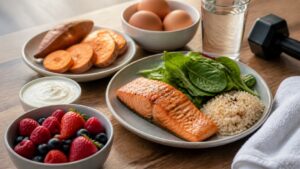
What to Eat After a Workout for Faster Recovery
A practical post-workout nutrition guide with protein, carbs, hydration, electrolytes, meal examples, and recovery timing.