

Welcome to Brain Health Foods, where nutrition meets mental clarity and every bite supports the way you think, focus, and feel. This collection explores the powerful connection between what’s on your plate and how your brain performs—today and for the long run. From memory-boosting berries and omega-3 rich seafood to leafy greens, whole grains, and antioxidant-packed treats, these articles break down the science behind foods that fuel concentration, sharpen recall, and support emotional balance. Whether you’re looking to improve daily focus, protect cognitive health as you age, or simply eat smarter for overall wellness, Brain Health Foods brings together evidence-based insights and practical guidance. You’ll discover how key nutrients influence brain chemistry, which foods help reduce inflammation and oxidative stress, and how simple dietary choices can support learning, creativity, and resilience. Clear, approachable, and grounded in nutrition science, this space is designed to help you build meals that nourish both body and mind. Think of it as your guide to eating with intention—so your brain can perform at its best, one delicious decision at a time.
A: Add one omega-3 source (fatty fish, chia/flax, walnuts) and one extra serving of colorful produce daily.
A: Not inherently—choose whole grains and pair with protein/fat for steadier energy.
A: Moderate caffeine can help alertness; too much can worsen anxiety/sleep—timing matters.
A: Patterns matter: fish, berries, greens, olive oil, nuts, and legumes show up repeatedly in brain-friendly diets.
A: Usually no—food provides bundles of nutrients; supplements are “gap fillers” if needed.
A: Use canned fish, frozen berries/veg, oats, beans, and olive oil—high value per serving.
A: Try chia/flax, walnuts, and consider algae-based omega-3 if your clinician says it fits.
A: Big spikes and crashes can feel foggy—balance sweets with meals and fiber/protein.
A: Huge—food supports the system, but sleep is when memory and recovery really lock in.
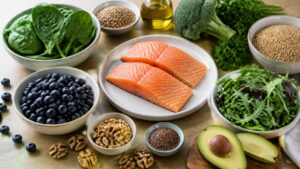
Best Foods for Brain Health Backed by Science
A practical guide to brain-supportive foods, from leafy greens and berries to fish, beans, nuts, whole grains, and olive oil.

Top Brain Foods That Improve Memory and Focus
Learn which everyday foods can support memory, attention, and steadier mental energy without relying on hype.
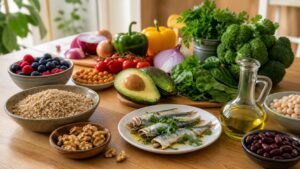
Brain Health Diet: What to Eat for a Sharper Mind
A practical brain health diet guide built around repeatable meals, steady energy, and nutrient-rich foods.
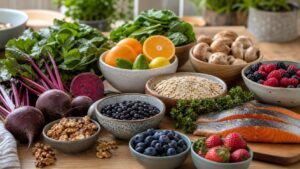
Foods That Naturally Boost Brain Function
A grounded look at foods that support brain function through energy, blood flow, nutrients, and meal timing.