

Heart Health Nutrition is where smart eating meets a stronger, more resilient heart. This Nutrition Streets sub-category is dedicated to foods, habits, and science-backed strategies that support cardiovascular wellness at every stage of life. From everyday grocery choices to powerful nutrients that help manage cholesterol, blood pressure, and inflammation, these articles break down heart-healthy eating in a way that’s practical, approachable, and inspiring. Here, you’ll explore how colorful produce, healthy fats, lean proteins, and whole grains work together to fuel circulation and protect your heart over time. We dive into the role of antioxidants, fiber, and omega-3s, while also unpacking common myths around salt, fats, and sugar. Whether you’re cooking for prevention, managing an existing condition, or simply aiming to feel more energized day to day, this collection connects nutrition knowledge with real-world application. Heart Health Nutrition isn’t about restriction—it’s about empowerment. These articles are designed to help you build flavorful meals, smarter routines, and lasting confidence in your food choices, all while supporting the most vital muscle in your body.
A: Add one extra serving of vegetables or beans daily and replace butter with olive oil when you can.
A: For many people, eggs can fit—focus on overall pattern, and discuss limits if you have high LDL or specific guidance.
A: Use citrus, vinegar, herbs, garlic, and toasted spices; choose low-sodium pantry staples.
A: Cut back on trans fats and reduce saturated fats; favor unsaturated fats from plants and fish.
A: Sometimes—keep portions modest, choose lean cuts, and balance with more plant proteins.
A: Usually food-first is best; supplements depend on needs—ask a clinician if you’re unsure.
A: Try oats with berries and chia, or whole-grain toast with avocado and a side of fruit.
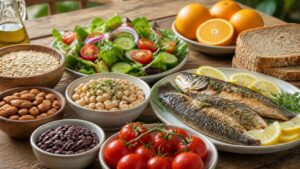
Best Heart Health Diet Foods Backed by Science
A clear guide to heart-health diet foods that support cholesterol, blood pressure, blood sugar, and long-term cardiovascular wellness.
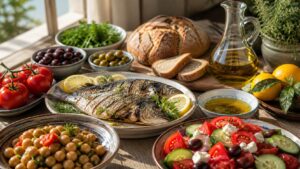
Mediterranean Diet for Heart Health: Complete Guide
A practical Mediterranean diet guide for heart health, with foods, meals, limits, and realistic ways to begin.
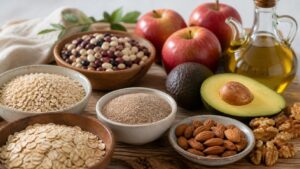
Foods That Naturally Lower Cholesterol
A food-first guide to cholesterol-lowering staples such as oats, beans, barley, nuts, soy foods, fruit, and olive oil.
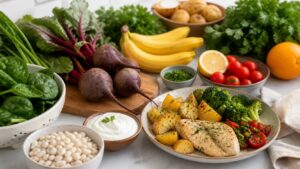
How to Reduce Blood Pressure Through Nutrition
A practical nutrition guide for lowering blood pressure through DASH-style foods, sodium awareness, potassium-rich meals, and better routines.