

Longevity Nutrition explores how everyday food choices can shape not just how long we live, but how well we live along the way. This section of Nutrition Streets dives into the science, traditions, and modern strategies behind eating for lasting vitality, sharper minds, and resilient bodies. From antioxidant-rich plants and healthy fats to protein balance, gut health, and metabolic flexibility, longevity nutrition looks beyond trends and focuses on patterns that support lifelong wellness. Here, food is more than fuel—it’s information for your cells. Research on Blue Zones, inflammation, cellular repair, and nutrient timing all come together to show how smart nutrition choices may help slow biological aging and support energy, strength, and mental clarity over time. Whether you’re curious about fasting approaches, micronutrients linked to healthy aging, or cultural diets associated with long lifespans, this category connects evidence-based insights with practical guidance. Longevity Nutrition is designed for curious eaters, wellness explorers, and anyone interested in building habits that support health across decades. Consider this your starting street for discovering how nutrition can work with your body—today, tomorrow, and far into the future.
A: Eat mostly whole, minimally processed foods—especially plants—most of the time.
A: For most healthy people, higher protein is safe; kidney disease is a different situation—ask a clinician.
A: Food first. Supplements can help when there’s a proven gap (like vitamin D or B12 for some people).
A: Quality matters—whole grains, beans, and fruit are very different from sugary drinks and refined snacks.
A: A Mediterranean-style approach: plants, olive oil, fish, nuts, legumes, and fewer ultra-processed foods.
A: Prioritize omega-3s, colorful plants, adequate protein, and steady blood sugar.
A: Start with soups, sauces, roasted options, and blended add-ins—then expand gradually.
A: Not required. Consistency, calorie quality, and strength-supporting protein matter more for many people.
A: Keep a “default” grocery list and repeat 5–10 meals you truly like.
A: Hit protein at meals and include fiber-rich plants at least twice a day.
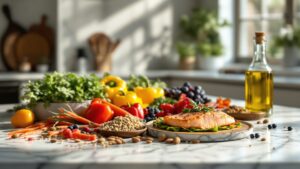
The Best Longevity Diet: What to Eat to Live Longer
What if the secret to a longer, healthier life was already on your plate? Discover the powerful foods, habits, and science behind the longevity diet—and how simple daily choices can boost energy, protect your body, and help you thrive for decades to come.
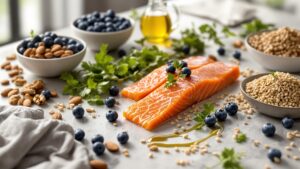
Top 20 Longevity Foods Backed by Science
What if your next meal could add years to your life—and life to your years? Discover 20 powerful, science-backed foods that fuel longevity, sharpen your mind, support your heart, and protect your body from the inside out, turning every delicious bite into a step toward a healthier, more vibrant future.