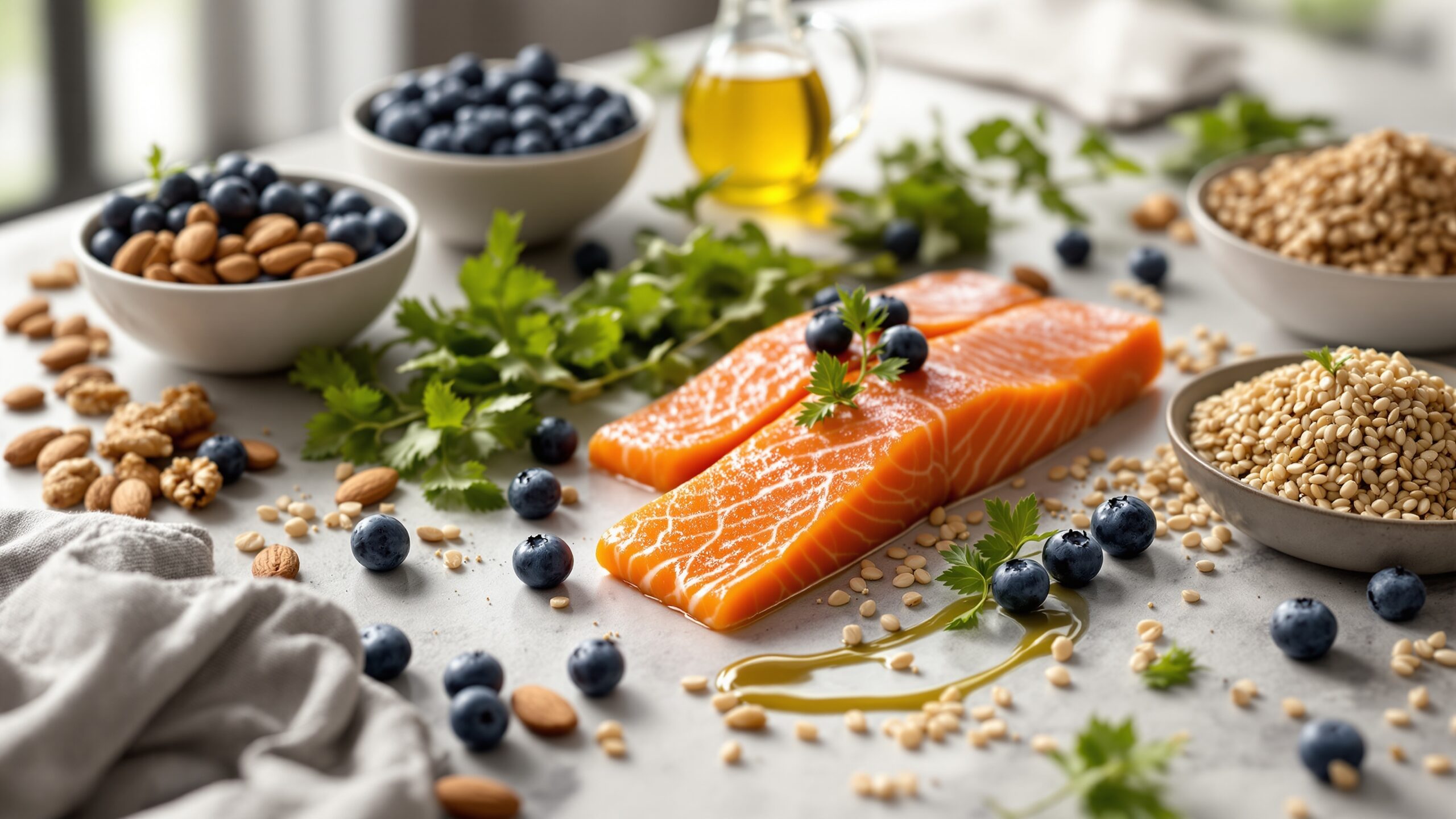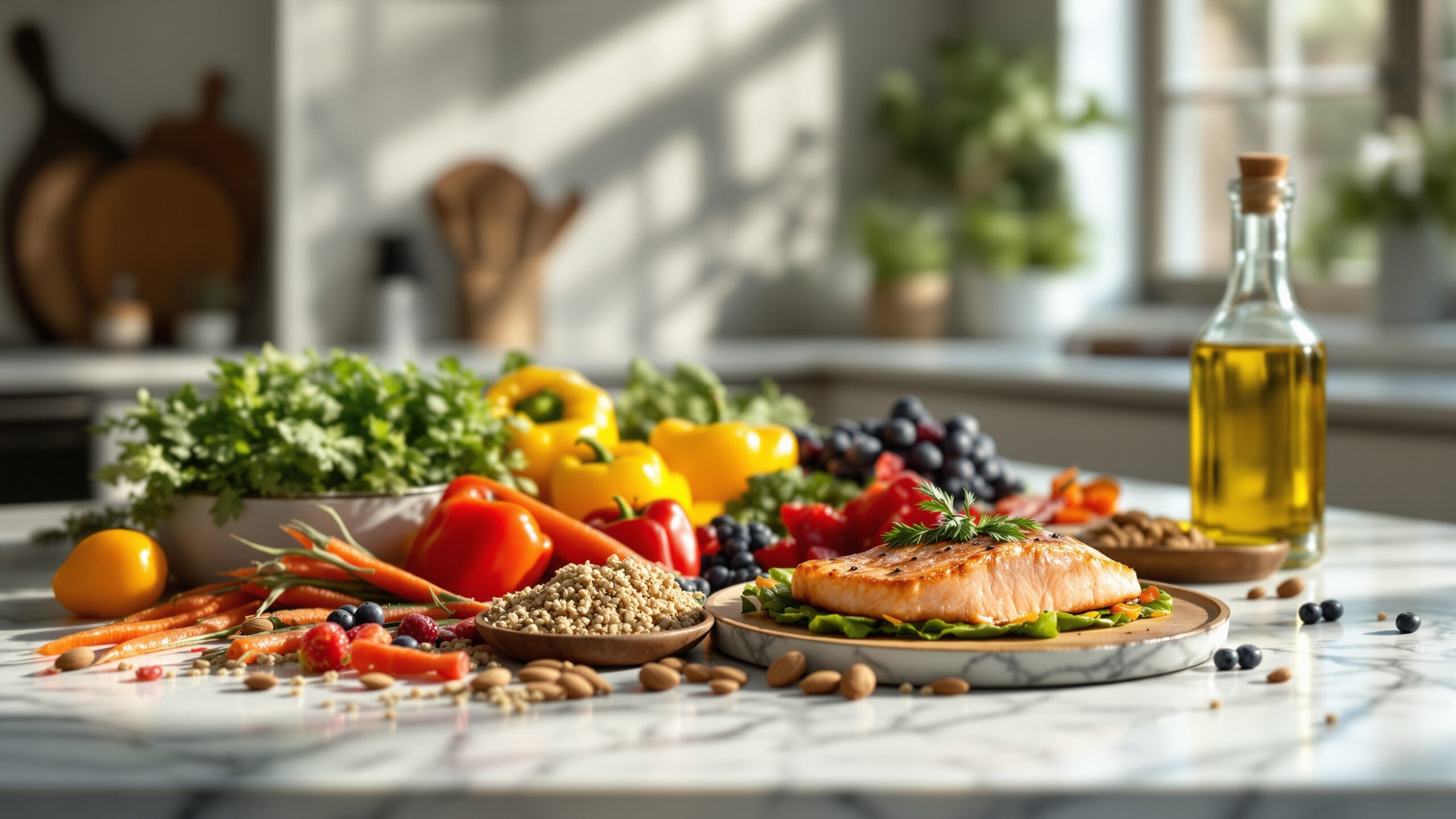
The pursuit of longevity has captivated humanity for centuries, but today, science is finally catching up to our curiosity. We now understand that what we eat plays a central role not only in how long we live, but in how well we live. Longevity is no longer just about adding years to life—it is about adding vitality, energy, and resilience to those years. At the heart of this transformation lies diet. The best longevity diet is not a rigid set of rules or a trendy eating plan. Instead, it is a sustainable, nutrient-rich approach to eating that supports cellular health, reduces inflammation, and protects against chronic disease. It draws inspiration from the world’s longest-living populations and is backed by modern nutritional science. By understanding what to eat—and why—you can make intentional choices that support a longer, more vibrant life.
A: A diet centered on vegetables, legumes, whole grains, fruit, healthy fats, and adequate protein is one of the strongest long-term approaches.
A: Not necessarily; many people benefit from a mostly plant-forward diet that still includes fish, yogurt, or other minimally processed animal foods.
A: Eating it less often and emphasizing plant proteins or fish more regularly is generally a smarter long-term pattern.
A: No; the quality of carbs matters most, with whole grains, beans, fruit, and vegetables being far better choices than refined sugar and ultra-processed snacks.
A: Water should be the main beverage, with coffee or tea in moderation for many people if tolerated well.
A: Yes; longevity eating is about overall pattern, so occasional treats can fit within an otherwise nutrient-dense lifestyle.
A: Very important; adequate protein helps support muscle, mobility, recovery, and independence with age.
A: Not always; many people can meet most needs through food, though some may need targeted guidance based on age, labs, or medical advice.
A: Build one meal a day around vegetables, beans, whole grains, and a quality protein source.
A: Consistency—eating balanced, minimally processed meals again and again is what creates meaningful long-term benefit.
The Science Behind Longevity Nutrition
Longevity is deeply connected to how our bodies respond to food at the cellular level. Every meal influences key biological processes such as inflammation, oxidative stress, and metabolic regulation. Diets rich in whole, unprocessed foods tend to support these systems, while highly processed diets can disrupt them.
One of the most important mechanisms is inflammation. Chronic, low-grade inflammation has been linked to many age-related diseases, including heart disease, diabetes, and cognitive decline. A longevity-focused diet emphasizes anti-inflammatory foods that calm the body and protect tissues over time.
Another critical factor is oxidative stress, which occurs when there is an imbalance between free radicals and antioxidants in the body. Foods high in antioxidants—such as colorful fruits and vegetables—help neutralize these harmful compounds and protect cells from damage.
Finally, longevity nutrition supports metabolic flexibility, allowing the body to efficiently use energy and maintain stable blood sugar levels. This reduces strain on organs and helps prevent metabolic disorders.
Lessons from the World’s Longest-Living Populations
Some of the most compelling insights into longevity come from regions known as “Blue Zones,” where people routinely live into their 90s and beyond. These populations share common dietary patterns that offer valuable guidance.
Their diets are predominantly plant-based, rich in vegetables, legumes, whole grains, and healthy fats. Meat is consumed sparingly, often as a small accompaniment rather than the centerpiece of a meal. Processed foods and added sugars are minimal, and meals are often enjoyed in a social, relaxed setting.
In places like Okinawa, Sardinia, and Ikaria, food is not just fuel—it is part of a lifestyle that includes community, movement, and mindfulness. These cultural practices reinforce the benefits of a longevity diet and highlight the importance of consistency over perfection.
The Foundation: Whole, Plant-Based Foods
At the core of the best longevity diet is a focus on whole, plant-based foods. This does not necessarily mean eliminating animal products entirely, but it does mean prioritizing plants as the primary source of nutrition.
Vegetables are particularly important, especially leafy greens, cruciferous vegetables, and colorful varieties like peppers and carrots. These foods are packed with vitamins, minerals, fiber, and phytonutrients that support immune function and reduce disease risk.
Fruits also play a key role, offering natural sweetness along with antioxidants and hydration. Berries, in particular, are known for their high levels of protective compounds that support brain health and reduce inflammation.
Legumes such as beans, lentils, and chickpeas provide a powerful combination of plant-based protein and fiber. They help regulate blood sugar, support gut health, and promote satiety, making them a cornerstone of longevity-focused eating.
Whole grains like oats, quinoa, and brown rice offer sustained energy and essential nutrients. Unlike refined grains, they retain their fiber and nutrient content, contributing to better metabolic health.
Healthy Fats: Fuel for Longevity
Not all fats are created equal, and the type of fat you consume can have a significant impact on longevity. Healthy fats are essential for brain function, hormone production, and cellular integrity. Monounsaturated fats, found in foods like olive oil, avocados, and nuts, are particularly beneficial. They help reduce inflammation and support heart health, making them a staple in many longevity diets.
Omega-3 fatty acids, found in fatty fish, flaxseeds, and walnuts, are another critical component. These fats have been shown to support cognitive function, reduce inflammation, and lower the risk of chronic disease.
In contrast, trans fats and excessive saturated fats—often found in processed and fried foods—can contribute to inflammation and should be limited. Choosing high-quality, minimally processed sources of fat is key to supporting long-term health.
Protein for Repair and Resilience
Protein is essential for maintaining muscle mass, supporting immune function, and repairing tissues. However, the source of protein matters greatly in a longevity diet.
Plant-based proteins, such as those found in legumes, nuts, seeds, and whole grains, are associated with lower rates of chronic disease. They provide not only protein but also fiber and beneficial compounds that support overall health.
When animal protein is included, it is often in smaller quantities and sourced from high-quality options such as fish, eggs, and lean meats. Fish, in particular, offers the added benefit of omega-3 fatty acids, making it a valuable addition to a longevity-focused diet.
Balancing protein intake with other nutrients ensures that the body receives what it needs without overloading systems that can accelerate aging.
The Power of Fiber and Gut Health
One of the most overlooked aspects of longevity nutrition is the role of the gut microbiome. The trillions of bacteria living in the digestive system play a crucial role in digestion, immunity, and even mental health.
A diet rich in fiber supports a diverse and healthy microbiome. Fiber acts as a prebiotic, feeding beneficial bacteria and promoting a balanced gut environment. This, in turn, helps reduce inflammation and improve nutrient absorption.
Fermented foods such as yogurt, kefir, sauerkraut, and kimchi introduce beneficial probiotics that further enhance gut health. Together, fiber and probiotics create a powerful foundation for long-term wellness. Maintaining gut health is not just about digestion—it is about supporting the entire body from the inside out.
Reducing Sugar and Processed Foods
While adding healthy foods is important, removing harmful ones is equally critical. Diets high in added sugars and ultra-processed foods are strongly linked to chronic disease and reduced lifespan.
Excess sugar can lead to insulin resistance, weight gain, and inflammation, all of which accelerate aging. Processed foods often contain unhealthy fats, artificial additives, and high levels of sodium, which can strain the body over time.
A longevity diet focuses on whole, minimally processed foods that provide real nourishment. By reducing reliance on packaged and convenience foods, you can significantly improve your overall health and longevity.
Hydration and Longevity
Water is often overlooked in discussions about diet, yet it is essential for nearly every bodily function. Proper hydration supports digestion, circulation, temperature regulation, and detoxification.
Drinking enough water throughout the day helps maintain energy levels and supports cognitive function. Herbal teas and water-rich foods like fruits and vegetables can also contribute to hydration.
Limiting sugary drinks and excessive alcohol is important, as these can negatively impact health and accelerate aging. Choosing water as your primary beverage is a simple yet powerful step toward longevity.
Mindful Eating and Portion Control
How you eat is just as important as what you eat. Mindful eating encourages awareness of hunger and fullness cues, helping prevent overeating and promoting a healthier relationship with food. Many long-lived populations practice forms of portion control, such as stopping eating when they feel about 80 percent full. This approach reduces strain on the digestive system and supports metabolic health. Eating slowly, savoring flavors, and enjoying meals in a relaxed environment can enhance digestion and overall satisfaction. These habits contribute to a more sustainable and enjoyable approach to longevity nutrition.
The Role of Lifestyle in a Longevity Diet
Diet does not exist in isolation. It is part of a broader lifestyle that includes physical activity, sleep, stress management, and social connection.
Regular movement supports cardiovascular health, muscle strength, and mental well-being. Quality sleep allows the body to repair and regenerate, while stress management helps prevent chronic inflammation.
Social connections and shared meals also play a role in longevity. Eating with others can enhance enjoyment, encourage healthier choices, and provide emotional support.
By integrating these elements with a longevity-focused diet, you create a holistic approach to living longer and better.
Building Your Longevity Plate
Creating meals that support longevity does not have to be complicated. A simple guideline is to fill most of your plate with vegetables and plant-based foods, add a source of healthy fat, and include a moderate portion of protein.
Colorful, varied meals ensure a wide range of nutrients, while simple cooking methods preserve the integrity of ingredients. Preparing meals at home allows you to control quality and make intentional choices. Consistency is more important than perfection. Small, sustainable changes over time can lead to significant improvements in health and longevity.
Common Myths About Longevity Diets
There is no shortage of misinformation when it comes to nutrition and longevity. One common myth is that a single “superfood” can dramatically extend life. In reality, it is the overall pattern of eating that matters most. Another misconception is that longevity requires strict restriction or deprivation. In truth, the best longevity diets are enjoyable, balanced, and sustainable. It is also important to recognize that individual needs vary. Factors such as age, activity level, and health conditions can influence dietary choices. Personalization is key to achieving the best results.
A Lifelong Investment in Health
The best longevity diet is not about quick fixes or extreme measures. It is about making thoughtful, consistent choices that support your body over time. By prioritizing whole foods, healthy fats, and balanced nutrition, you can create a foundation for a longer, healthier life.
This approach is not only scientifically grounded but also deeply practical. It encourages you to reconnect with food as a source of nourishment, pleasure, and connection. In doing so, it transforms the act of eating into a powerful tool for longevity.
Ultimately, living longer is not just about adding years—it is about enhancing the quality of those years. With the right diet and lifestyle, you can build a future that is not only longer, but richer, healthier, and more fulfilling.