

Keto & Low-Carb is where nutrition meets metabolic mastery. This dynamic corner of Nutrition Streets explores eating strategies designed to fuel your body with purpose, clarity, and sustained energy. By focusing on healthy fats, quality proteins, and thoughtfully reduced carbohydrates, keto and low-carb lifestyles aim to shift how your body generates energy—moving from sugar spikes to steady, fat-based fuel. Here, you’ll discover articles that break down the science behind ketosis, explain carb awareness in plain language, and highlight practical ways to build satisfying meals without feeling restricted. From beginner-friendly guides to deeper dives into macros, metabolism, and food choices, this collection is built to support curiosity at every stage of the journey. Whether your goal is weight management, improved focus, balanced energy, or simply understanding how low-carb eating works, this category offers insights rooted in real-world application—not trends or extremes. Expect clarity, flexibility, and inspiration as you explore recipes, food strategies, and nutritional concepts that fit modern lifestyles. Step into Keto & Low-Carb and discover how smarter carb choices can unlock a more energized, intentional way of eating—one article at a time.
A: Build meals around protein + non-starchy vegetables, then reduce bread/sweets/sugary drinks first.
A: Not always—many succeed with portion guidelines, but tracking can help you learn quickly.
A: Early fatigue/headaches can happen—prioritize water, salt, and potassium-rich low-carb foods.
A: Often yes—berries in smaller portions are common; higher-sugar fruits may be limited on keto.
A: Some people tolerate them well; others find they trigger cravings—test and choose what works for you.
A: Choose grilled protein, swap starches for veggies/salad, and watch sauces and dressings.
A: Portions, hidden carbs, low protein, stress/sleep, or alcohol can all play a role—simplify and reassess.
A: Fat supports satiety, but you don’t need to “force” fat—focus on whole foods and adequate protein.
A: If you’re pregnant, have diabetes on meds, kidney disease, or other conditions—talk with your clinician first.
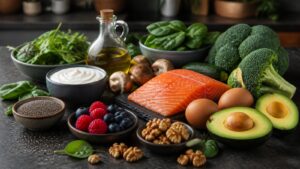
What Can You Eat on a Keto Diet? Complete Food List for Beginners
Learn which foods fit a ketogenic diet, which require careful portions, and how to build more nutritious keto meals without relying on meat, butter, and cheese alone.

Keto Diet for Beginners: The Ultimate Step-by-Step Guide
Considering keto? Learn how ketosis works, who needs medical supervision, how to plan meals, manage early symptoms, assess progress, and decide whether to continue.
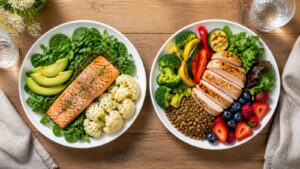
Keto vs Low-Carb: What’s the Difference and Which Is Better?
Keto is one form of low-carb eating, but the two approaches differ in targets, food flexibility, side effects, monitoring, and long-term fit. Compare them clearly.