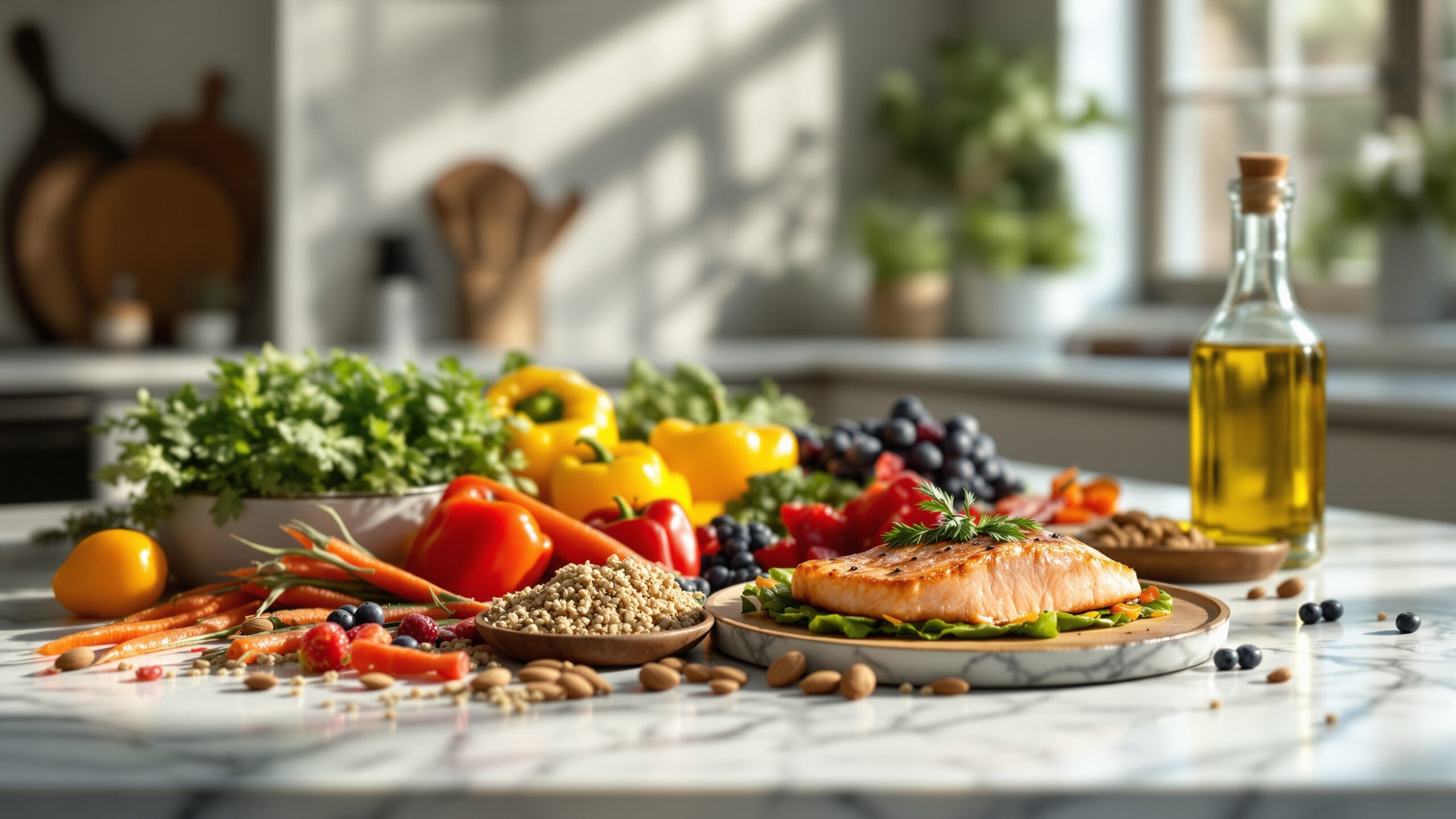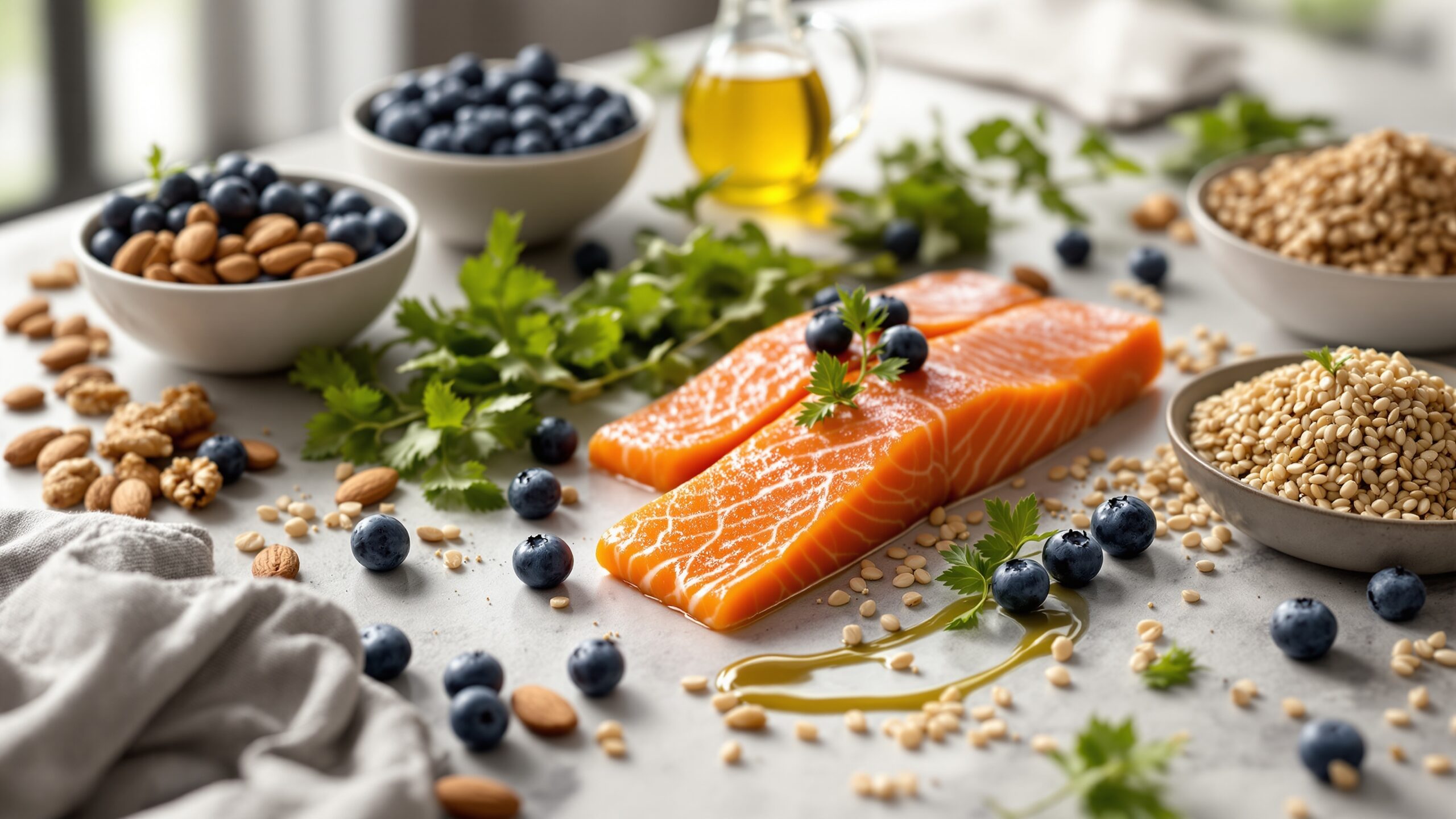
Longevity is no longer just a matter of genetics or luck—it is increasingly understood as a reflection of daily choices, especially what we eat. Modern nutritional science continues to confirm what ancient cultures have long practiced: food can be both nourishment and medicine. Across the world’s longest-living populations, often referred to as “Blue Zones,” certain dietary patterns consistently emerge. These patterns emphasize whole, nutrient-dense foods rich in antioxidants, healthy fats, fiber, and essential micronutrients that support cellular repair, reduce inflammation, and protect against chronic disease. The concept of longevity foods is rooted in the idea that certain ingredients actively promote healthy aging by influencing biological pathways. These include reducing oxidative stress, supporting mitochondrial function, enhancing gut microbiome diversity, and regulating blood sugar and cholesterol levels. The following foods are not just trendy superfoods—they are backed by scientific research and have stood the test of time across cultures. Incorporating them into your daily routine can help you feel more energized, resilient, and vibrant for years to come.
A: There is no single best food—longevity is usually linked to overall dietary patterns rich in plants, fiber, and healthy fats.
A: Not necessarily. Beans, oats, lentils, cabbage, carrots, and canned fish can be very budget-friendly.
A: No. Consistency matters more than perfection, and small daily choices add up over time.
A: Yes. Adequate protein helps support muscle maintenance, especially as adults get older.
A: Not when they come from whole-food sources like beans, fruit, oats, and other whole grains.
A: They are rich in fiber and polyphenols, which are widely studied in relation to healthy aging.
A: They can help support gut health, especially when paired with a fiber-rich diet.
A: In many longevity-focused eating patterns, olive oil is favored because it is rich in monounsaturated fats and beneficial plant compounds.
A: Start by adding more vegetables, beans, berries, nuts, whole grains, and healthy fats to meals you already enjoy.
A: Replace one ultra-processed snack or meal each day with a whole-food option like fruit, yogurt, nuts, or a bean-based dish.
Leafy Greens: The Foundation of Longevity
Dark leafy greens such as kale, spinach, Swiss chard, and arugula are among the most powerful longevity foods available. They are rich in vitamins A, C, K, and folate, along with essential minerals like magnesium and calcium. These nutrients play a critical role in maintaining bone density, supporting cardiovascular health, and protecting against cognitive decline.
Leafy greens are also loaded with antioxidants such as lutein and beta-carotene, which help neutralize harmful free radicals. Studies have shown that individuals who consume leafy greens regularly experience slower cognitive aging compared to those who do not. Their high fiber content supports digestion and promotes a healthy gut microbiome, which is increasingly linked to immune function and longevity.
Berries: Small Fruits, Big Impact
Berries, including blueberries, strawberries, raspberries, and blackberries, are nutritional powerhouses packed with polyphenols and flavonoids. These compounds have been extensively studied for their ability to reduce inflammation and protect against age-related diseases such as heart disease and Alzheimer’s.
Blueberries, in particular, have been shown to improve brain function and memory due to their high concentration of anthocyanins. These antioxidants help improve blood flow to the brain and protect neurons from oxidative stress. Regular consumption of berries has also been associated with improved insulin sensitivity and reduced risk of type 2 diabetes.
Fatty Fish: Omega-3s for Cellular Health
Fatty fish like salmon, sardines, mackerel, and anchovies are among the richest sources of omega-3 fatty acids. These essential fats are crucial for reducing inflammation, supporting heart health, and maintaining brain function. Omega-3s have been shown to lower triglyceride levels, reduce blood pressure, and decrease the risk of cardiovascular disease.
In addition to their cardiovascular benefits, omega-3 fatty acids play a role in preserving telomere length, which is a key marker of cellular aging. Longer telomeres are associated with increased lifespan and reduced risk of chronic disease. Including fatty fish in your diet two to three times per week can have profound long-term health benefits.
Nuts: Nutrient-Dense Longevity Boosters
Nuts such as almonds, walnuts, pistachios, and hazelnuts are rich in healthy fats, protein, and fiber. They also contain important micronutrients like vitamin E, magnesium, and selenium. Regular nut consumption has been linked to a reduced risk of heart disease, improved cholesterol levels, and better metabolic health. Walnuts are particularly noteworthy for their high content of alpha-linolenic acid, a plant-based omega-3 fatty acid. Studies suggest that people who eat nuts regularly tend to live longer and have a lower risk of premature death. Despite being calorie-dense, nuts can support weight management due to their ability to promote satiety.
Olive Oil: Liquid Gold for Longevity
Extra virgin olive oil is a cornerstone of the Mediterranean diet, one of the most well-researched dietary patterns associated with longevity. It is rich in monounsaturated fats and powerful antioxidants such as oleocanthal, which has anti-inflammatory properties similar to ibuprofen.
Olive oil has been shown to reduce the risk of heart disease, stroke, and certain types of cancer. It also supports brain health and may help protect against cognitive decline. Replacing processed oils and butter with high-quality olive oil is a simple yet impactful step toward a longevity-focused diet.
Legumes: Plant-Based Protein Powerhouses
Beans, lentils, chickpeas, and peas are staples in many long-lived cultures. They are rich in plant-based protein, fiber, and essential nutrients like iron, potassium, and folate. Legumes have a low glycemic index, making them excellent for blood sugar control and metabolic health.
The high fiber content in legumes supports gut health by feeding beneficial bacteria. This, in turn, strengthens the immune system and reduces inflammation. Research consistently shows that higher legume consumption is associated with a longer lifespan and reduced risk of chronic diseases.
Whole Grains: Sustained Energy and Heart Health
Whole grains such as oats, quinoa, brown rice, and barley provide complex carbohydrates, fiber, and a wide range of vitamins and minerals. Unlike refined grains, whole grains retain their bran and germ, which are rich in nutrients and antioxidants. Regular consumption of whole grains has been linked to lower rates of heart disease, diabetes, and certain cancers. They also support digestive health and provide sustained energy throughout the day. Including a variety of whole grains in your diet can help maintain metabolic balance and overall vitality.
Cruciferous Vegetables: Detox and Defense
Vegetables like broccoli, cauliflower, Brussels sprouts, and cabbage belong to the cruciferous family and are known for their potent health benefits. They contain compounds called glucosinolates, which are converted into biologically active substances that help detoxify the body and protect against cancer.
These vegetables are also rich in vitamins C and K, as well as fiber. Studies suggest that regular consumption of cruciferous vegetables is associated with a lower risk of several types of cancer and improved overall health.
Avocados: Healthy Fats for Longevity
Avocados are a unique fruit rich in monounsaturated fats, fiber, and potassium. These nutrients support heart health, regulate blood pressure, and promote satiety. Avocados also contain antioxidants such as lutein, which supports eye health. Research indicates that people who consume avocados regularly have better overall diet quality and lower risk of metabolic syndrome. Their creamy texture and versatility make them an easy addition to a wide range of meals.
Garlic: Nature’s Immune Booster
Garlic has been used for centuries for its medicinal properties. It contains sulfur compounds such as allicin, which have been shown to boost immune function, reduce blood pressure, and improve cholesterol levels.
Garlic also has antimicrobial and anti-inflammatory properties. Regular consumption may help protect against infections and support cardiovascular health, making it a valuable addition to a longevity-focused diet.
Green Tea: A Daily Elixir
Green tea is rich in catechins, particularly epigallocatechin gallate (EGCG), which has powerful antioxidant and anti-inflammatory effects. Studies have linked green tea consumption to reduced risk of heart disease, improved brain function, and enhanced fat metabolism.
Drinking green tea regularly may also support cellular repair processes and protect against age-related diseases. It is a simple and enjoyable way to incorporate longevity-promoting compounds into your daily routine.
Dark Chocolate: A Sweet Longevity Boost
High-quality dark chocolate with a high cocoa content is rich in flavonoids, which support heart health and improve blood flow. These compounds also have antioxidant properties that help protect cells from damage.
Moderate consumption of dark chocolate has been associated with lower blood pressure and improved cognitive function. Choosing minimally processed varieties with low sugar content is key to maximizing its benefits.
Turmeric: Anti-Inflammatory Powerhouse
Turmeric contains curcumin, a compound known for its potent anti-inflammatory and antioxidant effects. Curcumin has been studied for its role in reducing the risk of chronic diseases such as heart disease, cancer, and Alzheimer’s. When combined with black pepper, which enhances absorption, turmeric becomes even more effective. Incorporating it into soups, stews, and teas can provide long-term health benefits.
Fermented Foods: Gut Health Champions
Foods like yogurt, kefir, sauerkraut, kimchi, and miso are rich in probiotics, which support a healthy gut microbiome. A balanced gut microbiome is essential for digestion, immune function, and even mental health.
Fermented foods help increase the diversity of beneficial bacteria in the gut, which is linked to improved longevity. Regular consumption can enhance nutrient absorption and reduce inflammation.
Sweet Potatoes: Nutrient-Rich Energy
Sweet potatoes are rich in beta-carotene, fiber, and complex carbohydrates. They provide sustained energy while supporting eye health and immune function. Their low glycemic index makes them a great alternative to refined carbohydrates. Including sweet potatoes in your diet can help maintain stable blood sugar levels and overall metabolic health.
Tomatoes: Lycopene for Protection
Tomatoes are a rich source of lycopene, a powerful antioxidant that has been linked to reduced risk of heart disease and certain cancers. Cooking tomatoes enhances the bioavailability of lycopene, making sauces and soups particularly beneficial.
They also provide vitamins C and K, along with potassium. Regular consumption of tomatoes supports cardiovascular health and overall wellness.
Mushrooms: Immune-Enhancing Superfoods
Mushrooms such as shiitake, maitake, and reishi contain bioactive compounds that support immune function and reduce inflammation. They are also a good source of vitamin D, especially when exposed to sunlight. Research suggests that mushrooms may help protect against cognitive decline and support overall longevity. Their unique umami flavor makes them a versatile addition to many dishes.
Seeds: Tiny Nutritional Powerhouses
Chia seeds, flaxseeds, and pumpkin seeds are rich in omega-3 fatty acids, fiber, and essential minerals. They support heart health, digestion, and hormonal balance.
Flaxseeds, in particular, contain lignans, which have antioxidant properties and may help reduce the risk of certain cancers. Adding seeds to smoothies, yogurt, or salads is an easy way to boost nutrient intake.
Apples: Everyday Longevity Fruit
Apples are high in fiber, particularly pectin, which supports gut health and helps regulate blood sugar levels. They also contain antioxidants such as quercetin, which has anti-inflammatory effects.
The phrase “an apple a day keeps the doctor away” holds some truth, as regular apple consumption has been linked to reduced risk of chronic diseases and improved overall health.
Herbs and Spices: Flavor with Benefits
Herbs and spices like rosemary, oregano, cinnamon, and ginger not only enhance flavor but also provide powerful health benefits. They are rich in antioxidants and have anti-inflammatory properties. Cinnamon, for example, can help regulate blood sugar levels, while ginger supports digestion and reduces nausea. Incorporating a variety of herbs and spices into your cooking can elevate both taste and health.
Building a Longevity-Focused Lifestyle
While each of these foods offers unique benefits, their true power lies in how they work together as part of a balanced, whole-food diet. Longevity is not about a single superfood but about consistent dietary patterns that nourish the body over time. Combining these foods with regular physical activity, quality sleep, and stress management creates a holistic approach to healthy aging.
The science is clear: what you eat today shapes your health tomorrow. By choosing nutrient-dense, minimally processed foods and embracing a diverse, plant-forward diet, you can actively support your body’s ability to thrive for decades to come. Longevity is not just about adding years to your life—it’s about adding life to your years.