A Useful Plant-Food List Should Fit Your Budget
A grocery budget does not stretch further because a food is labeled a superfood. If you want more plant-food variety, the useful question is which purchases will become enjoyable meals before the week is over. Phytonutrients are part of the chemistry of many familiar foods, so a sensible selection can begin with produce, beans, whole grains, nuts, and seeds already available in your local shops. You do not need to hunt for the ingredient with the most dramatic laboratory score. This guide focuses on practical sources and the jobs they can perform in a menu: an affordable vegetable that serves two dinners, a pulse that anchors lunch, or a small seed addition that fits breakfast. Choosing foods this way keeps their possible plant-compound benefits in the context of complete nutrition, everyday cooking, and a routine you can actually maintain.
A: Choose an affordable food that fills a practical gap in meals you already prepare.
A: Yes. Color is not a complete chemical inventory, and cauliflower is a cruciferous vegetable.
A: Consider whether frozen or a smaller fresh quantity would better fit your actual use.
A: Yes. They can simplify preparation; assess the product and follow its directions.
A: Plan distinct preparations and vary the other meal components.
A: No. Allergy needs, tolerance, preferences, and other available foods shape the selection.
A: No. Evaluate the entire beverage rather than the reputation of its featured ingredient.
A: Limited uses, cost, or poor acceptance may keep it from contributing regularly to meals.
A: Yes. Rotate other ingredients and preparation styles across the menu.
A: Look at meals prepared, enjoyment, balance, and waste rather than expecting an immediate disease-related effect.
Use Food Groups to Organize the Search
Phytonutrient-rich is a broad description, not a complete nutritional rating. Plant foods contain different combinations of compounds, and the term alone does not reveal a serving’s protein, fiber, energy, or other nutrient content. Choosing across food groups is therefore more useful than buying several products that all emphasize the same isolated constituent. A vegetable, a pulse, and a whole grain can play complementary roles in the meal.
Start by identifying what is already present in your menu. If most lunches use one familiar vegetable but no beans or whole grains, broadening those categories may offer more practical variety than purchasing another expensive vegetable powder. This is a meal-planning judgment rather than proof that one additional ingredient produces a medical outcome. Keep the improvement concrete: more varied foods, useful portions, and meals that meet your needs.
Leafy Vegetables Earn Their Place Through Versatility
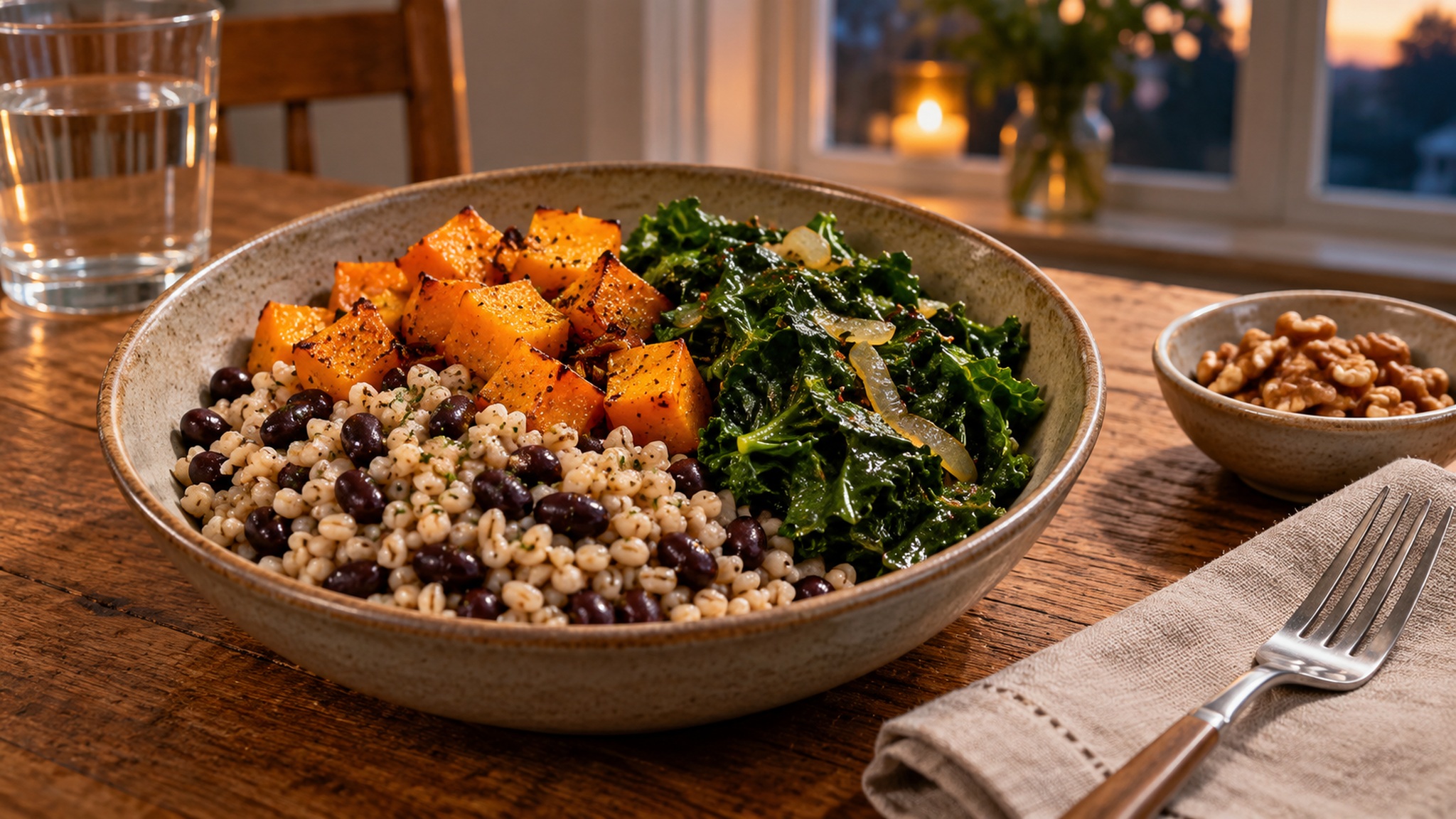
Leafy greens can support a range of meals, from a cooked side to a soup or a grain bowl. Choose a form that matches your actual cooking habits. A large fresh bunch suits a plan with several uses, while frozen greens may be easier to portion when schedules change. Neither format needs to be purchased as a symbolic wellness gesture; its value lies in being eaten.
The flavor and texture of leafy vegetables vary considerably. A tender leaf may fit a quick preparation, while a sturdier green may need a different approach. Experiment with a modest amount in a familiar recipe rather than assuming all greens can be substituted without adjustment. A dish that tastes good gives the purchase a better chance of joining your regular rotation.
A simple starting point is greens stirred into a bean soup near the appropriate point in cooking, or served beside a grain and protein source. Consider the complete recipe, including seasonings and other ingredients. The green’s plant chemistry is interesting, but it does not describe the composition of every dish containing it.
Cruciferous Choices Include Affordable Pale Vegetables
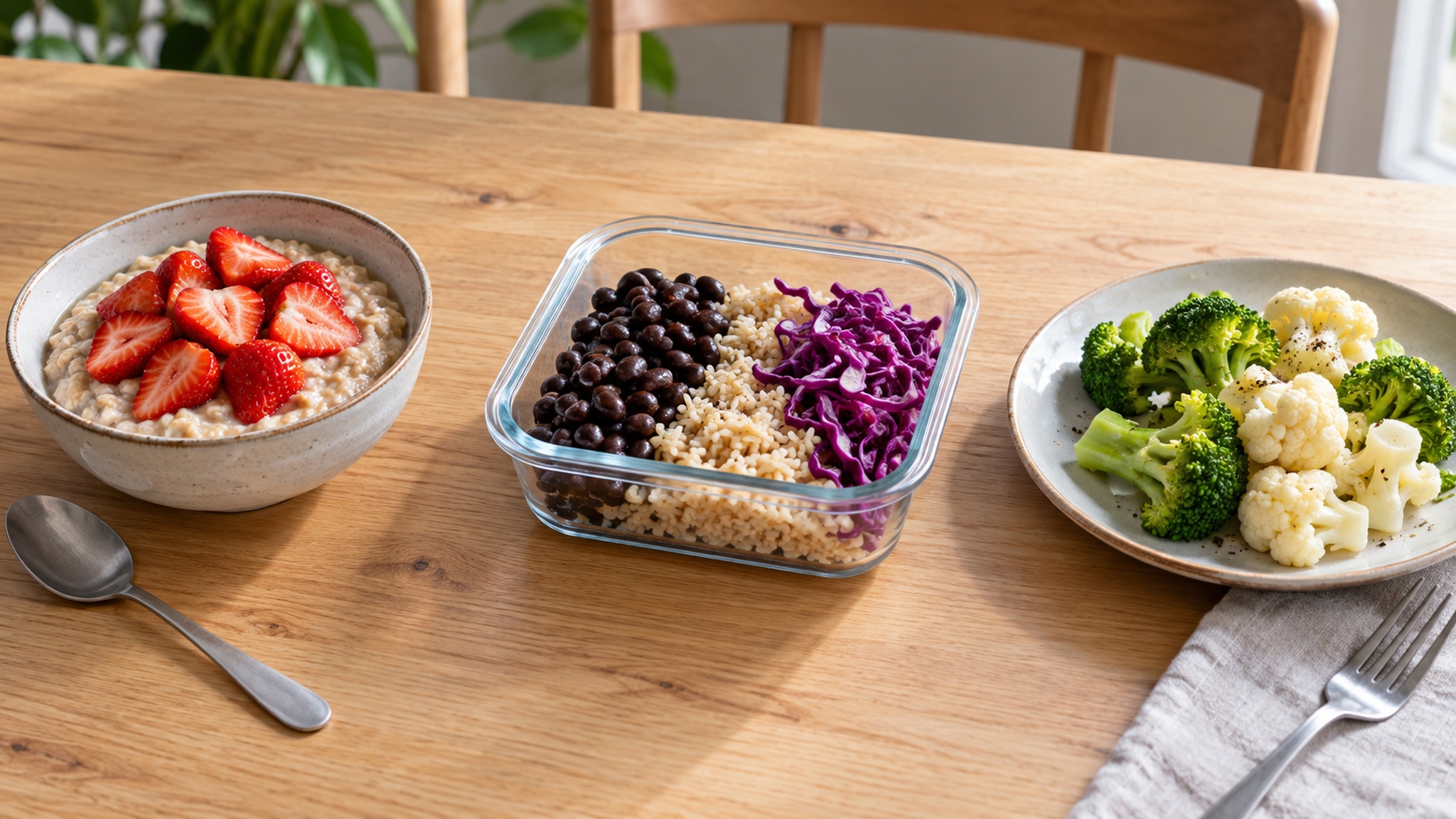
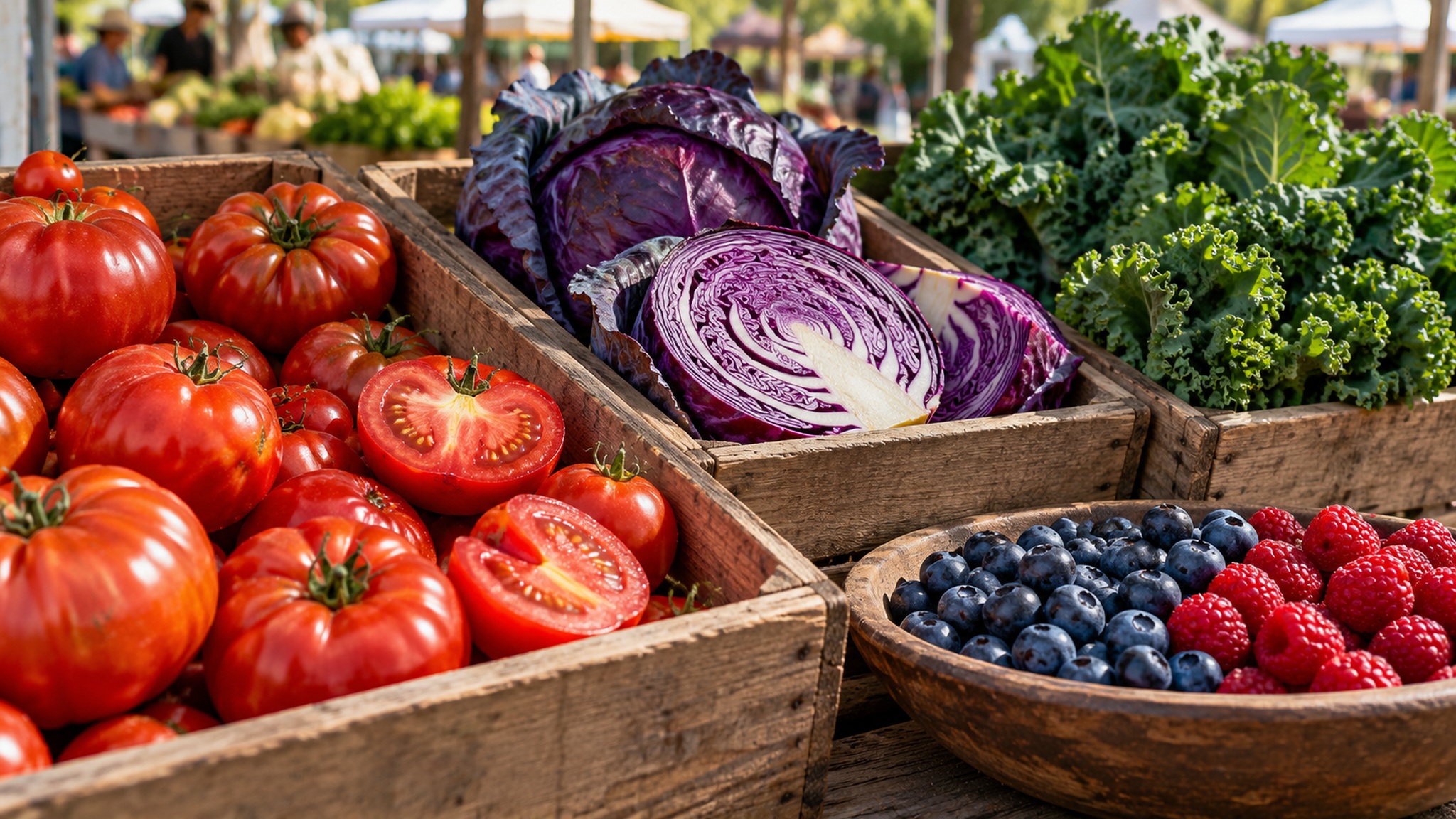
Cabbage, broccoli, and cauliflower offer different textures within the cruciferous vegetable group. Their glucosinolate chemistry has attracted research interest, as explained by the National Cancer Institute’s food guide, but that does not turn an ordinary portion into a cancer treatment. For shopping, cabbage’s usefulness across slaw, soup, and cooked dishes may be more relevant than a comparison of one laboratory constituent. Pale cauliflower also belongs in the discussion despite being absent from many brightly colored food displays. Select the vegetable that suits several planned meals, then prepare it appropriately and enjoy it as part of the broader diet.
Orange and Red Produce Can Serve Different Kitchen Roles
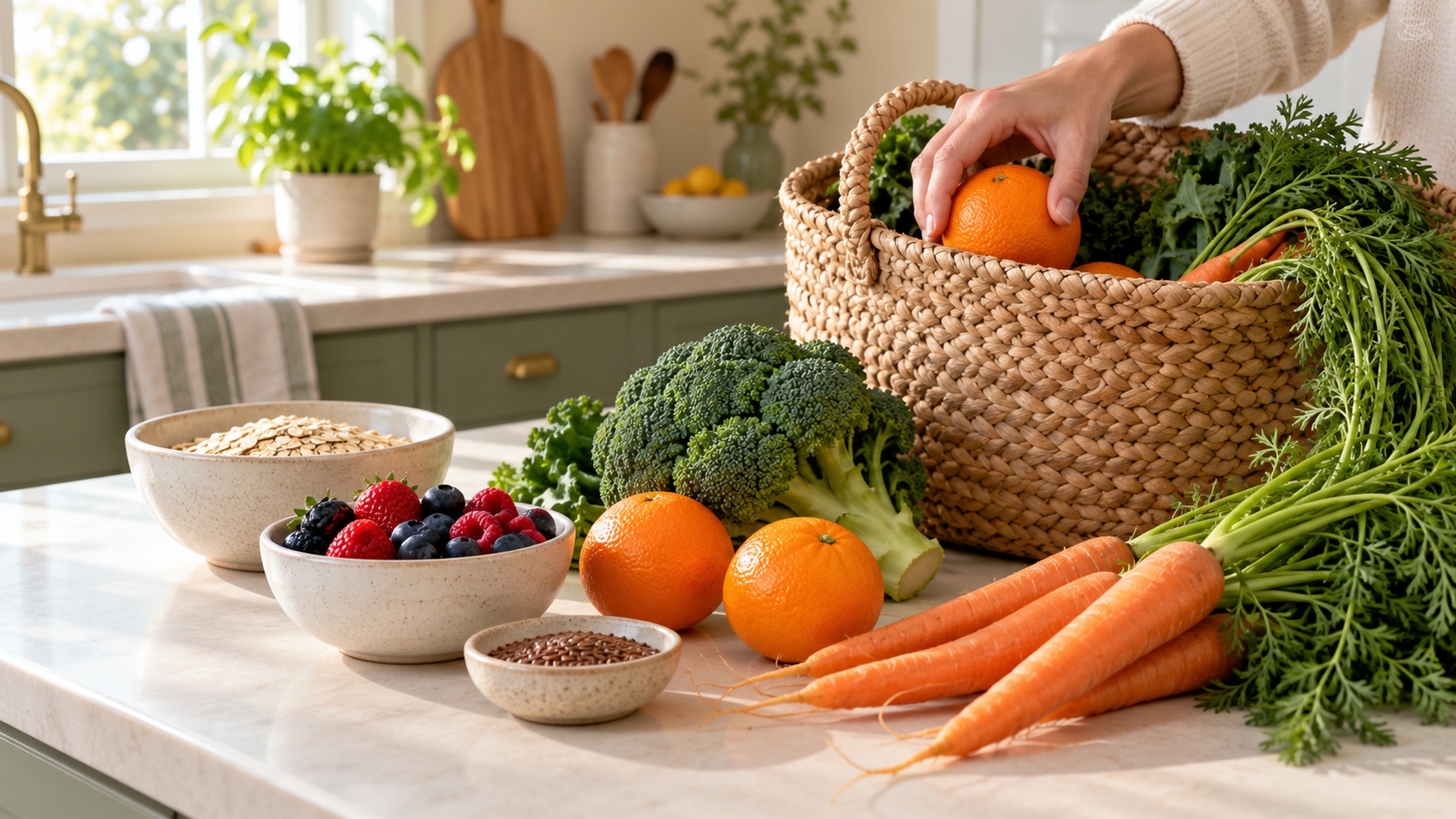
Carrots, winter squash, and tomatoes provide familiar ways to diversify the produce selection. They need not compete for a single healthiest position. Carrots can be used as a side or in soup, squash can provide a substantial texture in a grain bowl, and tomatoes can form the base of a sauce. Their distinct culinary jobs make it possible to use several choices without repeating the same dish.
Compare the forms available to you. Whole squash may suit someone with time to prepare it, while a convenient cut or frozen option may better fit a demanding week. Canned tomatoes can simplify a meal, with attention to the full label and any added ingredients. Practicality matters because a food left unused does not contribute to the week’s eating pattern.
Fruit Works Best When the Purchase Has a Destination
A fruit bowl can support a routine when the contents fit the way you eat. Apples may travel easily with lunch, citrus may suit a snack, and berries may fit breakfast. Those uses are better shopping guides than an expectation that one fruit must provide every possible plant compound. Choose familiar options and rotate as price and availability allow.
Frozen fruit can be useful when fresh products are costly or delicate. Consider whether the product is plain or includes additional ingredients and whether its preparation suits the intended meal. A smoothie, a sweetened beverage, and whole fruit are different products even when they share a prominent fruit name. Assess the finished food rather than assigning it the reputation of a pictured ingredient.
Buy enough variety to remain interesting without exceeding what you can use. If you routinely finish apples but discard half a large berry container, change the berry format or quantity. Reducing waste preserves the budget for future meals. A smaller, realistic purchase can improve the routine more than an impressive selection that deteriorates before anyone eats it.
Pulses Bring Substance to the Plant-Food Plan
Beans, chickpeas, and lentils deserve attention beyond a discussion of phytonutrients. They can help anchor a meal and connect vegetables with a filling lunch or dinner. Canned products offer convenience, while dried pulses may suit cooks who prepare larger quantities and have time for the necessary steps. Choose according to your routine, preparation skills, and the complete product composition.
Variety can come from familiar differences rather than novelty. Chickpeas may work in a salad, lentils in a pot meal, and black beans in a grain bowl. Different seasonings and vegetables can keep those preparations distinct. Avoid adding several unfamiliar pulses at once if the result is a collection you do not know how to cook.
Whole Grains Broaden the Plate Beyond Produce
Plant-food diversity is not limited to fruits and vegetables. Whole grains provide another category of food constituents alongside their established nutritional components. The Linus Pauling Institute’s whole-grain overview discusses their fiber, nutrients, and phytochemicals. For practical planning, choose a grain that fits your available time and preferred texture, such as oats at breakfast or barley in a suitable supper. Check dietary restrictions and the full product label rather than assuming every grain product is equivalent because its packaging uses whole-grain language. Decide where the grain will fit before buying it. A breakfast staple and a dinner ingredient may need different preparation arrangements, and an unfamiliar long-cooking grain is less useful when the planned meal has little time available.
Nuts and Seeds Add a Different Kind of Variety
Nuts and seeds can contribute texture and flavor in smaller food portions. A walnut topping on a suitable salad, sesame in a dressing, or ground flaxseed in oats each performs a distinct culinary job. The relevant portion is the one eaten, not a large fixed-weight amount from a nutrient chart. Include their energy and other components when assessing the whole meal.
Allergy considerations and individual tolerance shape the choice. A fashionable seed does not become necessary simply because it appears in a phytonutrient article. If nuts or seeds do not suit you, other plant foods can still provide variety. Food planning should respect actual needs instead of treating a list as compulsory.
Purchase amounts that match use. A small packet can be sensible when a seed enters only one occasional recipe, while a regular breakfast ingredient may justify a different quantity. Keep the food enjoyable and appropriately stored, and reassess the plan if it repeatedly sits unused. The purpose is a useful addition to meals, not a collection of unopened nutrition purchases.
Choose the Format by What It Enables
Fresh, frozen, canned, and dried products can each help solve a different problem. Fresh produce may fit meals you plan to make soon, frozen vegetables can help when timing is uncertain, canned pulses can shorten preparation, and dried grains can support several portions. Those are practical distinctions rather than an automatic nutritional ranking. Read labels and follow preparation and storage directions for the actual product.
The best format can change from week to week. A cook with time on Sunday may prefer one approach, while a household facing unpredictable evenings may need another. Keep the menu adaptable. A convenient ingredient used in a balanced meal can be a sound choice even when it differs from the idealized fresh display in a wellness photograph.
Make One Purchase Serve More Than One Meal
A cabbage can become a crisp lunch component and a cooked dinner ingredient; a bag of carrots can serve a side and a soup. Planned overlap reduces waste while still allowing different flavors and textures. Identify those uses before buying larger quantities. Repetition of an ingredient is compatible with variety when the meals remain balanced and other components rotate. This approach also creates room in the budget for the next useful purchase rather than tying money up in several perishable foods with no clear destination.
Keep the Benefit Claim at the Food-Pattern Level
A varied plant-food selection can be part of a healthful diet, but a food list cannot guarantee prevention or treatment of a specific disease. Research about individual compounds has limitations related to preparation, dose, metabolism, and study design. The nutritional value of the foods also includes their familiar components and their place in the total menu. Avoid assigning every favorable feature of the eating pattern to phytonutrients alone.
Concentrated extracts require a separate evaluation. A powder sold with berry or vegetable imagery may provide a different exposure and omit features of the food it depicts. An ordinary meal choice should not be used to validate a product’s therapeutic claims. If the aim is to manage a health condition with a supplement, seek evidence about the actual preparation and discuss it with a qualified professional.
For a food purchase, you can evaluate much more immediate results. Did it make a balanced meal easier to assemble? Did you enjoy the preparation enough to repeat it? Was the quantity used before it spoiled? Those observations keep the search for better health connected to a workable dietary routine rather than an expectation that one ingredient will deliver a dramatic clinical effect.
Start With a Realistic Weekly Selection
Choose one leafy or cruciferous vegetable, one additional vegetable with a different kitchen role, a fruit that fits your day, a pulse, and a suitable whole grain. Add nuts or seeds if they fit your needs and budget. This is a flexible planning example, not a mandatory prescription. Existing foods can satisfy several parts of the plan before you buy anything new.
Over time, rotate the choices while keeping the recipes manageable. Broccoli can replace one vegetable side, lentils can change a bean-centered supper, and seasonal fruit can refresh breakfast. You do not need every plant-compound family represented in each meal. The strongest practical list is the one that becomes varied, satisfying food on a regular basis.