Start With Familiar Foods, Then Learn the Names
Carrots, berries, broccoli, oats, and seeds may already appear in your shopping basket, even if phytonutrients is a new word. The term refers broadly to plant compounds discussed for their possible effects on health, and learning a few major types can make nutrition articles easier to understand. You do not need a chemistry degree or a cupboard of expensive powders to begin. The most useful first step is recognizing which familiar food groups contain different families, while remembering that a compound’s presence does not guarantee a particular medical benefit. This beginner’s guide connects the names with foods you can actually buy and prepare. It also explains why the best source is often a practical food you enjoy regularly, how to build a manageable selection across meals, and where an attractive health claim needs more evidence than a colorful label provides.
A: Yes. Both terms appear in discussions of plant constituents, although the exact context should be checked.
A: No. That precursor role belongs to selected carotenoids rather than the whole family.
A: Yes. Overall visible color does not reveal the full constituent list.
A: Cruciferous choices such as broccoli, cabbage, and cauliflower provide useful examples.
A: No. Lignans occur in other seeds, grains, and additional plant foods too.
A: Crushing or milling can improve availability of its lignans.
A: No. Amounts and other features vary by the particular food and preparation.
A: Yes. Select the form that suits your menu and assess the full product composition.
A: No. A varied menu serves broader needs than maximizing a single constituent.
A: Choose one affordable food that fits an existing meal, then broaden the selection over time.
Phytonutrients Describe a Broad Collection
The prefix phyto means plant. You may also see the term phytochemicals, especially in scientific discussions. These words refer to a broad collection rather than one standardized nutrient. They do not all describe the same chemical structure, biological action, or health evidence. When an article makes a claim, the particular compound and food are more informative than the umbrella term alone.
Some examples are pigments, while others are associated with a food’s flavor or different aspects of its plant chemistry. Carotenoids, flavonoids, glucosinolates, and lignans provide useful starting categories. The list is not exhaustive, and one food can contain members of more than one group. Think of the names as a map for learning rather than boxes that assign each food a single identity.
Carotenoids: A Family With Important Differences
Carotenoids include beta-carotene, lycopene, lutein, and zeaxanthin, among others. Some can serve as precursors to vitamin A, but that function does not belong to every member. The NIH vitamin A and carotenoid fact sheet explains that the body can convert certain carotenoids into vitamin A. Keeping the word certain visible prevents a common mistake: assuming that every food associated with a carotenoid has the same vitamin-related role.
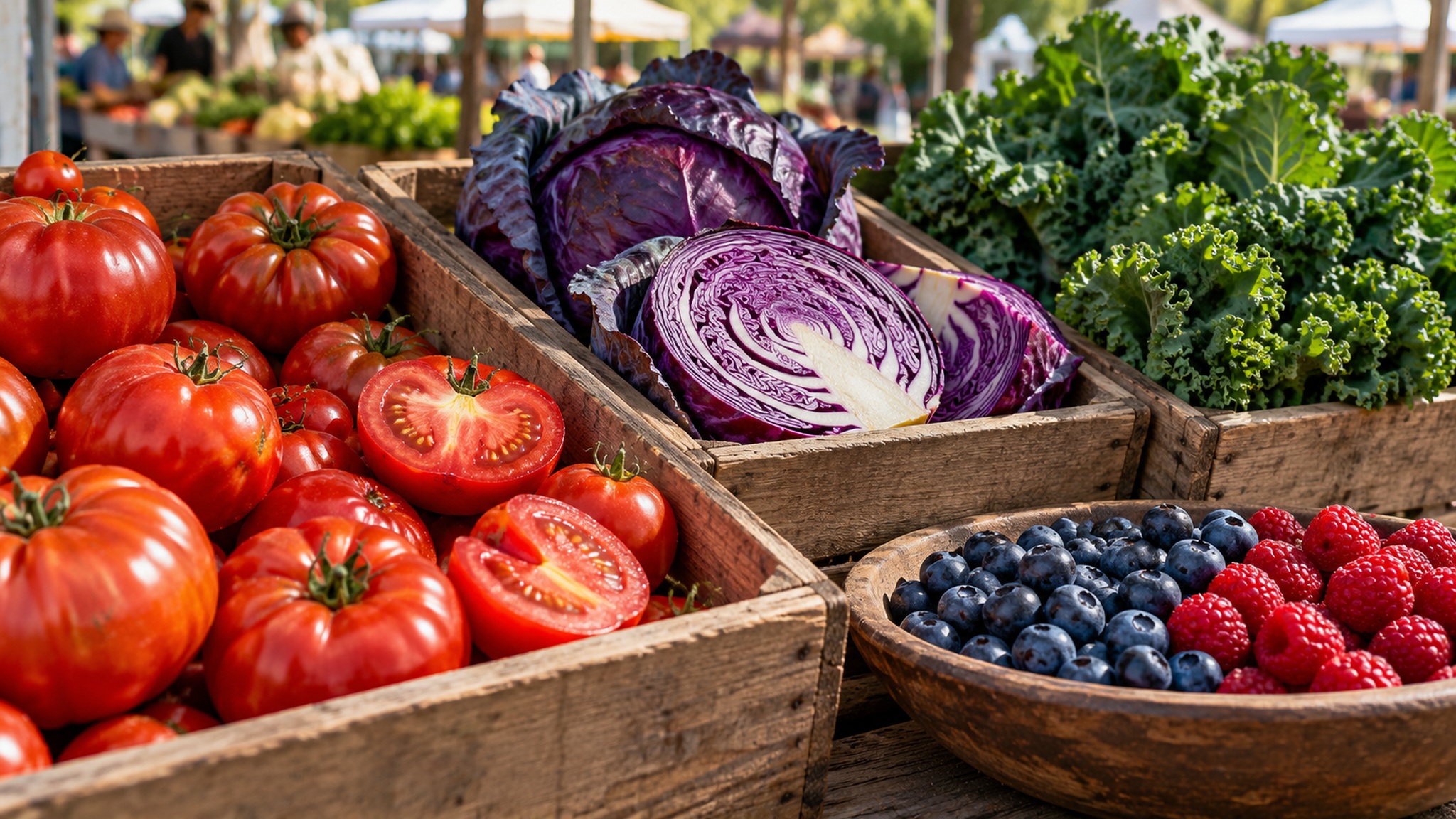
Orange vegetables such as carrots and sweet potatoes are familiar examples for learning about beta-carotene. Tomatoes commonly introduce the discussion of lycopene, while leafy greens appear in conversations about lutein and zeaxanthin. These associations help you remember the family without turning appearance into a precise chemical measurement. A green leaf can contain carotenoids even though its overall visible color is green.
Use the examples to expand meals, not to select a single pigment winner. Carrots can accompany beans, tomato can form part of a sauce, and leafy greens can enter a cooked dish. Their food roles differ, which makes them useful together across a menu. A compound name is a learning aid rather than a reason to replace all the other vegetables with one source.
Flavonoids: Several Subgroups, Many Food Choices
Flavonoids are a large family within the wider group of polyphenols. Different subgroups occur in foods including berries, citrus, tea, and soy, as described in the Linus Pauling Institute’s flavonoid resources. Anthocyanins are often discussed with red, purple, and blue plant foods, while citrus introduces flavanones and soy introduces isoflavones. Those examples illustrate diversity; they do not mean every berry, citrus fruit, or soy product has identical amounts or effects. For a beginner, remembering a few food-to-family connections is enough before exploring the more technical subdivisions.
Glucosinolates: Meet the Cruciferous Vegetables
Broccoli, cabbage, cauliflower, and related cruciferous vegetables contain glucosinolates. The National Cancer Institute’s cruciferous vegetable guide explains that preparation, chewing, and digestion can break them down into other compounds, including indoles and isothiocyanates. This helps explain why a discussion may move between a compound in the plant and products formed afterward. The names describe a process, not a promise that one serving delivers a cancer-prevention treatment.
You can explore the family through the vegetables that suit your kitchen. Cabbage can stretch across slaw and a cooked dish, frozen broccoli can simplify a weeknight meal, and cauliflower can provide a different texture. There is no need to force a vegetable you dislike solely because its chemistry sounds impressive. Appropriate preparation, enjoyment, and a varied menu remain useful selection criteria.
Lignans: Seeds Are a Familiar Starting Point
Lignans are found in a range of plant foods, with flaxseed a particularly rich dietary source. Sesame, whole grains, and other foods also appear in the Linus Pauling Institute’s lignan overview. Crushing or milling flaxseed can improve availability of its lignans. This is a food-preparation detail rather than a medical dosing instruction, and it does not establish that everyone needs to add a particular quantity to their diet.
If you enjoy ground flaxseed, it can fit into oats or another suitable food in an ordinary culinary amount. Sesame can enter recipes in a different form and with a different flavor. Check tolerance, allergy considerations, and the complete composition of prepared products. A seed’s plant compounds are only one part of its identity; texture, fat, fiber, and its role in the meal also matter.
Avoid turning the word rich into a reason to eat only the strongest listed source. Foods are not interchangeable solely because they share a compound family. A whole-grain meal and a spoonful of seeds have different purposes and portions. Choose them as foods within a balanced pattern instead of treating one as a universal replacement for the other.
What Benefits Can Be Described Responsibly?
Plant compounds are studied for possible roles in biological processes and health outcomes, but evidence varies by constituent and preparation. Some claims originate in laboratory research, some in observational eating-pattern studies, and some in trials. Those sources do not provide the same level of certainty or answer the same question. A beginner’s guide should make that difference clear rather than give every family a list of guaranteed medical effects.
One established distinction concerns carotenoids that provide vitamin A precursors; that specific nutrient function should not be extended to all phytonutrients. For broader disease-related claims, look for appropriate evidence in people and the particular outcome measured. A food may be a sensible part of your diet even when a proposed benefit from one isolated constituent remains uncertain. Culinary usefulness and clinical efficacy are different reasons to value it.
Best Food Sources Depend on the Job
Best can mean the highest measured concentration, the easiest source to find, or the most suitable ingredient for your usual meals. Those criteria can produce different answers. A rarely purchased specialty fruit may have interesting chemistry while an affordable bag of vegetables contributes more consistently to your routine. State what you are trying to achieve before choosing a winner. For everyday food planning, a source you enjoy, can afford, and will eat in a realistic portion often deserves priority over one advertised as chemically exceptional.
Build a Shopping Basket Across Families
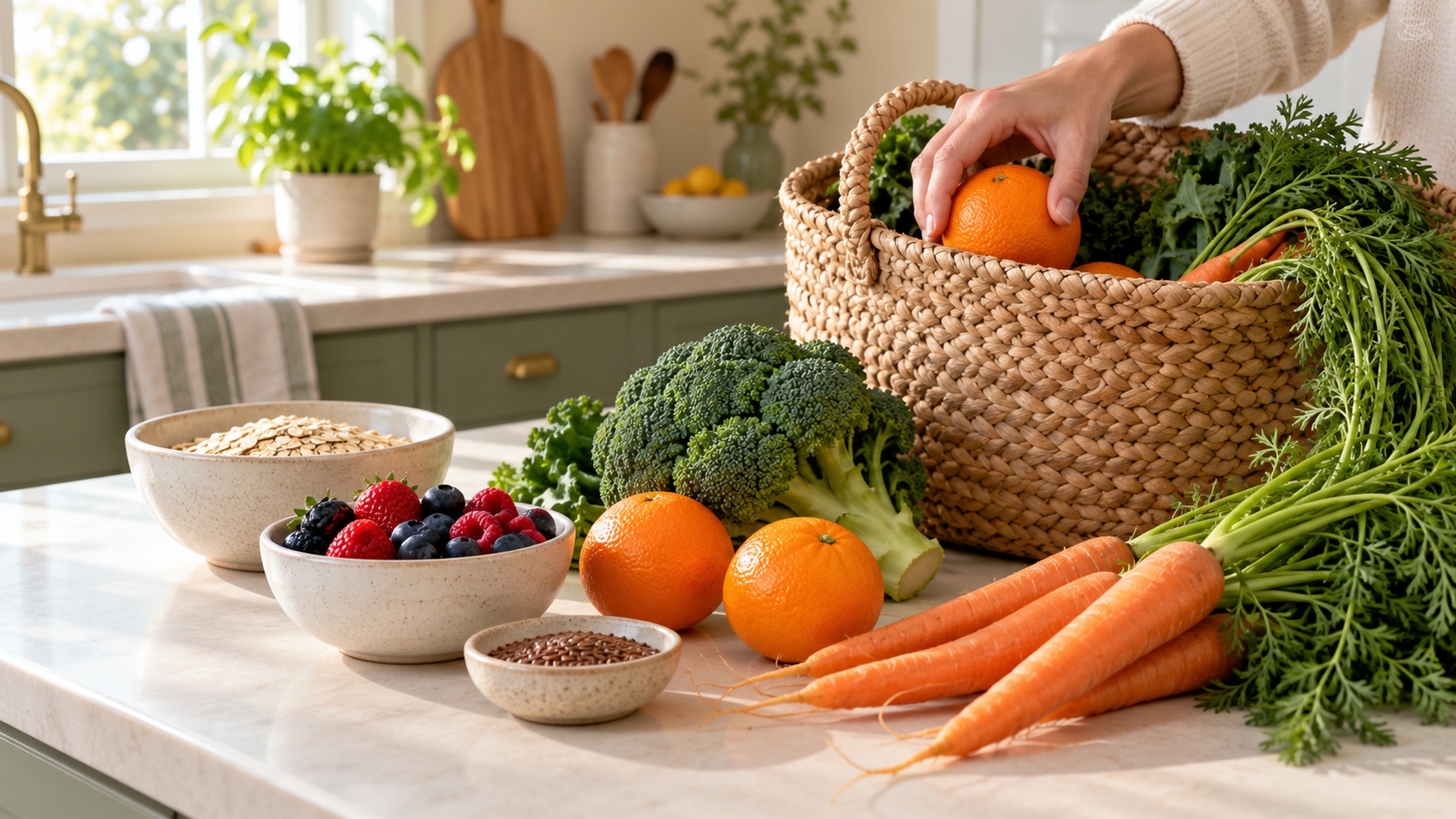
A beginner’s basket could contain carrots, a citrus fruit, broccoli or cabbage, berries, and a whole grain. Add pulses and other foods needed for complete meals rather than treating the basket as a standalone diet. These choices introduce several plant-food groups without requiring every item to be bought every week. Rotate them with comparable familiar foods according to price, season, and preference.
Consider format as well as variety. Frozen berries may fit breakfast more reliably than a fragile fresh purchase, while cabbage may be easier to use across several dinners than a vegetable that suits only one recipe. Read full product labels when buying prepared forms, particularly sauces, sweetened drinks, or mixtures. A prominent plant ingredient does not describe the entire product.
Plan enough uses for perishable foods to avoid an aspirational basket that ends in waste. A bag of carrots can support a side dish and soup; broccoli can accompany two meals; fruit can fit breakfasts and snacks. The plan should suit the way you eat. A household that cooks one large pot every few days will organize ingredients differently from someone assembling separate lunches. Choose formats and quantities that work with that pattern. Consistency matters more than making the basket resemble an idealized photograph. Diversity becomes useful when the food moves from shopping bag to plate.
Turn the Basket Into Different Meals
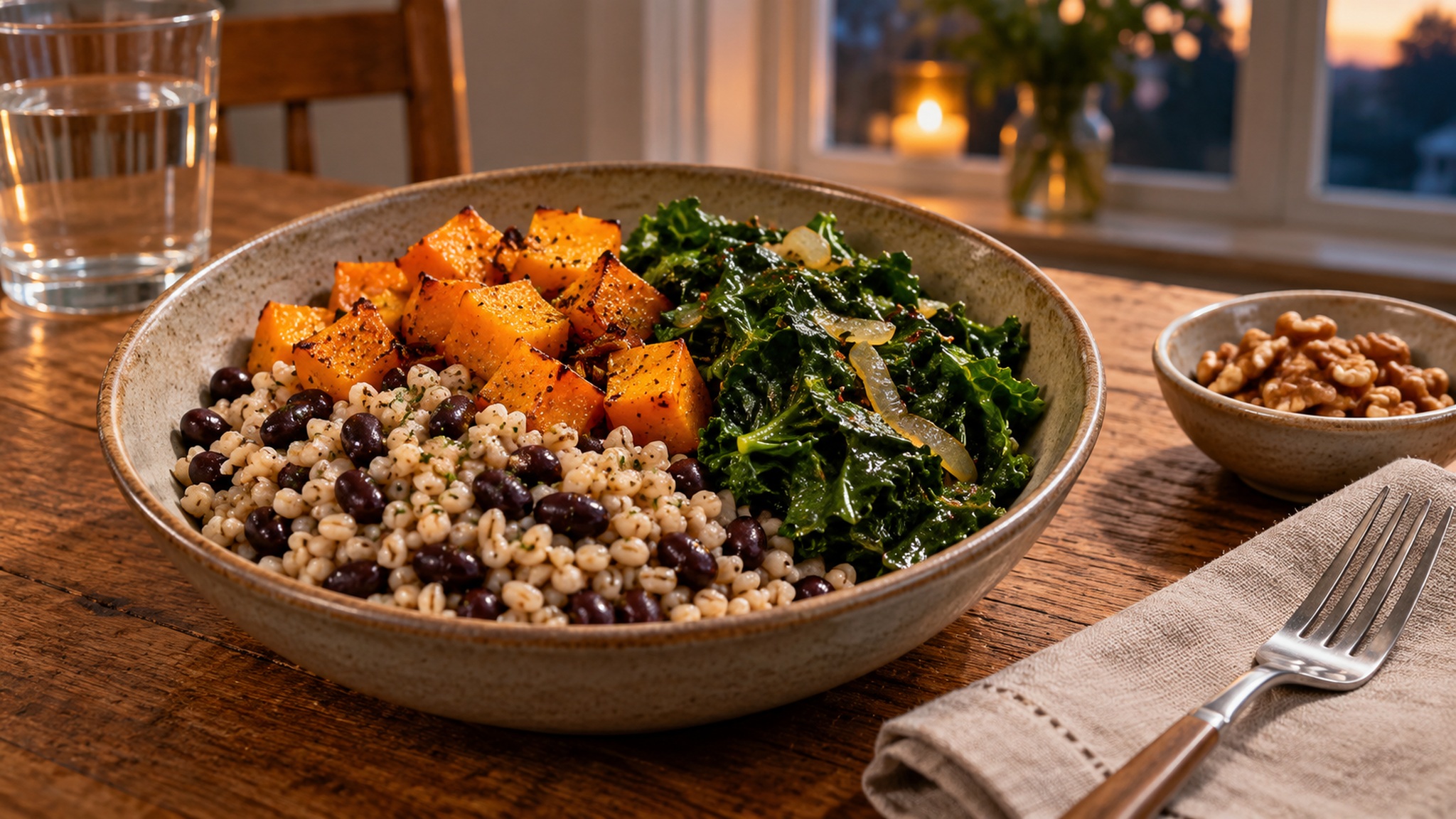
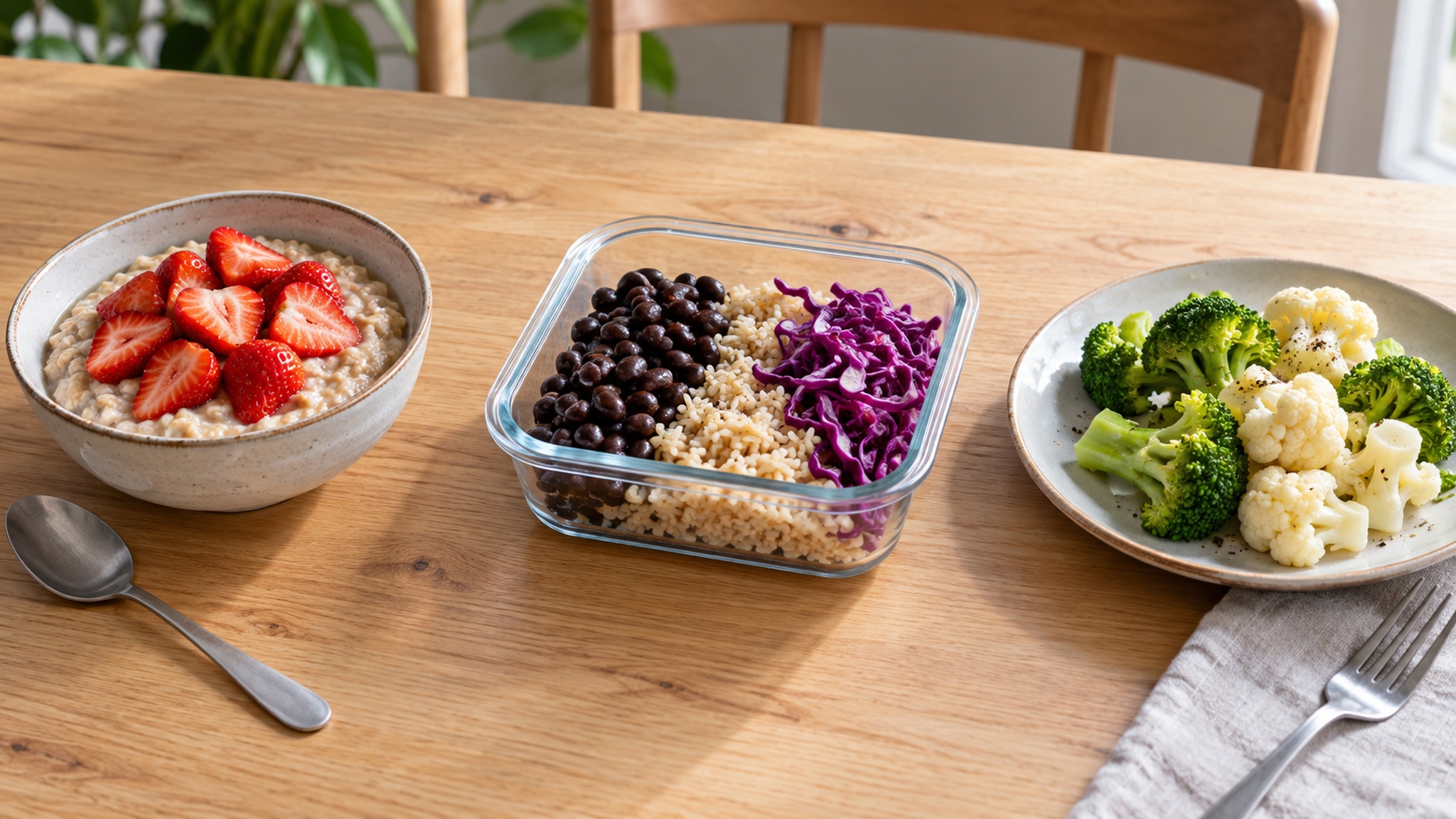
For breakfast, oats with berries can provide a familiar starting point, with ground flaxseed if it suits your preference and dietary needs. Lunch might use cabbage with beans and a grain, while dinner includes a cooked vegetable side. These are menu examples rather than prescriptions or compound targets. Adjust the portions and other ingredients to your overall needs. For example, breakfast may need an appropriate protein source alongside the grain and fruit, and dinner needs enough substance beyond a vegetable side. The plant-compound discussion does not answer those questions by itself. Build the whole meal first, then use the family names to understand some of its ingredients.
Preparation should follow the food rather than a rigid rule that everything must be raw. Some foods are enjoyable uncooked, while others fit better in a soup, sauce, or roasted dish. Effects on chemical content and availability depend on the constituent and method, so broad claims about one universally superior preparation are unreliable. A mix of appropriate methods can keep meals varied and practical.
A Label Is Not a Replacement for the Original Food
A powder, extract, or supplement named after a plant compound is a different product from a portion of the original food. Its dose, formulation, and safety may differ, and it may not include the food’s other components. Research on an isolated product does not automatically describe a meal, and food-pattern evidence does not automatically validate the product. If considering a concentrated preparation for a health purpose, assess the actual evidence and discuss it with a qualified professional. Do not let an appealing image of berries or vegetables answer that separate decision for you.
Keep the Learning Process Manageable
Begin with four connections: orange vegetables and selected carotenoids, berries and certain flavonoids, cruciferous vegetables and glucosinolates, and flaxseed with lignans. These are memory aids with scientific qualifications, not complete chemical inventories. Once the names become familiar, you can read a claim more critically and identify what it is actually discussing. There is no need to memorize every subgroup before preparing a nourishing meal.
Next, choose one useful addition to your existing menu. That might be a vegetable you can cook confidently, a fruit that fits breakfast, or a whole grain you enjoy. Repetition makes the choice practical, and later changes can broaden the selection. The purpose of learning is to improve understanding and food decisions, not to create a burdensome daily compliance test.
A useful shopping exercise is to name the meals first and the chemical families second. If the planned dishes already contain a mix of vegetables, fruit, grains, and pulses, you have a workable foundation. Look for one enjoyable addition rather than replacing the whole menu. This keeps learning tied to food you will eat and avoids turning a beginner’s guide into an expensive overhaul.
Phytonutrients bring an interesting layer to the story of plant foods, but they do not replace the basics of a complete diet. Enjoy familiar sources, vary them as circumstances allow, and keep benefit claims specific to their evidence. That combination gives you a sound beginner’s approach: useful names, recognizable foods, and an honest understanding of what science has and has not established.