Plant Chemistry Is More Than a Colorful Food Label
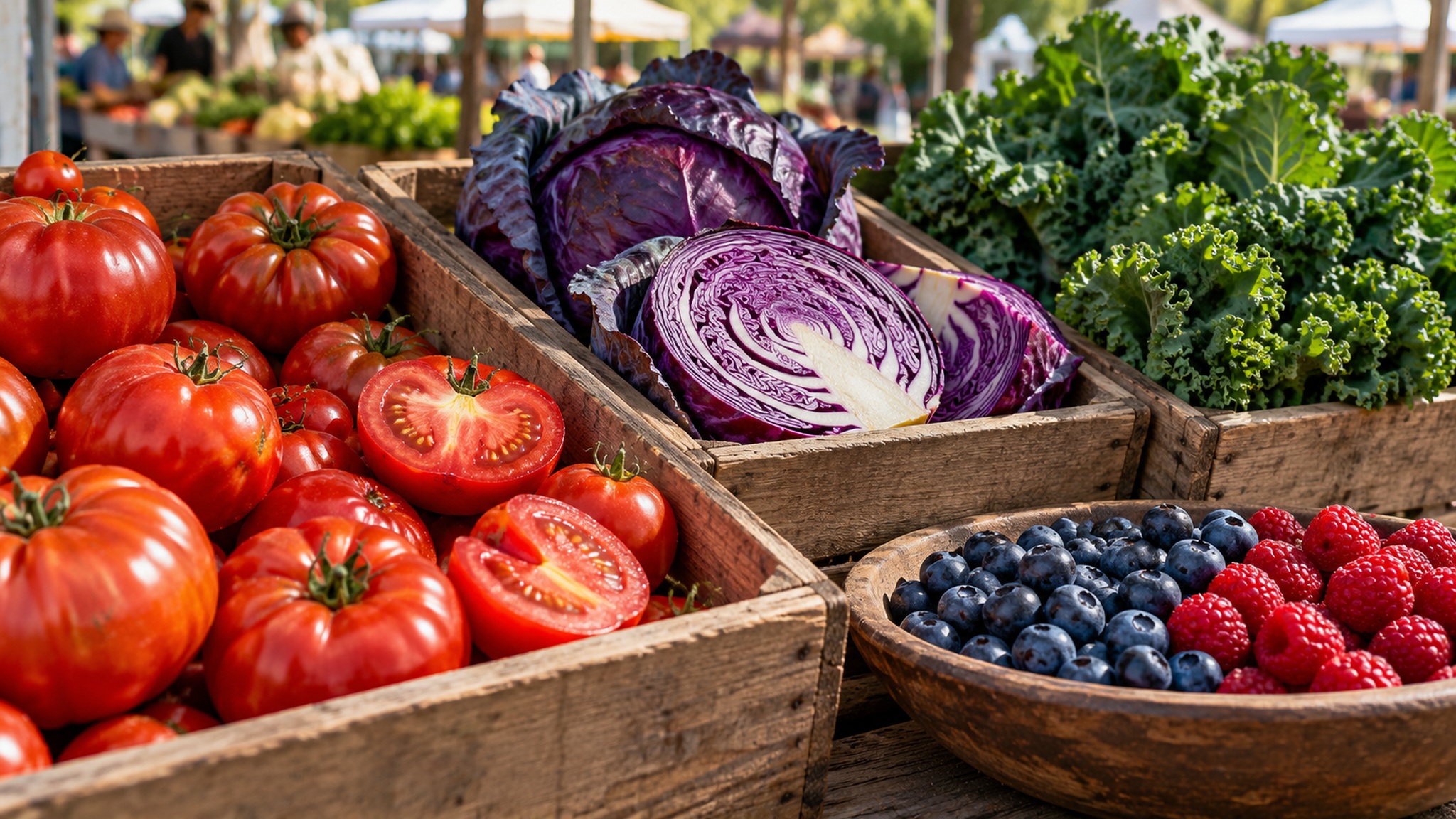
A ripe tomato brings color, aroma, texture, and a collection of chemical constituents to the table. Some of those constituents are commonly discussed as phytonutrients: plant compounds that attract attention for their possible roles in human health. The term can sound like a promise that each colorful ingredient delivers a predictable protective effect, but the science is more complex. A compound’s presence in a food is only the beginning of a story involving preparation, digestion, metabolism, and evidence from people. Understanding that story helps you appreciate plant foods without turning their chemistry into an exaggerated treatment claim. This guide follows the path from the plant to the plate and then to the research question, explaining what the evidence can support, where uncertainty remains, and why a varied eating pattern is usually a more useful goal than chasing one isolated molecule.
A: No. It is a broad term, not a single essential nutrient with one universal intake target.
A: The food contains water, fiber, nutrients, and numerous other constituents in a food matrix.
A: Yes. Digestion and metabolism can transform compounds and alter the exposure.
A: Appearance cannot provide a complete inventory, so pale foods should not be dismissed.
A: No. The food, constituent, and preparation determine the relevant comparison.
A: A mechanism suggests a pathway; appropriate human evidence must establish the health outcome.
A: Yes. Variety of colors does not guarantee adequate protein, energy, or established nutrients.
A: Food and extract are different interventions, with different composition and safety questions.
A: Foods contain multiple components, and people with different eating patterns may differ in other relevant ways.
A: No. Familiar affordable choices can support a varied, repeatable food pattern.
Define the Term Without Giving It Extra Authority
Phyto refers to plants, and phytonutrients is a broad term used in food and health discussions about plant constituents. Phytochemicals is another common name. The category is not a single nutrient with one agreed daily intake, and the word does not guarantee a benefit. Its usefulness is descriptive: it draws attention to the chemical diversity present in foods beyond the familiar discussion of protein, carbohydrate, fat, vitamins, and minerals.
The Nutrition.gov phytonutrient resources connect readers with food-composition information and scientific discussions about antioxidants. Those are starting points for learning, not evidence that every constituent shares the same action. When reading a claim, ask for the particular compound and food instead of accepting phytonutrients as though it named one uniform ingredient.
Boundaries between everyday terminology can also be imperfect. Some plant pigments have relationships to recognized nutrients, while many compounds discussed in this category are not essential nutrients with established deficiency diseases. Avoid assuming that a lack of a particular fashionable compound creates a diagnosis. Clinical nutrient concerns require their own assessment.
Compound Families Organize a Very Large Subject
Carotenoids, flavonoids, and glucosinolates are examples of families that appear frequently in plant-food discussions. These names help organize chemistry, but members within a family can differ. A shared category does not make every compound interchangeable in its food sources, metabolism, or studied effects. Learning a few family names is useful mainly because it makes a scientific claim more specific.
A plant food also contains many constituents at once. A tomato is not simply a container for lycopene, and a berry is not merely an anthocyanin delivery device. Water, fiber, nutrients, and other compounds contribute to the food’s composition. Focusing on one recognizable name can make a complicated food seem easier to understand while leaving much of its nutritional context out of view.
The Plant’s Role Is Not the Same as the Human Health Claim
Plants make compounds in the course of their growth, reproduction, and interactions with their environment. Some contribute to visible color or characteristic flavor, while others are discussed in relation to the plant’s defenses. Those roles can explain why researchers become interested in a constituent, but they do not determine its effect in a person. The question changes when a plant compound is eaten: what amount is present, what happens during digestion, and does the resulting exposure influence a meaningful human outcome? An appealing story about what a molecule does for a plant cannot answer those questions by itself.
Follow the Route From Food to Exposure
The amount listed in a food analysis is not necessarily the amount that reaches a target tissue unchanged. A compound may be released from the food, transformed during digestion, absorbed to varying degrees, or converted into other substances. Exposure depends on this sequence rather than merely on how impressive the original ingredient looked in a chart. That is why food content and biological availability are related but distinct concepts.
Flavonoids illustrate the distinction. The Linus Pauling Institute’s flavonoid overview describes extensive metabolism during and after absorption, with metabolites that may differ from the original compounds in their activity. Chemical structure and the surrounding food can influence that path. A laboratory experiment using the unchanged parent compound therefore may not reproduce the exposure occurring after someone eats an ordinary meal.
This does not make plant compounds irrelevant. It identifies the research needed to connect food chemistry with human health. Scientists must consider dose, metabolites, and the tissues involved, alongside the outcome of interest. The questions form a chain: what entered the meal, what entered the body, and what was eventually measured? A strong explanation keeps those steps connected. If it jumps directly from a food analysis to a medical promise, an important part of the evidence is missing. Readers can reflect that complexity simply by avoiding a leap from contains a compound to produces a guaranteed benefit.
This distinction also helps when comparing two foods that contain the same constituent. Their analytical amounts may differ, but that fact alone does not settle a clinical comparison. A meaningful evaluation would need to consider the eaten portions, exposure, and outcome of interest. Chemistry can frame the question clearly without being asked to provide an answer beyond what was measured.
Why Antioxidant Is an Incomplete Explanation
Antioxidant language often dominates discussions of phytonutrients, yet it can hide important distinctions. A substance may behave one way in a chemical test and another way after digestion and metabolism. The body also has its own systems for regulating oxidative processes. Describing a food with a high laboratory antioxidant score does not establish how eating it changes a person’s disease risk.
The NCCIH antioxidant guidance explains that antioxidant functions are complex and that larger supplemental amounts are not automatically beneficial. Different antioxidants are not interchangeable. This is a useful correction to the idea that more of anything described as antioxidant must always be better. Keep the measurement, preparation, and intended outcome attached to the claim.
Laboratory Work Explores Mechanisms
Cell and animal experiments can suggest pathways worth investigating. They help researchers ask whether a compound affects a biological process under controlled conditions and can guide the design of later work. Their value does not depend on treating them as ready-made dietary advice. Concentrations, exposure methods, and experimental models can differ substantially from what occurs when a person eats food. A mechanistic result should therefore be described as evidence about a possible pathway rather than as proof that a serving prevents or treats a disease.
Human Studies Add Context and New Limitations
Observational studies can compare eating patterns with later health outcomes, but people who eat different foods often differ in other ways too. Researchers attempt to account for relevant differences, yet an association does not automatically identify one plant compound as the cause. The food may supply other useful components, and the wider eating pattern may matter. This is especially important when a headline credits a single molecule for findings about an entire food group.
Intervention trials answer more focused questions by assigning a food, product, or dietary change and comparing outcomes. The interpretation still depends on the design. A trial of an extract does not automatically describe the original food, and a trial in a particular clinical population does not settle the question for all readers. The result belongs to the tested intervention and comparison.
Look for consistency across suitable research rather than one dramatic report. Study quality, effect size, duration, and replication influence confidence. A modest but well-established food-pattern conclusion can be more useful than a sensational molecular claim supported by a single preliminary experiment. Scientific interest and settled dietary guidance occupy different places along the evidence pathway.
Cooking Changes the Question Instead of Settling It
Preparation can alter food structure and chemical composition, which is why raw and cooked forms should not be treated as identical analytical samples. Effects can vary by compound and cooking method. A statement that cooking always destroys phytonutrients is too broad, just as a claim that heating always improves their value is too broad. The specific food, preparation, and constituent need to be named.
For everyday meals, consider enjoyment, food safety, and practical preparation alongside chemistry. A vegetable that is pleasant and appropriately prepared can become part of a reliable routine. A theoretically optimized method that makes it unappealing may not be useful if the food is rarely eaten. Avoid turning uncertainty about one constituent into a requirement to eat all produce in one form.
Color Provides a Shopping Clue, Not a Chemical Inventory
Different colors can encourage variety, but appearance does not reveal every compound in a food. Some important constituents are not represented by a vivid pigment, and similar colors can occur in chemically different foods. White onions, pale cauliflower, oats, and beans should not be dismissed because they do not complete a bright rainbow. Color is a memorable planning aid, not a laboratory analysis.
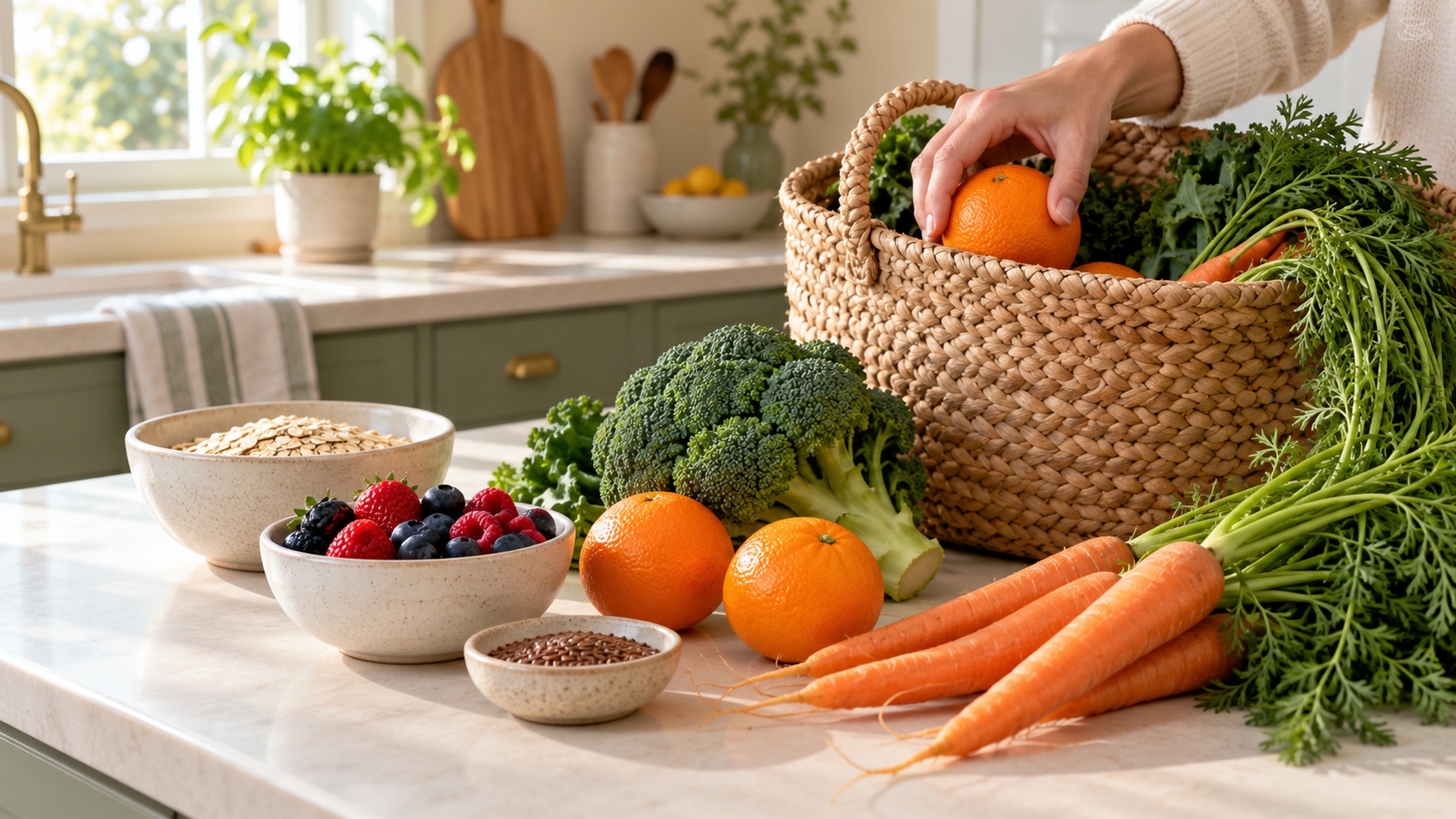
Use that aid flexibly across the week. A dark leafy vegetable, an orange vegetable, berries, and a pale pulse can contribute to a varied menu without needing to appear together at every meal. Choose foods that suit your budget, availability, and eating preferences. A manageable rotation encourages diversity more effectively than a complicated daily checklist that becomes burdensome.
Variety also needs room for the rest of nutrition. Plant-food diversity does not remove the need to consider protein sources, energy needs, established nutrient requirements, or any dietary restrictions. A colorful plate can still be unbalanced for a particular person. Keep the phytonutrient conversation within the larger task of building meals that meet your needs.
Concentrated Products Require a Separate Decision
An extract marketed with pictures of fruit or vegetables is not equivalent to eating those foods. It may provide a different dose, formulation, and combination of constituents while omitting the original food’s fiber and other components. Evidence and safety need to follow the specific product. Before using a concentrated antioxidant or plant-compound supplement for a health purpose, discuss it with a qualified clinician or pharmacist, especially alongside medicines or cancer treatment. Familiar food imagery should not substitute for information about the intervention actually being considered.
Build Meals Around Foods Rather Than Molecule Targets
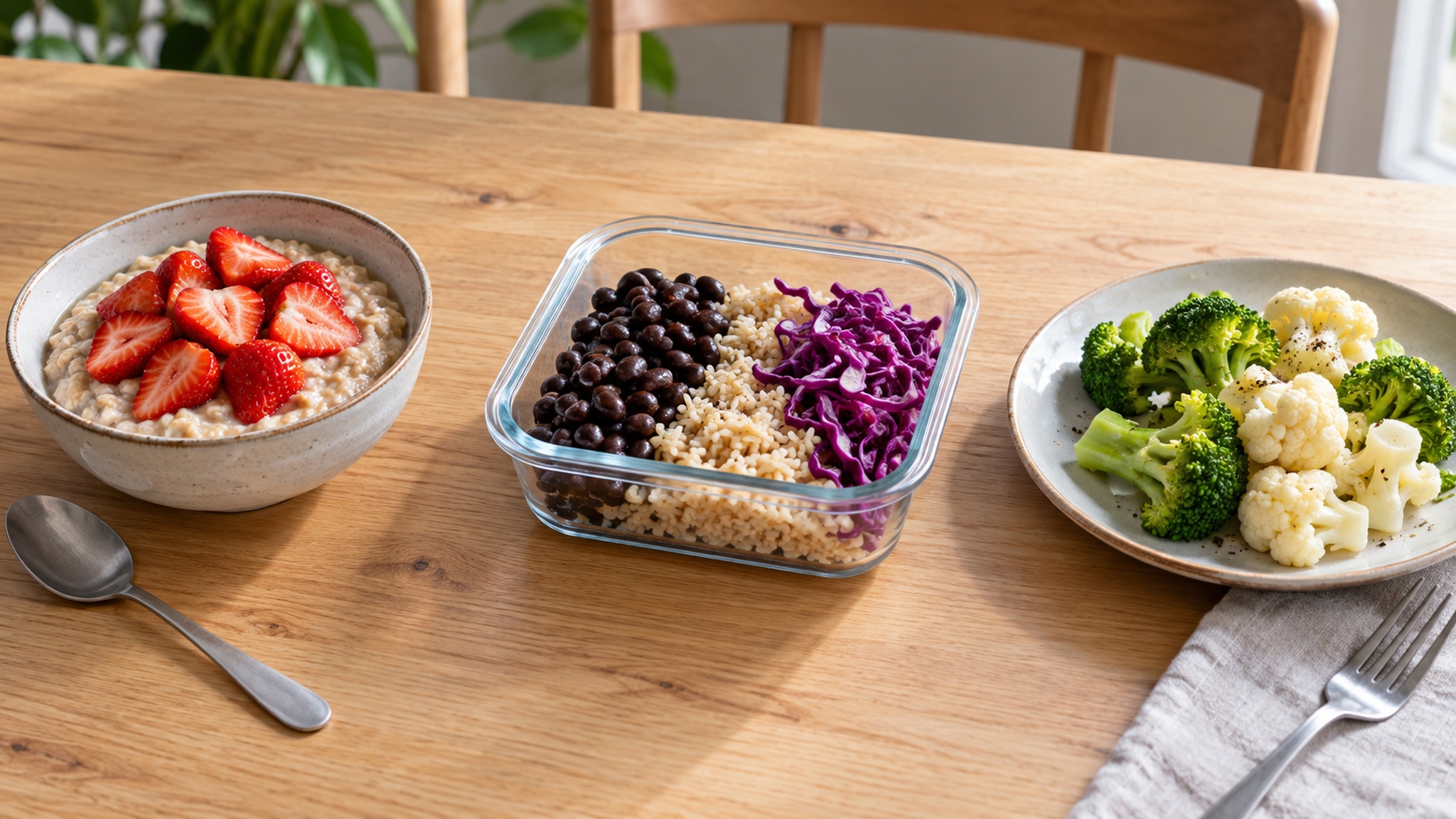
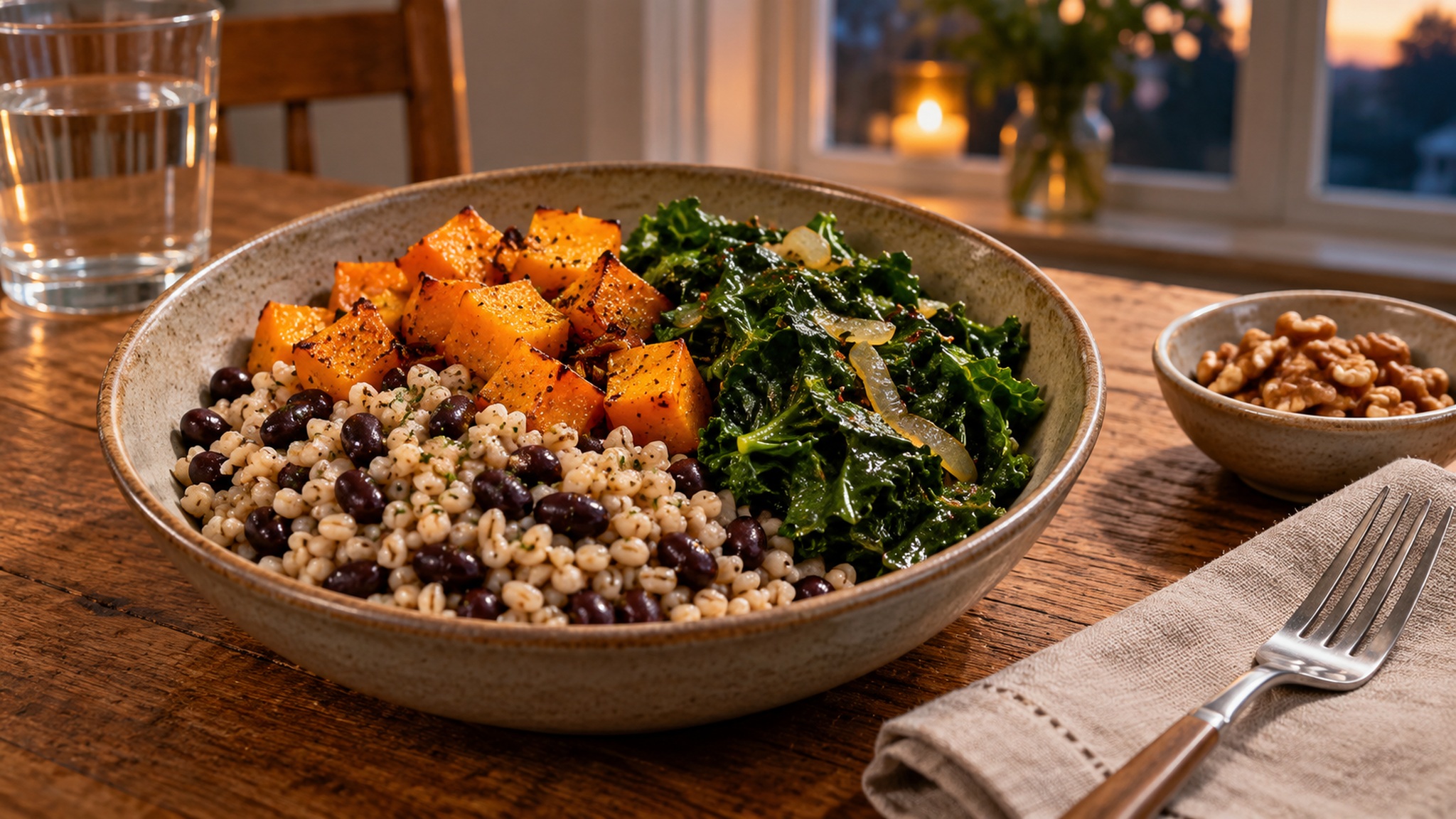
A practical lunch might combine beans, chopped vegetables, a whole grain, and a flavorful dressing. You do not need to calculate a separate target for every plant compound to make that meal varied and enjoyable. Change ingredients over time as availability and preference allow. The meal’s overall composition is a more useful starting point than deciding which isolated chemical should lead the plate.
Budget-friendly variety can include frozen vegetables, canned pulses, and seasonal fruit, with attention to the products’ full labels and preparation. Familiar foods can contribute just as meaningfully to the routine as expensive ingredients sold with special wellness language. The goal is a food pattern you can maintain, not a collection of rare produce chosen to satisfy a chemical leaderboard. Review what your current meals already contain before making purchases. You may find more plant-food diversity than expected, along with one or two gaps that are easy to address. This inventory turns an abstract interest in chemistry into a concrete menu decision while keeping cost and waste in view.
Phytonutrient science offers a richer appreciation of plant foods while also teaching restraint about health claims. Identify the constituent, follow its journey through the body, and check what the human evidence actually measured. Then translate that knowledge into reasonable food choices. You can value the diversity of plants without expecting any single molecule to carry the responsibilities of an entire diet or medical treatment.