Small Amounts of Seasoning Can Change the Whole Meal
The aroma of cumin warming in a pan or fresh basil torn over tomatoes can change how an ordinary meal feels before the first bite. Herbs and spices give cooks a wide vocabulary of flavor, and that is an important part of their value in healthy eating. They can make beans, vegetables, grains, and other everyday foods more appealing without requiring an elaborate recipe. Their plant compounds have also attracted scientific interest, but health headlines often move too quickly from a laboratory finding or supplement study to a promise about dinner. This guide separates practical culinary benefits from uncertain medical claims. It explains how to read research, where common seasonings fit, and when concentrated products need caution. You can enjoy a well-seasoned meal without expecting a pinch of powder to act like a prescription.
A: No. Formulation, concentration, dose, and intended use can differ substantially.
A: Yes. Its practical contribution may be flavor that helps you repeat the meal.
A: No. That trial found no between-diet effect on its primary LDL-cholesterol outcome.
A: No. Cinnamon does not erase the recipe's composition or replace diabetes care.
A: No. Color is not evidence of clinical benefit or supplement safety.
A: No. Findings about specific capsules cannot automatically be applied to tea.
A: They need a realistic use plan and appropriate storage before they deteriorate.
A: No. FDA produce guidance recommends running water rather than soap or household detergent.
A: Change one or two ingredients in a familiar recipe and judge the result gradually.
A: When it leads toward concentrated products, symptom treatment, or use alongside medicines.
Herbs, Spices, and Extracts Are Different Ingredients
In ordinary cooking language, herbs often refer to leaves, while spices commonly come from seeds, roots, bark, fruit, or other plant parts. Parsley, basil, and thyme bring different sensory qualities from cumin seeds, ginger root, and cinnamon bark. These categories are useful for cooking but do not divide ingredients into separate levels of health value. Each ingredient has its own composition, customary amount, and role in a dish.
Concentrated extracts and supplements belong in a different discussion. A capsule may contain a standardized preparation or a dose that bears little resemblance to what you sprinkle into dinner. Processing can also change the compounds present and how the product is used. Evidence about that preparation cannot automatically be applied to the culinary ingredient, and the safety of customary food use does not guarantee the safety of much larger supplemental amounts.
The reverse mistake also occurs: because a supplement can have interactions or adverse effects, readers may become frightened of ordinary seasoning. The useful response is to identify the specific product, dose, and context. Keep cooking amounts and concentrated use separate when comparing benefits or risks. A recipe, an herbal tea, an essential oil, and a medicinal extract should not be treated as interchangeable simply because their names refer to the same plant.
Flavor Is a Practical Benefit Worth Taking Seriously
Food that tastes good is easier to include regularly. Herbs and spices can give a bowl of lentils a distinct identity, make roasted vegetables interesting, or help a simple yogurt sauce feel complete. That offers a plausible practical route to better eating habits, even without a claim that the seasoning independently lowers disease risk. The benefit belongs partly to the meal it helps you enjoy.
Seasoning can also provide alternatives when a dish relies heavily on salty sauces or rich toppings for interest. Try adding acidity, herbs, and spices together rather than expecting one powder to replace every sensory function of salt. The result should still be satisfying. A less salty dish that nobody wants to eat is unlikely to become a lasting habit, while a flavorful version can give a household another dependable option.
What Human Research Can Actually Tell Us
A controlled-feeding trial in adults at elevated cardiometabolic risk compared different amounts of mixed herbs and spices over four-week periods. The higher amount produced modest differences in some ambulatory blood-pressure comparisons, but there was no between-diet effect on LDL cholesterol, the primary outcome. The result is interesting without proving that every individual seasoning lowers blood pressure. Culinary herbs-and-spices trial. Keep the dose, study population, mixture, and measured outcome together when interpreting the finding; a headline that drops those details creates more certainty than the trial provides.
Turmeric: A Culinary Ingredient With an Often-Overstated Reputation
Turmeric adds color and an earthy character to foods such as lentils, rice, vegetables, and some soups. Curcumin, one of its constituents, has attracted substantial research interest. Yet studies of specific preparations, often designed to alter absorption, are not equivalent to using a little turmeric in a recipe. A bright color or a laboratory mechanism does not establish a reliable treatment effect from dinner.
NCCIH describes limitations in the evidence for turmeric and curcumin and notes safety concerns, including reported liver injury with some highly bioavailable products. The details matter when someone considers a supplement, particularly alongside medicines or existing health conditions. NCCIH turmeric guidance. For ordinary cooking, use the ingredient because it suits the dish rather than trying to turn each meal into an unmeasured medicinal dose.
A balanced flavor is more useful than a large quantity added for its reputation. Turmeric can sit alongside cumin, coriander, garlic, or other ingredients depending on the cuisine and recipe. Start with a familiar preparation so you can judge its earthy note without changing everything else. If you dislike the result, another seasoning combination can serve the same practical goal of making nutritious foods enjoyable.
Ginger: Distinguish Kitchen Warmth From Therapeutic Use
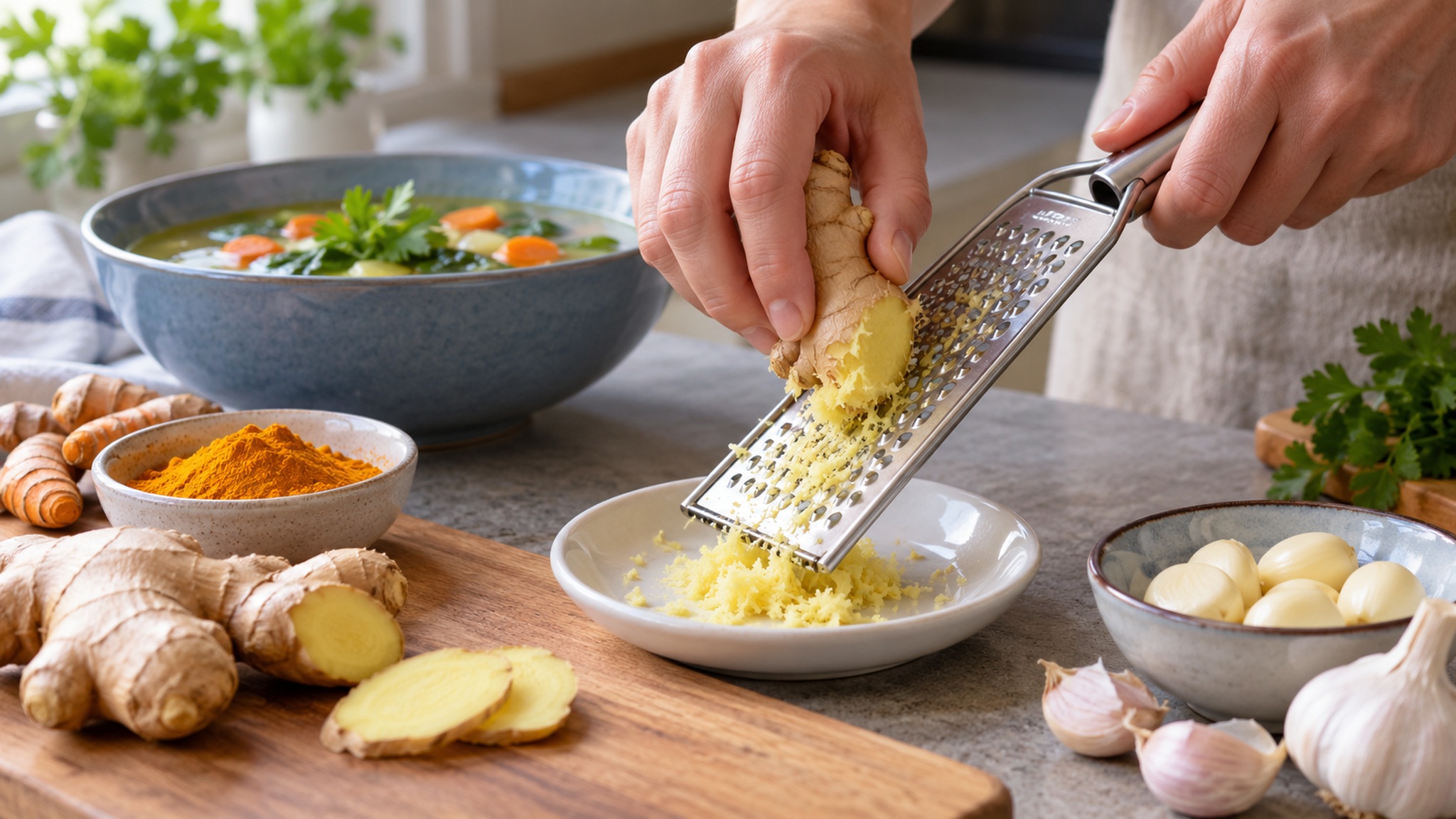
Fresh ginger brings a sharp, warming character to stir-fries, soups, marinades, and many other foods. Dried ginger has a different flavor and should be used according to the recipe rather than substituted without thought. In everyday cooking, the immediate question is how much suits the dish and whether the people eating it tolerate that intensity. The ingredient does not need a medical promise to justify its place.
Research on ginger includes nausea and other symptoms, but results depend on the indication and preparation. NCCIH notes that the quality of studies varies and that ginger can cause effects such as heartburn or abdominal discomfort; herbal products may also interact with medicines. NCCIH ginger overview. If symptoms are persistent or significant, investigate their cause instead of repeatedly escalating ginger intake as a home remedy.
Cinnamon Is Flavor, Not a Diabetes Treatment
Cinnamon can make oatmeal, fruit, yogurt, and baked dishes more aromatic, but its reputation around blood sugar often exceeds the certainty of the evidence. NCCIH reports that research does not clearly establish cinnamon as a treatment for diabetes, and product differences matter, including coumarin in some cassia products. NCCIH cinnamon guidance. A sprinkle in breakfast can be an enjoyable culinary choice while concentrated or frequent large-dose use deserves a separate safety discussion. Do not replace prescribed diabetes care with cinnamon or infer that adding it neutralizes the rest of a sweetened recipe.
Garlic and Mint Illustrate the Importance of Product Form
Garlic is useful in cooked vegetables, sauces, beans, and countless culturally specific dishes. Research on garlic supplements has explored blood lipids and other outcomes, but those preparations should not be confused with a clove in dinner. NCCIH notes potential bleeding risk from garlic supplements, especially relevant around surgery or with medicines affecting bleeding. NCCIH garlic information. Tell your care team about concentrated products rather than assuming a familiar food name makes them irrelevant to treatment.
Mint provides another clear example. Fresh leaves can flavor a sauce, salad, or drink, while enteric-coated peppermint-oil capsules have been studied for irritable bowel syndrome. NCCIH describes evidence for particular formulations and notes possible reflux or indigestion effects. That does not establish that every mint tea or leaf garnish treats the condition. NCCIH peppermint-oil overview. Product form is part of the evidence, not a detail that can be omitted for convenience.
These examples offer a general reading skill. When you see an appealing benefit, look for the preparation, the amount, the population, and the measured outcome. If the article cannot identify those details, keep expectations modest. You can still enjoy garlic and mint in food while declining to treat a broad botanical claim as proof of a medical effect.
Build Flavor Combinations Around Foods You Already Eat
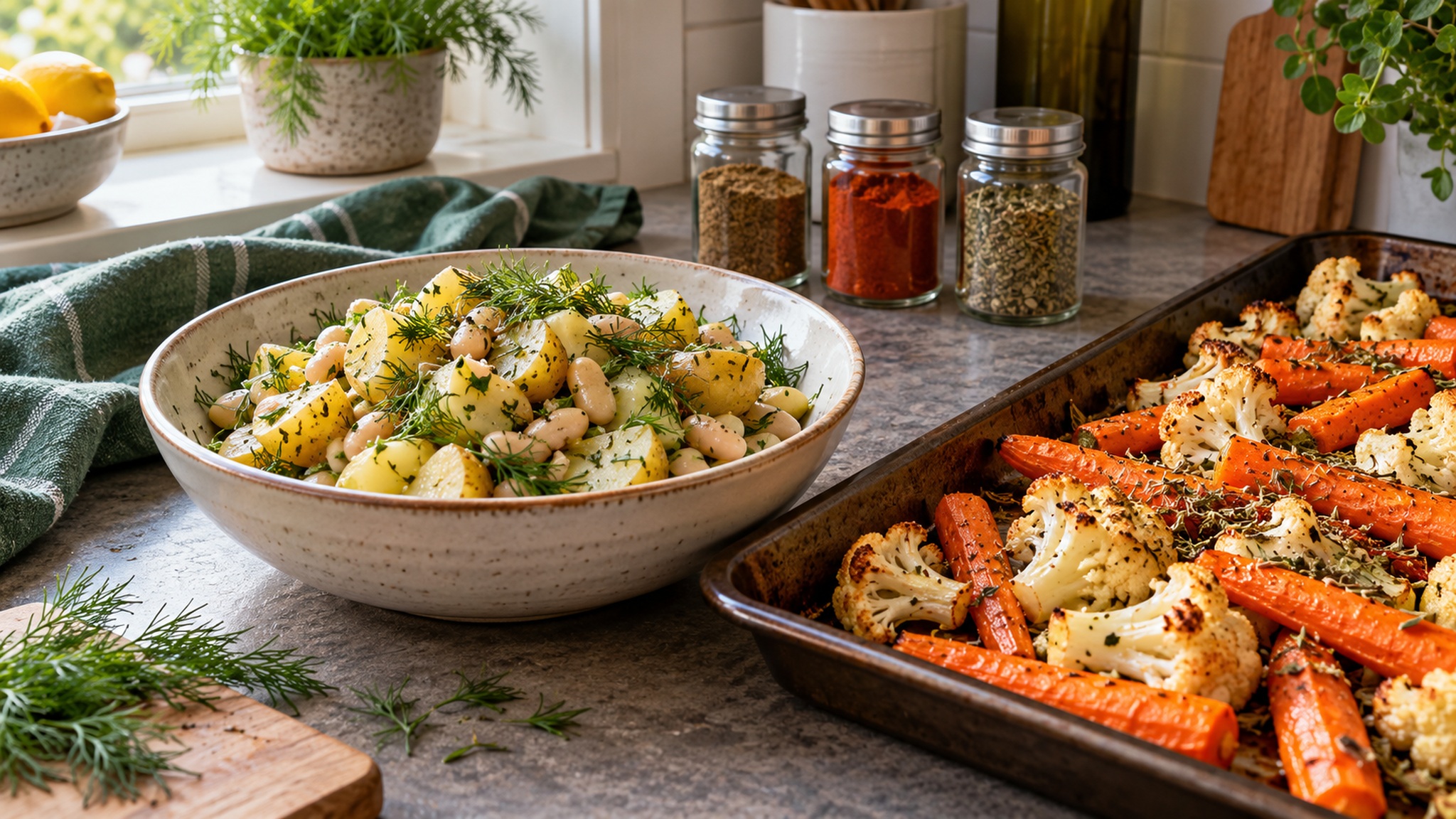
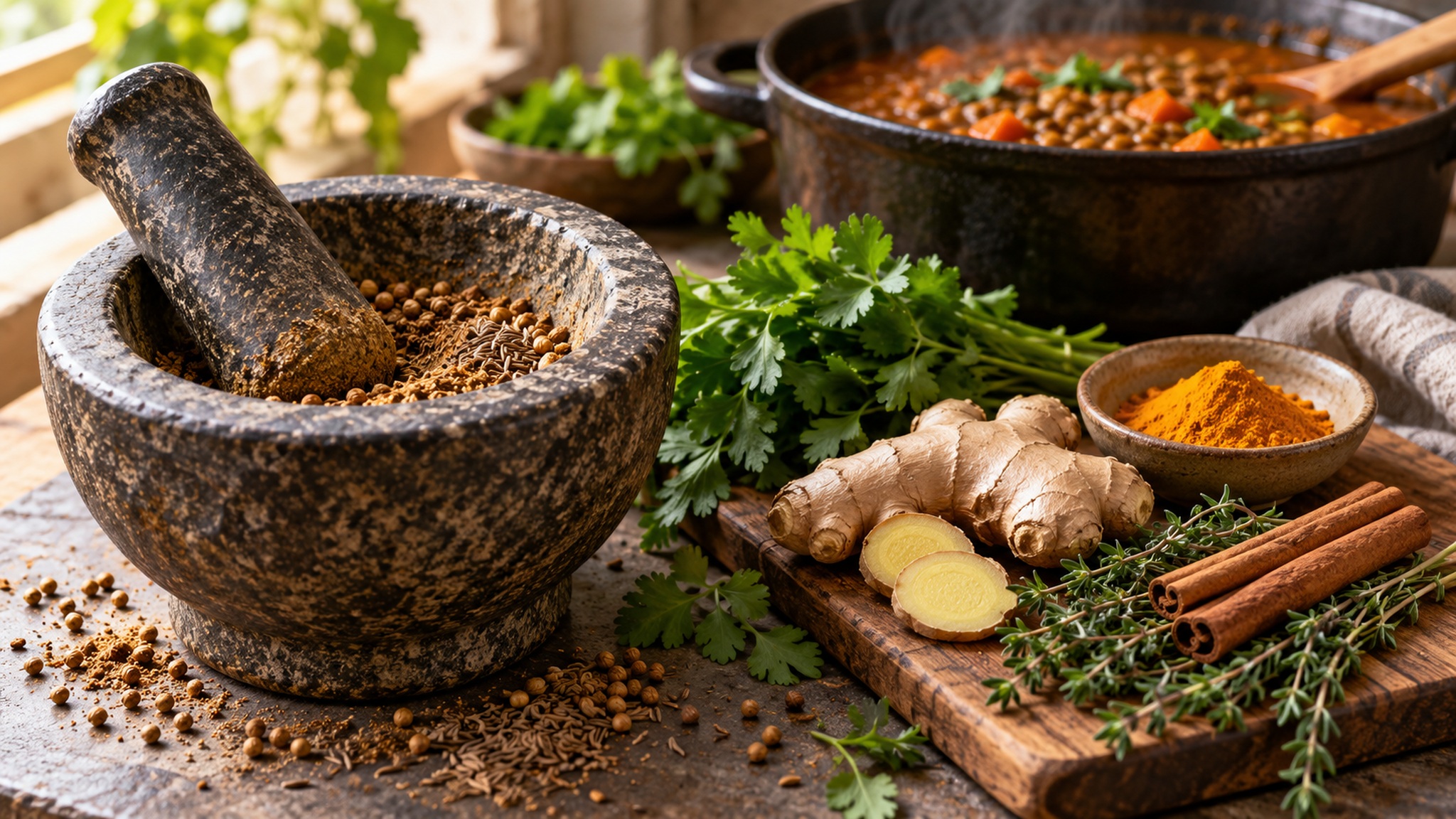
Choose a familiar base food first, then give it a seasoning direction. Beans might take cumin and coriander in one meal or parsley and lemon in another. Roasted carrots can work with warm spices, while a yogurt sauce may suit dill, mint, or chives. These are starting points for culinary experimentation rather than universal formulas. Personal taste and cultural food traditions should shape the final combination.
A helpful beginner strategy is to change one or two seasonings at a time. If you add several unfamiliar powders at once, it becomes difficult to understand which flavor you like or dislike. Taste during preparation when it is safe to do so, and remember that a seasoning can seem stronger before it is distributed through the whole dish. Learning gradually builds confidence without requiring a large collection of rarely used jars.
Fresh and Dried Seasonings Solve Different Problems
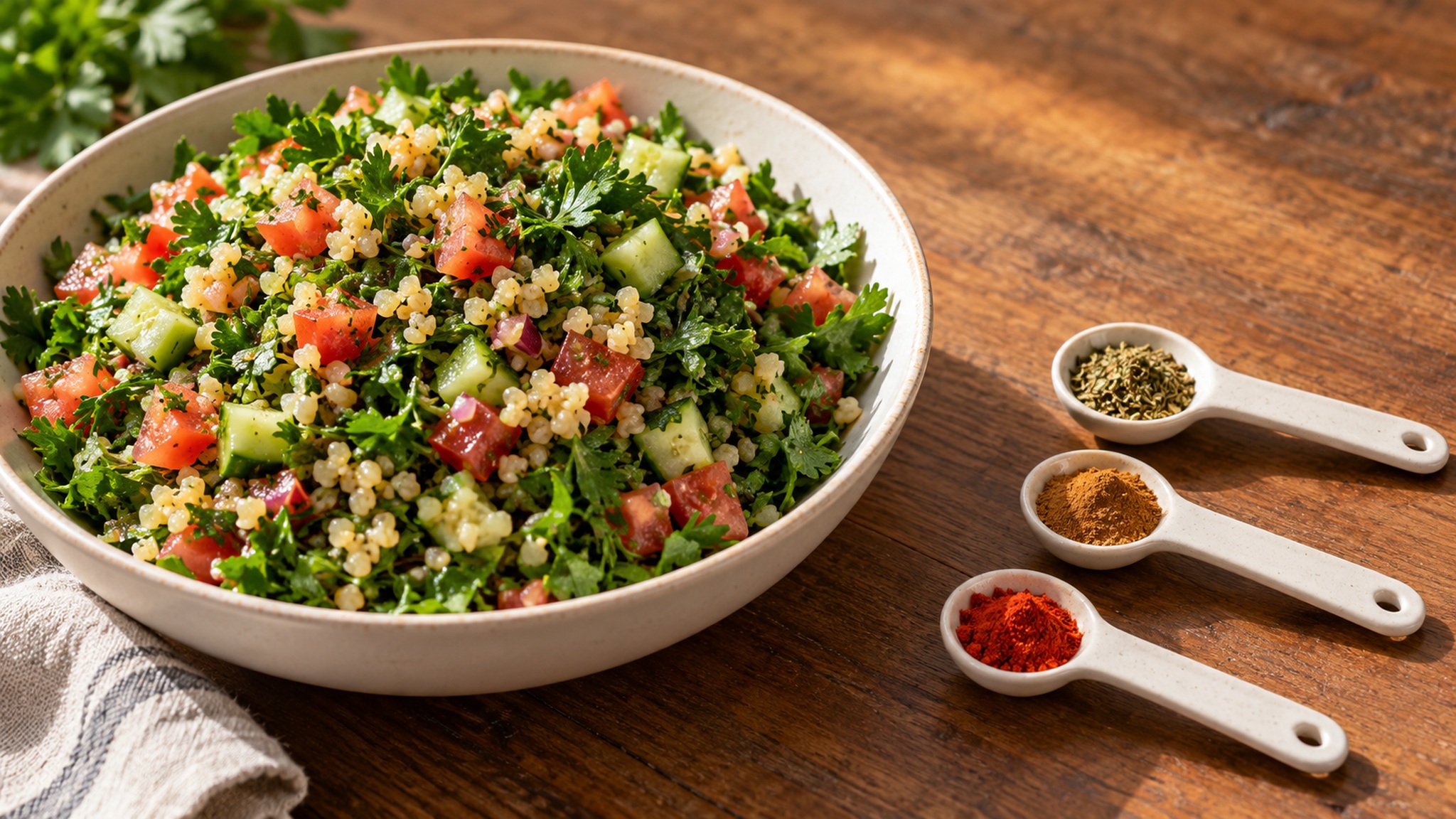
Fresh herbs can give a meal a bright character, while dried herbs and spices offer convenience and a longer pantry life. Neither format deserves a universal health ranking. Their usual amounts, water content, flavor concentration, and recipe role differ. A nutrient chart calculated per large standardized weight may say little about the contribution of the small quantity you actually eat.
Use dried ingredients when they help you cook reliably, and purchase fresh herbs when there is a realistic plan for them. A bunch that appears in several meals is more useful than one bought for a single garnish and then forgotten. Think about the next few dishes before shopping. This turns fresh herbs from an aspirational purchase into an ingredient with a clear role.
Store seasonings according to their form and product instructions. Keep dried jars closed and protected from moisture and repeated heat, and avoid shaking them directly into rising steam if that makes the contents damp. Buy smaller amounts of ingredients you use infrequently. Flavor deterioration can make a recipe disappointing even when you respond by adding more, so reassess old stock rather than treating every bland dish as a need for a stronger dose.
Handle Fresh Herbs Like Other Fresh Produce
Fresh herbs can carry microorganisms and deserve ordinary produce hygiene. FDA guidance recommends refrigerating perishable produce appropriately, washing it under running water, and keeping it separate from raw meat, poultry, and seafood. It does not recommend washing produce with soap or household detergent. FDA produce-safety guidance. Washing can reduce contamination but does not sterilize food, so vulnerable households may need additional care consistent with their medical team’s food-safety advice.
Use clean utensils and a clean preparation surface when chopping herbs that will be served uncooked. If a board has just held raw chicken, switching to herbs without proper cleaning creates a preventable problem. This is especially easy to overlook because a garnish seems like a small finishing step. The quantity is small, but the same handling principles apply. A well-seasoned meal should be prepared safely as well as taste good.
Keep the Habit Useful and the Claims Proportionate
Build a small collection around the food you genuinely cook. You might keep cumin for beans, cinnamon for breakfast, a dried herb for vegetables, and fresh parsley when several meals can use it. Another household may choose an entirely different set. What matters is that the ingredients make meals more appealing without turning shopping into a hunt for the most potent or fashionable plant product.
If you are considering a supplement or medicinal use, bring the product details to a qualified clinician or pharmacist, especially when taking medicines, preparing for surgery, or managing a condition. For the culinary routine, look for a quieter kind of progress: more confidence seasoning vegetables, a bean dish you enjoy, and fewer jars that sit unused. Herbs and spices can earn a valuable place at the table through flavor and variety while their health claims remain carefully tied to the evidence.
A useful next meal can be the whole experiment: choose a food already in the cupboard, add a seasoning you understand, and notice whether the result is worth repeating. There is no need to buy a comprehensive spice collection first or to chase a daily list of supposedly essential botanicals. A few reliable flavors can support considerable variety. As those combinations become familiar, new ingredients can be introduced from curiosity and enjoyment instead of pressure to obtain a particular health effect.