The Best Seasoning Is One That Improves Your Usual Meals
A bowl of beans can sit untouched while a salty takeaway feels irresistible, even when you intended to cook something nourishing. The missing ingredient may be confidence with flavor rather than another list of foods you should eat. Herbs and spices give you practical ways to make vegetables, pulses, and whole grains more inviting, and that everyday role deserves more attention than promises about a miraculous powder. Choosing the best options for overall health therefore starts with your kitchen: what you already cook, which flavors your household enjoys, and whether a seasoning helps you rely less on heavily salted sauces. This guide selects ingredients for those jobs rather than declaring a universal winner. You will find a manageable cupboard, combinations that work across meals, and ways to recognize when an appealing culinary ingredient is being sold with health claims its ordinary serving cannot support.
A: Start with three that fit meals you already prepare; oregano, cumin, and paprika are one possible combination.
A: Its value depends on flavor preference, planned uses, cost, and whether it will be used before deteriorating.
A: Choose according to the dish's desired flavor; smokiness is a culinary difference rather than a health ranking.
A: It may supply aroma, but the meal may also need acidity, texture, or a different savory base.
A: Buying more than you can realistically use can leave much of the purchase wasted.
A: Use a comfortable culinary amount that suits the dish, rather than chasing potency.
A: Season a small divided portion of a plain lunch or leftover before scaling the combination.
A: No. Read the beverage's composition and serving information separately from its ginger content.
A: Look for a more enjoyable repeatable meal and any intended reduction in a salty finishing ingredient.
A: No. Accessible ingredients that fit your familiar meals can serve the purpose well.
Choose a Job Before Choosing a Jar
Begin with a meal that regularly disappoints you. Perhaps steamed vegetables taste unfinished, brown rice seems monotonous, or lentils need something beyond their earthy base. Describing that problem gives you a more useful shopping list than buying ten products labeled antioxidant-rich. A smoky spice might suit the lentils, a fresh leafy herb might lift the vegetables, and a warm aromatic combination could make rice feel like part of a deliberate dinner.
Think of herbs and spices as tools with different strengths. Leafy herbs can add freshness, dried seeds can provide warmth, and pungent roots can give a sauce a sharper edge. None must perform every task. A small collection that supports the food you actually eat can be more useful than a crowded rack whose contents rarely leave their containers.
The health-related benefit of that approach is practical: seasoning may help you repeat satisfying meals built around nutritious ingredients. It does not establish that a particular herb prevents illness. Keep the outcome close to the decision you are making, such as enjoying a vegetable side or replacing a salty finishing sauce, rather than expecting a measurable medical effect from each dinner.
Oregano and Thyme Support Savory Staples
Dried oregano earns a place in many cupboards because it fits tomatoes, beans, roasted vegetables, and several familiar sauces. Its assertive flavor can make a simple combination of canned tomatoes and cooked pulses feel complete. Start modestly when introducing it to a dish; the amount that tastes balanced in a large simmering pot can overwhelm a small cold dressing. Taste the prepared meal rather than judging the herb by its aroma straight from the jar.
Thyme offers a different savory character and works especially well when vegetables, mushrooms, or beans cook together. A modest amount can connect those ingredients without requiring a rich sauce. You do not need to buy both herbs immediately if your budget is tight. Pick the one that fits more of your current recipes, use it several times, and then decide whether the second solves a different flavor problem.
Parsley and Dill Make Freshness Tangible
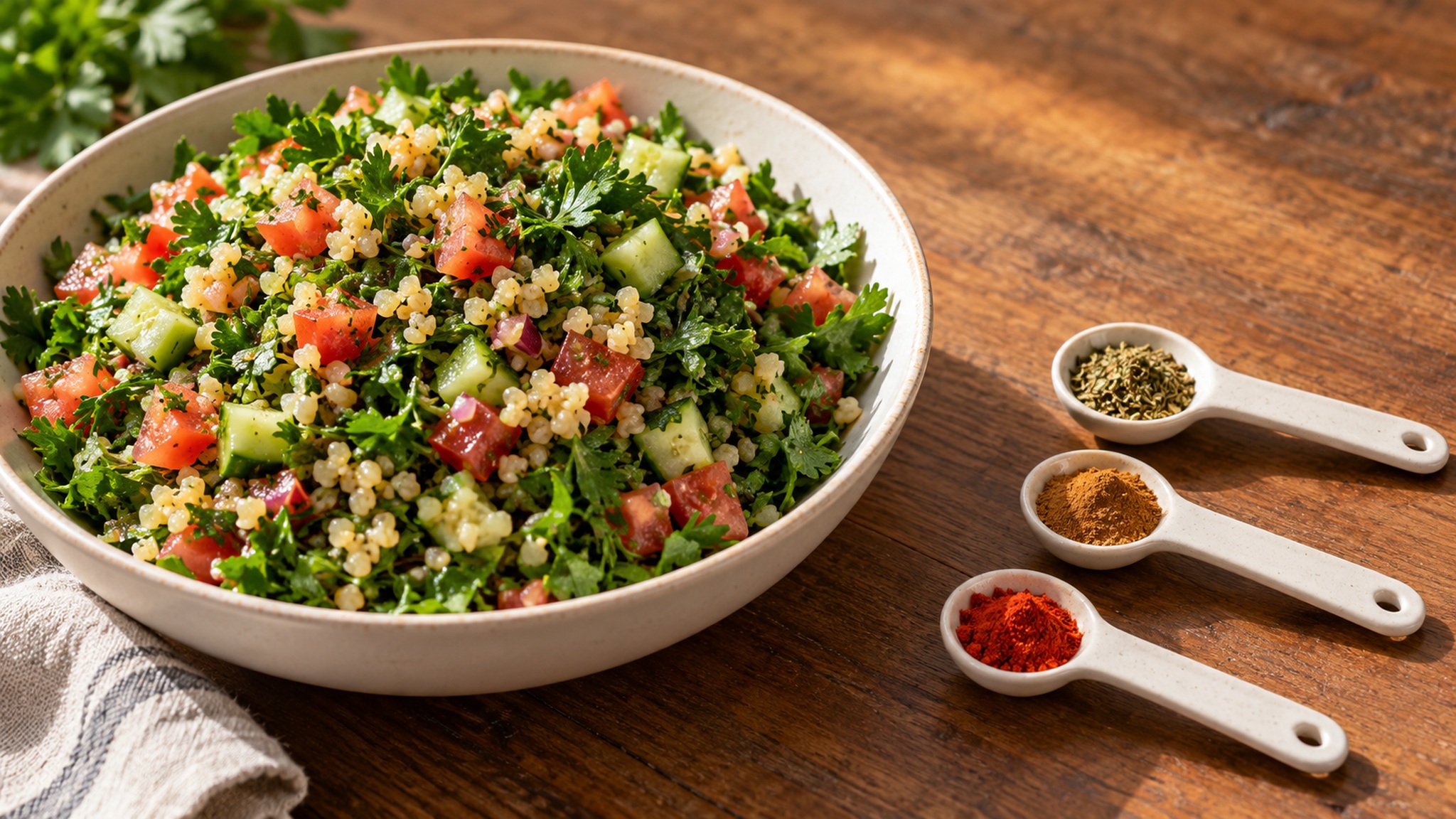
Fresh herbs can turn a plain lunch into something you look forward to eating, particularly when they are used as an ingredient rather than a token garnish. Chopped parsley can spread through a grain-and-bean salad, while dill pairs naturally with potatoes, cucumber, yogurt, and fish. Plan at least two uses before purchasing a bunch so it does not become an expensive decoration in the refrigerator. A large handful still belongs in the context of the whole meal; it cannot replace the vegetables, protein, or other foods that meal needs. Choose the herb whose flavor you enjoy, then adjust the quantity to the dish and to your household’s preferences.
Cumin and Coriander Give Pulses a Starting Point
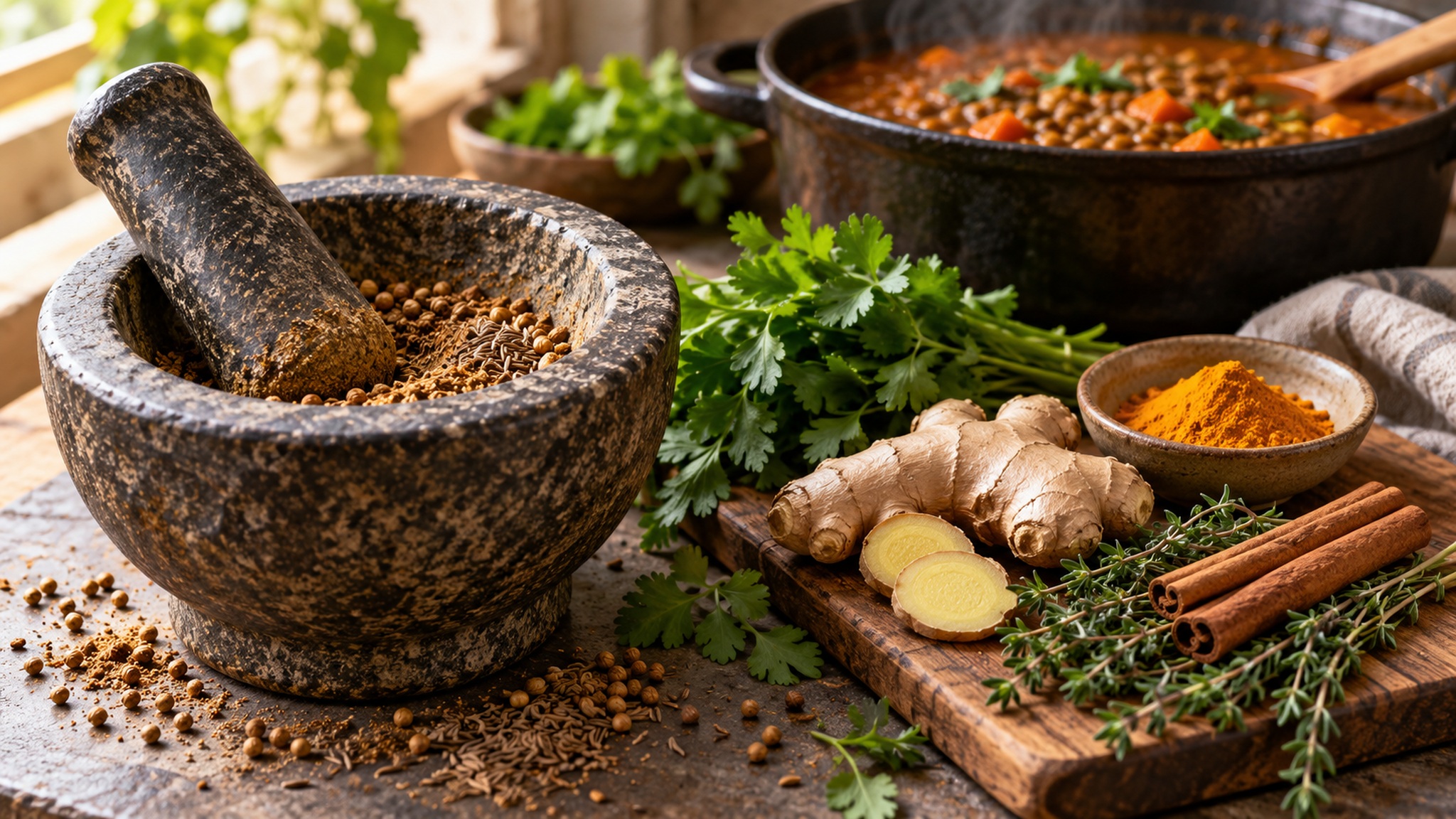
Beans and lentils are easier to season when you have an aromatic starting point. Ground cumin brings a distinctive earthy character to many soups, bean fillings, and vegetable dishes. Coriander seed has a different, often brighter profile and can complement cumin without simply repeating its effect. Their usefulness comes from the recipes they unlock, not from a contest over which powder has more impressive laboratory chemistry.
For an uncomplicated dinner, soften onion in a little cooking oil, add a modest amount of the spices, and follow with tomatoes and cooked beans. Stir and control the heat so the powdered ingredients do not scorch. The beans, vegetables, and other meal components do the nutritional heavy lifting; the seasoning makes that combination worth returning to. This is a good example of flavor supporting a food pattern rather than acting as an isolated remedy.
Whole seeds are another option if you enjoy grinding or crushing them, but they add a preparation step. Ground products may be the better purchase for a busy cook who would otherwise leave the whole seeds unused. Convenience is relevant to a healthy routine when it helps the routine survive a demanding week.
Paprika Adds Character Without Requiring Heat
Paprika can supply color and a pepper-like flavor without necessarily bringing intense chili heat. Sweet, smoked, and hot varieties serve different purposes, so read the product name carefully. Smoked paprika can make a tray of vegetables or a bean dish feel more robust, while a milder variety may be easier for a household with mixed spice preferences. Neither color nor smokiness proves a special health effect.
Use it as one part of the flavor structure rather than expecting it to fix every bland dish. Vegetables may also need suitable cooking, a little acidity, and an appealing texture. If a pan is too hot, ground paprika can burn and develop an unpleasant taste. Lowering the heat and adding the next moist ingredient promptly is often more useful than adding another spoonful afterward.
Ginger Belongs in Meals Before Wellness Marketing
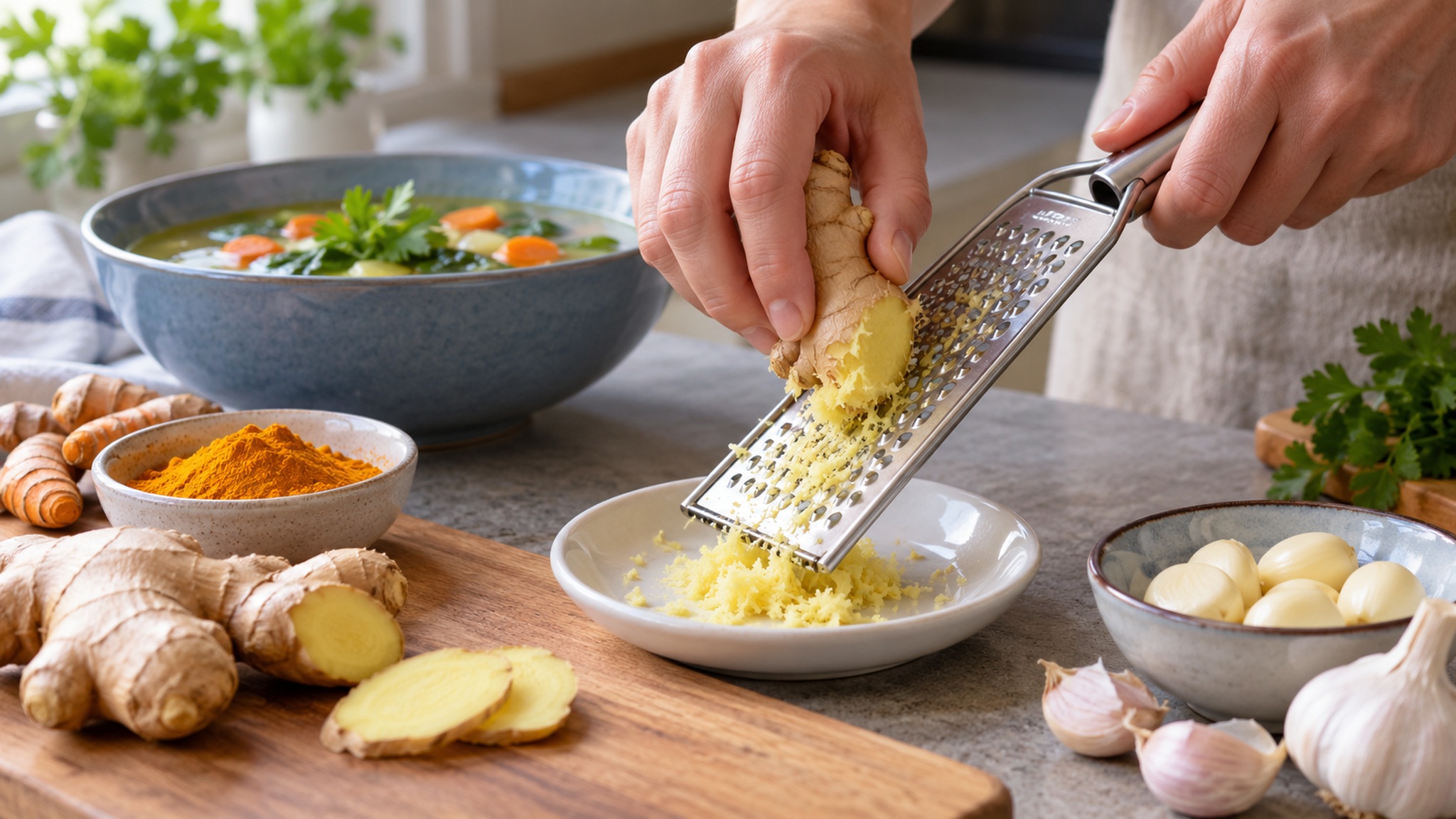
Fresh ginger can brighten a vegetable stir-fry, bean soup, or dressing, and dried ginger can add warmth to selected baked or breakfast dishes. These uses make it a versatile culinary choice without needing to borrow claims from studies of concentrated products. A sweetened ginger drink still has the composition described on its label; the presence of ginger does not cancel its sugar. Likewise, a strong flavor is not a reason to consume an uncomfortable amount. Let taste, tolerance, and the recipe determine its place in ordinary cooking, and treat a proposed use for a medical symptom as a separate decision that may require clinical advice.
Build Flavor in Layers When Reducing Salt
If you are accustomed to a heavily salted condiment, removing it can expose several missing qualities at once. The meal may need aroma, acidity, texture, and a savory base rather than a single substitute. Combining a suitable herb with lemon juice, vinegar, toasted seeds, or well-cooked onion can address those qualities individually. That approach gives your palate more to notice while you experiment with a smaller amount of a salty sauce.
A seasoning blend is useful only if you understand what is in it. Garlic salt, seasoned salt, and several commercial rubs already contain salt, even when their packaging emphasizes herbs or spices. Compare ingredient lists and sodium information instead of assuming a fragrant blend is salt-free. The Nutrition.gov salt and sodium resources provide a starting point for understanding this part of the food label.
Make changes gradually if that helps your household accept them. Try the new flavor combination in one repeatable dish and assess the result over several meals. You are looking for an enjoyable routine, not a demonstration that you can tolerate food you dislike. A lower-sodium strategy is more sustainable when the final meal remains satisfying.
Breakfast and Lunch Need Their Own Seasonings
The spice cupboard should serve more than dinner. A little cinnamon or ginger can add aroma to plain oats with fruit, while parsley or dill can make a leftover grain bowl feel fresh. These are culinary suggestions rather than treatments for blood sugar or other conditions. The rest of the recipe still matters, including added sweeteners, portions, and the foods served alongside it.
Lunch is a useful place to experiment because you can often season a small portion without changing the whole family’s meal. Divide a plain bean salad and try different herbs in each portion. Notice which version you would choose again and what ingredient supplied the improvement. That direct feedback is more informative for your cupboard than an online ranking built around ingredients you never cook.
Match the Purchase to Your Budget and Use Rate
A low-priced large jar is not necessarily economical when the last half loses its appeal before you finish it. Consider how often a recipe calls for the seasoning, how much the recipe uses, and whether you have space to store it well. A small container of a frequently used spice can be a better first purchase than a bulk amount of a fashionable ingredient. Save larger purchases for products you already know you use steadily.
Fresh herbs require a different calculation because they are perishable. A bunch of dill makes more sense when potatoes, cucumber salad, and a yogurt sauce are already on the week’s menu. If only one recipe needs a small amount, consider whether a dried herb or another flavor would work acceptably. Practical substitutions can reduce waste without turning the meal into a rigid test of culinary authenticity.
Keep an informal record of the jars you actually empty. That evidence can guide your next shopping trip and prevent a succession of novelty purchases. An affordable, familiar seasoning used often is not nutritionally inferior merely because it lacks a glamorous origin story. Accessibility and enjoyment are legitimate reasons to prefer it.
Separate Food Choices From Concentrated Products
Claims about capsules, extracts, essential oils, and large supplemental doses cannot be transferred automatically to herbs sprinkled into dinner. Those products can differ in concentration, formulation, and safety. A product presented as a natural solution for a disease still needs evidence about the particular preparation and intended use. If a claim encourages you to replace treatment or add a concentrated product alongside medicines, discuss it with a qualified clinician or pharmacist.
A Small Rotation Can Cover a Week of Meals
Try a cupboard that begins with oregano, cumin, and paprika, then add one fresh herb when the week’s menu supports it. That is an example rather than an official best-of list. Another household might start with thyme, coriander, and ginger because those ingredients fit its familiar dishes better. The strongest selection is the one that improves nutritious food you can afford and reliably prepare.
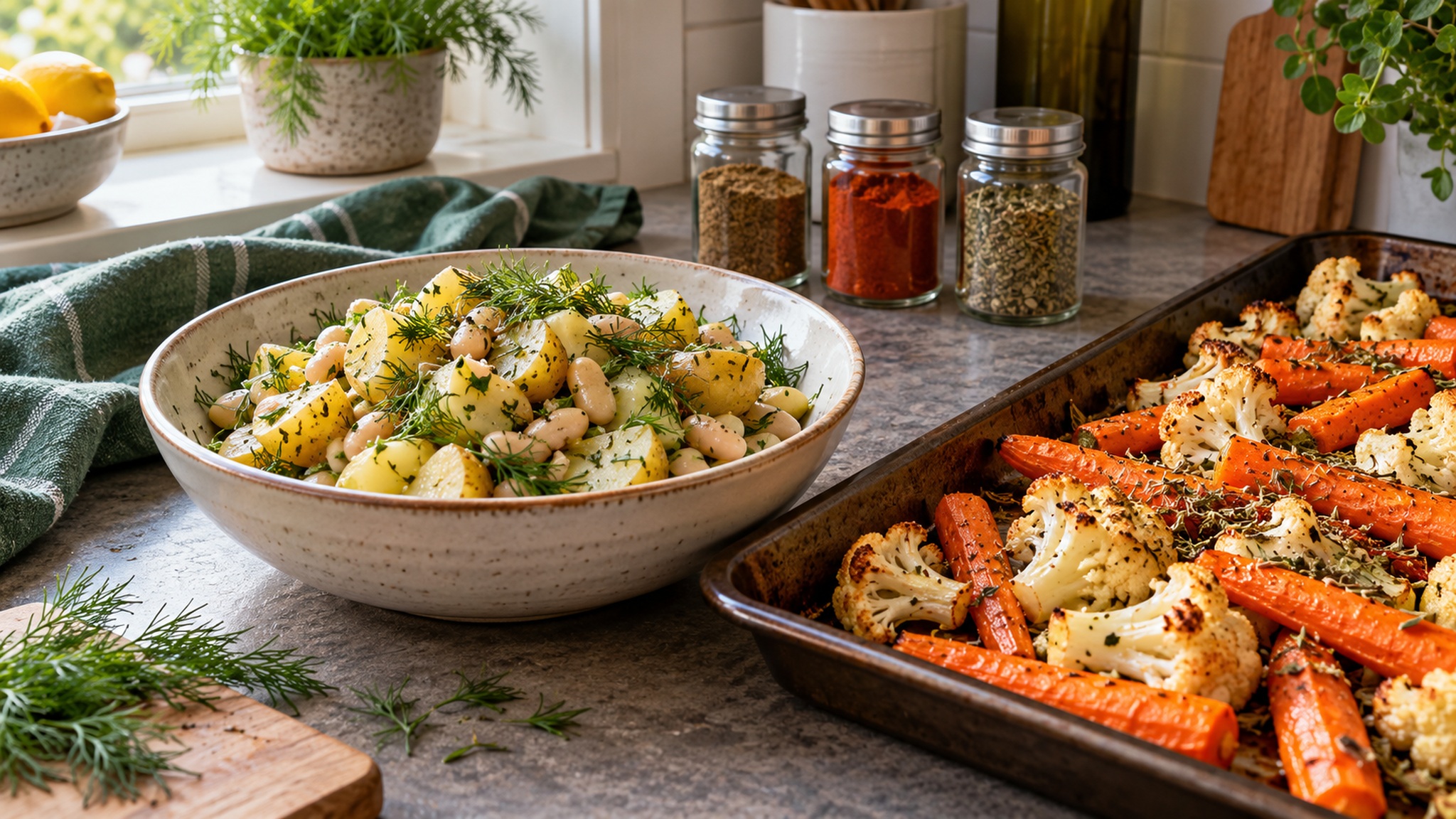
Use the rotation to connect meals: oregano with a tomato-and-bean pot, cumin in a lentil filling, and paprika on roasted vegetables. Fresh dill can then serve a potato salad and a yogurt dressing before the bunch deteriorates. This kind of overlap makes shopping manageable while the dishes remain recognizably different. Adjust the collection when your menu changes rather than accumulating ingredients simply to complete a list.
Judge success by what happened at the table. Did the vegetables get eaten, did a simple lunch become more appealing, and did a smaller quantity of salty sauce still taste satisfying? Those observations are useful even when they do not produce a dramatic wellness claim. Herbs and spices earn their place through repeated, enjoyable meals, with the larger eating pattern remaining the foundation of overall health.