A Nutrient Ranking Needs a Realistic Serving
A chart can make a dried spice look like one of the richest foods in the supermarket, yet the amount entering your dinner may be less than a teaspoon. That mismatch explains why a ranking of the healthiest herbs and spices needs more than a column of values per hundred grams. Concentration matters, but so do serving size, the number of people sharing the recipe, and whether the ingredient is eaten as a garnish or as a substantial part of a dish. This article offers a nutrition-first ordering of useful categories rather than pretending there is an official universal league table. Fresh herbs eaten generously, dried seasonings used sparingly, and salt-containing blends each deserve a different comparison. The aim is to help you interpret impressive numbers accurately, make sensible purchases, and keep a tiny flavorful ingredient in proportion to the whole meal.
A: The chart may compare equal weights even though ordinary eaten portions differ greatly.
A: Only by choosing and disclosing a weighting system; there is no single universal nutrient score used here.
A: No. Density, texture, and whether the spoon is level affect the weight.
A: No. Your estimated share should follow the portion of the recipe you eat.
A: It indicates unavailable information in that record rather than necessarily proving absence.
A: Water removal changes concentration by weight; it does not justify treating a dried spoonful as a large fresh serving.
A: Assess the pesto's full composition, including its other ingredients and eaten amount.
A: Yes. Different priorities ask different questions and may produce different orders.
A: A laboratory measurement alone cannot establish that clinical comparison.
A: No. Suspected deficiencies call for appropriate assessment and treatment rather than large spice servings.
Set the Criteria Before Naming a Winner
A food can lead one ranking and fall behind in another because the criteria have changed. A mineral concentration table asks what is present in a fixed weight of food. A practical meal comparison asks what the portion you eat contributes. A sodium-focused comparison asks whether the product adds salt. None of these questions alone establishes which ingredient produces the best long-term health outcome.
For this guide, the first criterion is a realistic opportunity to contribute to the meal. The second is whether a product introduces ingredients, especially salt, that need separate attention. Culinary usefulness comes next because an ingredient left unused contributes nothing to dinner. This is an editorial framework, not a clinical score or a substitute for an individualized nutrition assessment.
First: Leafy Herbs Used as a Meaningful Ingredient
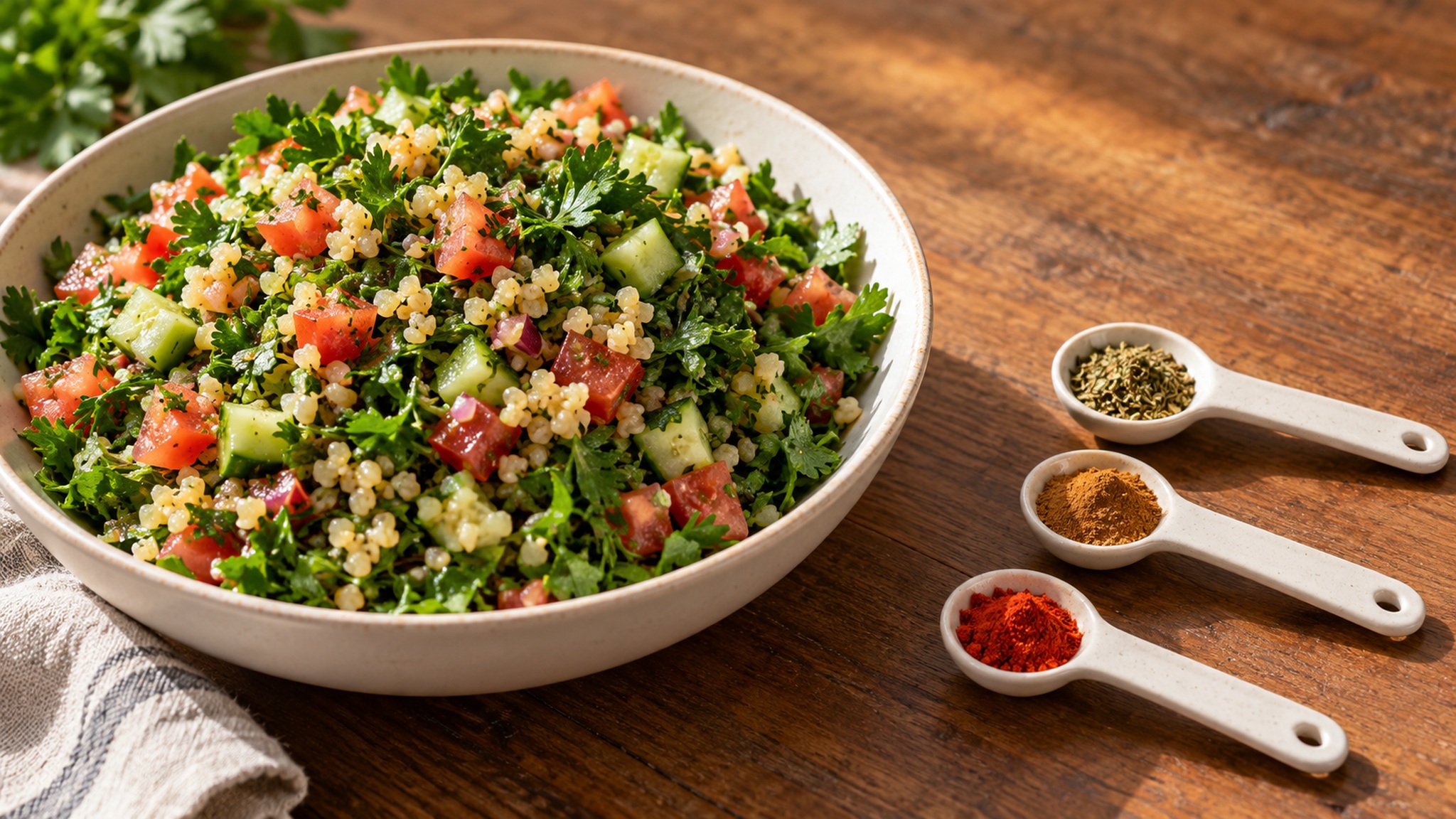
Parsley, cilantro, basil, and similar leafy herbs move to the front of this practical ranking when they are eaten in substantial food portions. A herb-heavy salad, a generous chopped addition to beans, or a sauce containing plenty of leaves is a different serving from a decorative sprig. That larger contribution is why the category deserves attention. It does not mean every fresh herb has the same nutrient composition or that a small garnish is a major vegetable serving.
Choose examples that suit the dish and your taste. Parsley may fit a grain salad, basil may suit tomatoes, and cilantro may complement a bean filling for people who enjoy its flavor. The amount actually consumed remains the key. If a recipe makes six servings, a generous-looking bunch in the mixing bowl is distributed across those portions rather than belonging entirely to the person eating one plate.
Preparation also changes the comparison. A herb sauce may include oil, nuts, cheese, or salt, each contributing its own nutrients and energy. Judge the finished sauce as that combination rather than using the leaf’s nutrient profile to describe the entire jar. A nutritious ingredient can play a useful role without making every recipe containing it equivalent.
It can help to describe your recipe portion before searching for any numbers. Write down whether the leaves are scattered over a plate, stirred through the entire dish, or used as its central ingredient. That simple description exposes comparisons that would otherwise treat a garnish and a salad alike. It also reminds you to include the other foods rather than letting a single nutrient-rich leaf define the meal.
Second: Dried Herbs With a Clear Meal Role
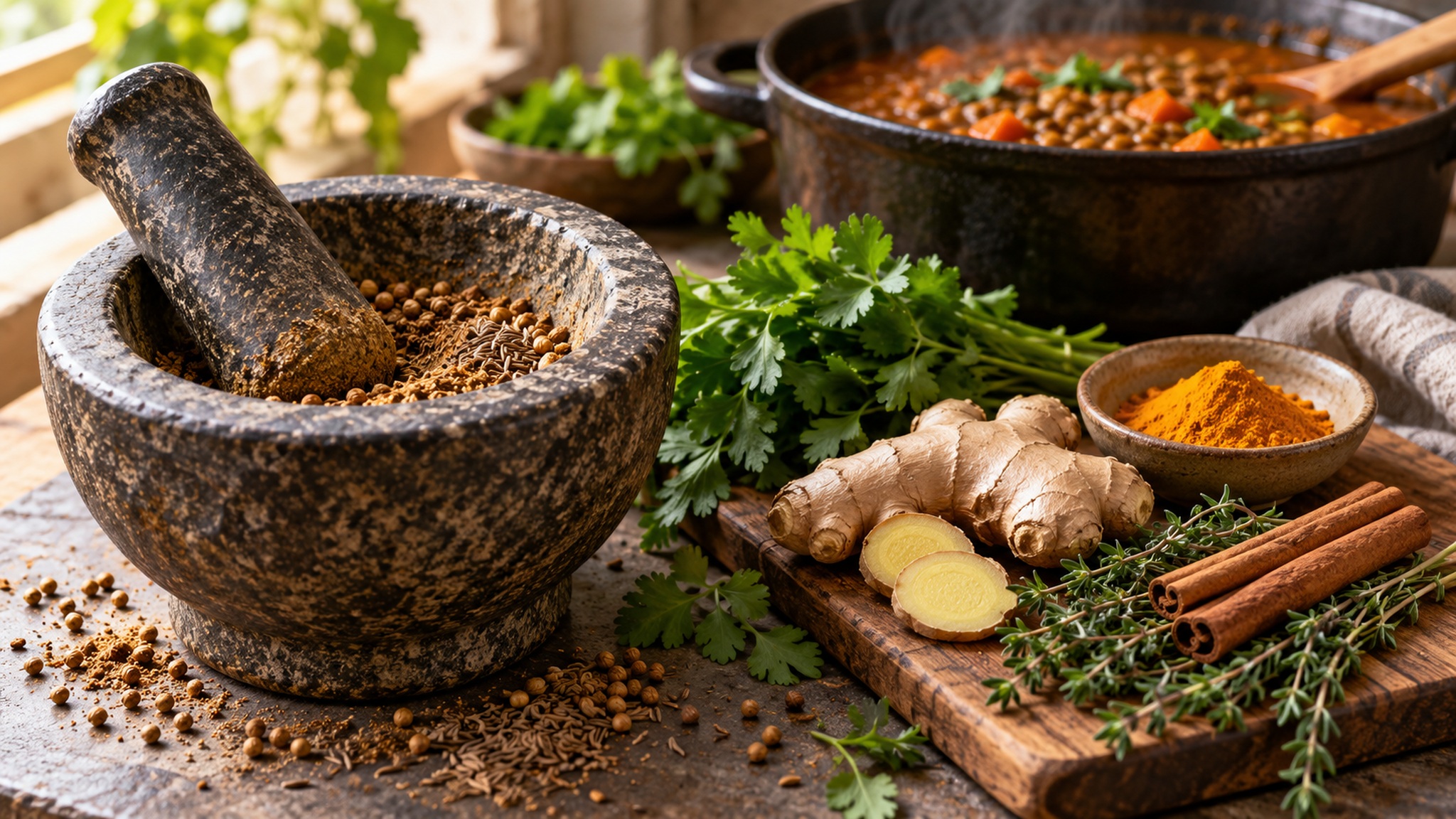
Dried oregano, thyme, and other leafy seasonings can be concentrated sources of constituents found in the original plant, but typical servings remain small. They rank well here as compact, convenient flavor ingredients that fit nutritious dishes, not as substitutes for a bowl of greens or a mineral supplement. Drying removes water, which can make a fixed-weight comparison look especially impressive. It also changes the weight and volume involved in a recipe, so one spoon of dried leaves should not be compared casually with one spoon of loosely packed fresh leaves. Use a food-composition entry that matches the actual form if you want to estimate nutrient contribution.
Third: Unsalted Single-Ingredient Spices
Paprika, cumin, cinnamon, and similar spices deserve a place because they add distinctive flavor without automatically bringing salt into the recipe. Their chemical composition differs, and some provide notable nutrient concentrations by weight. In ordinary culinary quantities, however, a small serving may deliver much less than a headline table suggests. That limitation should appear beside the impressive value rather than being hidden in a footnote.
This category is intentionally broad because there is no honest reason to assign precise overall nutrition positions without a defined serving and weighting system. A reader concerned about iron would ask a different question from one concerned about sodium or vitamin intake. Even then, a spice’s content is only part of the answer; the total diet and how much is eaten matter too.
Fourth: Blends Whose Ingredients Remain Transparent
An unsalted blend can be as practical as individual jars when its combination fits the meals you cook. A curry powder, herb mixture, or other seasoning mix is not inherently nutritionally inferior because it combines ingredients. The important distinction is what the product actually contains. Read the ingredient list rather than relying on the front label’s emphasis on a fashionable spice.
Blends containing salt belong in a separate comparison. Their contribution depends on both the sodium concentration and the amount used in your serving. A smaller amount of a flavorful blend might fit a meal well, while a large quantity could add more sodium than expected. The correct conclusion follows the label and the recipe; a fragrant smell provides no reliable estimate.
Recipes that call for additional salt can also complicate the calculation. If the blend already contains it, adding the full separate quantity may not be necessary for flavor. Taste thoughtfully and consider the product’s composition before following a recipe mechanically. This is a food-preparation decision, not a reason to assume that all commercial blends must be avoided.
Why a Hundred-Gram Table Can Mislead
Imagine two foods with the same nutrient concentration per hundred grams. If you eat fifty grams of one and two grams of the other, the first contributes twenty-five times as much of that nutrient under this simplified comparison. The arithmetic is straightforward, yet ingredient rankings often present only the concentration and omit the portion. A dried spice may therefore appear alongside foods normally eaten by the bowl without showing that the amounts consumed are very different.
The correction is to calculate with the weight of the portion you actually eat. Multiply the nutrient value per hundred grams by the portion weight divided by one hundred. If the spice goes into a shared recipe, estimate your share of that ingredient as well. This produces a more useful number than assuming every ingredient listed in a pot belongs to a single serving.
Volume Measures Need Their Own Care
A teaspoon is a measure of volume rather than a universal ingredient weight. Fine powders, coarse flakes, and whole seeds pack differently, and a heaped spoon is not the same as a level one. When precision is necessary, use an appropriate weight or the serving information provided for the specific product. For everyday cooking, an approximate estimate may be sufficient, but it should remain an estimate. Do not present a guessed spoon weight as a laboratory-quality nutrient calculation or compare it with a precise value from a different food form.
Use FoodData Central as a Tool, Not a Trophy Cabinet
The USDA FoodData Central database offers food-composition information, including entries that can help compare herbs and spices. Search for the correct ingredient and form, then inspect the serving basis and available nutrient fields. A dried product, a fresh plant, and a branded mixture may have different entries. Selecting the first familiar name without checking those details can produce a comparison that does not match your meal.
Missing information needs cautious interpretation. A field that is unavailable does not automatically mean the food contains none of that constituent. Different records may also reflect different types of data. Use the database to answer a defined question, such as estimating the amount of a listed nutrient in a measured serving, rather than treating every visible number as a complete health score.
If you share a ranking with someone else, state the comparison clearly. Explain whether the amounts are per hundred grams, per teaspoon using a documented weight, or per recipe portion. List the nutrient being ranked instead of calling the result healthiest without qualification. Those details make the information understandable and prevent a small ingredient from gaining an exaggerated role.
Plant Compounds Are Not a Single Nutrition Score
Herbs and spices contain plant compounds that researchers study, but the amount of a compound in an ingredient does not directly measure its clinical benefit. Digestion, metabolism, preparation, and the particular outcome under investigation can affect the interpretation. A laboratory antioxidant assay is therefore a different kind of result from a human trial. Ranking foods by that assay does not establish that the top entry protects a person from disease.
Separate established nutrient questions from broader research questions. A composition table can tell you a measured amount of a listed mineral in a specified sample. It cannot, by itself, tell you whether eating the sample will change a disease outcome. Keep that distinction visible when a spice ranking combines minerals, plant chemistry, and treatment claims into one seemingly simple number.
A Higher Position Does Not Justify a Higher Dose
Nutrition rankings can encourage people to add more of a highly placed ingredient, but culinary preference is not a dosing instruction. A large amount may taste unpleasant, be poorly tolerated, or shift the ingredient toward a use quite different from ordinary food seasoning. Concentrated powders sold as supplements introduce further questions about formulation and safety. If the goal is to address a deficiency or a medical condition, a spice chart is not an adequate basis for choosing treatment. Use appropriate professional assessment rather than trying to consume a seasoning in amounts normally associated with a different food category.
Apply the Ranking to an Actual Plate
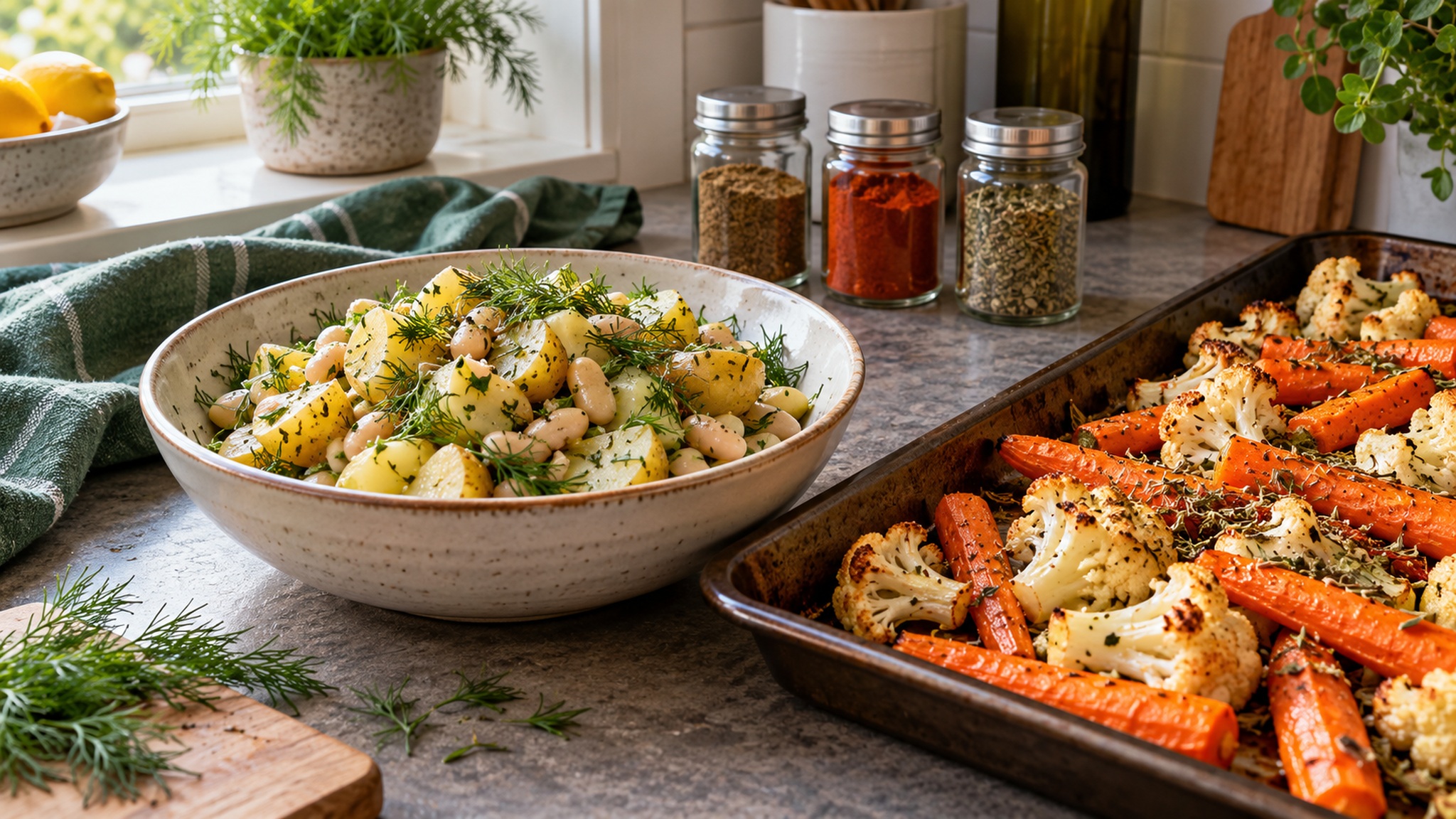
Suppose lunch contains beans, a whole grain, chopped vegetables, a herb-rich dressing, and a small amount of cumin. Each part contributes differently. The larger food portions supply most of the meal’s substance, the dressing has the composition of all its ingredients, and the cumin supplies a concentrated flavor in a small amount. Calling cumin the most nutrient-dense ingredient by weight would not make it the most important contributor to that lunch.
A useful comparison could instead ask whether the dressing needs as much salt, whether more fresh herbs would improve the vegetable mixture, or whether the seasoning makes the beans appealing enough to repeat. Those questions connect the ranking to a decision. They also keep the focus on the finished meal rather than a competition between isolated ingredients.
For shopping, prioritize the fresh or dried form you can use reliably, check salt-containing blends, and reserve numerical rankings for a specific nutrient and realistic portion. This gives leafy herbs, dried seasonings, and spices appropriate places without claiming one winner for every person. The healthiest collection is supported by accurate comparisons and a balanced menu, not by consuming the largest possible amount of whichever jar tops a chart.