Order for Satisfaction, Not the Smallest Number
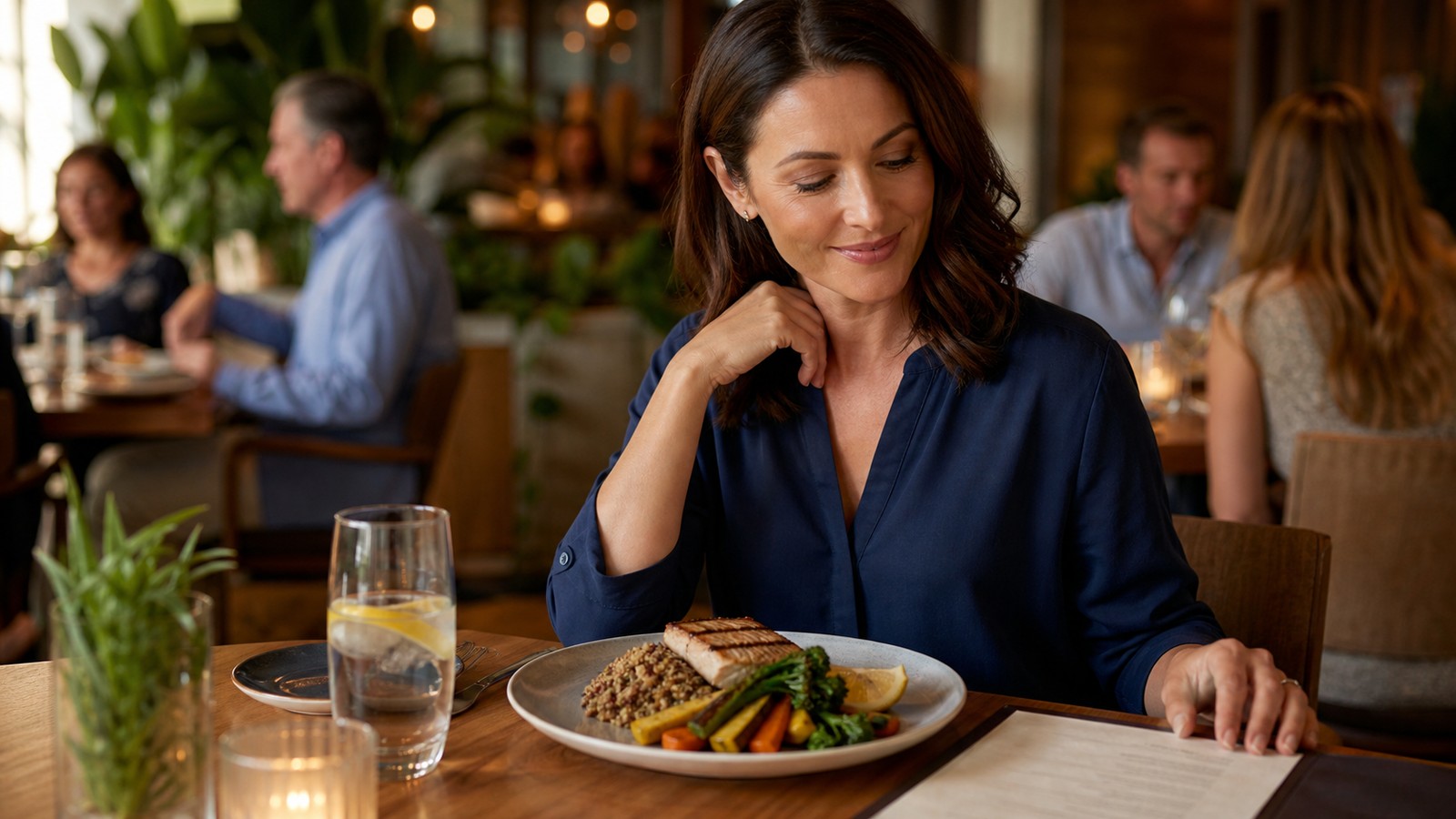
When weight loss is the goal, restaurant advice often collapses into a list of foods to avoid. That approach overlooks the reason many plans fail: a meal that is technically light but leaves you hungry, disappointed, or preoccupied with food is difficult to repeat. A useful restaurant order provides enough protein and fiber to satisfy you, includes flavors you genuinely enjoy, and gives you a workable way to handle the larger portions common outside the home. It may be a grilled entree with vegetables and potatoes, a bean-rich bowl, two tacos with a side salad, or even pizza paired with produce. The best choice depends on your hunger, frequency of dining out, health needs, and what makes the occasion worthwhile. Weight loss is driven by a sustained energy deficit over time, not by winning a single menu decision. These strategies help you create that deficit more comfortably while keeping restaurants in your social life.
A: Choose a modest protein-and-fiber snack that quiets extreme hunger.
A: No; decide how much you value it relative to other starches and extras.
A: Usually not; request lighter preparation because some fat supports flavor and cooking.
A: Yes, especially with protein, vegetables, attentive portions, and planned leftovers.
A: The serving you genuinely enjoy and can include within your health circumstances.
A: No, though posted data can help people who find estimates useful.
A: State that you are satisfied and redirect attention to the conversation.
A: Resume normal meals and use the experience to refine hunger, pacing, or portion strategies.
A: Frequency can vary when choices, portions, health needs, and progress remain aligned.
A: Consult a clinician or dietitian for medical restrictions or persistent food distress.
Arrive Hungry, Not Ravenous
Extreme hunger narrows attention toward the fastest, richest food and makes comfortable stopping much harder. Do not skip earlier meals to reserve calories for dinner. Eat your usual breakfast and lunch, emphasizing protein, vegetables or fruit, and fiber-rich carbohydrates. If the reservation is late, a small snack such as yogurt, fruit with nuts, or vegetables with hummus can bridge the gap.
This is not extra food for its own sake. It is a way to protect decision quality. A person who arrives at a moderate level of hunger can consider the whole menu, wait for the entree, and notice fullness. Someone who has barely eaten all day may consume bread, appetizers, and drinks before the planned meal begins.
Use a Protein-Produce-Preference Framework
First identify a substantial protein: fish, chicken, lean meat, eggs, tofu, tempeh, beans, lentils, or a Greek-yogurt-based dish. Protein supports fullness and helps preserve lean mass during weight loss, especially when paired with resistance exercise. The amount needed varies, so avoid assuming that the tiniest portion is automatically appropriate.
Next, find meaningful produce. Look for roasted vegetables, salads, vegetable soups, salsa, fajita vegetables, greens, fruit, or bean-and-vegetable sides. Then preserve one preference: the sauce, bread, cheese, starch, appetizer, drink, or dessert that will make the meal feel complete. This framework creates balance without demanding that every pleasurable extra disappear.
The preference component should be specific. “Something indulgent” is vague, while warm bread, truffle fries, or a favorite cocktail is clear. Naming what you value helps you include it deliberately and pass on extras that arrived by habit rather than desire.
Choose Entrees With Visible Components
Dishes with identifiable parts are easier to adjust. Grilled salmon with rice and broccoli gives you a clear protein, starch, and vegetable. A bowl with beans, chicken, greens, salsa, and grains is similarly transparent. Casseroles, creamy pastas, loaded nachos, and heavily sauced combination plates can still fit, but their portions and energy density are harder to estimate.
When dining out is frequent, visible components make consistent choices simpler. When the meal is occasional and a signature mixed dish is the point, order it and use appetite to guide the amount. Weight-loss eating does not require turning every celebration into a plate of separate plain foods.
Know the High-Impact Modifications
Some changes alter a meal substantially without damaging it. Dressing or sauce on the side lets you distribute flavor where it matters. Replacing one of two starch-heavy sides with vegetables changes the plate balance. Choosing grilled instead of breaded protein reduces energy density when the coating is not important to you.
Other modifications produce little benefit or reduce satisfaction. Removing a teaspoon of grated cheese while keeping an enormous creamy sauce may not matter much. Ordering a dry salad without protein to achieve a low calorie count can backfire later. Focus on portion size, cooking method, liquid calories, and stacks of sauces or toppings before fussing over small garnishes.
Frequency changes the calculation. If you eat restaurant lunch five days a week, a repeatable sauce, drink, or portion adjustment can have a meaningful cumulative effect. At a rare anniversary dinner, preserving the signature preparation may matter more than optimizing every component.
Order Smart at American and Steakhouse Menus
Good foundations include grilled fish or poultry, a modest steak, a standard burger, chili, entree salads with adequate protein, and vegetable-forward bowls. Add two sides that suit the meal: vegetables and potato, salad and rice, fruit and whole-grain bread, or another balanced combination. Ask for butter and rich sauces separately when you want control over quantity.
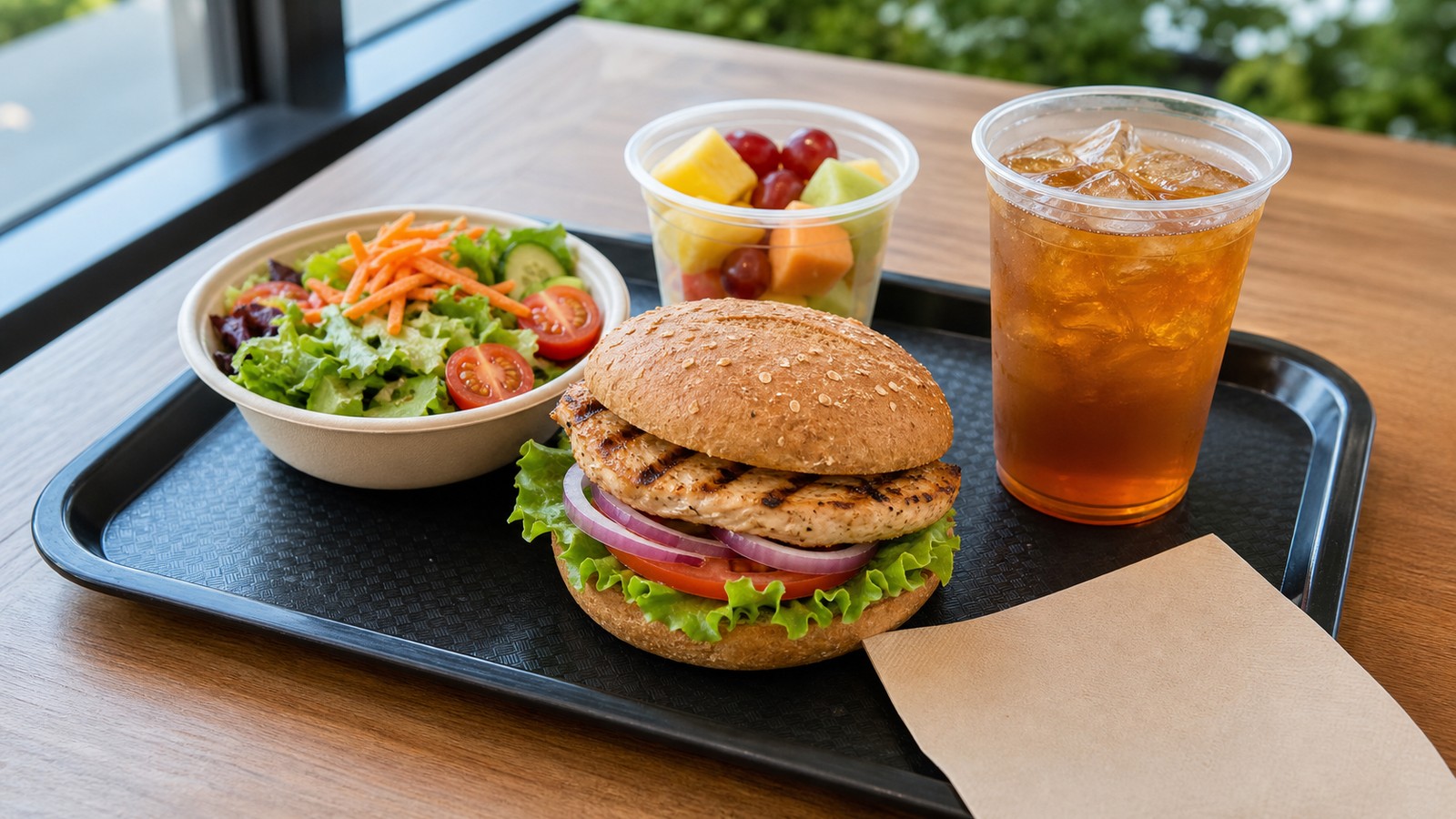
A burger can fit more easily than an appetizer platter because it has a defined portion. Keep the bun if you enjoy it, load on vegetables, and choose the side deliberately. A small fries plus salad may feel more satisfying than substituting a side you dislike. At steakhouses, the smallest offered cut is often still generous; sharing or saving part is practical.
Navigate Italian, Mexican, and Mediterranean Choices
At Italian restaurants, consider grilled seafood, chicken, minestrone, bean dishes, tomato-based pasta, and salads. Pasta portions are frequently several home servings, so eat slowly and pack the rest. If creamy pasta is your favorite, share it, order an appetizer portion, or balance it with vegetables rather than choosing a substitute that will not satisfy.
At Mexican restaurants, tacos, fajitas, pozole, ceviche, beans, grilled proteins, salsa, and bowls provide flexible options. Decide which rich topping matters most instead of automatically combining queso, sour cream, cheese, and guacamole. Chips are easiest to manage when you place a portion on your plate and then focus on conversation.
Mediterranean restaurants offer kebabs, fish, lentil soup, Greek salad, hummus, baba ghanoush, grains, and vegetable sides. Meze can become very large because small dishes accumulate. Build one plate, include protein and vegetables, and taste the dips you most want rather than treating every shared bowl as unlimited.
When ordering through an app, review the customized item before checkout. Default extras, doubled toppings, and automatically bundled sides are easy to miss on a small screen. Digital ordering can support intentional choices, but only when convenience does not make the final composition invisible.
Make Asian Restaurant Orders More Balanced
At Chinese, Thai, Japanese, Korean, Vietnamese, and other Asian restaurants, avoid reducing diverse cuisines to “steamed is good.” Look for a protein-and-vegetable dish, soup, sushi with fish and vegetables, tofu, grilled skewers, bibimbap, pho, or stir-fry. Rice and noodles can remain part of the meal in an amount that supports satisfaction.
Sauces can be high in sodium, sugar, and oil. Requesting sauce lightly applied or on the side may help when feasible. Tempura, fried rice, creamy spicy sauces, and coconut curries are more energy-dense, but portion awareness matters more than declaring them off-limits. Share larger dishes family-style and serve your chosen amount onto a plate.
Manage Salads, Soups, and “Light” Menus
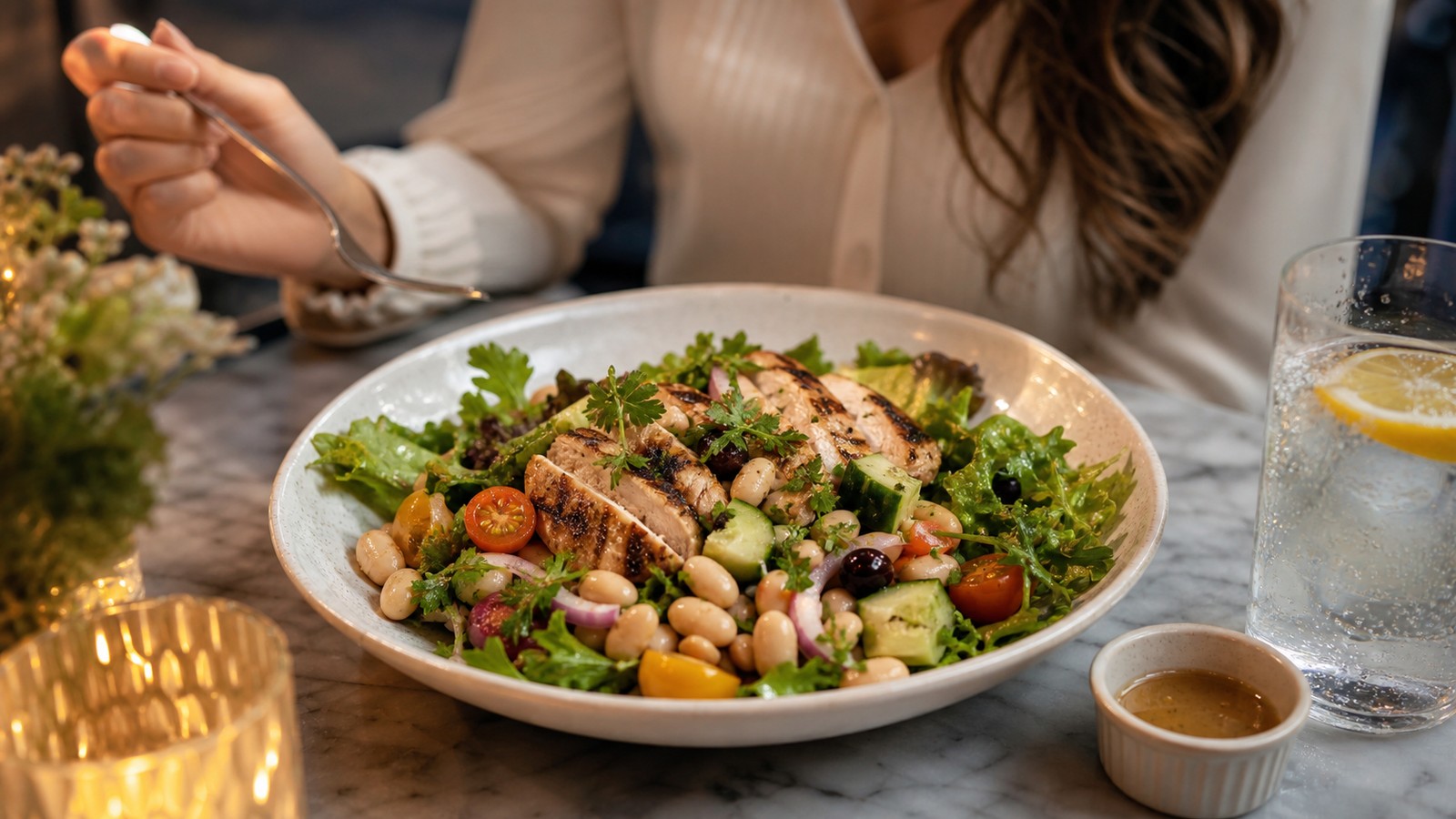
Restaurant salads vary from sparse greens to meals containing fried protein, cheese, nuts, avocado, bacon, tortilla strips, and generous dressing. Ensure there is enough protein, then choose the toppings you value. Dressing on the side helps, but using too little can make a large bowl tedious. Tossing a moderate amount through the greens gives better coverage than dipping every bite.
Broth-based soups often provide vegetables and volume, while creamy soups are usually more energy-dense. Both may be high in sodium. A soup-and-salad combination can work, but confirm that it includes enough protein. Menu labels such as “skinny,” “fit,” and “under 600” are starting points, not guarantees of fullness or nutritional completeness.
Mocktails deserve the same attention as cocktails because many contain juice, syrups, or sweetened soda. A sparkling water with citrus may suit someone who mainly wants a festive glass. If a crafted nonalcoholic drink is the desired treat, enjoy it as a deliberate part of the meal.
Decide About Alcohol and Sweet Drinks Before Ordering
Alcohol and sugar-sweetened drinks add calories that are easy to overlook. Alcohol may also make portions harder to judge. Water or unsweetened tea is the simplest default, but a deliberate drink can fit. Decide in advance whether you would rather spend that part of your energy budget on a cocktail, appetizer, starch, or dessert.
If you drink alcohol, choose a serving you enjoy, sip slowly, and alternate with water. Avoid arriving hungry and drinking before food. Medical conditions, medications, pregnancy, driving, recovery, and personal preference may make avoiding alcohol necessary or wise.
Use Portion Strategies Without Obsessing
Previewing serving size when neighboring tables receive food can prevent surprises. When an entree is huge, share it, request a lunch portion, order an appetizer plus a side, or plan leftovers. You can also begin eating normally and pause halfway to assess hunger. There is no requirement to divide every plate precisely.
Eat the most valuable parts while they are fresh. If the protein and vegetables matter most for fullness, do not fill up automatically on bread. If the bread is special and anticipated, enjoy it and adjust elsewhere. Conscious prioritization feels different from rigid avoidance.
Portion tools should reduce mental effort rather than increase it. If boxing half the meal makes you watch the container all evening, use a midpoint pause instead. The method is successful when it helps you hear appetite with less friction.
Include Dessert When It Is Worth It
Dessert does not stop weight loss by itself. Frequency, portion, and the overall pattern matter. Check your physical fullness and your interest. When the dessert is distinctive, share one, select a smaller item, or eat part and take the rest. When it is ordinary and you are satisfied, passing may be easy.
Do not order a “healthy” dessert you do not want and then continue grazing later. Satisfaction can support moderation. Likewise, do not force dessert merely because it is a special occasion. Flexible eating means both yes and no remain available.
Evaluate Progress Over Weeks
Restaurant meals often contain more sodium and carbohydrate than home meals, producing temporary water retention. A higher scale reading the next morning does not reveal the calorie balance of one meal. Track trends under consistent conditions and give normal fluctuations time to resolve.
If dining out is frequent and progress stalls, review patterns neutrally. Large drinks, automatic appetizers, portion sizes, and multiple rich extras may be more influential than the entree. Change one repeatable behavior at a time. A restaurant strategy succeeds when it supports a moderate deficit, keeps hunger manageable, and allows you to enjoy the people and food around you.
Also review the quality of the experience. A plan that produces steady loss but makes every shared meal tense may need adjustment. Sustainable progress leaves room for hospitality, cultural foods, and spontaneous evenings while keeping the most common choices aligned with your goal.
Make the Strategy Quietly Repeatable
You do not need to announce a weight-loss plan or explain every modification. A straightforward order, an unhurried pace, and a neutral response to leftovers are enough. Keeping the process low-drama protects social connection and reduces the sense that your goals are in conflict with dining out.
Over time, collect evidence from your own experience. Notice which meals sustain you, which portions feel comfortable, and which extras are consistently worth having. Personal data gathered without judgment is more useful than copying a stranger’s supposedly ideal restaurant order. That learning makes future decisions faster, calmer, and more reliable in unfamiliar places too.