A Pattern You Can Build Gradually
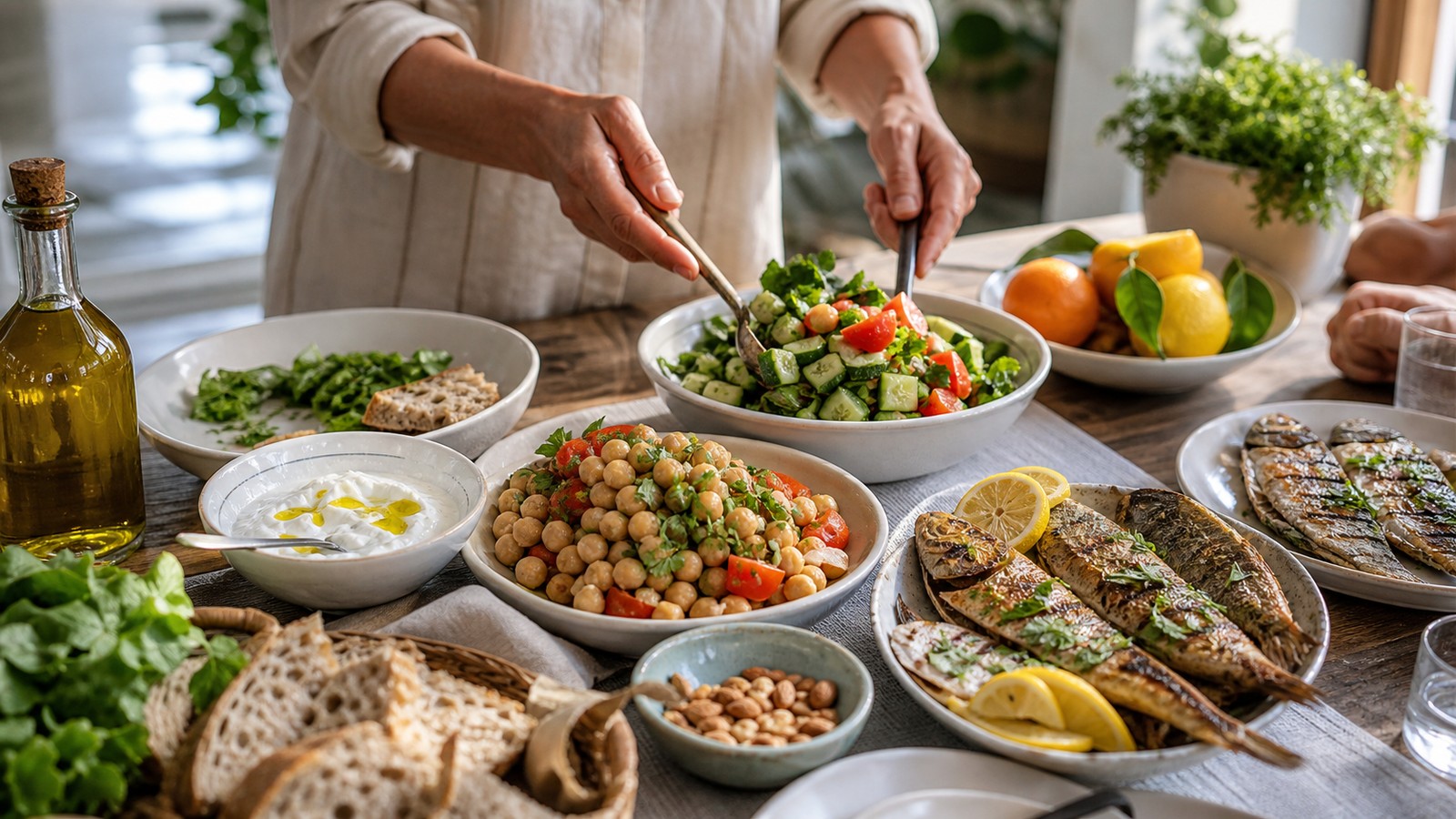
The Mediterranean diet is not a rigid menu, a short detox, or an attempt to reproduce one country’s cuisine exactly. It is a broad eating pattern inspired by traditional food cultures around the Mediterranean, with vegetables, fruit, beans, lentils, whole grains, nuts, seeds, herbs, and olive oil appearing often. Fish and seafood are commonly emphasized, while poultry, eggs, and dairy can fit in moderate amounts and red or processed meat appears less frequently. The pattern also values meals that are enjoyable, social, and connected to everyday movement. Beginners do not need imported ingredients, daily fish, or an immediate kitchen overhaul. The simplest route is to improve the balance of foods you already eat: add plants, use beans more often, choose mostly whole grains, replace some saturated fats with unsaturated fats, and make minimally processed foods the routine. This guide turns those principles into manageable steps while leaving room for culture, budget, allergies, and personal taste.
A: No; plant proteins can lead, with individualized nutrient guidance when needed.
A: Yes, commonly in moderate amounts such as yogurt and cheese.
A: Yes, generally less often and in smaller portions than plant or seafood proteins.
A: No; accessible produce in fresh, frozen, or canned form can contribute.
A: Yes, particularly when portioned with vegetables, legumes, or other protein.
A: It can when overall intake supports a deficit, but weight loss is not automatic.
A: Families can use the pattern, while children still need age-appropriate energy and nutrients.
A: Add one or two repeatable habits at a pace your household can maintain.
A: Not routinely; needs depend on diet, health status, labs, and professional advice.
A: Add a plant food to a meal you already eat regularly.
Step 1: Understand the Core Pattern
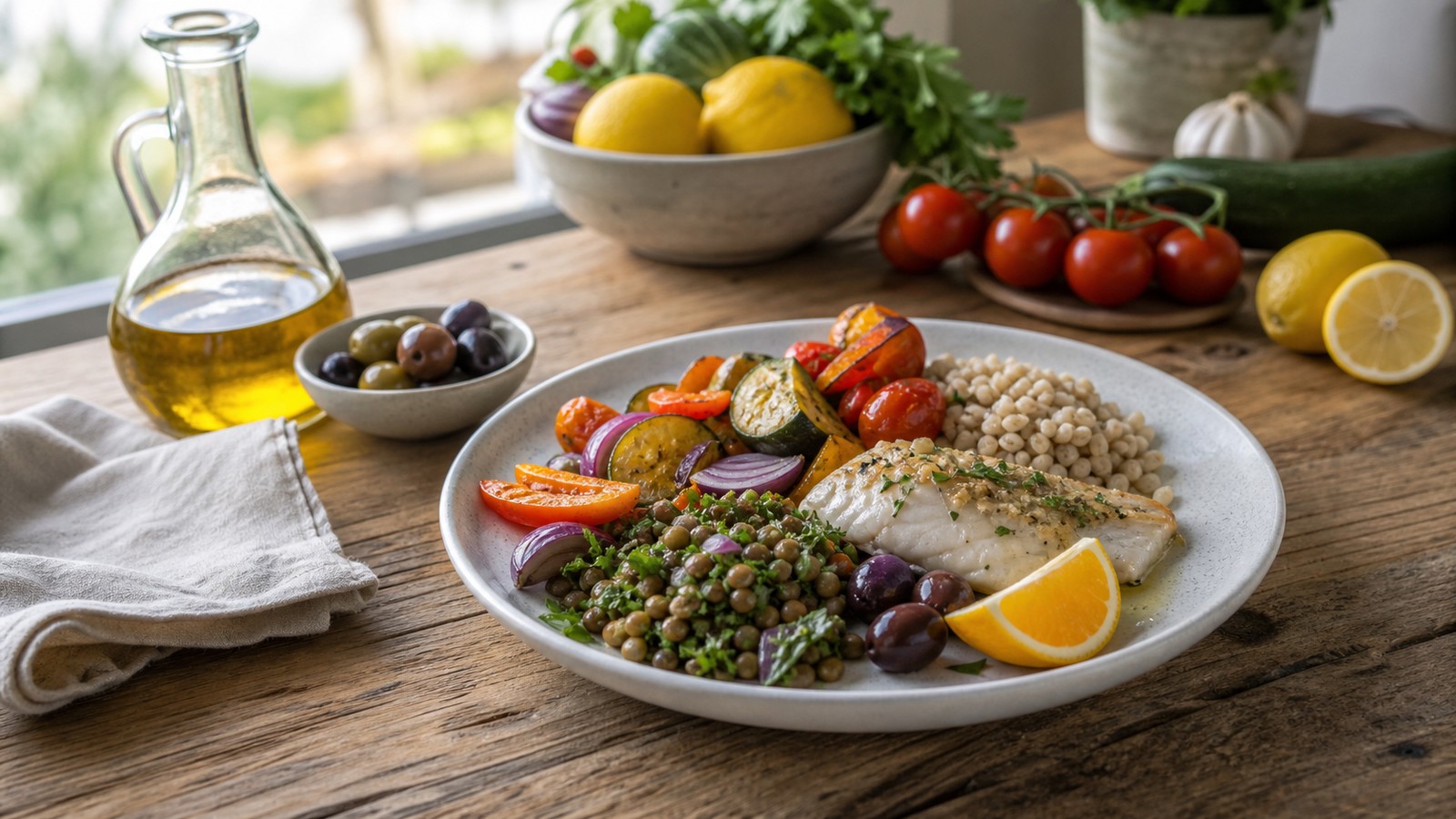
Picture the Mediterranean diet as a set of proportions rather than a list of mandatory recipes. Plant foods form the foundation. Vegetables and fruit provide variety, legumes contribute protein and fiber, whole grains support energy, and nuts, seeds, and olive oil supply primarily unsaturated fats. Fish and seafood are regular protein choices in many versions of the pattern.
There is no single official Mediterranean menu because food traditions differ across Greece, Italy, Spain, Turkey, Morocco, Lebanon, and other regions. A healthy implementation in the United States can also include foods from Latin American, Asian, African, Indigenous, or other culinary traditions. Beans, vegetables, whole grains, herbs, and unsaturated oils are not limited to Mediterranean recipes.
Step 2: Take Inventory Before Shopping
Review the meals you already repeat. Perhaps breakfast is oatmeal, lunch is a sandwich, and dinner rotates among tacos, pasta, stir-fry, and chicken with sides. Each can move toward the pattern without being replaced. Add nuts and berries to oats, vegetables and hummus to a sandwich, beans and salsa to tacos, vegetables and olive oil to pasta, or a larger vegetable side to chicken.
Check your pantry, freezer, and refrigerator before buying specialty foods. Canned beans, frozen vegetables, brown rice, oats, canned tomatoes, tuna, nuts, and dried herbs may already provide a strong start. Using familiar staples lowers cost and prevents the enthusiasm of a new plan from becoming food waste.
Write down three meals you can make without a recipe. Beginner success depends more on reliable defaults than an ambitious collection of new dishes. Those defaults become the safety net for tired evenings when unfamiliar cooking projects are least likely to happen.
Step 3: Increase Vegetables in Visible Ways
Aim to make vegetables a substantial part of lunch and dinner, but increase gradually if your current intake is low. Add spinach to eggs, tomatoes and cucumbers to sandwiches, frozen vegetables to soup, roasted vegetables beside a main dish, or peppers and onions to tacos. Variety across the week is more useful than forcing an enormous salad every day.
Preparation determines whether the habit lasts. Roast vegetables with olive oil and seasonings, saute greens with garlic, grill zucchini, simmer tomatoes into sauces, or serve raw vegetables with a flavorful dip. The Mediterranean pattern does not require plain produce. Fat, acid, herbs, spices, and heat make vegetables something to seek out rather than tolerate.
Step 4: Make Legumes Routine
Beans, lentils, chickpeas, and peas offer protein, fiber, minerals, and versatile texture. Start with two or three appearances each week if they are not customary for you. Add chickpeas to salad, blend white beans into soup, use lentils in pasta sauce, serve black beans in tacos, or replace part of the meat in chili.
Canned legumes are convenient and nutritious. Draining and rinsing can reduce some sodium. If a rapid increase causes gas or bloating, begin with smaller servings, increase slowly, drink adequate fluids, and try well-cooked or canned varieties. People with medically prescribed potassium, phosphorus, fiber, or digestive restrictions should follow individualized guidance.
Texture can determine acceptance. Whole chickpeas may work in salads, red lentils dissolve into soup, and blended white beans can thicken sauces. Trying different forms is more useful than concluding that all legumes are unappealing after one preparation.
Step 5: Choose Whole Grains More Often
Whole grains retain more of the grain kernel and generally provide more fiber and nutrients than refined versions. Oats, barley, bulgur, farro, brown rice, quinoa, corn, whole-wheat bread, and whole-grain pasta can fit. “More often” is intentionally flexible; white rice, traditional bread, and refined pasta can remain part of meals.
Change one staple at a time. Try half whole-grain pasta mixed with regular pasta, use oats at breakfast, or alternate brown and white rice. Read ingredient lists because color and marketing terms do not prove a product is whole grain. The first ingredient should identify a whole grain when that is what you intend to buy.
Step 6: Use Olive Oil and Other Unsaturated Fats
Extra-virgin olive oil is a signature fat in the Mediterranean pattern, especially for dressings, dipping, sauteing, and finishing dishes. Canola oil, nuts, seeds, avocado, and fatty fish also provide unsaturated fats. These can replace some butter, shortening, coconut oil, fatty meat, and heavily processed snacks rather than simply being added on top of an unchanged diet.
Healthy fats are energy-dense, so unlimited portions are unnecessary, particularly when weight loss is a goal. Use enough to improve flavor and satisfaction. A measured pour while learning can show what a tablespoon looks like, but lifelong tracking is not required.
Store olive oil away from heat and direct light, and buy a bottle size your household can use while the flavor remains fresh. Expensive packaging is unnecessary. A pleasant-tasting oil used regularly is more practical than a prestigious bottle saved indefinitely.
Step 7: Rebalance Protein Choices
Use beans and lentils frequently, include fish or seafood when accessible and appropriate, and choose poultry, eggs, yogurt, or cheese according to preference. Red meat can appear less often and in smaller amounts, while processed meats such as bacon, sausage, and deli meats are best limited. This is a shift in emphasis, not a purity rule.
Fish recommendations must account for cost, allergies, sustainability, pregnancy, and mercury exposure. Canned salmon, sardines, light tuna, and frozen fish may be affordable options. People who do not eat seafood can emphasize legumes, soy foods, nuts, seeds, and other plant proteins, and may benefit from personalized advice about omega-3 fats or other nutrients.
Step 8: Let Fruit and Minimally Processed Foods Handle More Snacks
Fruit is commonly used as an everyday sweet finish. Pair it with yogurt, nuts, or cheese when you need a more substantial snack. Vegetables with hummus, whole-grain toast with nut butter, and a small handful of nuts are other practical choices.
This does not mean desserts disappear. Pastries, ice cream, and celebratory sweets can fit less frequently and in satisfying portions. The pattern works because nutrient-rich foods dominate the routine, not because every processed food is forbidden.
Snacks are not compulsory. People who are comfortable between meals can simply wait for the next one. When hunger does appear, pairing produce or whole grains with protein or fat generally lasts longer than eating a small sweet item alone.
Step 9: Build Meals With a Simple Template
Start with vegetables, add a protein, include a grain or starchy vegetable, and finish with an unsaturated fat or flavorful sauce. A meal might be lentil soup with whole-grain bread and salad; salmon with roasted vegetables and potatoes; or a chickpea bowl with brown rice, cucumber, tomato, olives, and yogurt sauce.
For breakfast, combine whole grains or vegetables with protein and fruit: oatmeal with yogurt and nuts, eggs with spinach and toast, or plain yogurt with fruit and seeds. Lunch can be leftovers, bean salad, soup, a vegetable-rich sandwich, or a grain bowl. Repeating components is efficient and fully compatible with the pattern.
Step 10: Plan a Realistic Week
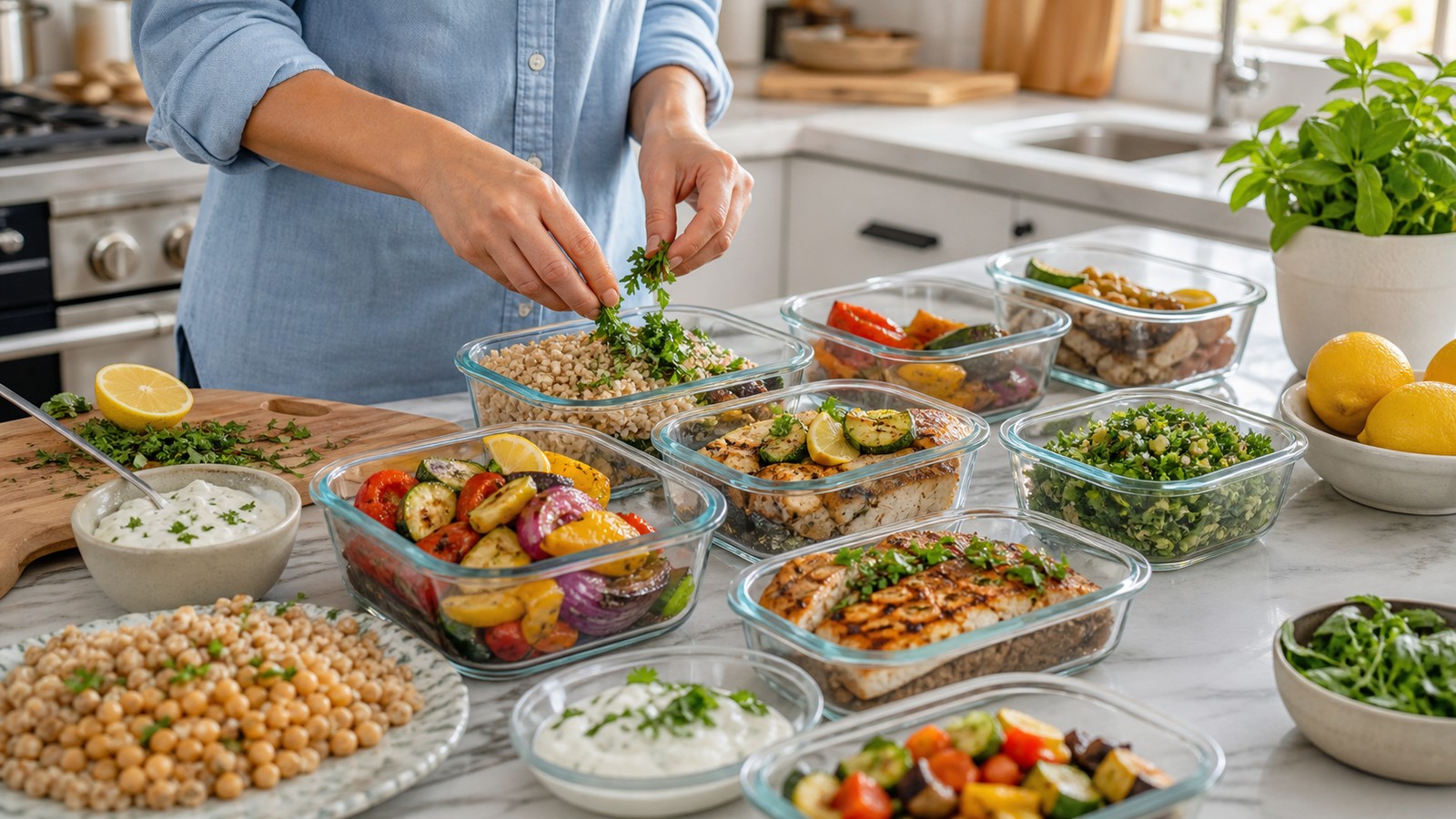
Choose two breakfasts, two lunches, and three or four dinners rather than designing twenty-one unique meals. Cook a pot of grain, wash produce, prepare one sauce, and make a bean dish or soup. These components can be recombined without producing identical plates.
A beginner week might include lentil soup, sheet-pan fish and vegetables, chickpea pasta, chicken with Greek-style salad, and bean tacos with avocado. Leftovers become lunch. One flexible evening can use restaurant food, convenience foods, or whatever needs to be used from the refrigerator.
Social rituals do not require alcohol. Sparkling water, tea, coffee, or a thoughtfully made nonalcoholic drink can occupy the same place at the table. The Mediterranean value worth preserving is connection around food, not a particular beverage.
Handle Wine Carefully
Wine is sometimes associated with Mediterranean meals, but it is not required and should not be started for health reasons. Alcohol increases several health risks and is unsafe in pregnancy, with certain medications or conditions, before driving, and for anyone who avoids it. Grapes do not become nutritionally necessary because they are fermented.
If an adult chooses to drink, current medical guidance and personal risk should shape the decision. Food, water, and modest quantity may reduce immediate harms, but no food pattern makes alcohol risk-free.
Adapt the Pattern to Your Life
For a lower budget, use dried or canned beans, seasonal produce, frozen vegetables, canned fish, oats, and store-brand whole grains. For a vegetarian version, emphasize legumes, tofu, eggs or dairy if used, nuts, seeds, and whole grains. Gluten-free eaters can choose rice, quinoa, corn, certified gluten-free oats, potatoes, and other safe foods.
Diabetes, kidney disease, digestive disorders, food allergies, pregnancy, eating-disorder history, and medication use may require modifications. A registered dietitian can translate the pattern to those needs. The Mediterranean diet is evidence-supported, but it is not a substitute for medical treatment.
Revisit your routine after a month and identify the changes that now feel easy. Keep those, simplify anything that creates waste, and choose the next improvement from a real gap. This prevents the diet from becoming a static checklist disconnected from your household.
Measure Success by the Pattern
Do not judge progress by whether every ingredient comes from a Mediterranean cookbook. Notice whether plants appear more often, beans have become normal, whole grains are easier to choose, and meals rely less on processed meat and heavily refined snacks. Those changes are the substance of the pattern.
Begin with two improvements this week and add another when they feel automatic. The result should be a flexible way of eating that you can maintain during busy weeks, travel, celebrations, and changing seasons. Consistency grows from meals you enjoy and can afford, not from completing a perfect seven-day menu.
Your Next Three Meals
Turn the guide into action by choosing only three upcoming meals. Add vegetables and beans to one familiar dinner, prepare a whole-grain breakfast, and build one lunch around leftovers with olive oil or nuts. These small trials reveal what your household likes without requiring a large investment. After those meals, keep the easiest success and revise the others. Perhaps canned lentils work better than dried, frozen vegetables fit your schedule, or fish needs a different seasoning. The Mediterranean pattern becomes yours through these practical adjustments, not through strict imitation of a sample menu.