A Food Pattern With Room for Real Life
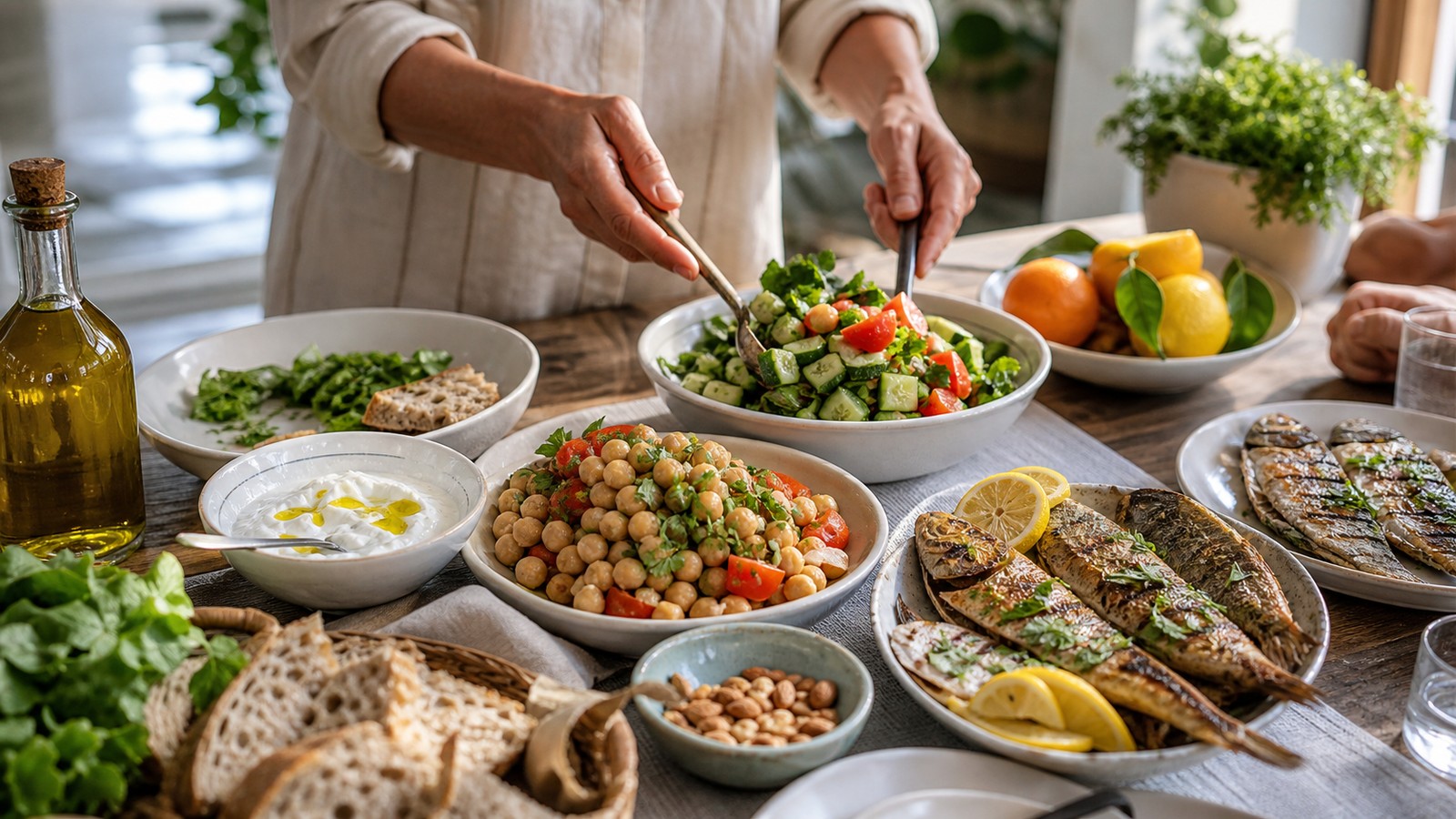
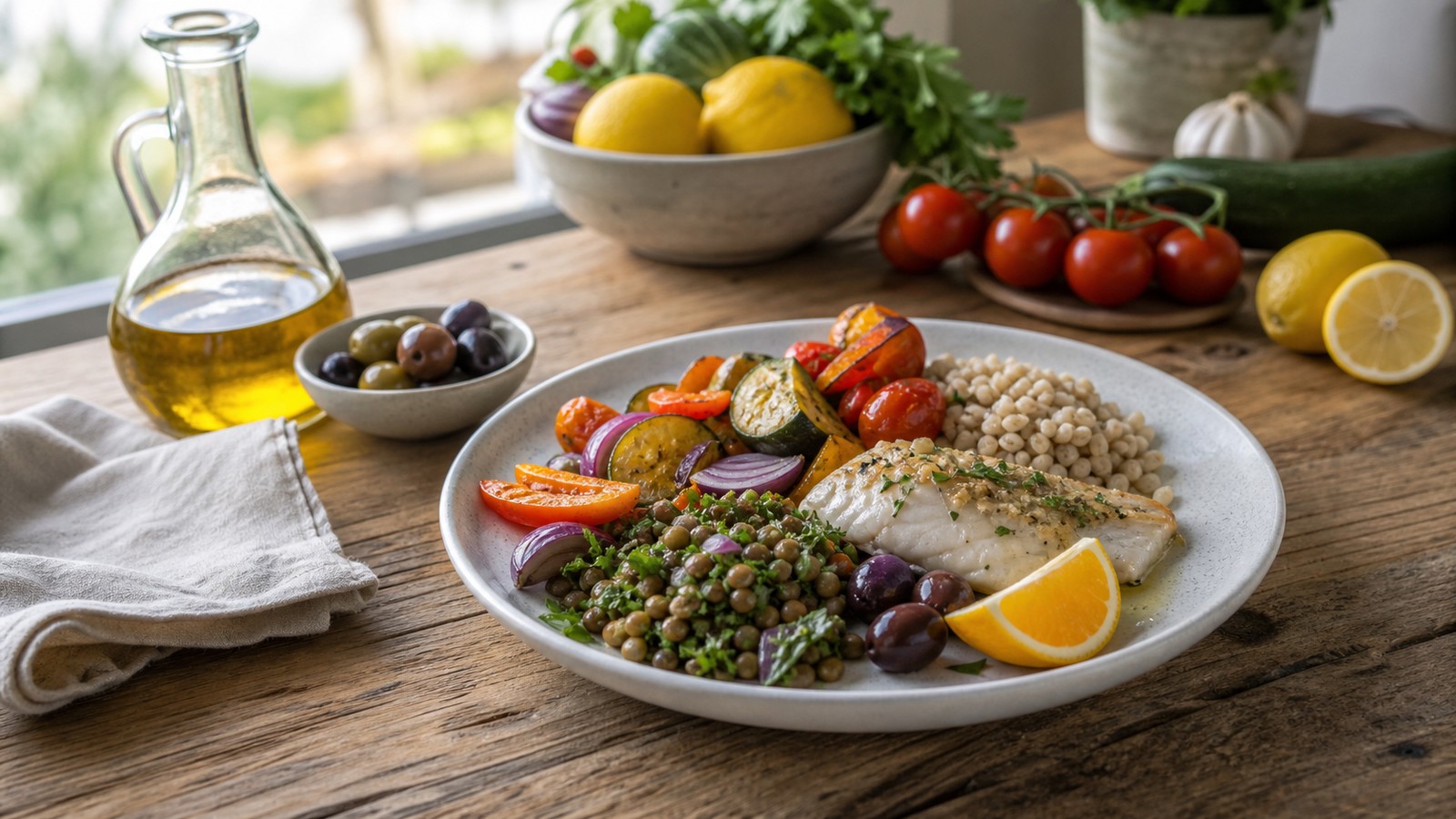
The Mediterranean diet describes a family of eating patterns associated with traditional cuisines in countries bordering the Mediterranean Sea. Its defining feature is not a single superfood or a strict macronutrient target. It is the overall balance: abundant vegetables, fruit, beans, lentils, whole grains, nuts, seeds, herbs, and olive oil; regular fish or seafood in many versions; moderate amounts of poultry, eggs, yogurt, and cheese; and less red meat, processed meat, sweets, and heavily refined food. Research has linked strong adherence to Mediterranean-style patterns with cardiovascular benefits and favorable health outcomes, although no diet can guarantee disease prevention for an individual. The pattern is appealing because it emphasizes foods to add and meals to enjoy rather than demanding exhaustive restriction. It can be adapted to different cultures, budgets, and dietary preferences while preserving its plant-forward foundation.
A: No; whole grains, fruit, beans, and starchy vegetables commonly contribute carbohydrate.
A: Extra virgin offers flavor and bioactive compounds, but accessible unsaturated oils can help.
A: No universal frequency fits everyone; follow medical guidance and practical preferences.
A: Yes, by centering legumes, soy, grains, nuts, seeds, vegetables, and fruit.
A: Yes, especially when prepared with vegetables, herbs, and reasonable added fat.
A: It can, with attention to sweeteners and individual caffeine tolerance.
A: Processed meats, sugary drinks, sweets, and highly refined foods are less frequent.
A: No, though portion awareness may help with a specific weight goal.
A: Changes vary, and long-term adherence matters more than a short trial.
A: No; coordinate diet changes with qualified healthcare professionals.
What the Mediterranean Diet Actually Means
The term covers several regional traditions rather than one historical menu. Coastal Greece, southern Italy, Spain, Turkey, North Africa, and the eastern Mediterranean differ in staple grains, seasonings, religious practices, and protein choices. Researchers identify common characteristics across these patterns and study them as a whole.
Those characteristics include a high intake of minimally processed plant foods, olive oil as a major added fat, frequent legumes and whole grains, and more fish than red or processed meat. Meals may include yogurt or cheese, and fruit often serves as an everyday sweet. Water is the basic beverage. Wine is sometimes depicted, but alcohol is optional and should never be started for health purposes.
Foods Emphasized Most Often
Vegetables form a central part of meals: leafy greens, tomatoes, peppers, eggplant, zucchini, onions, carrots, cabbage, and many others. Fruit supplies sweetness and variety. Fresh choices are useful, but frozen and no-sugar-added canned products can be equally practical. Seasonality is traditional, not mandatory.
Beans, chickpeas, lentils, and peas provide plant protein and fiber. Whole grains may include oats, barley, bulgur, farro, brown rice, corn, whole-wheat bread, and whole-grain pasta. Nuts and seeds contribute unsaturated fat, minerals, and texture. Herbs, spices, garlic, citrus, and vinegar build flavor without depending exclusively on salt.
Variety can be measured across the week instead of at every meal. A simple breakfast is compatible with colorful lunches and dinners later. This wider view reduces pressure to build a picture-perfect plate each time you eat.
Protein Sources in the Pattern
Fish and seafood are prominent in many Mediterranean-style diets. Fatty fish such as salmon, sardines, trout, and mackerel supply long-chain omega-3 fats, while shellfish and lean fish add variety. Mercury guidance, pregnancy, allergies, cost, and sustainability should influence selection.
Beans and lentils are not merely side dishes; they can anchor soups, stews, salads, spreads, and grain bowls. Poultry and eggs can fit, while yogurt and cheese are commonly used in moderate amounts. Red meat appears less frequently, and processed meat is limited. A vegetarian version can preserve the core pattern with legumes, soy foods, nuts, seeds, eggs, or dairy as appropriate.
The Role of Olive Oil and Fat
Olive oil, especially extra-virgin olive oil, is a defining source of added fat. It is rich in monounsaturated fat and contains bioactive compounds. It can replace butter, shortening, and some animal fats in dressings, sauces, sauteed dishes, and baked foods. Nuts, seeds, avocado, and fish broaden the unsaturated-fat profile.
Calling these fats “healthy” does not mean quantity is irrelevant. Fat is energy-dense. People pursuing weight loss may benefit from deliberate portions while still using enough oil, nuts, or sauce to make food satisfying. The health effect comes partly from what these foods replace within the pattern.
Cooking technique still matters. Oil used to roast vegetables or carry herbs serves a clear culinary purpose, while an unnoticed stream added after several other rich ingredients may not improve the dish. Taste as you go and add enough for flavor rather than symbolism.
Foods Included Less Often
Sugary drinks, sweets, refined snacks, processed meats, and large amounts of red meat are not central. Highly refined grains and heavily processed convenience foods are also less prominent than whole or minimally processed alternatives. These foods do not have to vanish; frequency and portion determine whether the foundation remains intact.
Butter, cream, and rich desserts may appear in traditional cuisines, but the research pattern is not defined by unlimited restaurant pasta or cheese. Likewise, a packaged item with “Mediterranean” on the label can be high in sodium, refined starch, or added sugar. Evaluate the food itself, not the theme printed on the package.
Potential Heart and Metabolic Benefits
The Mediterranean pattern is widely recommended for cardiovascular health. Its combination of unsaturated fats, fiber-rich plants, nuts, legumes, whole grains, and fish can support healthier blood-lipid patterns and blood pressure. A major randomized trial in adults at high cardiovascular risk found fewer major cardiovascular events among groups assigned Mediterranean diets supplemented with extra-virgin olive oil or nuts compared with a lower-fat control diet.
Evidence also associates the pattern with improved glycemic control and a lower risk of developing type 2 diabetes in some populations. Individual results depend on baseline health, total energy intake, medication, physical activity, sleep, and adherence. People with diabetes should coordinate dietary changes with their care team, particularly when medication can cause low blood glucose.
People respond differently to meal frequency and macronutrient balance. Some prefer three substantial meals; others need snacks or a different distribution of carbohydrate. The Mediterranean framework can accommodate those differences without becoming a separate named diet each time.
Weight, Fullness, and Long-Term Adherence
The Mediterranean diet is not inherently a weight-loss diet. Olive oil, nuts, cheese, bread, and other staples can provide substantial energy. Weight loss occurs when the overall pattern creates a sustained energy deficit. Its advantage for some people is that fiber, protein, minimally processed food, and enjoyable meals can make a moderate deficit easier to maintain.
Randomized diet studies generally show that several well-constructed patterns can produce weight loss when people adhere to them. The Mediterranean approach is one option, not a metabolic exception. Portion awareness may still be needed, especially with oils, nuts, restaurant food, alcohol, and sweets.
Brain Health and Healthy Aging
Observational research has connected Mediterranean-style eating with better cognitive outcomes, and trials continue to examine brain aging. The food pattern supports vascular health, which is relevant because the brain depends on healthy blood vessels. However, headlines can overstate certainty, and no diet has been proven to prevent dementia in every person.
Healthy aging also depends on movement, sleep, social connection, blood-pressure control, hearing care, tobacco avoidance, and management of diabetes and cholesterol. Mediterranean eating can contribute to that broader plan without replacing medical evaluation or treatment.
Fermented foods are optional rather than magical. Plain yogurt may be useful for people who tolerate dairy, while vegetables, legumes, and grains provide fermentable substrates regardless. Claims about a single food “resetting” the microbiome go beyond current evidence.
Digestive Health and the Microbiome
Vegetables, fruit, legumes, whole grains, nuts, and seeds provide diverse fibers that feed intestinal microbes. That diversity may support beneficial microbial activity and regular bowel function. Fermented foods such as yogurt can also contribute, though products and individual responses vary.
A large increase in fiber can cause gas, bloating, or changes in bowel habits. Increase gradually and drink fluid according to need. People with active gastrointestinal conditions, strict low-fiber instructions, or a prescribed low-FODMAP phase may need professional help adapting the pattern.
A Practical One-Day Meal Plan
Breakfast might be plain Greek yogurt topped with berries, oats, walnuts, and cinnamon. For a dairy-free meal, use fortified soy yogurt or oatmeal with nuts and fruit. Lunch could be lentil-and-vegetable soup with whole-grain bread and a tomato-cucumber salad dressed with olive oil and lemon.
Dinner might include baked salmon, roasted broccoli and peppers, and a moderate serving of potatoes or barley. A vegetarian alternative could use white beans or tofu with the same vegetables and grain. Snacks are optional and should reflect hunger: fruit with nuts, vegetables with hummus, or whole-grain toast with nut butter are examples.
Dessert can be fruit, yogurt, or a modest serving of a favorite sweet. Water is the default beverage. Coffee and tea can fit with attention to added sugar and cream. This example shows the proportions; it is not a prescription for every person’s calorie or nutrient needs.
How to Shop for the Pattern
Begin in the produce section, then add legumes, whole grains, fish or other proteins, yogurt if used, nuts, and olive oil. Frozen vegetables and fruit, canned beans, canned fish, and shelf-stable grains make the plan easier during busy weeks. Compare sodium in canned and packaged foods, and rinse beans when helpful.
Plan meals around overlapping ingredients. Spinach can enter eggs, soup, pasta, and salad. Chickpeas can become hummus, bowls, and stew. Roasted vegetables can accompany fish one night and fill a wrap the next day. This reduces cost and preparation without requiring repetitive meals.
Who May Need Modifications
People with kidney disease may have individualized potassium, phosphorus, protein, or sodium targets. Those taking warfarin need consistent vitamin K intake rather than avoiding greens without guidance. Food allergies, celiac disease, pregnancy, and digestive disorders also change ingredient choices.
Anyone with a history of disordered eating may need a nonrestrictive, professionally supported approach. The pattern should not become a new set of purity rules. A registered dietitian can adapt Mediterranean principles to medical needs, cultural foods, and realistic access.
Choose an environmental cue for each new habit. Place fruit where it is visible, keep beans near your cooking staples, or schedule fish on the day you shop. Small design choices reduce the amount of motivation required to repeat the pattern.
How to Start Without Overhauling Everything
Add one extra vegetable to dinner, eat beans twice this week, replace one processed-meat meal, and use olive oil in a dressing. Once those actions feel ordinary, add a whole-grain breakfast or fish meal if appropriate. Gradual changes provide time for taste preferences, digestion, shopping, and cooking routines to adjust.
The Mediterranean diet’s benefits arise from the complete pattern maintained over time. No single bottle of olive oil, handful of walnuts, or salmon dinner can reproduce it. Build a way of eating in which plants are abundant, fats are mostly unsaturated, proteins are varied, and enjoyable meals remain possible. That is both the scientific idea and the practical one.
The Most Important Takeaway
The Mediterranean diet is best understood as a durable pattern of choices that work together. Vegetables do not cancel processed meat, and olive oil does not transform an otherwise low-fiber diet. Benefits are more plausible when plant foods, unsaturated fats, varied proteins, and minimally processed staples consistently shape the week. Use the research as direction rather than a promise. Build meals you enjoy, adapt them to medical and cultural needs, and maintain preventive care alongside nutrition. The pattern’s strength is not exotic ingredients; it is the ordinary repetition of balanced foods in a form people can live with. It should remain recognizable during busy weeks, restaurant meals, celebrations, and seasonal changes rather than working only under ideal conditions and perfect daily schedules.