Fast Food Can Be More Flexible Than It Looks
Fast-food menus are designed around speed, consistency, and strong flavor, but they also contain enough variety to support many health goals. The most useful approach is not hunting for a flawless item. It is learning how to assemble an order that gives you protein, produce, satisfying carbohydrates, and an amount of food that matches your hunger. Sometimes that means choosing a grilled sandwich and fruit. Sometimes it means ordering the burger you want while changing the drink and side. Nutrition information can guide the decision, yet numbers alone cannot tell you whether a meal will keep you full, fit your medical needs, or feel worth eating. This guide offers a practical system for the moments when fast food is the realistic option: road trips, late workdays, kids’ activities, airports, tight budgets, and ordinary cravings. The goal is a repeatable choice, not a performance of dietary perfection.
A: It is usually less energy-dense, but your overall pattern and preference still matter.
A: Yes, when the portion meets your hunger and the components work for you.
A: Only when you prefer that choice or need it for a specific eating plan.
A: Yes; size them intentionally and consider what the rest of the tray provides.
A: They reduce sugar, though water remains the simplest everyday hydration choice.
A: Menus vary, so check current nutrition data instead of relying on assumptions.
A: Not necessarily; eggs, oatmeal, fruit, yogurt, and sensible portions can work well.
A: Choose simpler items, lighter sauces, fewer processed toppings, and lower-sodium meals elsewhere.
A: No; examine protein, fiber, sodium, preparation, and the complete meal.
A: Eat enough to function, choose water when practical, and resume variety later.
Define “Healthy” for This Particular Stop
A healthy fast-food order depends on context. Someone who needs a quick lunch before a physical shift may need more energy than a person buying a small snack between meals. A customer managing blood pressure may pay close attention to sodium, while someone with diabetes may focus on carbohydrate amount and pairing. Start with your immediate needs rather than a generic ranking of menu items.
Ask three questions: How hungry am I? How long must this meal sustain me? Which health concern matters most today? The answers help distinguish a complete meal from an impulsive bundle created by promotional pricing. Value meals are convenient, but they may provide more food than you intended simply because the components were packaged together.
Build Around a Reliable Protein
Protein tends to be the anchor that turns a snack-like order into a meal. Grilled chicken, a standard hamburger patty, eggs, beans, fish, chili, yogurt, and some plant-based patties can all contribute. Breaded chicken and fried fish also provide protein, but the coating and frying increase energy density. You can still choose them; just recognize how the rest of the order affects the overall meal.
More protein is not automatically better. Double and triple patties can drive sodium and saturated fat upward while crowding out produce and fiber. A single substantial serving paired with vegetables, fruit, beans, or a modest side often provides better balance. If a small sandwich will not satisfy you, adding a protein-rich side or extra vegetables may work better than relying on fries to fill the gap.
Breakfast and snack menus sometimes hide useful protein in plain sight. A carton of milk, plain yogurt, egg, bean cup, or small chili can strengthen an otherwise carbohydrate-heavy order. Combining two modest items may produce better staying power than selecting the largest sandwich available.
Look for Produce That Counts
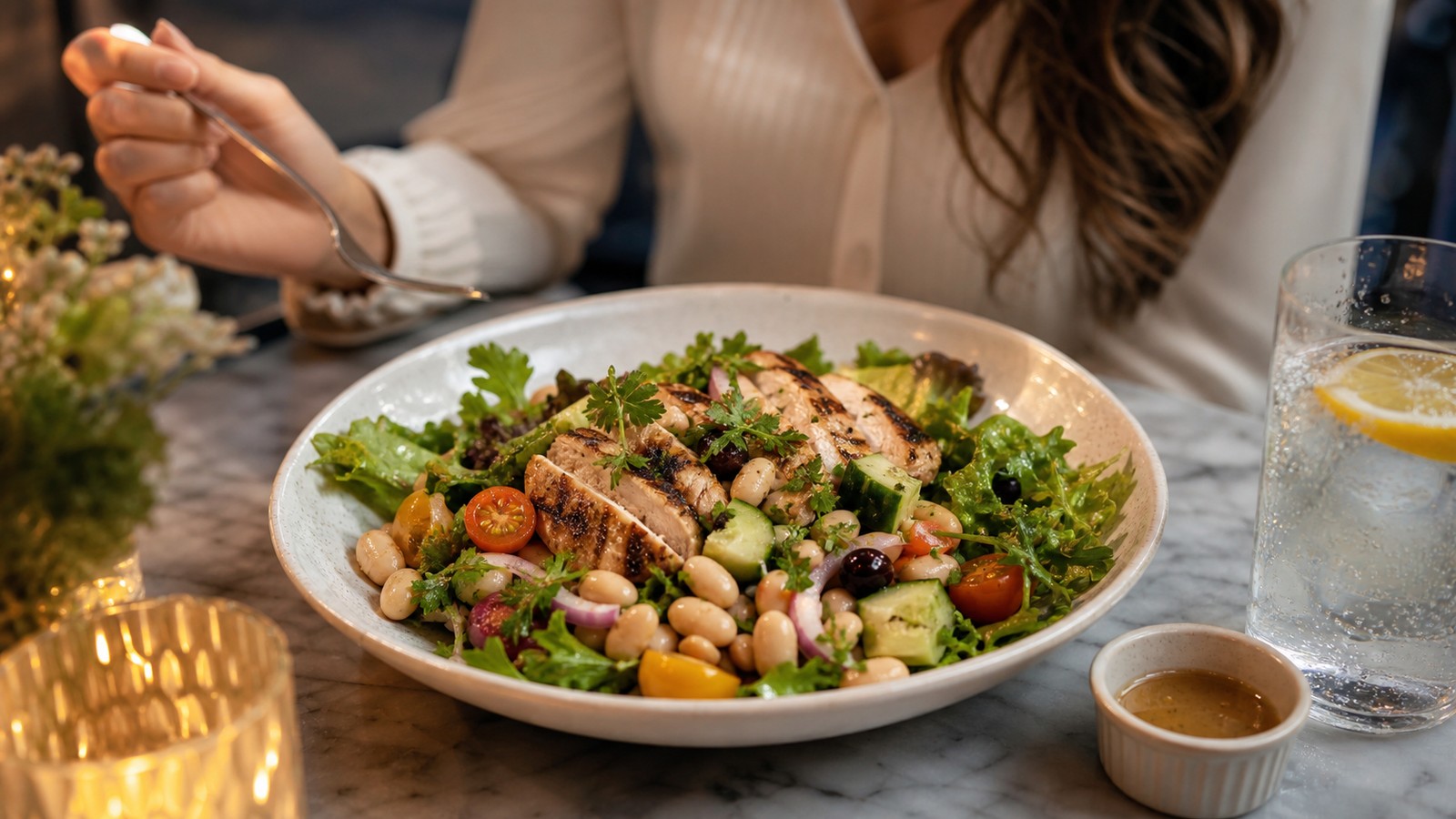
A tomato slice and shredded lettuce add freshness but do not create a vegetable-rich meal. Seek side salads, vegetable toppings, salsa, fajita vegetables, bean mixtures, fruit cups, apple slices, soups with vegetables, or bowls built over greens. Availability varies widely, so use what the restaurant actually offers rather than expecting every stop to resemble a home-cooked plate.
Produce sides can replace fries when that trade genuinely appeals to you. They can also accompany a small fries order. Combining the food you crave with an item that adds fiber and volume is often more satisfying than ordering a joyless substitute and continuing to think about the original choice.
Choose Carbohydrates With Intention
Buns, tortillas, rice, potatoes, oatmeal, biscuits, noodles, and fruit all supply carbohydrate. The aim is not to remove them automatically; carbohydrates are a major energy source. Consider portion, fiber, and what else appears in the meal. A whole-grain bun or oatmeal may provide more fiber, but availability and recipes differ.
“Lettuce-wrapped” can be useful for people who prefer it or need to adjust carbohydrate intake, yet it is not inherently superior. Removing the bun from a small sandwich may leave you hungry if no other carbohydrate or substantial side is present. Keep, reduce, or replace the starch according to your appetite and health plan, not internet rules.
Consider the rhythm of the day as well. An athlete eating before practice, a child between activities, and an office worker nearing bedtime may prefer different amounts. Fast-food nutrition becomes more sensible when the order responds to actual energy needs instead of a fixed rule about buns, rice, or potatoes.
Use Sauces, Cheese, and Toppings Strategically
Sauces create much of fast food’s signature appeal. Mayonnaise-based spreads, creamy dressings, cheese sauces, and sweet glazes can add significant calories, sodium, or sugar, especially when several appear together. Instead of stripping the order bare, identify which one provides the flavor you care about. Ask for a lighter amount, choose one sauce, or get it on the side when possible.
Cheese, avocado, nuts, and guacamole add energy but also flavor and, depending on the food, protein, fiber, or unsaturated fat. Their value cannot be judged by calories alone. A satisfying topping may help a meal feel complete. The practical concern is stacking every premium topping onto an already large entree without noticing.
Understand Fried Foods Without Banning Them
Frying increases calorie density because the coating absorbs oil, and fried foods are commonly high in sodium. If you eat them frequently, alternating with grilled, baked, roasted, or bean-based choices can improve the overall pattern. If fries or crispy chicken are the reason for the visit, order an amount you can enjoy and balance elsewhere.
Size changes are powerful. A small fries may deliver the taste and texture you want without dominating the tray. Sharing is another option, although it is not mandatory. Eat fried items while they are hot and appealing, pause when the quality declines, and avoid finishing them solely because they came with the meal.
Fryer oils and breading recipes vary, and calorie estimates cannot capture every piece perfectly. Precision is less important than frequency and size. If fried food appears several times each week, alternating preparations will matter more than trying to calculate the oil absorbed by one order.
Make Drinks a Conscious Part of the Order
Sugary soda, sweet tea, lemonade, shakes, and flavored coffees can contain a large amount of added sugar and may not produce the fullness of solid food. Water, sparkling water, unsweetened tea, plain coffee, or low-fat milk are useful defaults. Diet drinks reduce sugar and calories, though some people prefer to limit sweetness or avoid specific sweeteners.
A shake may function more like dessert than hydration. If you want one, choose a size that matches that role and consider whether you also need a full combo. There is no nutritional prize for ordering a sweet drink you do not particularly enjoy.
Navigate Common Fast-Food Formats
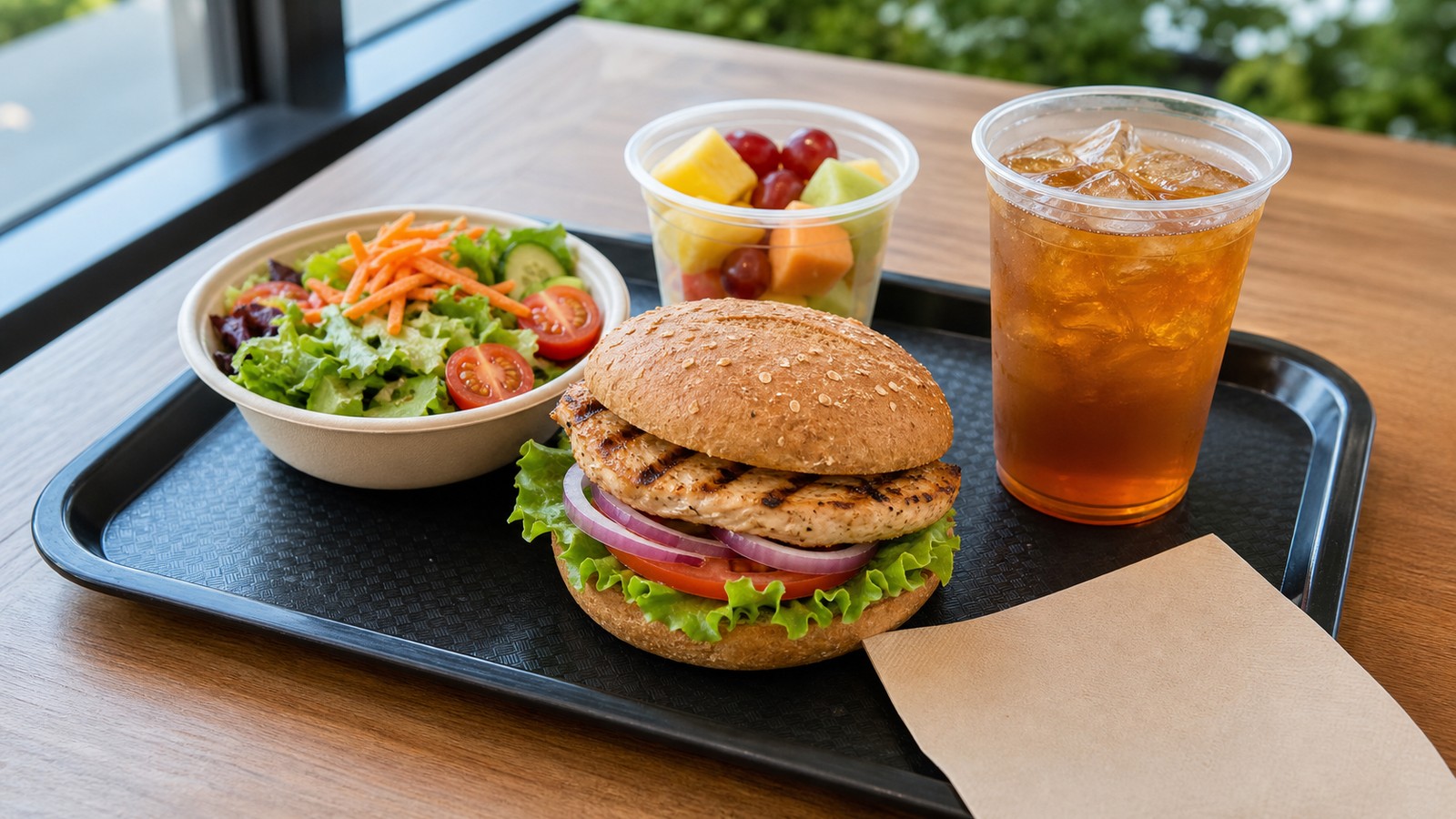
At burger restaurants, begin with a single burger or grilled chicken sandwich and add vegetables where possible. Choose fruit, salad, chili, or a small fries depending on hunger. At chicken restaurants, compare grilled pieces, tenders, sandwiches, and bowls; breading, sauces, biscuits, and large sides often change the meal more than the chicken itself.
At Mexican-style chains, bowls and tacos allow useful control. Beans, grilled protein, fajita vegetables, salsa, lettuce, and a moderate grain or tortilla base create a balanced foundation. Cheese, sour cream, queso, and guacamole can be chosen selectively. At sandwich shops, focus on bread size, a substantial filling, vegetables, and sauce. A foot-long sandwich is not automatically one meal.
Pizza can fit by pairing a few slices with salad, fruit, or vegetables and eating until comfortably satisfied. Thin crust may reduce calories per slice, but toppings, slice size, and number eaten matter. At Asian-style quick-service restaurants, prioritize vegetables and a protein you like, consider steamed rice or noodles in a portion that suits you, and use sauce quantity as a sodium and sugar lever.
Handle Breakfast Menus
Fast-food breakfast can supply useful protein through eggs, yogurt, milk, cheese, or meat. An egg sandwich with fruit, oatmeal with nuts, or a breakfast taco with beans can be practical. Biscuits, croissants, hash browns, and sweet coffee drinks are more energy-dense, so decide which item is the priority rather than ordering all of them by default.
Oatmeal deserves a label check because toppings and sweeteners vary. It can be filling when it includes nuts, seeds, milk, or yogurt, but a small sweetened cup may not sustain everyone. Likewise, removing the meat from a breakfast sandwich does not guarantee a balanced vegetarian meal if protein becomes minimal.
Use Nutrition Information Wisely
Chain restaurants often publish calories, sodium, saturated fat, carbohydrate, protein, and allergen information. Use it to compare similar choices and spot surprises, not to punish yourself. Sodium is especially high across many fast-food meals because salt supports flavor and consistency. People with hypertension, kidney disease, heart failure, or other sodium-sensitive conditions should follow individualized medical advice.
Online calculators are helpful when customization changes the standard item. Still, listed values are estimates and cannot capture every preparation difference. If tracking numbers increases anxiety or rigid behavior, rely on balanced components, moderate sizes, and guidance from a qualified professional.
Compare items within the same restaurant whenever possible because published recipes are standardized there. A number from one chain may not describe a visually similar sandwich elsewhere. Save a few combinations that work for you so urgent meals do not require a fresh spreadsheet-style analysis.
Protect Food-Allergy and Digestive Needs
Fast kitchens share grills, fryers, utensils, and preparation surfaces. An ingredient-free menu description does not ensure freedom from cross-contact. Review the restaurant’s current allergen guide, tell staff clearly about the allergy, and avoid a location when procedures cannot meet your required level of safety.
People with celiac disease, severe allergies, or medically necessary restrictions need more than casual substitutions. Those managing lactose intolerance, reflux, or irritable bowel symptoms can learn which sauces, onions, high-fat meals, spice levels, or large portions tend to trigger symptoms. Individual tolerance matters more than broad “safe food” lists.
Keep the Choice in Perspective
Fast food becomes nutritionally challenging when convenience repeatedly narrows variety, portions are routinely oversized, or sodium and sugary drinks dominate the pattern. One meal does not create those conditions. If fast food appears often in your week, rotate restaurants and orders, keep easy produce or snacks available, and choose a few dependable combinations.
You do not need to apologize for using a convenient food system. A thoughtful order can provide nourishment under real-life constraints. Pick an entree with staying power, add produce when available, choose the side and drink intentionally, and move on with your day. That calm consistency is far more useful than searching for a perfect menu item.
Home food can make convenience meals easier to balance. Keeping fruit, cut vegetables, yogurt, or unsalted nuts available lets you buy only the fast-food component you need. This hybrid approach is especially useful when nearby restaurants offer strong entrees but few produce sides.
A Useful Order Beats a Perfect One
The most nutritious theoretical choice has little value if it is unavailable, unaffordable, or so unsatisfying that you immediately seek more food. Select the best workable combination in front of you, eat enough for the next part of your day, and let the next meal provide whatever this one lacked. Flexibility is part of healthy eating, especially when convenience is the reason you stopped.