Healthy Restaurant Eating Is a Skill, Not a Test
A restaurant meal does not erase the habits you practice during the rest of the week. The bigger influence on health is your usual pattern, not one dinner, birthday, business lunch, or spontaneous night out. Still, dining away from home can make familiar cues harder to read: portions are larger, sauces are richer, vegetables may be scarce, and the social setting encourages people to eat past comfortable fullness. The answer is not to order the least appealing item or spend the meal calculating every bite. It is to arrive with a flexible plan, choose a meal that includes the foods you actually need, and make a few high-impact adjustments without turning dinner into a negotiation. Once you know how to scan a menu, ask useful questions, and recognize satisfaction, restaurant eating becomes less stressful. You can protect your goals, enjoy the food, and participate fully in the occasion.
A: Previewing can reduce pressure, but stay open to specials and appetite changes.
A: No; balance, portion, toppings, and satisfaction matter more than the category name.
A: No; decide whether bread is something you want and eat it attentively.
A: Use preparation clues, plate balance, and fullness instead of chasing false precision.
A: Yes, especially when you add produce or protein to create a complete meal.
A: It is useful only when sharing matches the amount and experience you want.
A: Survey first, select favorites, include balanced staples, and sit away from automatic refills.
A: A brief “this sounds good to me” closes the subject without defending your health goals.
A: Continue your normal movement routine rather than treating exercise as repayment.
A: Yes, when repeatable choices support variety, satisfaction, and your medical needs.
Start With the Purpose of the Meal
Before opening the menu, identify what matters tonight. A quick weekday lunch may call for steady energy and an easy portion. A special dinner may be about tasting a signature dish and sharing dessert. Both can belong in a healthy life, but they do not need the same strategy. Deciding what you value prevents the vague feeling that every appealing choice is somehow wrong.
It also helps to reject the idea that you must compensate before or after a restaurant visit. Skipping breakfast to “save calories” often produces intense hunger by dinner, when bread baskets and oversized starters are hardest to navigate. Eat normally earlier in the day, including protein, produce, and fiber-rich carbohydrates. You will arrive ready to choose rather than desperate to eat.
Read the Menu for Structure
Menu descriptions contain clues about how a dish is built. Words such as grilled, roasted, baked, steamed, poached, broiled, tomato-based, or herb-marinated often point toward preparations with less added fat than battered, crispy, smothered, creamy, loaded, or butter-finished dishes. These words are not moral labels. They simply help you estimate where a meal’s richness comes from and decide whether it matches what you want.
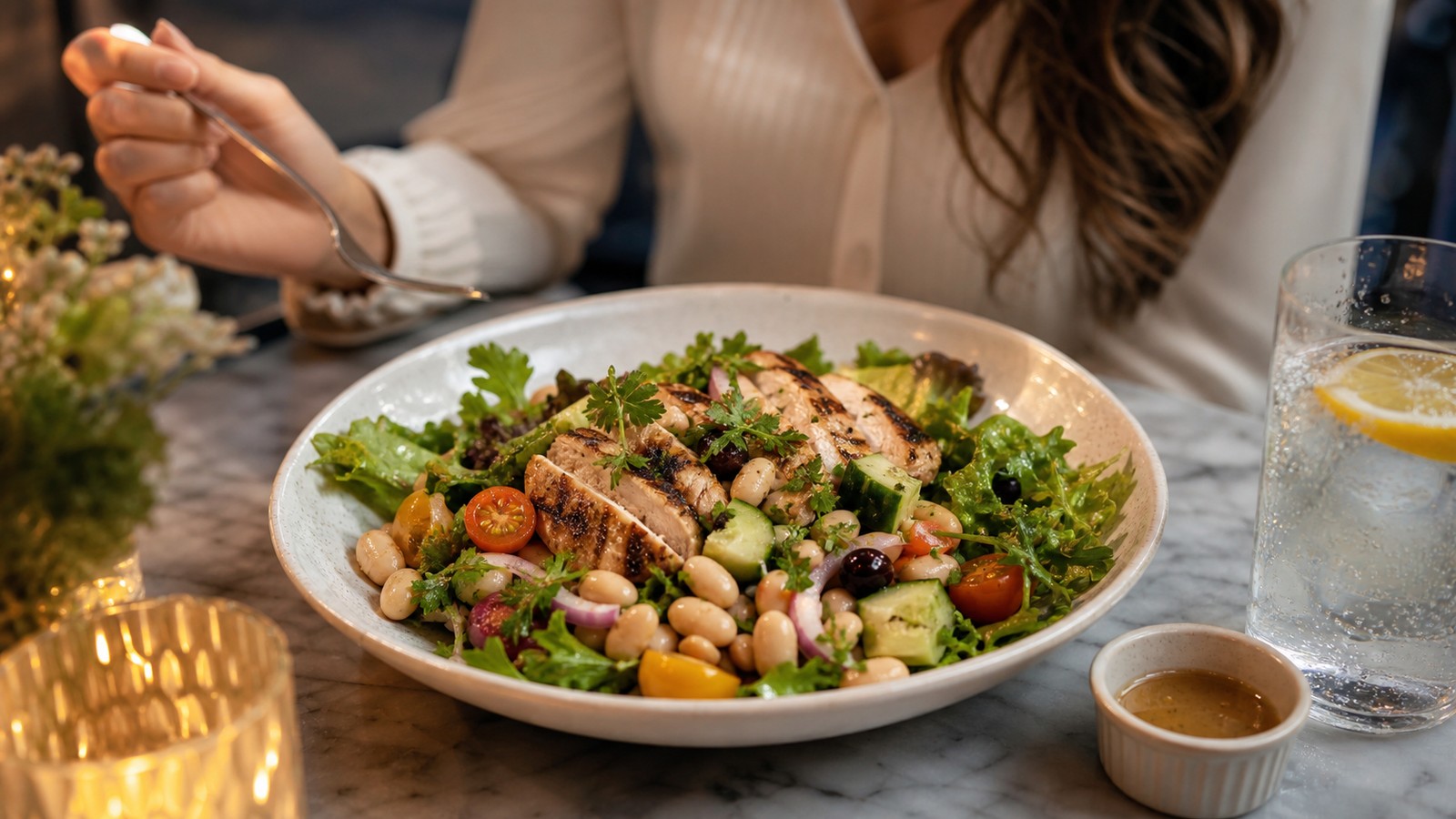
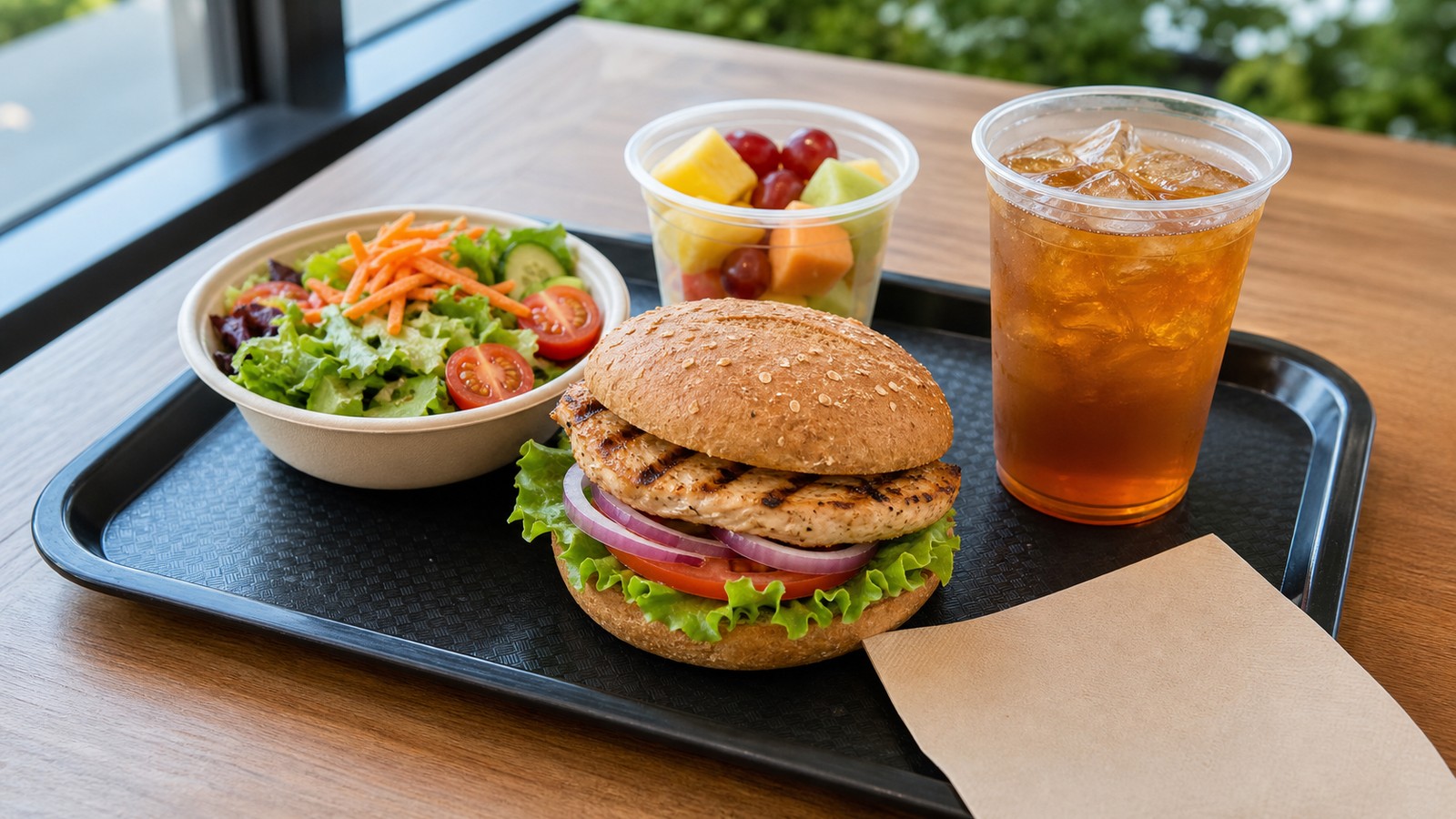
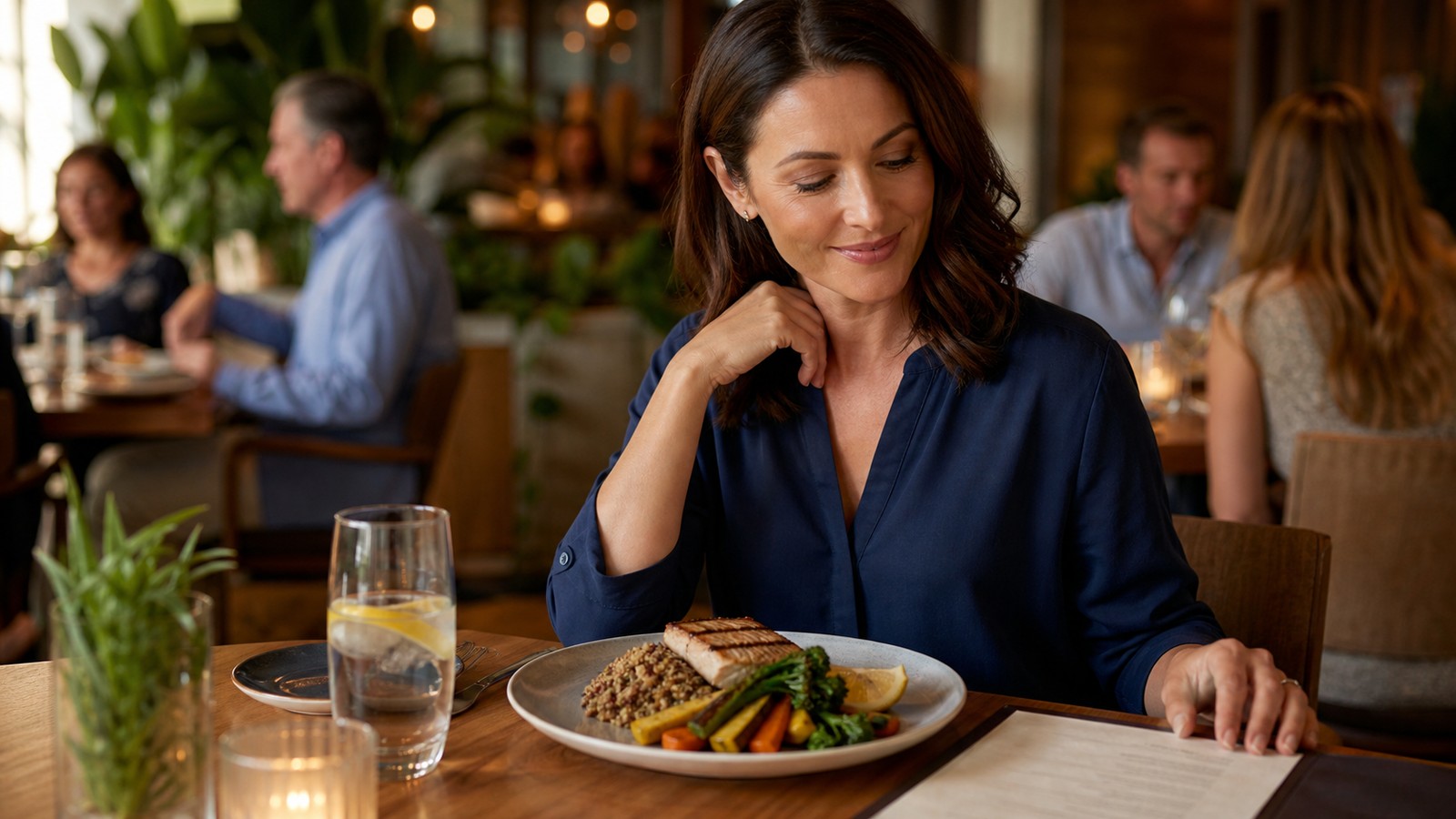
Look beyond the name of the entree and identify its components. A satisfying meal usually has a clear protein source, at least one substantial vegetable, and a carbohydrate that supports energy and enjoyment. A salad topped with a few decorative chicken strips may be less sustaining than grilled fish with potatoes and green beans. “Healthy” sounding language is less useful than the actual balance on the plate.
When the menu is long, narrow it quickly. Choose a protein or main style first, compare two or three candidates, and stop scanning after you have found a meal that sounds both nourishing and enjoyable. Repeatedly reopening the decision can make an ordinary order feel unnecessarily consequential.
Use Questions That Change the Meal
Servers answer preparation questions every day. Ask where the sauce is used, whether vegetables can replace one side, or if a protein can be grilled instead of fried. A precise request is easier for the kitchen than asking for a dish to be made “healthy.” For example, request dressing on the side, vegetables cooked with light oil, or a baked potato with toppings separate.
Not every modification is worth making. Removing cheese, avocado, nuts, dressing, and croutons from the same salad may leave a large bowl of leaves that does not satisfy you. Keep the ingredients that provide flavor and staying power, then adjust the one or two extras that contribute more than you value. A small amount of a favorite sauce can make vegetables and lean protein genuinely enjoyable.
Build a Satisfying Plate
Use a simple visual model when portions are unfamiliar. Let vegetables or fruit occupy a generous share of the meal, include a palm-sized or larger serving of protein depending on your needs, and keep a comfortable portion of grains, bread, potatoes, or another starch. Restaurant plates rarely arrive in these proportions, so you may need to order a vegetable side, save part of a huge starch serving, or share an oversized protein.
Protein and fiber deserve special attention because they support fullness. Fish, poultry, lean meat, tofu, beans, lentils, eggs, and yogurt-based dishes can all work. Pair them with vegetables, beans, whole grains, or fruit where available. Fat from olive oil, nuts, seeds, avocado, cheese, or sauce adds flavor and satisfaction; the practical goal is awareness, not elimination.
If the available sides do not create the balance you want, order across menu categories. A cup of soup, vegetable appetizer, or side salad can complete an entree that is otherwise mostly protein and starch. Combining smaller components is often more flexible than expecting one listed dish to meet every need.
Handle Portions Before You Are Overfull
Restaurant servings are shaped by value expectations, not by one person’s appetite. You are allowed to stop even when food remains. Pause around the midpoint of the meal, put down your utensils, take a sip, and notice whether the food still tastes as vivid as it did at the beginning. Comfortable fullness often appears before the plate looks finished.
If a serving is predictably enormous, decide early whether to share it or take some home. Moving half into a takeout container immediately works for some people, while others prefer to eat attentively and pack what remains. Choose the method that feels least distracting. The purpose is to make room for your internal signals, not impose a rigid half-portion rule.
Starters can quietly turn into a full meal before the entree arrives. If the table wants appetizers, select one or two that everyone genuinely wants and place a reasonable share on your plate. Eating directly from communal dishes makes quantity difficult to notice, especially during lively conversation.
Value also deserves a broader definition. Taking leftovers home can turn one restaurant price into two enjoyable meals, while eating beyond comfort does not recover more value from the bill. When leftovers will travel safely, ask for a container early enough that the remaining food stays appealing.
Choose Drinks Deliberately
Water, sparkling water, unsweetened tea, or coffee keeps hydration simple. Alcoholic drinks, sweet tea, lemonade, specialty coffees, and cocktails can add substantial energy without much fullness, but that does not make them forbidden. Decide whether the drink is part of the experience you value. If it is, choose one you will enjoy slowly rather than accepting automatic refills.
Alcohol also lowers inhibition and can blur fullness cues. Eating some food before or with a drink, alternating with water, and setting a limit before ordering are practical measures. Anyone who is pregnant, taking interacting medication, managing certain health conditions, driving, or avoiding alcohol should choose a nonalcoholic option.
Refill culture can make beverages feel invisible. Notice when a glass is replaced or topped off, particularly with sweet drinks and alcohol. You can ask for water after the first serving, decline another pour, or keep a nearly full glass at the table so hospitality does not automatically become additional consumption.
Approach Cuisine-Specific Menus With Flexibility
At Italian restaurants, tomato-based pasta, grilled seafood, bean soups, salads, and vegetable sides offer useful building blocks. You can enjoy creamy pasta or pizza too; balance may mean sharing an appetizer, adding salad, or taking home part of a large entree. At Mexican restaurants, fajitas, grilled meats, beans, salsa, vegetables, corn tortillas, and bowls make customizable meals. Chips are easiest to enjoy intentionally when you place some on a small plate rather than reaching continuously.
Asian cuisines vary enormously, but steamed rice, noodle soups, stir-fries, grilled skewers, sushi, tofu, vegetables, and broth-based dishes provide many options. Ask about sauce quantity if sodium or sweetness is a concern. At steakhouses, select the cut and portion you want, then use vegetable sides and a potato or grain to complete the meal. There is no need to turn every cuisine into grilled chicken and lettuce.
Make Room for Dessert Without the Drama
Dessert can be planned rather than “earned.” Check whether you still want something sweet after the entree and whether the restaurant offers an item that feels special. Sharing works well when you want several satisfying bites, but ordering your own dessert is also reasonable. Eat it slowly enough to notice when enjoyment begins to fade.
If dessert is not important tonight, coffee, tea, fruit, or simply finishing the meal may feel better. Declining should be as neutral as accepting. A healthy relationship with food allows both choices without a promise to exercise them off tomorrow.
Special occasions sometimes include several sweet moments: a cocktail, birthday cake, and late-night snack, for example. You can participate in all of them, but checking which experience matters most may improve enjoyment. Intentional selection is not deprivation; it keeps one celebration from becoming a blur of foods you barely noticed.
Respond Calmly When the Meal Is Richer Than Planned
Sometimes the portion is larger, the vegetables arrive drenched in oil, or you eat beyond comfortable fullness. Nothing needs to be repaired with fasting or punishing exercise. Return to your regular meals, drink water according to thirst, and notice what would help next time. One experience can provide information without becoming a verdict on your discipline.
Temporary scale changes after restaurant meals often reflect sodium, carbohydrate storage, digestive contents, and fluid shifts rather than immediate body-fat gain. Give your body time to settle. Consistency grows from ordinary next steps, not dramatic correction.
Create a Personal Restaurant Routine
A dependable routine reduces decision fatigue. You might preview the menu, eat a normal snack if dinner will be late, begin with water, identify protein and produce, and pause halfway through. Keep the sequence light enough that it supports the evening instead of controlling it.
With practice, you will also learn which choices leave you energized and which leave you uncomfortable. That knowledge is more useful than a universal list of approved dishes. Restaurant eating becomes sustainable when your order respects health needs, appetite, culture, budget, pleasure, and the reason you came. The best choice is not always the lowest-calorie plate; it is the one that fits your life and helps you leave both satisfied and well.
Keep a few dependable orders for restaurants you visit often, but do not let them become rules. Seasonal menus, changing appetite, and social occasions will call for different choices. Confidence comes from knowing you can adapt the same principles rather than needing an exact approved meal everywhere you go.
Enjoy the Meal You Chose
Once the order is placed, let the decision end. Constantly evaluating whether another person’s dish is healthier or whether your choice was optimal pulls attention away from taste and company. Eat with enough presence to notice both pleasure and comfort, and allow the meal to be an experience rather than a nutrition exam.
That freedom is supported by preparation, not by ignoring health. You considered hunger, balance, portions, and what mattered tonight. The remaining task is simply to eat, connect, and return to your normal pattern afterward. A restaurant routine is successful when it makes healthy choices easier and the evening itself more enjoyable.