The Better Fat Choice Depends on What It Replaces
Standing in front of cooking oils, it is easy to feel that nutrition has turned an ordinary grocery decision into a chemistry exam. One bottle promises purity, another advertises a fruit source, and an online video insists that the inexpensive oil already in your cupboard is dangerous. The useful scientific comparison begins somewhere simpler: which kinds of fat dominate the food, what will you replace with it, and how does the choice fit the meals you actually eat? A little butter in a favorite dish does not make a diet a failure, and a generous pour of fashionable oil does not automatically improve a meal. Understanding unsaturated, saturated, and trans fats gives you a practical way to make better substitutions while keeping flavor, affordability, and cooking needs in view. The aim is a repeatable eating pattern, supported by evidence, that works in an ordinary kitchen.
A: No. Consider the overall pattern and useful substitutions rather than demanding zero intake.
A: No. Both are plant-derived, but their fatty-acid profiles differ substantially.
A: No. Freshness, composition, use, and the wider diet matter more than price alone.
A: Yes. Ordinary liquid plant oils can serve as practical unsaturated-fat sources.
A: Adding changes total intake; replacement changes which ingredient supplies the fat.
A: They offer different nutrients, textures, and meal roles even when both supply unsaturated fat.
A: No. Match the oil to cooking conditions while also considering flavor, freshness, and composition.
A: Individual responses vary, so meaningful goals should be assessed with appropriate follow-up.
A: A modest intentional use can coexist with a pattern that relies more often on unsaturated fats.
A: Choose one frequent meal and test a substitution that remains affordable and enjoyable.
Different Fat Names Describe Different Structures
Dietary fats are mixtures of fatty acids rather than single substances with one simple effect. Saturated fatty acids have no carbon-to-carbon double bonds, monounsaturated fatty acids have one, and polyunsaturated fatty acids have more than one. Those structural differences influence physical behavior and metabolism. You do not need to memorize chemical diagrams, but the names help explain why two foods with similar total fat amounts can have different nutritional profiles.
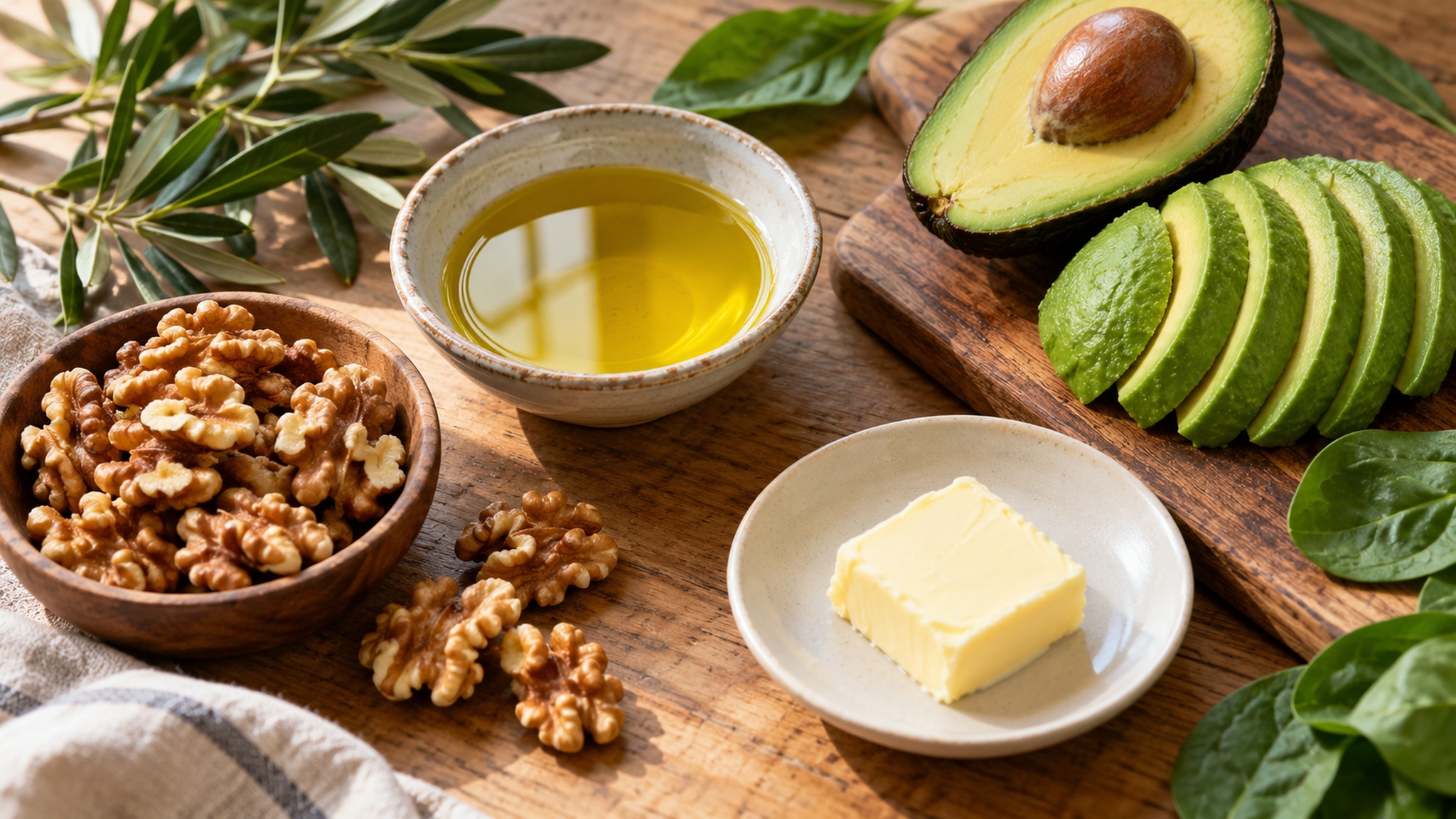
Olive oil is rich in monounsaturated fat, while many other liquid plant oils supply a larger share of polyunsaturated fat. Butter, coconut oil, and several animal fats have substantial saturated fat. Each still contains a mixture, so calling a food an unsaturated-fat source does not mean it contains zero saturated fat. For shopping purposes, compare the overall composition instead of treating one ingredient name as a complete nutrition assessment.
Replacement Is the Central Scientific Comparison
When a diet contains less of one nutrient, something else usually supplies the energy that was removed. Replacing a butter-heavy cooking routine with a liquid plant oil is different from replacing it with sweetened drinks or refined snacks. The World Health Organization recommends replacing saturated fat with polyunsaturated fat, plant-source monounsaturated fat, or carbohydrate from naturally fiber-rich foods. That distinction explains why the phrase “eat less fat” is less useful than specifying what takes its place. WHO guidance on saturated and trans fats.
Think of a breakfast example. Toast with a thick layer of butter can become toast with mashed avocado, or it can become a low-fat pastry eaten on the way to work. Both changes may reduce the butter, but they change the whole meal in different ways. The first introduces a different food matrix and fatty-acid pattern; the second may trade one limitation for another. A substitution deserves evaluation as a meal, with attention to satisfaction and the other foods it displaces.
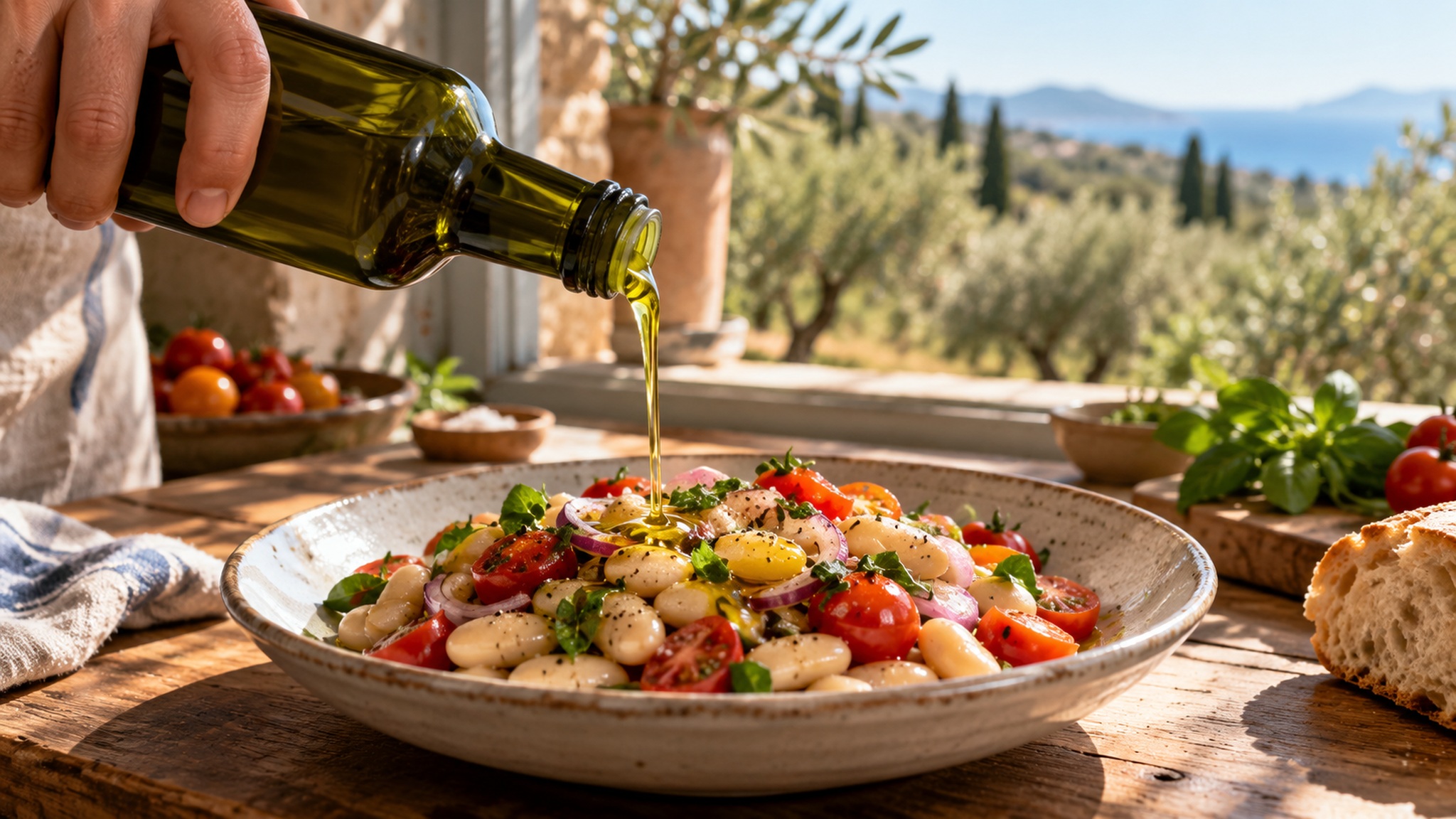
This also clarifies the difference between adding and exchanging. Pouring olive oil over a meal while leaving every previous source of fat unchanged is an addition. Using it in a dressing that replaces a cream-heavy sauce is an exchange. Neither situation is automatically wrong, but they answer different questions. If your goal is to change dietary fat quality, identify the ingredient or habit being replaced so the intended improvement is concrete.
Saturated Fat and Trans Fat Are Not Interchangeable
The term “unhealthy fat” often bundles together saturated fat and trans fat, obscuring their different origins and implications. Industrial trans fats were historically produced through partial hydrogenation and used for texture and shelf life in certain foods. Saturated fat occurs widely in ordinary ingredients, and reducing its share does not require eliminating every food that contains it. Treating these categories as identical encourages unnecessary fear around a spoonful of yogurt or an occasional dessert. A more useful approach recognizes that ingredient composition, quantity, and the wider dietary pattern all influence the decision.
Cholesterol Claims Need the Right Level of Precision
Blood lipids are one reason fat quality receives attention in cardiovascular nutrition. However, a label saying an oil is cholesterol-free describes the product, not a guarantee about your future blood tests. Plant oils generally do not contain dietary cholesterol, but that shared feature does not make their fatty-acid profiles identical. Coconut oil and olive oil can both carry such a claim while serving different nutritional roles. Read beyond the front label before concluding that two products are equivalent.
Likewise, a food cannot promise a particular reduction in your cholesterol merely because a study reported an average benefit. Your baseline diet, genetics, health conditions, medications, and the actual substitution affect the response. If cholesterol management is the goal, use dietary changes alongside appropriate monitoring and clinical advice. A kitchen habit can be a useful part of care without becoming an alternative to treatment that your clinician has recommended.
Seed-Oil Arguments Often Mix Up the Ingredient and the Meal
Many online arguments describe seed oils as inherently harmful because they contain omega-6 polyunsaturated fats. The American Heart Association does not recommend avoiding these oils as a category and emphasizes the evidence supporting replacement of saturated fats with unsaturated fats. A modest amount used to cook vegetables should not be equated with an eating pattern dominated by fried snacks. The meal, amount, and replacement matter. AHA discussion of seed oils.
Consider the practical consequences of a blanket ban. A household might stop buying an affordable cooking oil and replace it with butter because the word “natural” feels reassuring. Another might spend substantially more on a specialty bottle and then reduce purchases of vegetables or beans. Those changes should be judged by their total effect on eating, not by whether they satisfy a social-media rule. Cost and access are part of a sustainable nutrition decision.
It is still reasonable to limit foods that happen to contain seed oils when those foods are not serving your needs well. The explanation should identify the actual issue: frequent deep-fried meals, large portions, high sodium, or displacement of more varied foods. That is different from claiming that a small amount of oil in a homemade bean dish makes the dish harmful. Precise explanations help you improve meals without turning ingredient lists into a source of constant anxiety.
Cooking Conditions Change the Kitchen Decision
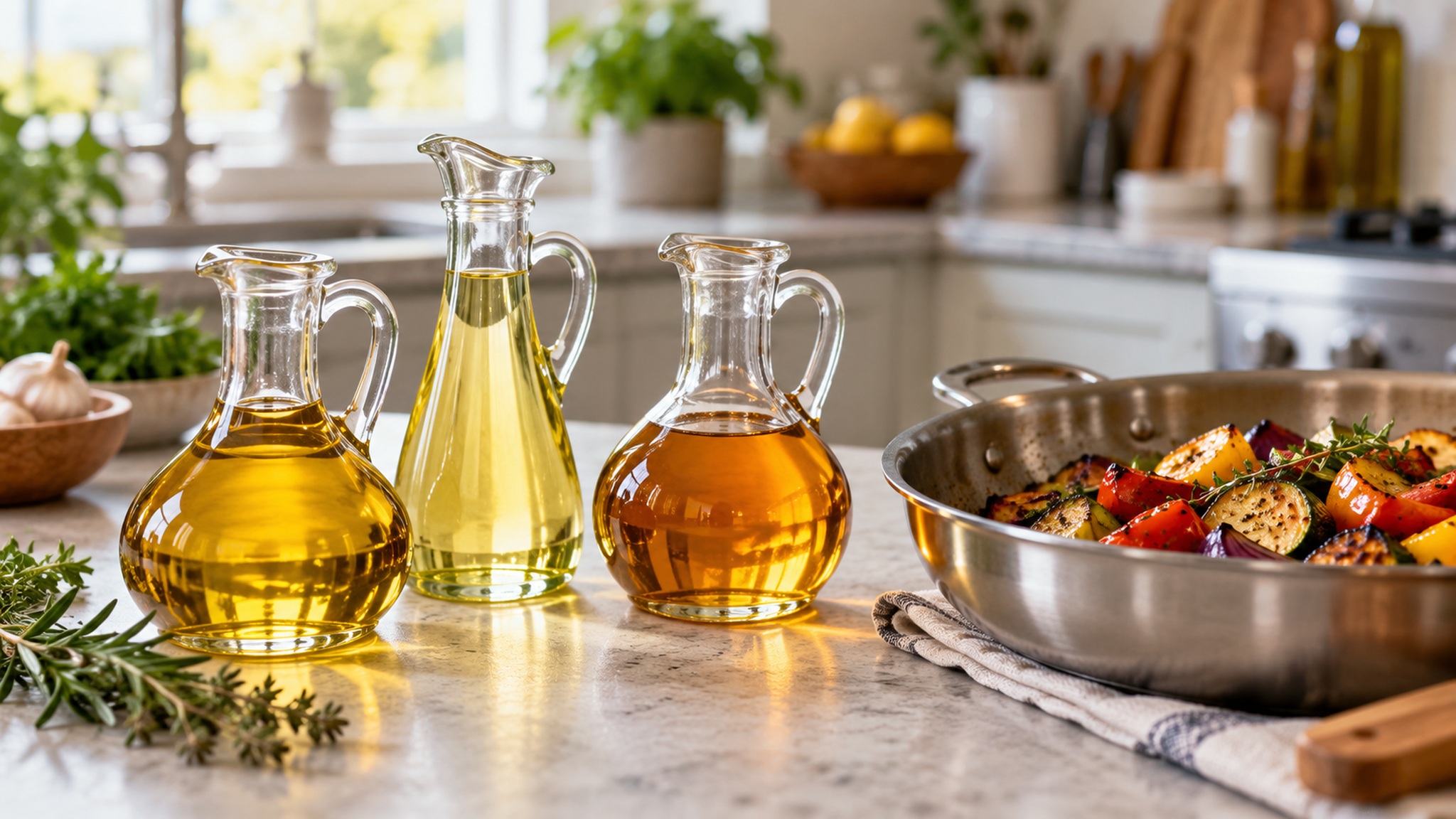
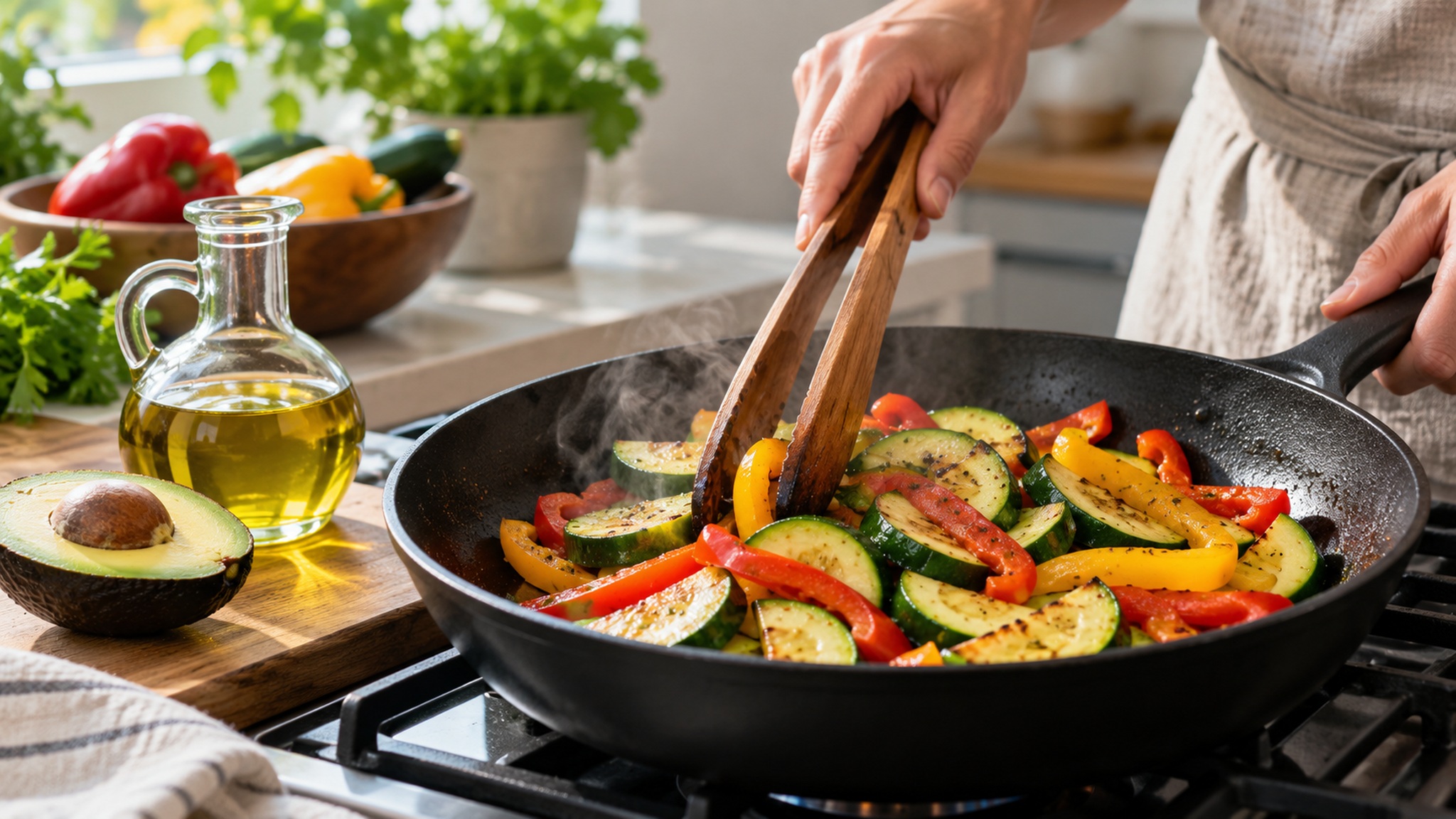
A fat that works in salad dressing may not be your favorite choice for a hot pan, and an oil chosen for a neutral flavor may be disappointing as a finishing drizzle. Match the ingredient to the task. Use moderate heat when the recipe allows it, avoid leaving oil heating unattended, and reduce the temperature if it begins smoking. These habits are useful regardless of whether the bottle is expensive, cold-pressed, or promoted as a premium product.
Smoke point is a kitchen characteristic rather than a comprehensive health score. It cannot tell you everything about an oil’s freshness, composition, cooking duration, or the quality of the finished food. A recipe that needs brief sautéing does not require the same decision as repeated deep frying. For most home cooks, a suitable everyday liquid oil, sensible heat control, and a willingness to discard deteriorated oil are more helpful than chasing one supposedly perfect temperature number.
The Whole Food Brings More Than Its Fat
Oil is a concentrated ingredient, whereas nuts, seeds, avocado, and fish come with other components that shape a meal. A handful of nuts and a spoonful of oil can both supply unsaturated fat, but they are not interchangeable in texture, convenience, or the nutrients they contribute. This is why it helps to discuss fat sources rather than treating isolated fatty acids as the entire diet. A sandwich with avocado, a bean salad with seeds, and vegetables cooked in olive oil are different routes to a varied pattern.
Portions and Practicality Belong in the Same Conversation
Choosing a more favorable fat does not remove the need to decide how much belongs in a dish. Oils are concentrated, so a free pour can be larger than intended even when the ingredient is useful. Try measuring the amount once while preparing a familiar recipe, then notice how it coats the food and affects the result. This is a calibration exercise, not a requirement to weigh every meal indefinitely. The goal is to make the amount intentional.
Portion needs also vary with the person and the rest of the meal. Someone trying to eat enough with a poor appetite may benefit from adding an energy-dense ingredient, while someone seeking a lighter dressing may prefer more lemon juice, yogurt, or water in the mixture. Neither person needs a universal rule that all oil must be minimized or all meals must receive an extra drizzle. Appetite, energy needs, taste, and health priorities help determine the appropriate role.
Budget can simplify the choice rather than complicate it. Buy an oil you enjoy, can afford, and will use before its flavor deteriorates. A large specialty bottle that sits open for months is not automatically a better purchase than a smaller everyday bottle. Store it closed, away from heat and direct light, and do not assume the printed date compensates for poor storage. Keeping one dependable cooking oil and one optional flavor oil can reduce clutter and make decisions easier.
Build a Fat Pattern You Can Repeat
Start by reviewing your most frequent meals rather than listing every fat you have eaten recently. Perhaps butter is the usual cooking base, cream sauces appear several nights a week, or a favorite lunch has few plant foods. Choose one recurring place where a different ingredient would still produce a meal you like. Roasted vegetables with a measured amount of liquid oil, a bean-based spread, or a dressing built around oil and acidity are practical experiments. Keep the option that tastes good enough to become ordinary.
A Mediterranean-style pattern provides one well-studied example of how fats can fit into broader eating habits. In the PREDIMED trial, higher-risk adults assigned to Mediterranean diets supplemented with extra-virgin olive oil or nuts had fewer major cardiovascular events than the control group; the corrected publication addressed allocation problems. The trial supports a dietary approach rather than proving that one bottle prevents disease on its own. PREDIMED trial report. Use that perspective to make your own meals more coherent: varied plant foods, suitable protein, enjoyable flavors, and fats chosen for their role in the pattern.
Keep Food Decisions in Proportion
A useful fat decision should simplify the next shopping trip rather than send you back to research every meal. You can decide that an affordable liquid oil is your usual cooking ingredient, keep a favorite richer food for the occasions when its flavor matters, and use whole nuts or avocado when those foods suit the dish. That arrangement leaves more attention for the parts of eating that a bottle cannot resolve: making time for meals, buying ingredients you will use, and preparing food in a way your household enjoys. When a new claim appears, compare it with those concrete habits before making another purchase or removing another food. If the claim cannot explain what you should replace, why the evidence applies, and how the change improves a real meal, it may offer more distraction than direction; the strongest nutrition habits are the ones you can understand, afford, and repeat without continually renegotiating the entire menu.