The Better Weight-Loss Diet Is the One That Creates a Livable Deficit
Flexitarian and vegetarian diets can both support weight loss, but neither causes it automatically. A flexitarian pattern emphasizes plant foods while allowing meat or fish selectively; a vegetarian pattern excludes meat and usually fish while possibly including eggs and dairy. Both can increase fiber-rich foods and reduce energy-dense processed meat, yet both can also be built around refined grains, cheese, sweets, restaurant portions, or frequent snacks. Fat loss occurs when average energy intake remains below expenditure over time, while protein, fiber, meal volume, food enjoyment, sleep, activity, and adherence influence how manageable that deficit feels. Flexitarian eating offers more social and protein flexibility. Vegetarian eating provides a clearer boundary that may simplify decisions. The winner depends less on the label than on food quality, portions, nutritional planning, and which set of rules you can maintain without rebound eating or excessive restriction.
A: Neither automatically; ingredients and portions determine energy.
A: Flexitarian offers more sources, but vegetarian diets can meet needs.
A: No, fat loss depends on the sustained energy deficit.
A: The pattern with adequate protein, fiber, volume, and satisfaction.
A: Yes, you can use vegetarian defaults while allowing selected flexitarian meals.
A: Flexitarian is often easier, though location matters.
A: They can add protein, but labels and portions still matter.
A: Both can be economical when beans and grains replace premium products.
A: No, though some people find temporary tracking informative.
A: Health, adherence, values, food access, and quality of life.
Compare the Rules First
Flexitarian eating has no fixed exclusion. Meat can appear daily in small amounts or occasionally in larger ones, depending on the person. Vegetarian eating creates a clearer line: meat and usually fish are absent.
Clear rules help some people reduce decisions, while flexible rules help others navigate restaurants, family meals, and cravings. Neither psychological style is universally better.
Write each approach as behavior rather than identity. “Four plant-based dinners and meat twice weekly” can be compared with “no meat, protein at every meal.” Concrete plans reveal differences that labels hide.
A trial should also define restaurant and holiday choices. Ambiguity tends to appear at precisely the moments when hunger and social pressure are highest.
How Either Pattern Can Lower Calories
Beans, lentils, vegetables, fruit, and whole grains often provide fiber and volume for fewer calories than fatty meat, fried food, and many processed snacks. Replacing some high-energy foods with these choices can create a deficit without tiny portions.
However, oils, nuts, cheese, pastries, restaurant meals, and meat substitutes can be energy-dense. A vegetarian pizza and dessert may contain more calories than a flexitarian meal of fish, vegetables, and potatoes. Ingredient identity is not calorie balance.
Early weight changes also reflect water, sodium, and digestive contents. Evaluate multiweek trends.
Protein and Muscle Retention
Adequate protein and resistance training help preserve lean mass during weight loss. Flexitarians can use meat, fish, eggs, dairy, legumes, and soy. Vegetarians use the same list except meat and fish, depending on the subtype.
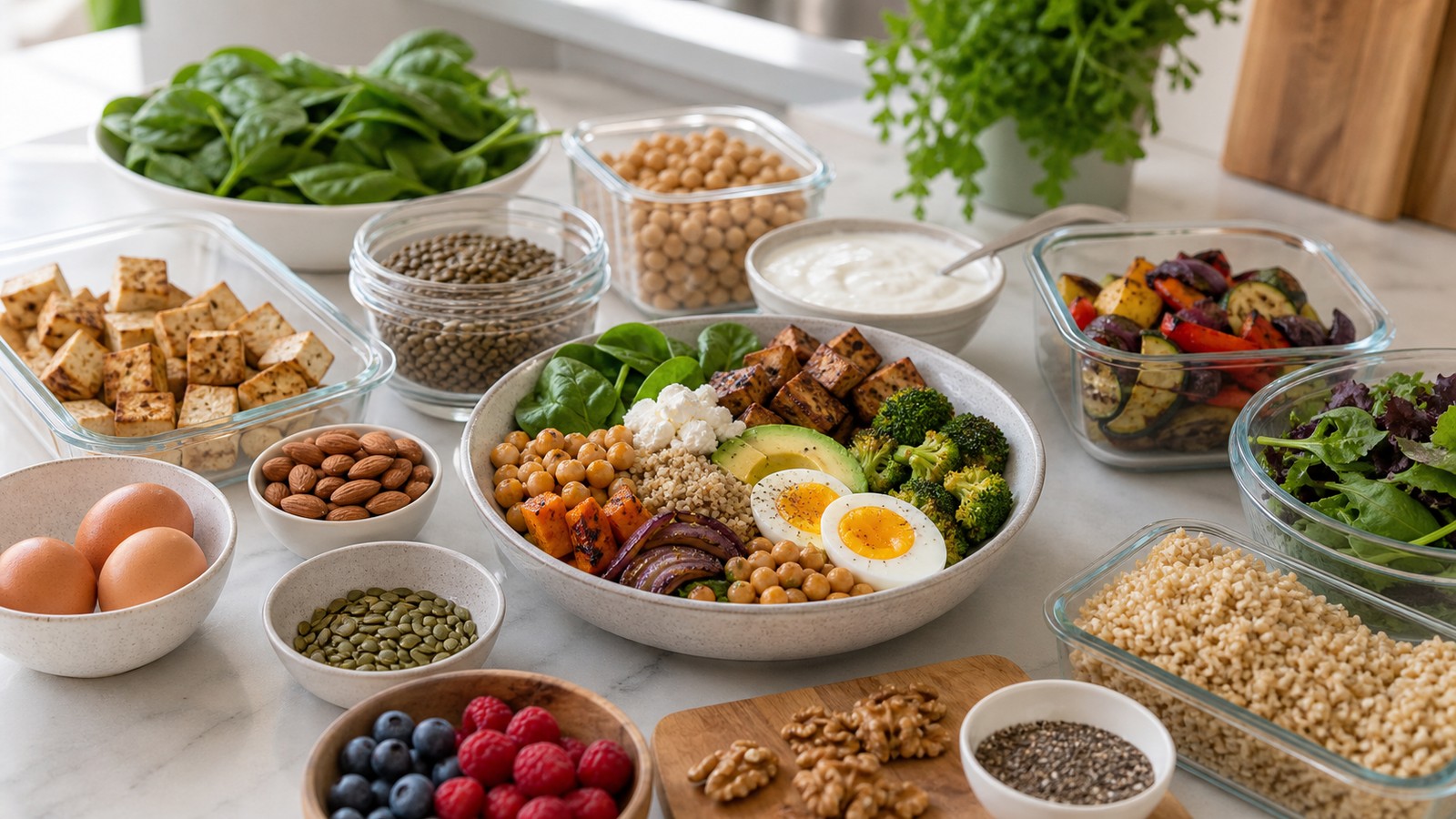
Vegetarian protein adequacy is achievable but benefits from deliberate choices. Include tofu, tempeh, beans, lentils, eggs, Greek yogurt, cottage cheese, seitan, edamame, or textured vegetable protein. Protein distribution across meals can support fullness and training.
During a deficit, spreading protein across breakfast, lunch, and dinner may be easier than trying to recover the total at night. A low-protein breakfast can be strengthened with eggs, Greek yogurt, soy milk, tofu, or an intentional lunch later.
Scale loss without strength monitoring can hide lean-mass loss. Track training performance and use resistance exercise appropriate to ability.
Fiber and Fullness
Both patterns can be high in fiber when legumes, vegetables, fruit, and whole grains are central. Fiber slows eating, increases meal volume, and supports digestive health. Vegetarian status alone does not guarantee high fiber if the diet relies on cheese, white bread, and sweets.
Increase fiber gradually and drink appropriately. Severe bloating can undermine adherence, so begin with smaller legume portions, lentils, tofu, or well-cooked beans.
Fiber is not the only fullness factor. Beans with vegetables and rice may satisfy better than a high-fiber snack bar because the meal also offers protein, volume, warmth, and eating time.
Flexitarian Advantages for Weight Loss
Flexible meat inclusion makes protein easier in restaurants, travel, and mixed households. A small amount of chicken or fish can strengthen a meal when vegetarian options are mostly refined starch or cheese. This reduces the chance of ordering an unsatisfying meal and grazing later.
Flexibility can also prevent an all-or-nothing response. Eating meat does not break the diet, so one social meal is less likely to trigger abandonment. For people prone to rigid cycles, this can be valuable.
The risk is vagueness. Without a defined plant-forward goal, flexitarian may describe an unchanged diet. Track plant meals or meat portions temporarily if the pattern is not actually shifting.
Flexitarians can also use lean animal protein to keep portions predictable during a demanding transition. That convenience helps only when plants still dominate the broader pattern.
Vegetarian Advantages for Weight Loss
A clear exclusion removes many burgers, processed meats, and meat-centered fast-food choices from consideration. It can encourage experimentation with legumes and vegetables. Some people find the boundary easier than deciding at every meal.
Vegetarian communities, recipes, and menu labels offer practical support. The pattern can be inexpensive when based on beans, lentils, eggs, oats, rice, and seasonal produce.
The risk is substitution with cheese, fried foods, desserts, or refined snacks. Removing meat can create a health halo that obscures portions and meal quality.
Food Quality Matters More Than the Label
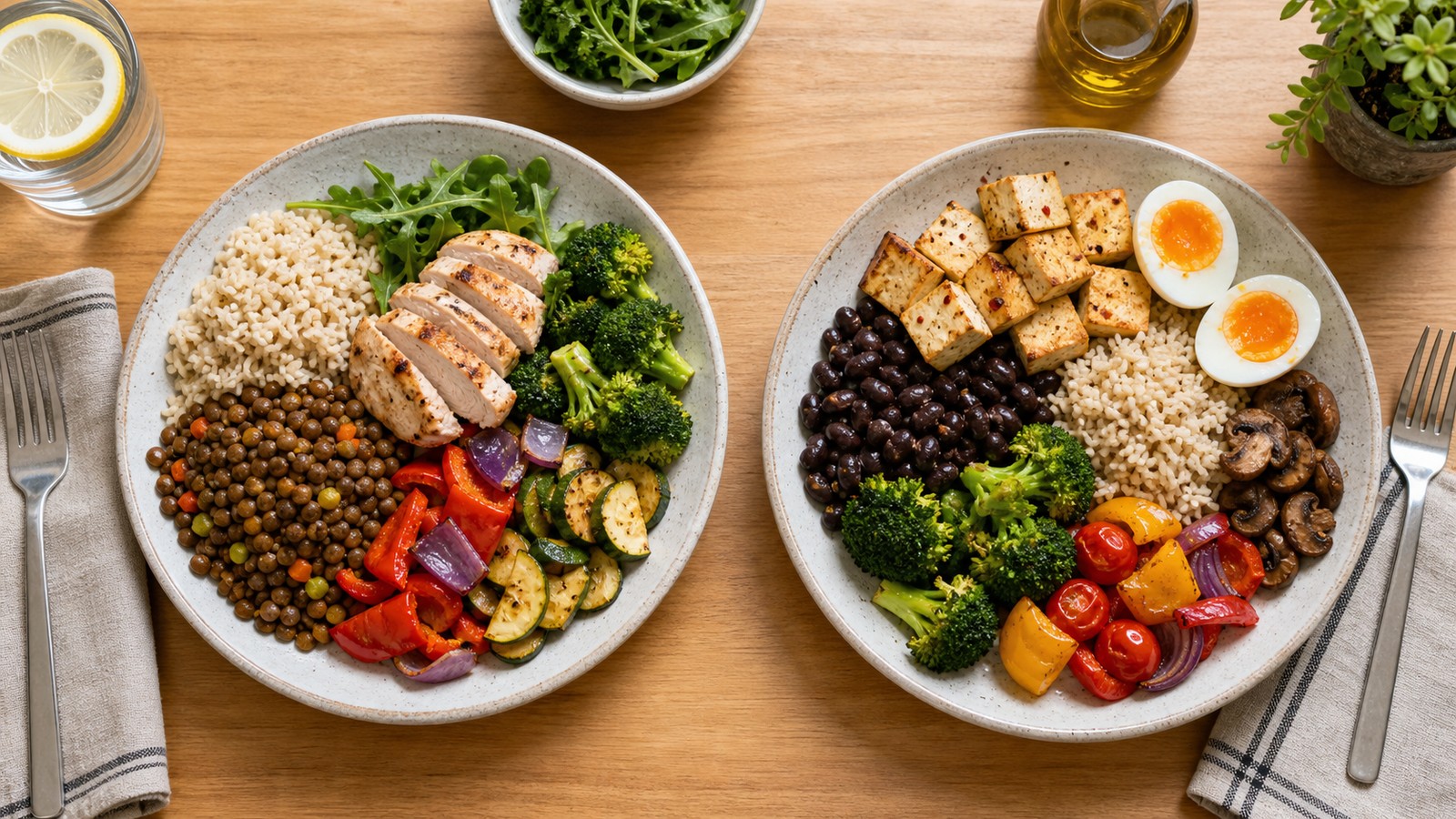
A strong flexitarian meal might contain lentils, roasted vegetables, barley, tahini, and a small chicken portion. A strong vegetarian meal might contain tofu, brown rice, broccoli, edamame, and sesame sauce. Both supply protein, fiber, and volume.
A weak version of either pattern may rely on sweet drinks, chips, pastries, and low-protein meals. Compare the actual plate, not the identity.
Use a simple weekly audit: count how often legumes, vegetables, fruit, and whole grains appeared, and how often sweets, alcohol, fried food, and refined snacks dominated. This exposes pattern quality without declaring individual foods good or bad.
Health halos can operate in both directions. Grilled chicken does not rescue a nutrient-poor day, and a vegan label does not make a dessert a weight-loss food.
Hunger, Satisfaction, and Cravings
Meals that include protein, fiber, carbohydrate, and some fat generally sustain better than sparse salads. Keep foods you enjoy and season plant proteins well. A deficit that produces constant hunger is unlikely to last.
Flexitarian eating may satisfy someone who strongly values occasional meat. Vegetarian eating may feel easier for someone who dislikes meat or prefers a firm ethical boundary. Satisfaction is functional, not frivolous.
Meal timing may need adjustment. A protein-rich afternoon snack can prevent arriving at dinner ravenous, while a larger lunch may eliminate the need for constant grazing.
Planned inclusion can reduce cravings. A flexitarian may schedule a favorite meat meal; a vegetarian may keep satisfying cheese, eggs, or dessert. Weight loss does not require making the diet emotionally austere.
If hunger remains high, increase meal size or reduce the deficit. Persistent white-knuckling predicts poor adherence more than strong character.
Calories Without Obsessive Tracking
You can create structure through plate proportions: half vegetables or fruit, a quarter protein, and a quarter grain or starchy food, with a measured flavorful fat. This is approximate and portions should reflect energy needs.
If progress stalls, examine drinks, restaurant frequency, oils, nuts, cheese, desserts, and portion sizes. These often matter more than whether one meal contained meat.
Calorie tracking is optional and can be inappropriate for people with eating-disorder risk. A dietitian can offer nonrestrictive guidance.
Nutrient Planning During a Deficit
Eating less food reduces the margin for nutrient gaps. Vegetarians need reliable iron, B12, calcium, iodine, zinc, vitamin D, and omega-3 planning. Flexitarians can also fall short if animal foods are infrequent and plant variety is poor.
Do not make the deficit so large that energy, training, menstrual health, mood, or sleep deteriorates. Faster is not automatically healthier.
Multivitamins cannot compensate for inadequate protein or energy. Fortified foods and supplements have targeted roles, especially B12, vitamin D, or iron when indicated, but the meal pattern still carries most nutritional work.
Rapid loss, menstrual disruption, feeling cold, sleep problems, and declining performance can signal low energy availability. Seek professional help rather than tightening the plan.
Cost and Convenience
Both patterns can save money through beans, lentils, eggs, tofu, and grains. Specialty meat substitutes, premium protein products, and restaurant meals raise costs. Flexitarian shoppers may buy smaller quantities of meat and use them across plant-heavy meals.
Vegetarians have more predictable menu restrictions, while flexitarians have more options when plant-based choices are expensive or inadequate. The practical advantage depends on location and household.
Compare cost per useful serving, not package price alone. Dry lentils are cheap but require cooking; tofu may save time; a prepared vegetarian meal may prevent expensive takeout. Convenience has economic value.
Social and Cultural Fit
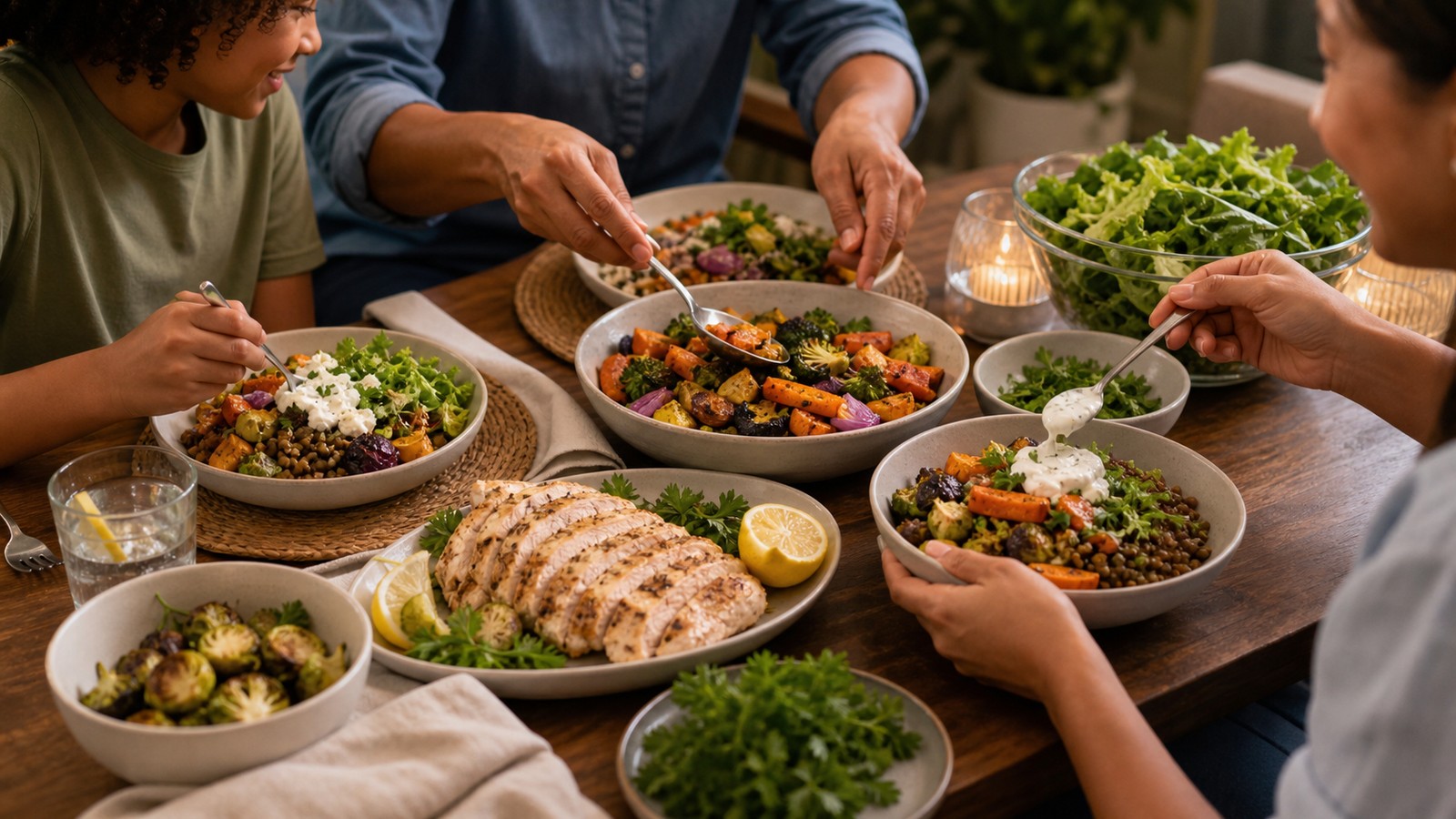
Flexitarian eating can preserve traditional meat dishes in smaller portions or lower frequency. Vegetarian eating can align strongly with ethical, religious, or cultural values but may require adaptation at shared events.
Weight loss already requires sustained attention; a diet that creates repeated social conflict adds another burden. Choose the pattern that lets you participate while protecting the goal.
Traditional dishes can often become flexitarian through smaller meat portions or vegetarian through legumes, eggs, dairy, tofu, or another culturally compatible protein. Preserving seasoning and shared format protects belonging.
A plan that requires declining every family meal may not be the only route to the same health outcome.
Which Pattern Fits Different People?
Flexitarian may suit beginners, mixed households, frequent travelers, athletes wanting broad protein options, and people who dislike absolute rules. Vegetarian may suit those who already avoid meat, value a clear boundary, or have strong ethical motivation.
Medical conditions do not automatically choose the label. Kidney disease, diabetes, pregnancy, gastrointestinal disorders, and eating-disorder history require individual adjustments to either plan.
Run a Fair Four-Week Test
Choose one pattern, define meals and protein sources, and monitor weight trend, hunger, energy, digestion, cost, and adherence for several weeks. Keep activity and measurement conditions reasonably consistent.
Do not compare one strict vegetarian week with an ordinary flexitarian month. Both deserve a nutritionally complete implementation. At review, retain the pattern that produced manageable progress with fewer costs.
Use the same weighing schedule and assess weekly averages. Sodium, menstrual cycles, bowel changes, and restaurant meals produce water fluctuations. Avoid switching diets in response to one morning.
The Verdict
Research generally supports plant-forward eating and suggests vegetarian patterns can aid weight management, but individual adherence drives real-world outcomes. Vegetarian is not inherently faster, and flexitarian is not inherently easier.
Choose the least restrictive pattern that reliably creates balanced, satisfying meals and a sustainable energy deficit. The best diet is not the one with the strongest identity; it is the one that supports health while you continue living.
Choose the Pattern You Would Keep After Weight Loss
Maintenance eventually requires the same meals, social tools, and nutrient habits with somewhat different portions. If the diet feels like a temporary punishment, reaching the goal will not teach you how to remain there.
Prefer the approach that improves food quality and can expand gently into maintenance. A durable flexitarian or vegetarian pattern should feel like a way of eating, not a countdown to returning to the old one.
Write the maintenance version now. Knowing which portions will increase and which habits remain helps prevent a sharp return to the previous pattern after the goal is reached and initial motivation naturally changes through ordinary daily life afterward.