Flexitarian Eating Changes the Center of the Plate
A flexitarian diet is a plant-forward way of eating that includes meat or seafood selectively rather than excluding it completely. The word combines flexible and vegetarian, but the practical idea is simpler: vegetables, fruit, beans, lentils, whole grains, nuts, seeds, and other plant foods become the routine, while animal foods become optional additions. There is no official number of meatless days, no forbidden-food test, and no requirement to identify as vegetarian. That flexibility makes the approach useful for households with mixed preferences, people who want to reduce food costs or environmental impact, and beginners who find permanent elimination intimidating. Still, eating less meat does not automatically create a balanced diet. Meals need enough protein, fiber, iron, zinc, calcium, vitamin B12, and energy. This guide shows how to reduce meat gradually while preserving flavor, satisfaction, culture, convenience, and nutritional adequacy.
A: None; choose a repeatable reduction that changes the overall pattern.
A: Yes, when portions and plant emphasis meaningfully shift.
A: They contribute substantially when meals and the full day are planned well.
A: Definitions differ, but flexitarian eating can include fish selectively.
A: No, though they can provide convenience and variety.
A: Often, especially when legumes replace part of expensive meat.
A: Use beans, lentils, eggs, dairy, or mixed dishes first.
A: Not automatically; plan iron sources and assess individual risk.
A: Yes, with adequate energy, protein, carbohydrate, and nutrient planning.
A: Adapt a familiar taco, pasta, chili, curry, or bowl.
Decide What “Less Meat” Means for You
Choose a starting goal that is specific enough to act on. You might make breakfast meatless, plan three plant-based dinners each week, halve the meat in mixed dishes, or reserve meat for restaurant and weekend meals. Any of these can move the pattern in a plant-forward direction.
Your current intake determines the size of the change. Someone eating meat twice daily has different opportunities than someone already eating fish once a week. Record a typical week without judgment, then choose the easiest recurring meal to modify.
Make the goal visible in the shopping list. Buying two meat portions instead of five, adding canned beans, and planning a tofu meal turns an intention into an environment. If meat remains the only prepared protein, convenience will keep it at the center.
Ethical, environmental, health, and budget motivations can coexist. You do not need to prove one reason is pure enough before changing dinner.
Add a Plant Protein Before Removing the Meat
Beans, lentils, chickpeas, tofu, tempeh, edamame, seitan, eggs, yogurt, cheese, nuts, and seeds can contribute protein. The best substitute depends on the dish. Lentils disappear naturally into pasta sauce, tofu carries stir-fry flavors, and black beans make tacos substantial.
Build the replacement first so the meal does not become vegetables and starch with little staying power. A bowl that once used chicken can use chickpeas and tahini; chili can combine beans with half the ground meat; soup can gain lentils.
Protein needs vary with age, body size, activity, pregnancy, illness, and goals. Athletes and older adults may benefit from deliberate distribution across meals.
Use the Half-and-Half Method
Mixed dishes allow gradual reduction without requiring a new recipe. Replace half the ground meat in tacos, burgers, meatballs, chili, or pasta sauce with lentils, beans, mushrooms, walnuts, or finely chopped vegetables. Adjust seasoning because the larger batch may need more spices and acidity.
This method preserves familiar texture and flavor while increasing fiber and lowering cost. Over time, the plant share can grow if the household enjoys it. There is no nutritional prize for reaching zero meat faster.
Texture determines which extender works. Mushrooms suit burgers and sauces, lentils hold in chili and meatballs, and grated vegetables add moisture. Begin with a recipe where ingredients are already mixed, because a visible half steak and half bean substitution is not the same culinary task.
Cook legumes without excess liquid before mixing them into ground meat. Taste the complete filling and adjust salt, spices, and acid after the volume changes.
Create Meatless Versions of Familiar Meals
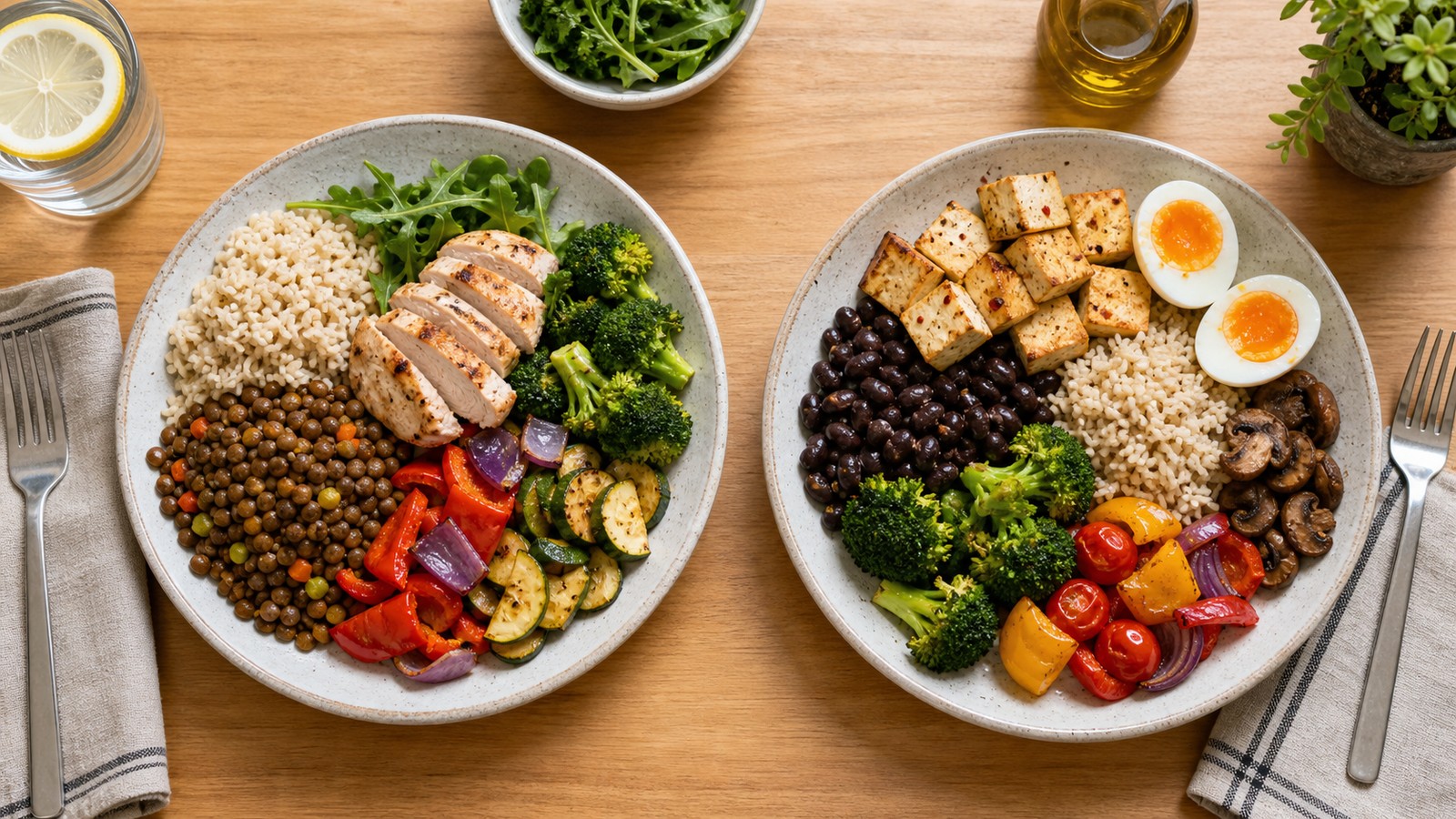
Start with formats rather than unfamiliar cuisine. Tacos can use black beans and roasted vegetables. Pasta can combine white beans, spinach, mushrooms, and tomato sauce. Curry can use chickpeas or tofu. Grain bowls can include edamame, lentils, eggs, or falafel.
Keep the flavors that make the meal recognizable: salsa, herbs, spice blends, marinades, pickles, sauces, and crunchy toppings. Meat often carries seasoning, but seasoning does not belong exclusively to meat.
Some meals are already meatless in many cultures: dal with rice, pasta e fagioli, bean enchiladas, vegetable frittata, peanut noodles, and falafel plates. Using established dishes often produces better results than asking one ingredient to impersonate meat.
Let Vegetables Become Substantial
Plant-forward meals need more than a small side salad. Roast cauliflower in large florets, grill eggplant, braise cabbage, stuff peppers, saute mushrooms deeply, and build soups around several vegetables. Cooking methods create texture and savory flavor.
Combine vegetables with protein, carbohydrate, and fat. Roasted broccoli alone is a side; broccoli with tofu, brown rice, peanuts, and sauce is a meal. Satisfaction comes from the complete structure.
Frozen and canned vegetables reduce cost and preparation. A flexitarian pattern does not require farmers-market produce or elaborate knife work.
Use enough cooking surface to brown vegetables rather than steaming a crowded pan. Browning creates concentrated flavor that helps plant-centered meals feel intentional.
Keep Quality Carbohydrates in the Meal
Whole grains, potatoes, corn, fruit, and other carbohydrate foods support energy, fiber, and enjoyment. Removing meat and carbohydrate simultaneously can leave meals too small, especially for active people.
Use oats, brown rice, barley, bulgur, quinoa, whole-grain bread, pasta, tortillas, or cultural staples in portions suited to need. Refined forms can also fit. Pairing them with legumes, vegetables, and fat creates a more lasting meal.
Carbohydrate also supports affordable plant eating. Beans plus rice, lentils plus bread, or tofu plus noodles can cost less than meals built around premium substitutes. Whole grains offer fiber, but familiar refined staples can remain when the full plate includes plants and protein.
People managing diabetes may adjust portions and monitor glucose with their care team. Meat reduction does not remove the need for individualized carbohydrate planning.
Training days, long shifts, and childhood growth may call for larger servings. Judge adequacy through energy, hunger, recovery, and health rather than a fashionable fear of starch.
Choose Meat Intentionally When You Eat It
Flexitarian does not mean that any amount or type of meat is nutritionally equivalent. Processed meats such as bacon, sausage, and deli meat are useful targets for reduction because they can be high in sodium and are associated with health risks when eaten frequently.
When meat appears, use an amount that supports rather than dominates the meal. Fish, poultry, eggs, or lean cuts can be paired with abundant plant foods. Choose according to health, budget, values, and preference rather than chasing a perfect label.
Consider where meat delivers the most enjoyment. A small amount of sausage may flavor a bean stew, or a favorite family roast may remain while routine sandwiches change. Strategic inclusion can reduce total intake more successfully than spending willpower on meaningful occasions.
Plan Iron and Zinc
Beans, lentils, tofu, tempeh, fortified grains, nuts, seeds, and some whole grains provide iron and zinc. Plant iron is absorbed less efficiently than heme iron from animal foods, but vitamin C improves absorption. Pair lentils with tomatoes, beans with peppers, or fortified cereal with berries.
Tea and coffee consumed with meals can reduce nonheme iron absorption. People with heavy menstrual losses, pregnancy, gastrointestinal conditions, or known deficiency may need assessment. Supplements should respond to a documented need or professional recommendation.
Plant iron needs consistency, not one heroic spinach salad. Spread legumes, tofu, seeds, and fortified foods across the week. If fatigue, breathlessness, restless legs, or declining performance appears, obtain medical assessment rather than guessing with supplements.
Children and pregnant people need particular care because growth and blood-volume changes increase requirements. A flexible diet still deserves precise guidance during high-need life stages.
Watch Vitamin B12 and Calcium
People who continue eating dairy, eggs, fish, or meat usually obtain some vitamin B12, but intake depends on frequency and quantity. Those moving close to vegan eating need reliable fortified foods or a supplement.
Calcium can come from dairy, fortified plant milk, calcium-set tofu, certain greens, canned fish with bones, sesame, and other foods. Plant beverages vary greatly in protein and fortification, so check labels and shake them before pouring.
As animal-food frequency drops, write down actual weekly sources. “Occasional dairy” may contribute much less than assumed. Fortified soy milk can support both protein and calcium, while a B12 supplement offers reliability for near-vegan patterns.
Vitamin D and iodine can also need attention depending on dairy, seafood, fortified foods, salt choices, sun exposure, and life stage. The transition is an opportunity to review the complete pattern.
Bring labels and supplement doses to a healthcare visit when uncertain. Product names alone do not reveal fortification, serving size, or how consistently the food is consumed.
Shop for Flexible Building Blocks
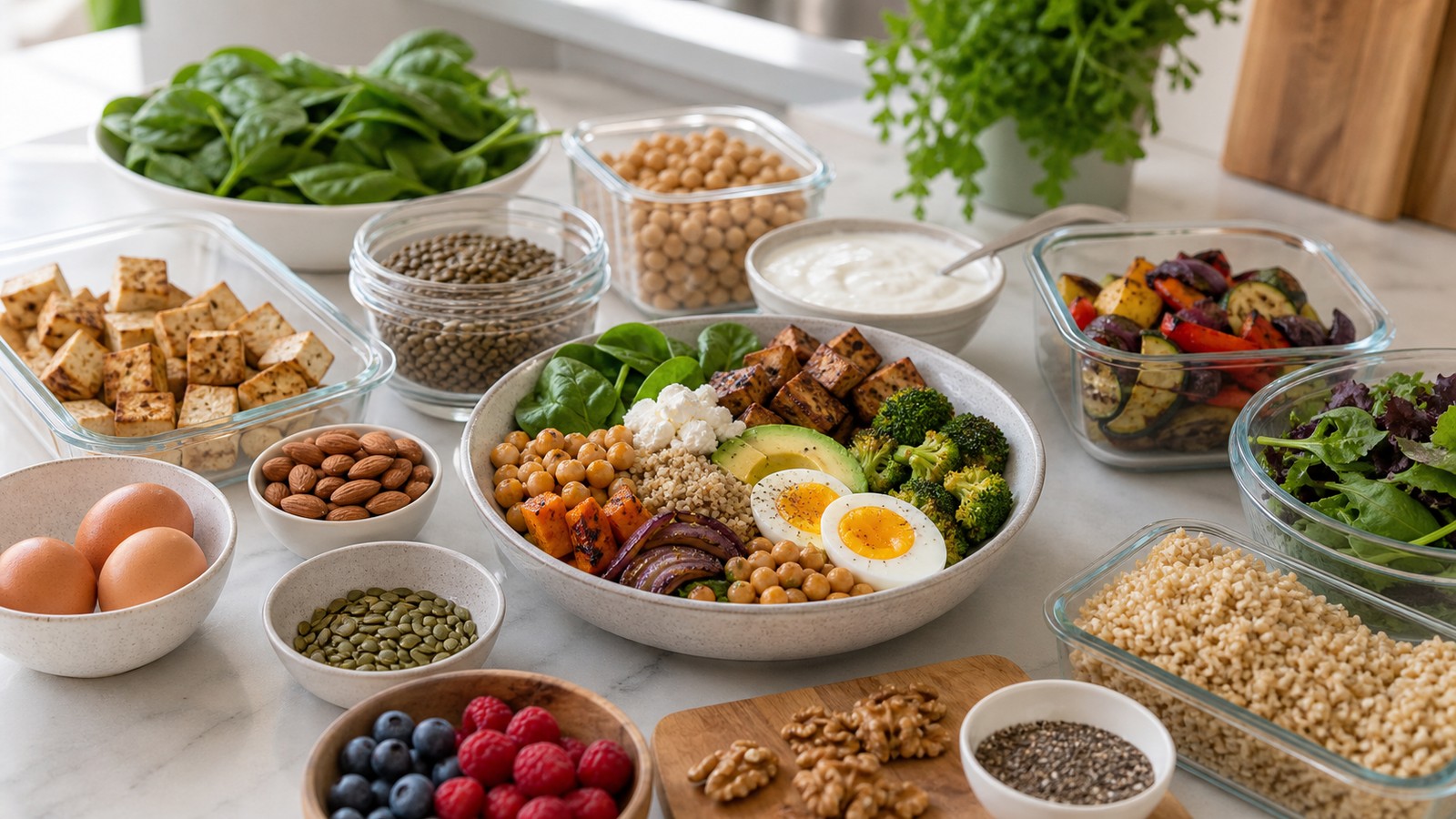
Keep two or three legumes, tofu or eggs, a whole grain, frozen vegetables, fresh produce, nuts or seeds, and flavorful sauces available. Canned beans, microwaveable grains, and prewashed greens prevent busy nights from defaulting entirely to meat-based convenience food.
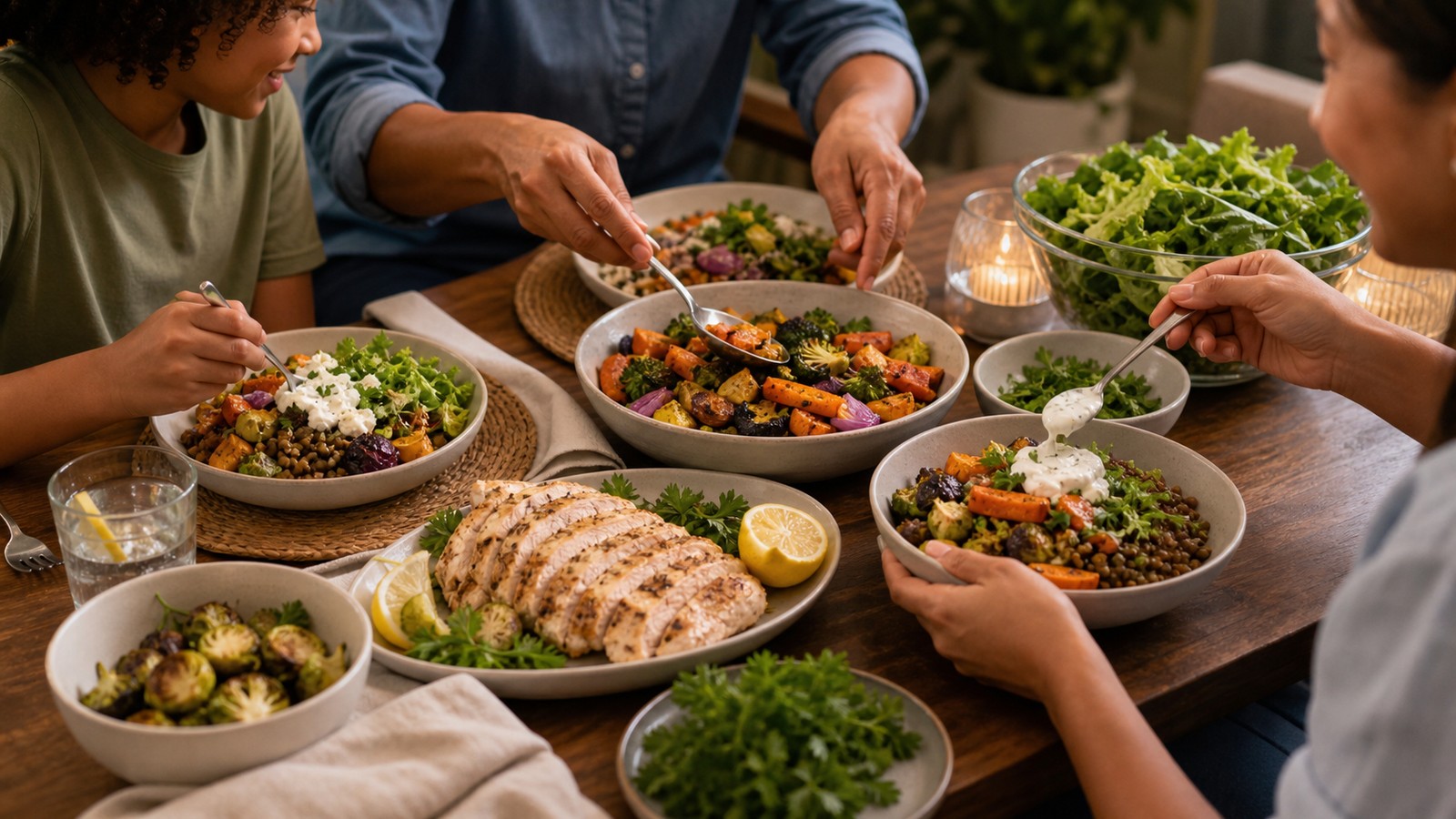
Plan animal protein in smaller quantities. One package of chicken can serve several people when sliced over a bean-and-grain bowl, rather than forming a separate large portion for each person.
Buy unfamiliar ingredients one at a time. Food waste is not a requirement of dietary exploration.
Handle Restaurants and Social Meals
Vegetarian soups, bean dishes, eggs, tofu, vegetable pizza, pasta, curries, grain bowls, and side combinations offer options. If the meatless entree is weak, order a balanced meal with meat and continue the pattern later.
You do not need to explain or defend a flexible choice. “I’m eating more plant-based meals” is enough if discussion is welcome; otherwise, simply order. Flexibility should make social eating easier, not create a new purity test.
At gatherings, bring a plant-based dish substantial enough to eat, not merely a symbolic side. Hosts then face less pressure to redesign the menu, and you know one satisfying option exists.
Flexibility does not require eating meat to please others. It means the boundary belongs to you and can respond to values, appetite, and circumstance without a universal rule.
A Sample Flexitarian Day
Breakfast might be oatmeal with soy milk, berries, and walnuts. Lunch could be lentil soup, whole-grain bread, salad, and yogurt. Dinner might feature vegetable and black-bean tacos with optional grilled fish or chicken for those who want it.
Another day could include eggs and toast, a tofu grain bowl, and pasta sauce made from mushrooms, lentils, and a small amount of ground turkey. The label allows both days.
For higher protein needs, increase lentils, tofu, eggs, dairy, fish, or poultry rather than simply enlarging nuts and avocado. For higher energy needs, add grains, bread, potatoes, fruit, and fats. The plant-forward structure can scale without changing identity.
Progress Without Counting Meatless Perfection
Review the month rather than one meal. Notice whether beans and vegetables appear more often, processed meat appears less often, and plant-based meals feel complete. Track cost, digestion, energy, and household acceptance.
If the pattern causes constant hunger, add protein, carbohydrate, fat, or larger portions. If legumes cause discomfort, increase gradually, rinse canned beans, and try lentils, tofu, or smaller servings.
The most sustainable flexitarian diet is not the one with the fewest animal foods. It is the plant-forward pattern you can repeat while meeting nutritional needs and enjoying your life.
Celebrate operational wins: a child accepted lentil tacos, lunch stayed satisfying, or beans became automatic pantry stock. These behaviors predict continuation better than a perfect streak.
Make Plant-Forward the Default, Not the Exception
Arrange recipes, groceries, and leftovers so the easiest next meal begins with beans, tofu, eggs, vegetables, or grains. Freeze cooked lentils, keep a sauce ready, and place plant proteins where they are seen. Defaults shape weekly intake more reliably than enthusiasm.
Meat can then enter deliberately when it adds value. That is the durable flexitarian skill: not resisting meat at every encounter, but building a life in which plants already provide satisfying meals.