A Week That Reduces Sodium Without Reducing the Pleasure of Eating
This seven-day DASH plan uses fruit, vegetables, whole grains, beans, nuts, low-fat dairy or suitable alternatives, fish, poultry, eggs, and unsaturated fats in practical combinations. It also manages sodium by choosing fewer processed meats, comparing packaged foods, using no-salt-added staples, and building flavor with herbs, spices, citrus, vinegar, garlic, and toasted ingredients. Portions are intentionally flexible because energy needs differ. Snacks are optional, restaurant meals can be incorporated, and no one meal determines success. People with kidney disease, potassium restrictions, diabetes medication, food allergies, pregnancy, or unusually low blood pressure should adapt the plan with qualified guidance. Prepare a few components, then use them in changing formats so healthy eating does not require twenty-one separate recipes.
A: Yes, repetition can lower effort while ingredients and produce still vary.
A: Use suitable fortified alternatives and plan calcium and protein.
A: Yes, lower-sodium products and rinsing make them practical.
A: The aim is the weekly pattern, with deliberate choices in each meal.
A: Yes, within your target and with attention to packaged sources.
A: Make useful requests and resume the plan afterward.
A: They are optional and should respond to hunger and energy needs.
A: Yes, when individualized portions create a sustainable deficit.
A: No, provide age-appropriate energy and nutrient amounts.
A: Report significant pressure changes, dizziness, or medication concerns.
Prep the Components That Save the Most Time
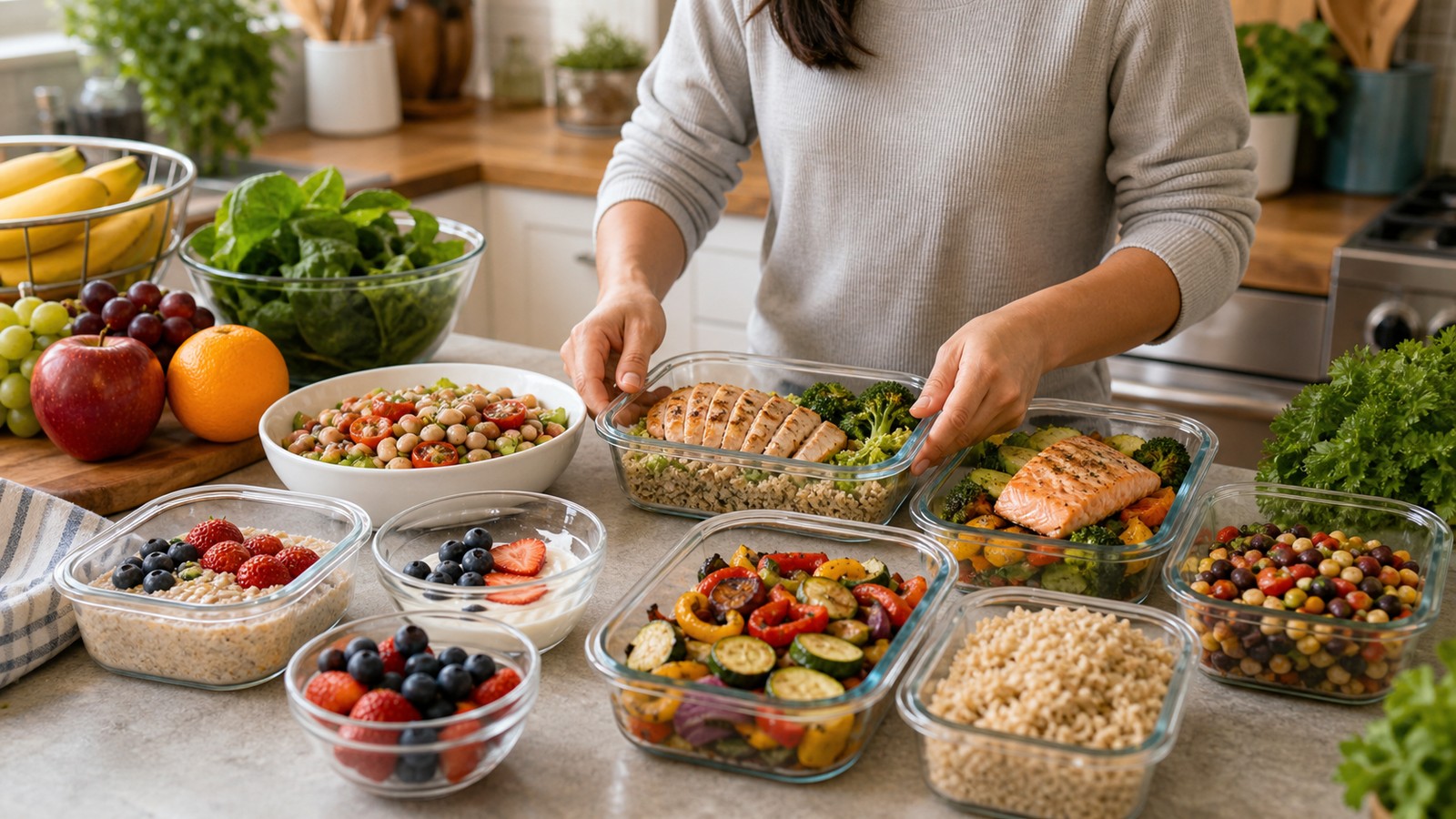
Cook brown rice, barley, or quinoa; roast two trays of vegetables; prepare a pot of lentils or rinse canned beans; and make a vinaigrette from olive oil, vinegar, mustard, and herbs. Bake chicken or tofu if useful. Cool and refrigerate foods promptly.
Wash fruit, portion unsalted nuts, and keep plain yogurt or a fortified alternative ready. Choose low-sodium broth, no-salt-added tomatoes, and breads with a favorable sodium comparison. Preparation should solve your busiest moments, not fill every container.
Day 1: Start With Familiar Meals
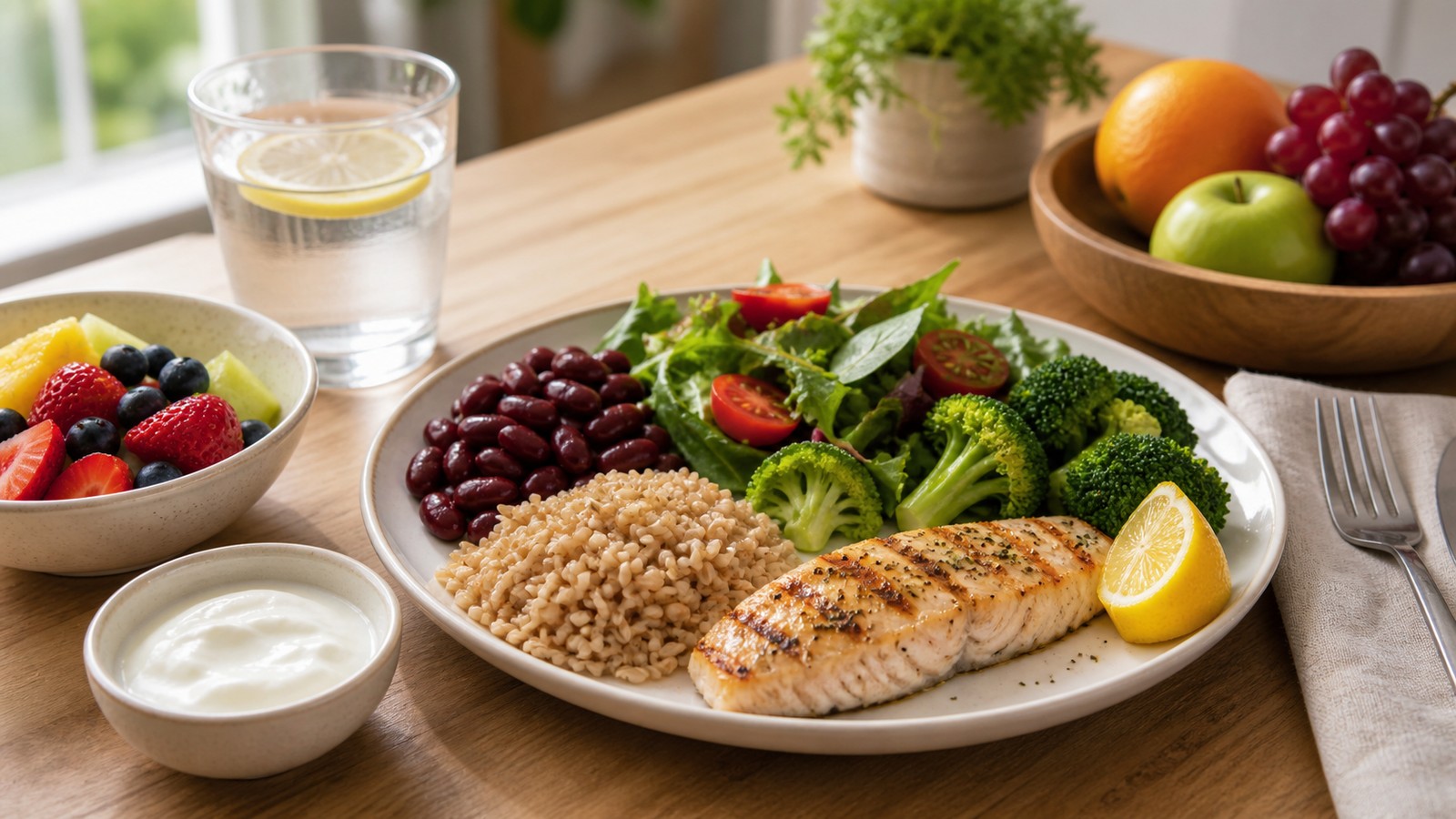
Breakfast is oatmeal with berries, walnuts, cinnamon, and low-fat milk or fortified soy milk. Lunch combines lentils, cucumber, tomatoes, greens, brown rice, and vinaigrette. Dinner is herb-baked chicken, roasted broccoli and peppers, and a baked potato.
Use plain yogurt with fruit for dessert if desired. A snack might be an apple with unsalted peanut butter. Make extra chicken and vegetables for tomorrow.
Salt the dinner thoughtfully rather than serving it bland. The largest sodium reduction often came earlier through choosing fresh chicken and homemade seasoning instead of a cured or pre-sauced product.
Day 2: Reuse Chicken and Vegetables
Breakfast is whole-grain toast with an egg, tomato, and orange. Lunch is a chicken-and-vegetable grain bowl with leftover vinaigrette. Dinner is baked salmon, green beans, barley, and a cabbage-apple slaw.
Choose frozen fish when it reduces cost. A vegetarian alternative uses white beans or tofu. Save salmon or beans for lunch. Compare sodium in bread and mustard because repeated staples contribute across the day.
Pack the bowl with dressing separate if it will sit for several hours. Add grain according to afternoon demands rather than using the sample as a fixed portion. A lunch that causes midafternoon hunger needs more food, not greater restraint.
When using canned salmon or beans, drainage and rinsing can reduce some sodium. Bone-in canned salmon also contributes calcium, though texture preferences vary.
Day 3: Center Beans
Breakfast combines plain yogurt, pear, oats, and pumpkin seeds. Lunch is leftover salmon or white beans over slaw and greens. Dinner is black-bean tacos with cabbage, peppers, avocado, fresh salsa, and corn tortillas.
Canned beans and salsa vary in sodium. Rinse beans, compare products, and use lime, cilantro, cumin, and roasted peppers for flavor. Serve fruit alongside rather than relying on a sweetened drink.
If the meal is too small for your needs, add another taco, rice, or yogurt. DASH is not designed around chronic hunger.
Day 4: Use a Soup-and-Sandwich Format
Breakfast is a vegetable omelet with whole-grain toast and berries. Lunch uses leftover black beans in a taco salad with corn, greens, tomatoes, and avocado. Dinner pairs homemade or lower-sodium vegetable-lentil soup with a whole-grain sandwich containing turkey roasted at home, chicken, hummus, egg, or vegetables.
Deli turkey can be high in sodium despite a lean image. A home-cooked filling or no-salt-added bean spread creates more room for cheese, pickles, or another salty ingredient you value.
Soup sodium depends on broth, canned tomatoes, beans, cheese, and seasoning together. Start with lower-sodium ingredients, then salt the final pot to taste. This often produces better flavor control than buying a product marketed for heart health.
Sandwich bread, filling, cheese, condiments, and pickles each contribute. You do not need the lowest-sodium version of all five; decide which salty ingredients provide the most value.
Day 5: Keep Friday Convenient
Breakfast is overnight oats with banana, chia, milk, and cinnamon. Lunch is leftover soup with fruit and whole-grain bread. Dinner is whole-grain pasta with no-salt-added tomato sauce, white beans, spinach, mushrooms, olive oil, and a modest amount of Parmesan.
Convenience sauce can work when labels are compared. Add vegetables and beans to make the dish more complete. Parmesan is salty, so use its strong flavor strategically rather than covering the plate.
A favorite dessert can fit after dinner. Keep the portion intentional and choose water, coffee, or tea rather than stacking dessert with a sugary beverage by default.
Day 6: Use a Flexible Restaurant or Home Meal
Breakfast is plain yogurt with fruit and unsalted nuts, or eggs with vegetables and toast. Lunch uses leftover pasta with salad. Dinner can be a restaurant meal or a home-cooked grain bowl.
At a restaurant, choose grilled fish, chicken, tofu, beans, vegetables, rice, or potatoes; ask for sauces separately; and skip automatic salty extras that do not matter to you. At home, combine grain, roasted vegetables, protein, avocado, and dressing.
One high-sodium meal may cause temporary fluid retention. Return to the normal pattern rather than fasting, overexercising, or drinking excessive water.
Do not arrive extremely hungry to a late restaurant dinner. A piece of fruit with yogurt or nuts can preserve decision quality. At the meal, enjoy a chosen salty item while keeping the rest simpler rather than trying to order an entirely flavorless plate.
Day 7: Use Remaining Ingredients
Breakfast clears remaining oats, fruit, yogurt, eggs, or toast. Lunch becomes a soup, wrap, or bowl from leftover vegetables, grains, beans, and chicken. Add a fresh fruit or crunchy vegetable so the meal feels intentional.
Dinner is sheet-pan fish or tofu with remaining vegetables and potatoes, finished with lemon and herbs. Alternatively, make a vegetable-and-bean frittata if eggs are available.
Freeze safe leftovers and note what spoiled or remained unused. A smaller shopping list next week may be healthier for both the budget and the environment.
Adapt Portions to Hunger and Goals
Increase whole grains, potatoes, fruit, dairy, nuts, protein, or snacks for larger needs. Reduce energy-dense extras or portions when pursuing weight loss, while preserving adequate protein and produce. Individual energy needs cannot be inferred from a seven-day menu.
Children, athletes, pregnant people, older adults, and people recovering from illness need specific adjustments. Blood-pressure goals never justify under-fueling.
Use Snacks When They Solve a Problem
Options include fruit and unsalted nuts, vegetables with lower-sodium hummus, plain yogurt with berries, whole-grain toast with nut butter, or a boiled egg with fruit. Pairing food groups usually lasts longer than a small refined snack.
If evening hunger is frequent, strengthen breakfast or lunch. If snacks appear from habit without hunger, change the cue or portion rather than banning the food.
Packaged snack labels deserve the same real-portion check as meals. A small bag may contain multiple servings, and “lightly salted” is a comparison with the regular product. Fruit, yogurt, nuts, and vegetables make sodium easier to predict.
People taking medication that lowers blood pressure should report recurrent dizziness rather than trying to correct it with salty snacks without guidance.
Reduce Sodium Across the Week
Compare frequently eaten breads, wraps, soups, sauces, cheeses, cereals, and canned foods. Choose fresh protein more often than deli meat, sausage, breaded products, or cured fish. Rinse canned beans and vegetables where appropriate.
Do not chase the lowest number in every product. Food safety, nutrition, taste, cost, and the total daily pattern matter. Gradual reduction allows taste receptors and cooking habits to adapt.
People who sweat heavily or have medical conditions need individualized sodium guidance. Potassium salt substitutes are not safe for everyone.
Shop Efficiently
Choose several durable vegetables, a smaller amount of delicate produce, three or four fruits, one grain, two legumes, eggs, fish or poultry, yogurt or an alternative, unsalted nuts, and flavor ingredients. Frozen and canned forms improve reliability.
Use unit prices while considering waste. Oats, dried lentils, beans, cabbage, carrots, potatoes, eggs, and seasonal fruit keep costs manageable. Specialty heart-health products are unnecessary.
Read circulars and plan meals around sale produce and proteins. Beans and grains can stretch fish or poultry rather than appearing only on separate vegetarian days. This lowers cost while moving the plate closer to DASH proportions.
Do not stockpile unfamiliar low-sodium products. Buy one, test whether the household likes it, and compare it with a regular product used in a smaller amount.
Evaluate the Week
Review blood-pressure readings only if they were collected with proper technique and according to a plan. Also evaluate hunger, energy, digestion, food waste, cost, cooking burden, and satisfaction. Medication may need adjustment if pressure changes significantly or dizziness develops.
Keep the combinations that worked and revise the friction points. Perhaps breakfast repetition helped, lunch needed more food, or restaurant night was easier with advance menu review. The next week should become simpler because this one produced useful evidence.
Separate temporary scale changes from progress. Restaurant sodium, carbohydrate storage, bowel contents, and menstrual cycles can alter water weight. DASH can support weight management, but a seven-day scale reading is not a verdict.
Review taste as seriously as numbers. Meals that were nutritionally strong but consistently disappointing need better recipes, seasoning, or formats before repetition.
Check whether the plan relied on hidden labor from one household member. Share preparation, choose simpler formats, or use more frozen and canned foods. A plan that depends on unsustainable unpaid effort will not remain heart-healthy in practice.
Turn Seven Days Into a Pattern
Continue using a cooked grain, prepared vegetables, beans, and one flexible sauce as recurring building blocks. Rotate cuisines and seasonings so the same food groups do not create identical meals.
DASH works through the average pattern: abundant produce, varied plant foods, whole grains, lean proteins, appropriate dairy or alternatives, unsaturated fats, and less sodium and added sugar. The plan becomes sustainable when those elements fit your actual schedule rather than remaining a one-week project.
Create Three Dependable Default Meals
Choose one breakfast, one portable lunch, and one low-effort dinner from the week. Keep their ingredients routinely available. Defaults protect the pattern on days when planning capacity is low, while other meals can provide novelty. A strong default might be oatmeal with fruit and nuts, a bean-and-grain bowl, or fish with frozen vegetables and a microwaveable whole grain. None is glamorous, but each makes the evidence-based choice easier than improvising from hunger. Add a written backup for power outages, travel, illness, or missed shopping, such as unsalted nuts, fruit, low-sodium canned fish, and whole-grain crackers. Resilience is part of meal planning. The better the plan handles disruption, the less one chaotic day determines the week. Keep the default ingredient list short enough that it survives budget changes and crowded schedules. When one item is unavailable, substitute by role: another fruit, another whole grain, another bean, or another lean protein. That flexibility makes DASH a living household system rather than a fragile menu that works only when every purchase goes according to plan.