DASH Is a Pattern of Abundance With Deliberate Limits
DASH stands for Dietary Approaches to Stop Hypertension, an eating pattern developed and tested to lower blood pressure. It emphasizes vegetables, fruit, whole grains, beans, nuts, seeds, low-fat or fat-free dairy, fish, poultry, and other lean proteins while limiting sodium, sugary drinks, sweets, and foods high in saturated fat. Beginners sometimes reduce DASH to “eat less salt,” but the pattern works through several connected changes: more potassium, magnesium, calcium, fiber, and minimally processed foods; less sodium and saturated fat; and an overall structure that supports cardiovascular health. You do not need hypertension to use these principles, but people taking blood-pressure medicine, managing kidney disease, or following potassium restrictions should coordinate changes with a clinician. This guide starts with the highest-impact habits and builds gradually, making the plan workable for different cuisines, budgets, and households.
A: No, its food pattern can support general cardiovascular health.
A: Not necessarily; choose a target with clinical context.
A: Yes, while considering caffeine response and added sugar.
A: No, lean portions can fit less frequently.
A: Traditional DASH uses it, but suitable fortified alternatives can be planned.
A: It can when portions create an appropriate energy deficit.
A: Yes, compare sodium, drain, and rinse when useful.
A: Some people improve within weeks, but individual response varies.
A: Ask a clinician because potassium-based products are unsafe for some people.
A: Add produce and compare sodium in frequently eaten packaged foods.
Step 1: Know Your Reason and Baseline
Clarify whether the goal is lower blood pressure, improved overall diet quality, weight management, or support for another cardiovascular plan. Record home blood pressure correctly if your clinician recommends it: use a validated cuff, sit quietly, support the arm, and follow the advised schedule.
A single reading is not a diagnosis or a complete measure of progress. Medication, sleep, stress, pain, caffeine, exercise, and technique can affect results. Never stop prescribed treatment because food choices improve a few readings.
Bring the home cuff to a clinic visit occasionally so technique and device accuracy can be checked. Wrist devices and incorrectly sized cuffs can produce misleading numbers. Record the time, circumstances, and readings in a format the care team can interpret.
Urgently high readings or symptoms such as chest pain, severe headache, weakness, or shortness of breath require medical guidance, not a dietary experiment. DASH supports ongoing care but is not emergency treatment.
Step 2: Add Produce Before Perfecting Sodium
Vegetables and fruit are central because they contribute potassium, magnesium, fiber, and many other nutrients. Begin by adding fruit to breakfast, vegetables to lunch, and two vegetable servings at dinner. Fresh, frozen, and no-salt-added canned produce can all help.
Choose forms you will eat: roasted vegetables, soup, stir-fries, salads, fruit with yogurt, or vegetables with hummus. Juice lacks the fiber and eating experience of whole produce and can deliver sugar quickly.
Kidney disease and certain medications can alter potassium needs. General advice to increase potassium is not appropriate for everyone.
Step 3: Shift Toward Whole Grains
Oats, brown rice, barley, bulgur, quinoa, corn, whole-wheat bread, and whole-grain pasta provide fiber and nutrients. Replace one refined staple at a time rather than changing every family meal overnight.
Read ingredient lists because brown color, multigrain wording, and seeded tops do not prove a product is mostly whole grain. Sodium in bread, tortillas, cereal, and crackers also varies, so compare similar products.
Whole-grain transitions can preserve cultural dishes. Mix brown and white rice, use whole-wheat and regular pasta together, or keep a traditional refined bread while adding beans and vegetables elsewhere. The pattern matters more than forcing every staple into a substitute your household dislikes.
People with celiac disease can use certified gluten-free oats, brown rice, quinoa, corn, or buckwheat. Gluten-free packaging alone does not guarantee high fiber or low sodium.
Step 4: Use Beans, Nuts, and Seeds Regularly
Beans and lentils provide plant protein, potassium, magnesium, and fiber. Add them to soup, tacos, salads, pasta, or grain bowls. Rinsing canned beans can reduce some sodium; no-salt-added versions offer another option.
Nuts and seeds contribute unsaturated fats and minerals. Choose unsalted varieties when sodium is a focus and use portions that fit energy needs. Nut butter can support breakfast or snacks when it contains little added sugar or salt.
Increase legumes gradually if your usual fiber intake is low. Gas often improves as the digestive system adapts.
Step 5: Choose Lean and Varied Proteins
Fish, poultry, beans, lentils, eggs, tofu, and lean cuts of meat can fit. DASH generally limits fatty meats and processed meats because of saturated fat and sodium. Use meat as one option among several rather than the automatic center of every plate.
Preparation matters. Bake, roast, grill, poach, or saute, and build flavor with herbs, spices, garlic, citrus, vinegar, and unsalted blends. Breaded and cured products may carry much more sodium than fresh equivalents.
Step 6: Include Dairy or a Suitable Alternative
Traditional DASH includes low-fat or fat-free milk, yogurt, and cheese for calcium and protein. Plain yogurt, milk, cottage cheese, and cheese vary substantially in sodium and added sugar. Compare labels and use cheese as a flavorful ingredient rather than the only source of satisfaction.
People who avoid dairy can choose fortified soy milk or other alternatives, but protein, calcium, vitamin D, and added sugar differ. Shake fortified beverages because minerals can settle. Milk allergy requires complete avoidance, while lactose intolerance may allow yogurt, hard cheese, or lactose-free products.
Cheese can contribute flavor efficiently when grated or crumbled across vegetables and grains. A small amount of a stronger cheese may be more satisfying than a large amount of a mild one. This keeps sodium and saturated fat visible without making cheese forbidden.
Step 7: Set a Sodium Strategy
Common DASH plans use sodium limits around 2,300 milligrams daily, with a lower target around 1,500 milligrams providing additional blood-pressure benefit for some people. Individual targets should account for medical advice, medications, activity, heat exposure, and feasibility.
Most sodium comes from packaged and restaurant foods rather than the salt shaker alone. Bread, deli meat, pizza, soup, sauces, cheese, savory snacks, and mixed dishes can contribute heavily. Compare brands within the same category because differences can be large.
Reduce gradually so taste adapts. Abruptly making food bland is not required. Preserve flavor with acidity, herbs, spices, toasted aromatics, and appropriate amounts of salt distributed effectively.
Keep a short list of the top sodium contributors in your own diet. For one person it is restaurant lunch; for another it is bread, cheese, and soup. Personal frequency matters more than memorizing a generic list.
Step 8: Read Labels in Real Portions
Check serving size first, then sodium, saturated fat, added sugar, fiber, and relevant nutrients. If you eat twice the listed serving, double the numbers. “Reduced sodium” means less than the original product, not necessarily low sodium.
Use the percent Daily Value as a quick comparison tool, but your personal target may differ. Ingredient lists reveal cured meat, salty sauces, and added sugars, while the Nutrition Facts panel quantifies the result.
Compare products within a category instead of chasing a universal number. A bread needs enough sodium for structure and safety, while soup has much more room for brand differences. Replacing the highest-frequency, highest-sodium items produces the greatest return.
Do not let sodium comparison obscure added sugar or inadequate nutrition. A low-sodium cookie is still a cookie, and an unsalted snack may contribute little fiber or protein.
Save photographs of two or three better staple labels on your phone. This shortens future shopping and lets another household member buy the same product without repeating the comparison.
Step 9: Build a DASH Plate
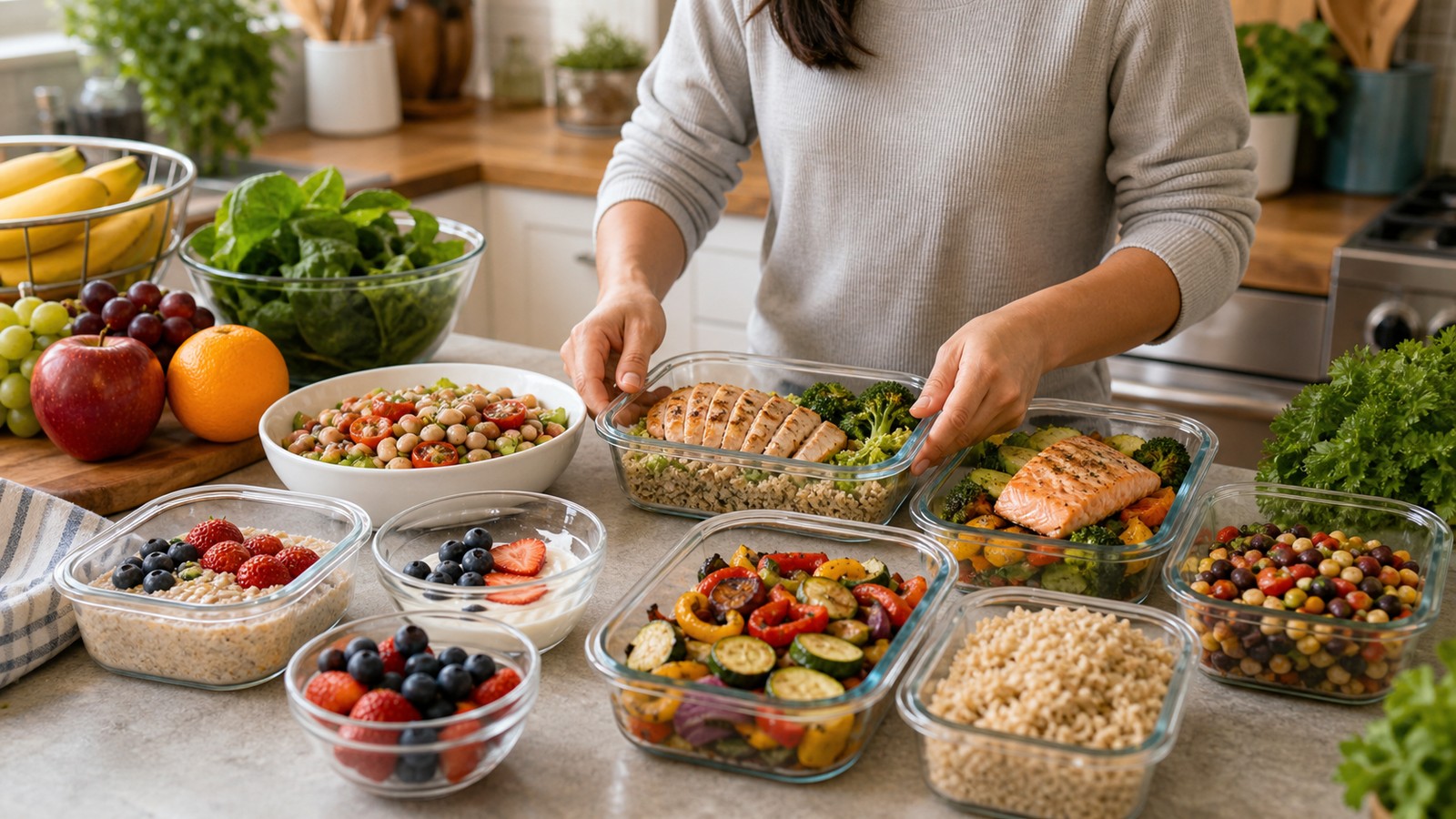
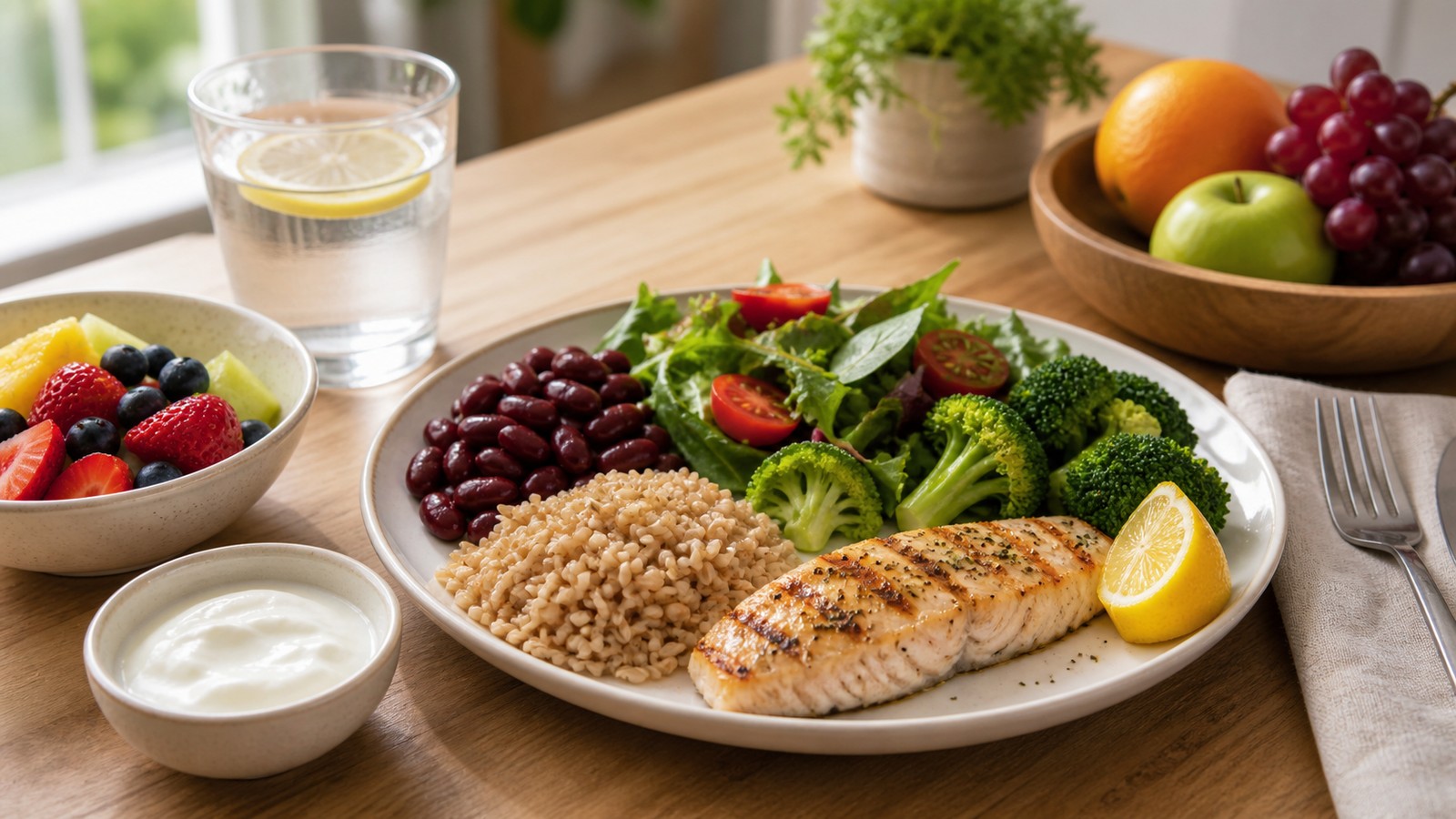
Fill about half the plate with vegetables and fruit, include a quarter of whole grains or another quality carbohydrate, and use the remaining quarter for lean protein. Add low-fat dairy or an alternative according to preference and needs. This visual model is flexible rather than a prescription for every body.
A bowl can follow the same logic: brown rice, black beans, peppers, greens, salsa, avocado, and plain yogurt. Breakfast might combine oats, berries, milk, and walnuts. Lunch could be lentil soup with whole-grain bread and fruit.
Portions should rise with energy needs and fall when appropriate, without reducing the diet to tiny meals. Athletes, adolescents, pregnancy, and physically demanding work require individual adjustment.
Step 10: Plan for Restaurants
Preview menus and look for grilled proteins, vegetable sides, beans, salads, baked potatoes, fruit, and whole grains where available. Ask for sauces and dressings separately, request no added salt when feasible, and limit cured meats and heavily sauced dishes.
Restaurant meals can exceed a daily sodium target even when calories appear moderate. Do not compensate through dehydration or fasting. Choose thoughtfully, return to the regular pattern, and assess frequency across the week.
Restaurant sodium is difficult to estimate because recipes, portions, brines, and sauces vary. Chain nutrition information can reveal relative differences, but numbers remain estimates. Frequent diners benefit from a few repeatable orders rather than attempting perfect calculations at every meal.
When portions are large, save part for another meal if refrigeration is available. This reduces both sodium and energy consumed at one sitting without requiring a special menu. Sharing can work when diners want the same dish.
Step 11: Make Room for Sweets and Fats
DASH limits sweets and sugar-sweetened drinks rather than declaring them forbidden. Fruit can handle many everyday sweet occasions, while favorite desserts fit less frequently. Sweet coffee, soda, and juice can add sugar without much fullness.
Use olive oil, nuts, seeds, avocado, and fish as primary unsaturated-fat sources. Butter, cream, coconut oil, fatty meat, and large cheese portions are richer in saturated fat. Total amount still matters for energy balance.
Alcohol can raise blood pressure and interact with medication. Adults who drink should follow current clinical guidance, while people who are pregnant, driving, in recovery, or advised to avoid alcohol should not use wine as a heart-health strategy.
Unsalted does not mean unlimited. Nuts and oils are useful but energy-dense, especially when weight loss is also a goal. Use enough for satisfaction and cooking rather than adding them automatically to every component.
Planned sweets are easier to enjoy when they are chosen for pleasure rather than appearing through automatic office snacks, sweetened drinks, and repeated tastes while cooking.
Step 12: Review Blood Pressure and Adherence
Blood pressure may improve within weeks, though response varies. Review a trend gathered with consistent technique. Weight change, medication, activity, alcohol, sleep apnea, stress, and other factors also influence the result.
Assess what was difficult: produce waste, restaurant sodium, breakfast habits, cooking time, or family preferences. Solve the biggest recurring barrier instead of adding more rules. A pattern that is followed imperfectly for years can be more valuable than a flawless week.
If readings improve substantially, contact the prescriber about dizziness, weakness, or medication questions. Diet-induced improvement is good news, but untreated low pressure and unsupervised dose changes are unsafe.
Adapt DASH to Culture and Budget
DASH proportions can be used with many cuisines. Keep beans, vegetables, fruit, whole grains, herbs, and lean proteins from your existing food tradition, then adjust sodium-heavy seasonings and processed components. The plan does not require bland “diet food.”
For a lower budget, use oats, lentils, dried or canned beans, eggs, frozen vegetables, seasonal fruit, canned fish, brown rice, and store-brand yogurt. Buy fewer delicate items and plan how each ingredient will be used.
Begin with two changes this week—perhaps fruit at breakfast and lower-sodium lunch choices—then add another when they feel normal. DASH succeeds through accumulation, not a dramatic pantry purge.
Seasoning traditions are assets. Chiles, ginger, garlic, cumin, coriander, turmeric, citrus, vinegars, and fresh herbs can preserve identity while salty bouillon, cured meat, or bottled sauce is adjusted. DASH should adapt to cuisine rather than replacing it.
Choose the Next Change From Your Actual Week
Review receipts, meals, and routines rather than an idealized checklist. If lunches relied on deli meat, solve lunch. If vegetables spoiled, buy frozen or fewer types. If dinner tasted flat, improve seasoning technique before tightening sodium further.
This feedback loop turns DASH into a personal system. Each adjustment should make the healthy option easier, more flavorful, or more available. Progress grows when the environment supports the choice instead of requiring fresh willpower every day.