A Seven-Day Trial Should Teach You More Than Compliance
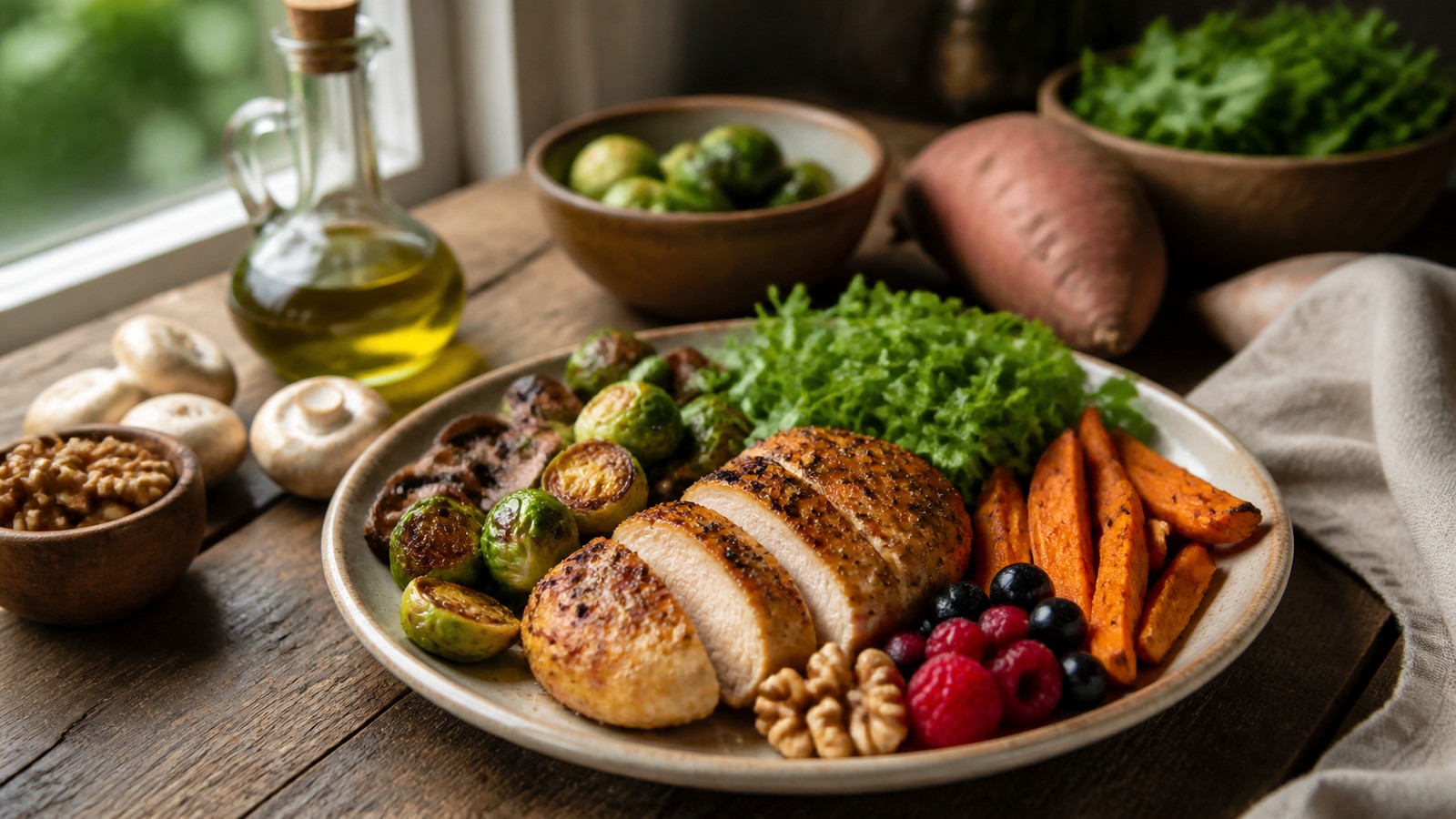
This beginner Paleo meal plan removes grains, legumes, dairy, refined sugar, and most packaged foods for one week while emphasizing vegetables, fruit, eggs, seafood, poultry, meat, roots, nuts, seeds, and selected oils. The meals reuse components so the week remains practical: roasted vegetables become salads and hashes, cooked chicken returns in lettuce cups, and a tray of sweet potatoes supports several dinners. The plan is not a prescription or proof that excluded foods are harmful. One week is too short to establish long-term benefits, diagnose an intolerance, or judge weight change without considering fluid shifts. Instead, use it to experience the pattern, identify logistical and nutritional challenges, and decide which whole-food habits are worth keeping. People with medical conditions, pregnancy, growth needs, allergies, eating-disorder history, or medication concerns should obtain individualized guidance before beginning a restrictive plan.
A: Yes, sequence matters less than food safety and ingredient use.
A: Use leftover fish, poultry, meat, or an individualized alternative.
A: Repetition is practical when the meal remains satisfying and balanced.
A: No, include them when physical hunger appears between meals.
A: Yes, thaw and cook it according to safe handling guidance.
A: Increase adequate food and carbohydrate sources, then reassess the plan.
A: Daily readings mostly add noise during such a short trial.
A: Yes, with additional grains, dairy, or legumes for others if desired.
A: Add one category systematically when symptom identification matters.
A: It reveals logistics, but not long-term health outcomes.
Set Up the Week Without Cooking Everything
Roast a tray of sweet potatoes and another tray of mixed vegetables such as broccoli, peppers, onions, zucchini, and cauliflower. Cook chicken thighs or breasts, hard-cook several eggs, wash greens, and make a lemon-olive-oil dressing. Prepare only enough for food-safe refrigerated use, freezing extra portions promptly.
Buy fish for later in the week closer to the cooking day or use frozen fillets. Keep canned salmon or sardines for backup meals. Portion nuts, wash fruit, and make a simple herb sauce from parsley, lemon, garlic, olive oil, and salt according to your needs.
Do not purchase a pantry of specialty Paleo products. Ordinary produce, eggs, frozen vegetables, chicken, canned fish, and roots are more useful for learning how the diet actually works.
Day 1: Establish a Balanced Plate
Breakfast is eggs scrambled with spinach and mushrooms, plus berries. Lunch combines chicken, greens, cucumber, tomatoes, avocado, pumpkin seeds, and lemon dressing. Dinner features salmon, roasted broccoli, and sweet potato wedges.
Cook extra salmon for tomorrow if leftovers are safe and appealing. For a snack, choose an apple with almond butter or vegetables with a seed-based dip. Hunger should guide whether the snack is needed.
Take a quick photo or note of the plate, not for public accountability but to remember what “enough vegetables” looked like when the meal felt good. This reference makes later meal assembly easier than weighing every ingredient.
Season fish and vegetables with herbs, citrus, garlic, pepper, and enough salt for enjoyment unless medically restricted. The diet does not become healthier when home cooking is needlessly bland.
Day 2: Use Leftovers in a New Format
Breakfast is a warm sweet-potato hash with peppers, onions, and an egg. Lunch turns leftover salmon into lettuce cups with cucumber, avocado, herbs, and lemon. Dinner is turkey meatballs made without breadcrumbs, served with zucchini noodles and tomato sauce.
Check prepared tomato sauce for added sugar, dairy, and grain-derived thickeners, or simmer canned tomatoes with garlic and herbs. Make extra meatballs for a later lunch.
If the meals feel low in energy, increase sweet potato, fruit, avocado, or olive oil rather than simply tolerating fatigue. Paleo does not require intentional under-eating.
Day 3: Build Variety Without Grains
Breakfast combines chia seeds soaked in unsweetened coconut or almond milk with berries and walnuts. Lunch is leftover turkey meatballs over greens with roasted vegetables. Dinner uses chicken stir-fried with cabbage, mushrooms, broccoli, ginger, and coconut aminos over cauliflower rice.
Chia pudding is accepted by many Paleo versions but can be fiber-dense. Begin with a moderate portion and adequate fluid. Coconut aminos is a soy-free condiment, not a sodium-free one.
Check the nondairy milk for calcium and vitamin D if you may continue beyond the week. Strictly unfortified products can fit Paleo philosophy while contributing little nutritionally. Decide whether the ingredient rule or nutrient replacement has priority.
If chia causes digestive discomfort, replace it with eggs and fruit or another tolerated breakfast. There is no reward for forcing a fashionable ingredient.
Day 4: Let Roots Carry More Energy
Breakfast is eggs with leftover chicken, vegetables, and avocado. Lunch is a tuna salad bowl with greens, celery, cucumber, olives, and olive-oil dressing. Dinner features lean beef or bison with roasted carrots, parsnips, Brussels sprouts, and mashed sweet potato.
Choose a portion of meat that leaves substantial room for vegetables. If red meat is not preferred, use poultry, fish, or a permitted plant-forward combination of nuts, seeds, vegetables, and eggs, recognizing that strict vegetarian Paleo is difficult.
Fruit baked with cinnamon can serve as dessert. A rule-compliant dessert is still optional; do not add it merely to imitate a conventional menu.
Day 5: Use an Assembly Dinner
Breakfast is a smoothie made from berries, spinach, unsweetened nondairy milk, chia, and almond butter, accompanied by a boiled egg if more protein is needed. Lunch uses leftover beef or chicken in a roasted-vegetable bowl with herb sauce.
Dinner is a snack-board style meal with boiled eggs, canned sardines or chicken, raw vegetables, avocado, olives, fruit, and a small portion of nuts. Assembly meals reduce cooking while preserving food-group variety.
Day 6: Keep Seafood in Rotation
Breakfast is an omelet with peppers, mushrooms, herbs, and roasted sweet potato. Lunch uses leftover snack-board ingredients in a salad. Dinner is shrimp or white fish with cauliflower mash, green beans, and a mango-cucumber salsa.
Mango contains more carbohydrate than berries, but it remains Paleo. Use the portion that supports your goals. Replace seafood with chicken or eggs when allergy, preference, cost, or pregnancy guidance requires.
Prepare enough cauliflower mash for tomorrow’s meal if you enjoy leftovers. Freezing extra cooked seafood is safer than letting it remain forgotten in the refrigerator.
Day 7: Finish With a Flexible Hash
Breakfast uses fruit, nuts, eggs, or remaining vegetables according to inventory. Lunch is a soup made from broth, chicken, vegetables, herbs, and leftover roots. Check broth ingredients or make a simple version from water, aromatics, and cooked protein.
Dinner is a skillet hash using remaining meat or fish, cauliflower mash or sweet potatoes, greens, mushrooms, and onions. Top it with an egg or avocado if desired. The final meal exists to reduce waste, not showcase a new recipe.
Freeze safe surplus food and discard anything questionable. Write down which components were genuinely useful before shopping for another week.
Keep separate any ingredient that family members may want with rice, beans, bread, or cheese. One base meal can support different needs without requiring everyone to join the elimination. This also reduces pressure to portray the trial as universally superior.
Adjust the Plan for Different Energy Needs
Increase roots, fruit, avocado, nuts, oil, and protein for larger energy needs. Active people may need more carbohydrate than the sample implies. Persistent low energy, poor training, sleep disruption, or excessive hunger indicates that intake or the diet itself needs revision.
For weight loss, begin with balanced meals and respond to hunger rather than removing every root and fruit. Oils, nuts, fatty meat, and Paleo baked goods are energy-dense, so ingredient compliance alone does not determine calorie balance.
Protect Calcium and Iodine
A dairy-free week removes familiar calcium and iodine sources. Include canned salmon or sardines with bones when appropriate, calcium-containing greens, sesame or tahini if accepted, seafood, and iodized salt if your version and medical needs permit it.
One week is unlikely to create a deficiency, but the problem matters if Paleo continues. Strict rejection of fortified foods can make adequate intake harder. A dietitian can assess whether food choices or supplementation are needed.
Vitamin D also deserves attention according to sun exposure, diet, risk factors, and laboratory assessment. Do not assume Paleo foods automatically cover it.
Manage Digestive Changes
Removing grains, legumes, and dairy while increasing vegetables, nuts, seeds, and fat can change bowel habits. Introduce chia, large salads, and heavy nut portions gradually. Drink according to thirst and climate.
Constipation may reflect inadequate fiber, fluid, movement, or total food. Diarrhea can follow large amounts of fat, coconut products, magnesium, or unfamiliar ingredients. Persistent pain, blood, vomiting, or major changes require medical care.
Eat Away From Home Without Demanding Perfection
Choose grilled fish, poultry, meat, eggs, vegetables, salad, fruit, or potatoes according to your version. Ask about breading and major allergens, but recognize that restaurant oils and sauces may be difficult to verify.
Decide whether strictness or participation matters more for this short trial. One uncertain ingredient does not prevent you from learning about the pattern. People with celiac disease or allergies need stronger cross-contact precautions than a preference-based Paleo request.
Travel days benefit from portable fruit, unsalted nuts, boiled eggs in safe cold storage, tuna pouches, or leftover chicken. Emergency food prevents a delayed meal from turning ingredient questions into panic.
If the restaurant cannot meet a preference request, choose the closest balanced meal and continue. Medical allergies and celiac disease are different; their cross-contact requirements must remain firm.
Review the Week Before Repeating It
Assess hunger, energy, digestion, mood, sleep, training, cost, cooking time, and social burden. Weight alone is noisy over seven days. Note whether improvements came from fewer sugary drinks and packaged snacks rather than from excluding beans, grains, or dairy.
If you continue, plan nutrients and laboratory monitoring according to your health. If you stop, reintroduce one category at a time when symptom testing is a goal. Whole grains, legumes, and plain dairy are reasonable first candidates because they add fiber, protein, calcium, or affordability.
Keep any habit that improved your life: vegetable-rich breakfasts, planned leftovers, less added sugar, or more home cooking. A useful seven-day guide should end with a more informed and flexible eater, not merely a longer prohibited-food list.
Review bowel changes, headaches, sleep, and cravings without assuming that every event came from removing a particular food. Caffeine changes, lower total intake, stress, menstrual timing, and expectations can create similar experiences.
Ask whether the plan widened or narrowed food quality. More vegetables and fewer sugary drinks are favorable; replacing beans and yogurt with large amounts of processed meat and grain-free cookies is not. Ingredient compliance and nutritional improvement can move in opposite directions.
Plan the Reintroduction Before Extending the Elimination
If symptom discovery is the goal, choose one excluded category, eat a defined amount under safe conditions, and observe the relevant symptom over an appropriate period. Reintroducing several foods together provides little information. Serious allergy testing belongs with medical professionals rather than a home challenge.
If no symptom investigation is needed, bring back foods according to nutrition and convenience: plain yogurt for calcium and protein, lentils for fiber and affordability, or oats for an easy breakfast. The broadest tolerated diet generally provides more variety and flexibility than indefinite exclusion. Schedule reintroduction during an ordinary week, not during travel, illness, or unusually hard training, because competing factors make symptoms difficult to interpret. Keep meals otherwise familiar and record only the outcome relevant to your question. If a food causes no repeatable problem, continuing to exclude it may add cost and complexity without benefit for you. Include social ease, food access, and meal enjoyment in that calculation, because nutritional adequacy is not the only consequence of long-term restriction. If symptoms are severe, delayed, or medically concerning, stop self-testing and obtain professional evaluation.