A Food List Helps Only When You Understand the Rules Behind It
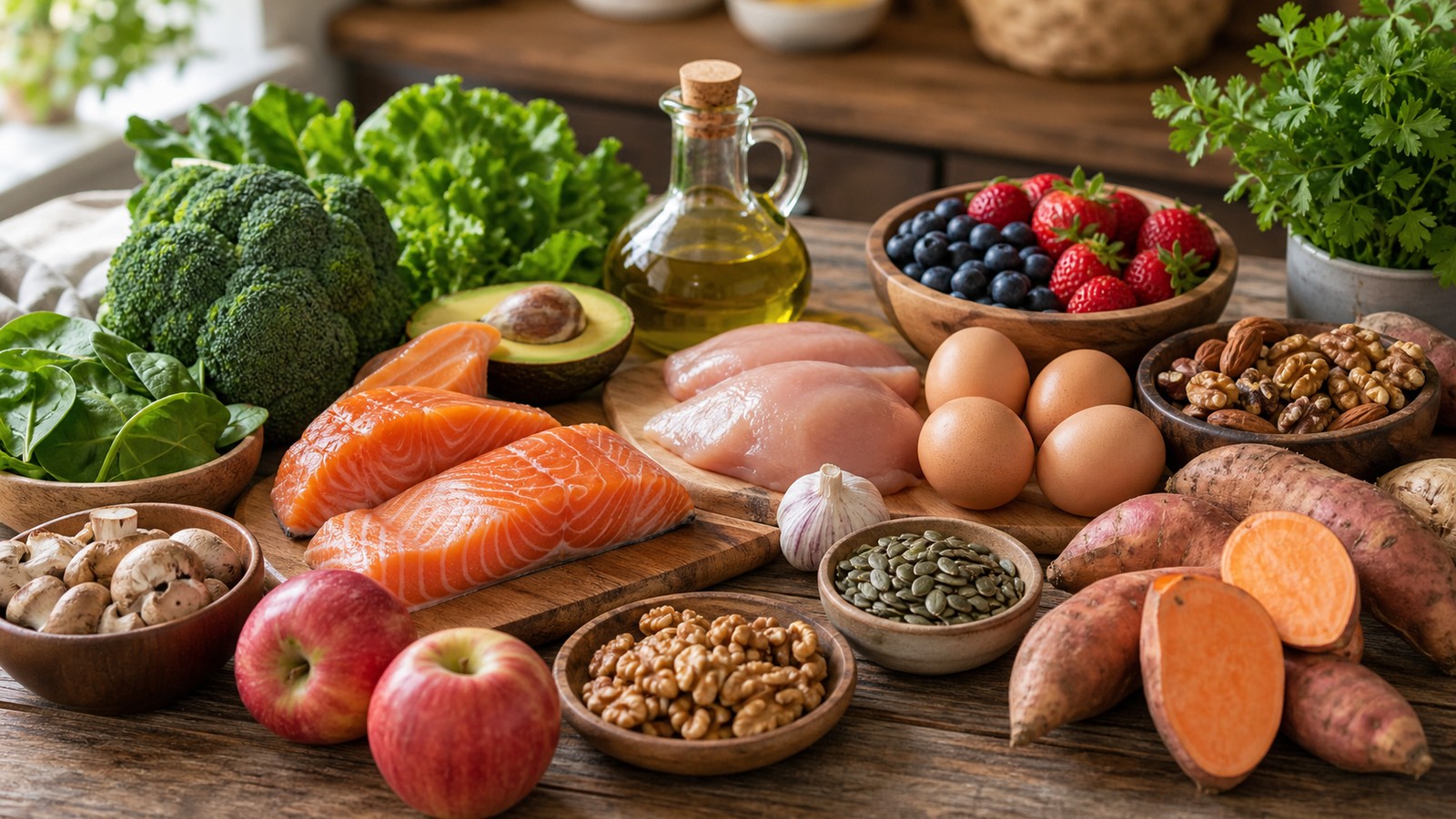
Most Paleo diets emphasize meat, seafood, eggs, vegetables, fruit, nuts, seeds, and selected oils while excluding grains, legumes, dairy, refined sugar, and many processed foods. That sounds straightforward until ordinary questions appear: Are potatoes allowed? Does coffee count? Is bacon Paleo? What about almond-flour cookies, coconut yogurt, or a sauce thickened with starch? Different authors answer differently because Paleo is a modern diet framework, not a single verified prehistoric menu. This guide describes the standard rules, common variations, and nutritional tradeoffs so you can interpret a label rather than memorize an arbitrary list. “Allowed” does not mean unlimited or automatically health-promoting, and “excluded” does not mean science has shown the food is harmful for everyone. Use the categories to plan meals, then evaluate food quality, portions, tolerance, cost, medical needs, and whether the restriction serves a meaningful goal.
A: Yes, though portions can reflect carbohydrate and energy goals.
A: Ingredient-compliant bacon is still processed meat and deserves moderation.
A: Unsweetened products may fit when additives meet your chosen rules.
A: They are legumes, although that does not make them unhealthy.
A: Many practical versions do, adjusted for health needs and the total diet.
A: Yes, plain frozen produce is a useful whole-food shortcut.
A: It may fit the rules, but it remains an added sugar.
A: No, because rice, corn, and other gluten-free grains remain excluded.
A: Yes, though strict ingredient verification becomes difficult.
A: Only when the restriction has a clear, worthwhile purpose.
Fresh Meat and Poultry
Beef, pork, lamb, chicken, turkey, bison, venison, and other unbreaded meats are generally included. Fresh cuts without sweet marinades or grain-based coatings fit most versions. Lean and fatty cuts are both permitted, although cardiovascular health still favors attention to saturated fat and overall dietary pattern.
Processed meat occupies a gray area. Bacon, sausage, deli meat, jerky, and hot dogs may contain sugar, starch, dairy, soy, preservatives, and large amounts of sodium. Some followers accept products with a short ingredient list; others reject all processed forms. Paleo-compatible marketing does not erase health concerns associated with frequent processed-meat intake.
Fish and Seafood
Fish, shellfish, and other unbreaded seafood are standard Paleo foods. Salmon, sardines, trout, mackerel, tuna, shrimp, mussels, cod, and similar choices provide protein and varied micronutrients. Fatty fish add long-chain omega-3 fats.
Choose seafood with pregnancy, mercury, allergies, sustainability, and budget in mind. Canned fish can be economical and convenient. Check smoked products, imitation crab, marinades, and restaurant preparations for sugar, soy, dairy, or grain-derived ingredients if strict compliance matters.
A nutritious Paleo pattern rotates seafood with poultry, eggs, and meat rather than treating red meat as the default at every meal.
Eggs
Chicken, duck, quail, and other eggs are included. They contribute protein, fat, choline, and several vitamins and minerals. Eggs can anchor breakfast, top salads, bind patties, or turn leftover vegetables into a meal.
There is no Paleo requirement to purchase a particular shell color or premium label. Farming practices, price, and personal values may guide selection, but ordinary eggs remain nutritionally useful. Cook and store them safely.
Egg-based packaged foods require closer inspection. Commercial egg bites, breakfast patties, and prepared omelets may include cheese, milk, corn starch, potato starch, or gums. Buying eggs does not require avoiding convenience entirely, but the complete ingredient list determines strict compliance.
For people who cannot eat eggs, breakfast can use leftover fish, poultry, meat, roots, fruit, nuts, and vegetables. Paleo has no nutritional requirement that morning food resemble conventional breakfast.
Vegetables
Leafy greens, broccoli, cauliflower, cabbage, asparagus, zucchini, mushrooms, peppers, tomatoes, cucumbers, onions, carrots, green beans, eggplant, and most other vegetables are included. They should occupy meaningful plate space because removing grains, legumes, and dairy narrows several nutrient sources.
Fresh, frozen, and plain canned vegetables can all work. Frozen produce is processed in the literal sense but accepted by most practical versions. Sauced products may contain dairy, flour, sugar, or soy.
Green beans and snow peas are botanically legumes, yet some Paleo interpretations allow their edible pods because their nutrient and antinutrient profiles differ from dried beans. This inconsistency is one reason to understand purpose rather than policing taxonomy.
Roots, Tubers, and Starchy Vegetables
Sweet potatoes, yams, cassava, taro, plantains, and many other roots are commonly included. White potatoes were once excluded by prominent lists but are now accepted by many followers. Corn is usually excluded as a grain.
These foods provide carbohydrate, potassium, fiber, and energy. Athletes and highly active people may use larger portions, while someone pursuing weight loss may choose amounts according to appetite and energy needs. Paleo is not automatically low-carb.
Cassava flour, tapioca starch, and arrowroot come from permitted plants, but refining changes texture and concentration. They are useful culinary tools rather than nutritional equivalents to a whole root. Grain-free breads and tortillas made from them can contribute substantial rapidly digested carbohydrate.
Preparation also changes the meal. Boiled roots with vegetables and protein differ from deep-fried chips eaten from a large bag, even when both satisfy an ingredient rule.
Fruit
Fresh and frozen fruit is generally allowed, including berries, apples, citrus, melons, bananas, grapes, mangoes, peaches, and pears. Fruit supplies fiber, vitamins, minerals, water, and sweetness.
Dried fruit is easy to overeat and may contain added sugar or oil. Fruit juice removes much of the whole fruit’s structure and fiber, so it is usually limited despite being technically derived from an allowed food. Smoothies can concentrate several servings into a quickly consumed drink.
Weight-loss versions sometimes restrict high-sugar fruit, but no evolutionary principle creates a precise sugar cutoff. Portions should reflect the person’s goals and overall diet.
Nuts and Seeds
Almonds, walnuts, pecans, pistachios, cashews, hazelnuts, macadamias, Brazil nuts, pumpkin seeds, sunflower seeds, chia, flax, hemp, and sesame are commonly included. They provide fat, fiber, minerals, and some protein.
Peanuts are excluded because they are legumes, though that classification does not make them unhealthy. Nut and seed butters can fit when free of excluded sweeteners or oils. Large amounts are energy-dense, and Brazil nuts can supply excessive selenium when eaten in quantity.
Nut flour enables Paleo-style baked goods but does not make cookies or muffins low-calorie. Treat recreations according to their role and portion, not only their ingredients.
Storage matters because their unsaturated fats can become rancid. Keep opened packages cool, smell them before use, and freeze extra quantities when buying in bulk. Nut allergies require strict avoidance and attention to shared equipment on grain-free products.
Fats and Oils
Olive oil, avocado oil, coconut oil, and fats naturally present in meat, fish, nuts, seeds, avocado, and olives are widely accepted. Some plans use rendered animal fats such as lard or tallow. Clarified butter or ghee is accepted by flexible versions despite its dairy origin.
Seed oils are often prohibited, although claims that ordinary amounts are uniquely toxic exceed current evidence. From a heart-health perspective, replacing saturated fat with polyunsaturated and monounsaturated fats can be beneficial. A Paleo implementation can emphasize olive oil, avocado, nuts, seeds, and fish rather than coconut oil and animal fat.
Grains and Pseudograins
Wheat, rice, oats, barley, rye, corn, millet, sorghum, and products made from them are excluded. Quinoa, buckwheat, and amaranth are usually excluded as pseudograins even though their botany differs.
This removes bread, pasta, cereal, tortillas, crackers, many sauces, and most conventional baked goods. Grain-free products use cassava, almond, coconut, tapioca, or arrowroot ingredients instead.
Whole grains are nutrient-rich and associated with favorable health outcomes in broad research. Paleo excludes them because of its framework, not because they are universally harmful. Celiac disease requires strict gluten avoidance, but certified gluten-free grains may still be medically safe even though they are not Paleo.
Legumes and Soy
Beans, lentils, chickpeas, peas, peanuts, and soy foods are generally excluded. This includes tofu, tempeh, edamame, soy milk, hummus, and most bean-based pastas. Certain pod vegetables may be accepted inconsistently.
Lectins, phytates, and other so-called antinutrients are often cited as the reason. Soaking, cooking, fermenting, and digestion reduce many of these compounds, and legumes are linked with health benefits. Avoidance is not necessary for most people.
Removing legumes makes vegetarian Paleo especially difficult and raises food costs by eliminating inexpensive protein and fiber sources.
Some people conduct a temporary elimination because they suspect a symptom trigger. That process is more informative when foods are reintroduced systematically rather than permanently blamed. A broad improvement after starting Paleo cannot identify legumes as the cause when sugar, alcohol, restaurant food, and refined snacks changed simultaneously.
Dairy Foods
Milk, yogurt, cheese, cottage cheese, cream, butter, whey protein, and casein products are excluded by standard Paleo. Flexible versions may allow grass-fed butter, ghee, fermented dairy, or full-fat unsweetened dairy.
Dairy tolerance varies. Lactose intolerance, milk allergy, and personal preference are legitimate considerations, but many people tolerate dairy and benefit from its protein, calcium, iodine, and vitamin D when fortified. If it is removed, those nutrients need replacement.
Sweeteners and Desserts
Refined white and brown sugar, corn syrup, and artificial sweeteners are typically excluded. Honey, maple syrup, dates, coconut sugar, and molasses are accepted by some versions because they are less refined or historically plausible.
They remain added sugars. A dessert made from almond flour, coconut oil, and maple syrup can be calorie-dense and raise blood glucose. Paleo desserts can fit occasionally, but their label does not convert them into staple foods.
Whole fruit is the simplest everyday sweet option. Cinnamon, vanilla, cocoa, and toasted nuts add flavor without requiring large amounts of sweetener.
Beverages
Water is the basic choice. Unsweetened coffee and tea are accepted by most modern followers, though neither fits a literal Paleolithic timeline. Sparkling water and unsweetened coconut water may be used, with carbohydrate considered where relevant.
Soda, sweet tea, energy drinks, and most sugary beverages are excluded. Alcohol policies differ. Beer is grain-based, while wine, hard cider, and distilled spirits may be allowed occasionally by flexible versions. Alcohol carries health risks regardless of Paleo status.
Unsweetened nondairy beverages need ingredient review. Almond or coconut drinks may contain gums, emulsifiers, fortified nutrients, and small amounts of sweetener. Strict followers disagree about additives, while nutrition planning may favor fortification when dairy is absent.
Hydration needs do not become unusual simply because a diet is Paleo. Drink according to thirst, climate, activity, pregnancy, and medical guidance rather than following dramatic gallon-based challenges.
Condiments and Packaged Foods
Mustard, vinegar, herbs, spices, hot sauce, salsa, mayonnaise, pesto, and dressings may fit when ingredients meet the chosen rules. Soy sauce, dairy-based sauces, flour-thickened gravy, and sugar-heavy condiments usually do not.
Read the full label rather than trusting a front-panel claim. “Grain-free,” “natural,” and “Paleo-friendly” do not describe sodium, saturated fat, added sugar, energy density, or nutritional adequacy.
Convenience has value. Frozen vegetables, canned fish, prewashed greens, and simple cooked proteins can support the pattern without expensive certification.
Build a Useful Paleo Shopping Pattern
Select several vegetables, two or three fruits, roots or tubers according to energy needs, varied proteins, nuts or seeds, and mostly unsaturated fats. Add herbs and condiments that make those foods enjoyable. Plan calcium and iodine sources if dairy disappears.
Before excluding nutritious foods, ask what problem the exclusion solves. A flexible Paleo-inspired pattern may retain yogurt, beans, or oats while reducing ultra-processed snacks and refined sugar. That broader diet often preserves the practical strengths with fewer nutritional and social costs.
Use Categories to Create Meals, Not Anxiety
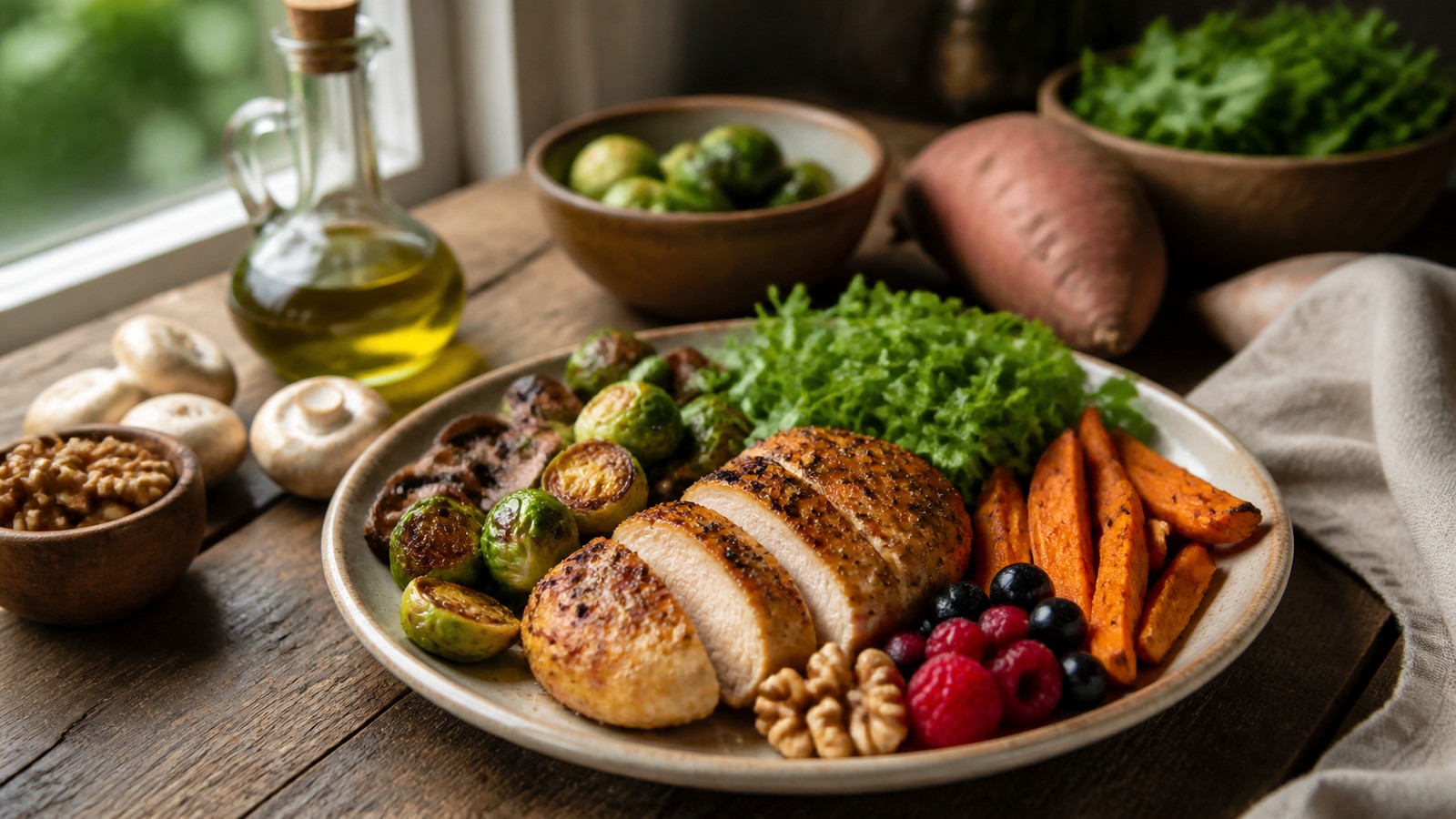
Choose one protein, several vegetables, a root or fruit when useful, and an unsaturated fat. Then season the combination with herbs, spices, citrus, or a compatible sauce. This creates a functional meal more reliably than collecting isolated approved snacks. If label inspection begins consuming social life or producing fear around ordinary nutritious foods, loosen the rules and seek support. The value of a food list is practical orientation. It should not override evidence, medical care, hunger, culture, or the ability to share a meal.