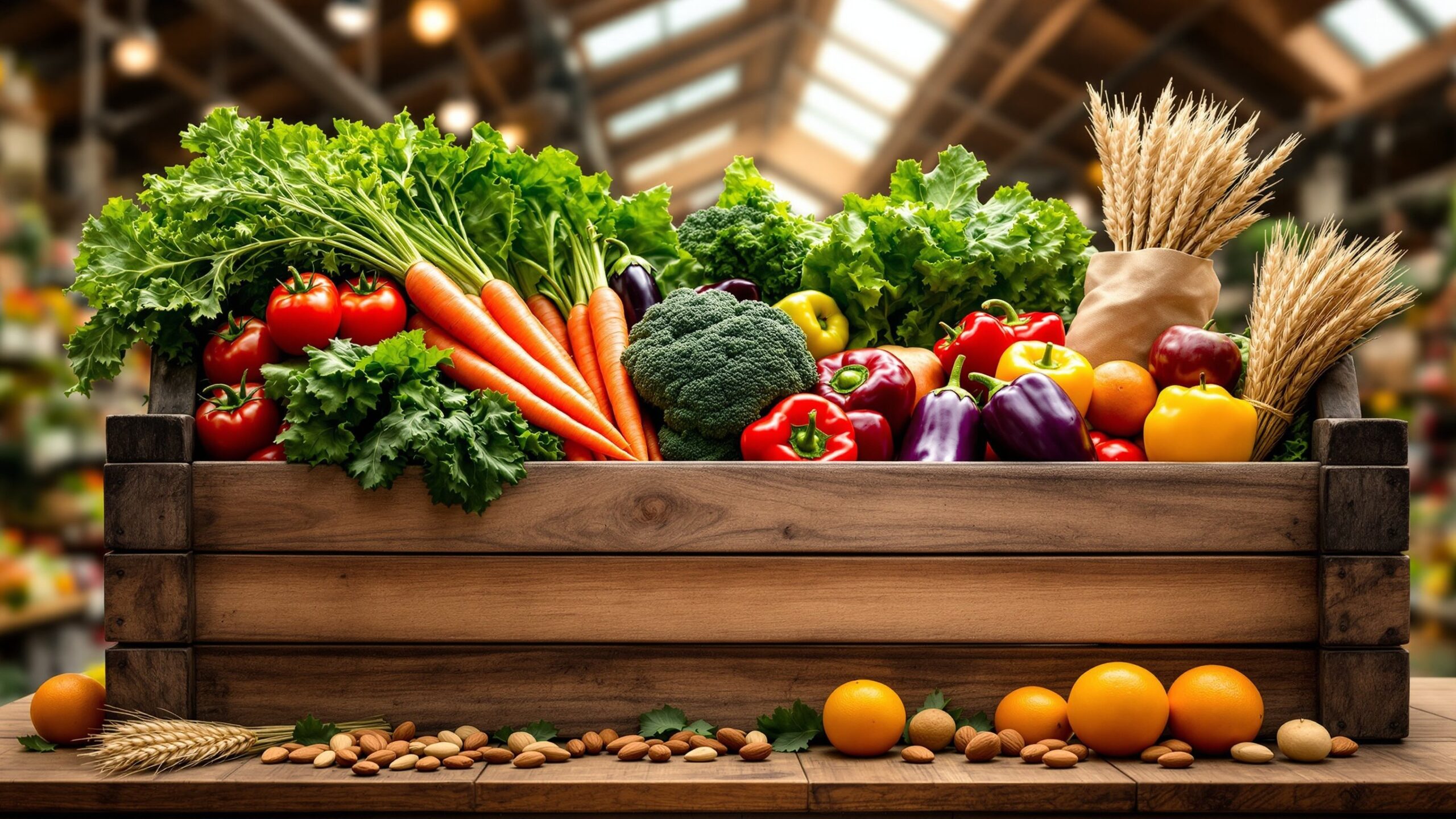
In a world filled with fast food, packaged snacks, and endless nutrition trends, the idea of “clean eating” has emerged as a refreshing return to simplicity. At its core, clean eating is not a strict diet or a rigid rulebook. Instead, it is a philosophy centered on choosing foods that are as close to their natural state as possible. It encourages people to focus on whole, minimally processed ingredients that nourish the body, support long-term health, and promote a balanced lifestyle. Clean eating has gained popularity because it aligns with what many people intuitively feel about food: that real, natural ingredients are better for the body than heavily processed alternatives. While modern food manufacturing has made convenience more accessible than ever, it has also introduced large quantities of refined sugars, preservatives, artificial additives, and unhealthy fats into everyday diets. Clean eating aims to move away from these ingredients and instead embrace foods that are wholesome, nutrient-dense, and satisfying. For beginners, the concept may seem overwhelming at first. Questions often arise: Does clean eating mean eliminating favorite foods? Is it expensive? Is it difficult to maintain? The reality is that clean eating is flexible and adaptable. It’s less about perfection and more about making mindful choices that prioritize real food. This guide explores what clean eating truly means, how it works, and how beginners can gradually adopt this lifestyle. By understanding the principles behind clean eating, anyone can start building healthier habits that support energy, wellness, and longevity.
A: No—choose whole-food carbs like oats, potatoes, fruit, beans, and whole grains.
Understanding the Core Idea of Clean Eating
Clean eating revolves around a simple concept: choose foods that are minimally processed and as close to their natural form as possible. Whole foods such as fruits, vegetables, whole grains, nuts, seeds, lean proteins, and healthy fats become the foundation of daily meals.
Unlike many trendy diets that focus on strict macronutrient ratios or severe restrictions, clean eating focuses on food quality. The emphasis is placed on where food comes from and how it is prepared rather than simply counting calories or eliminating entire food groups.
For example, a clean eating approach would favor whole oats over sugary instant oatmeal packets. Fresh grilled chicken would be preferred over heavily processed deli meats. A homemade salad with olive oil and lemon juice replaces bottled dressings loaded with additives.
The philosophy encourages mindfulness about ingredients. When reading food labels, clean eaters often look for short ingredient lists containing recognizable foods rather than chemical additives. If a product contains many artificial ingredients or preservatives, it typically falls outside the clean eating framework.
Importantly, clean eating does not require perfection. Instead, it promotes gradual improvement. Even small steps—such as cooking more meals at home or choosing fresh fruit instead of packaged desserts—can significantly improve dietary quality over time.
The Difference Between Whole Foods and Processed Foods
One of the most important concepts behind clean eating is understanding the difference between whole foods and processed foods. Whole foods are foods that remain largely unchanged from their natural state. Fresh vegetables, fruits, legumes, whole grains, nuts, eggs, and fish are common examples. These foods provide vitamins, minerals, fiber, antioxidants, and essential nutrients that support overall health.
Processed foods, on the other hand, are foods that have been altered during manufacturing. Some processing is harmless or even beneficial, such as freezing vegetables or pasteurizing milk. However, highly processed foods often contain added sugars, refined oils, artificial flavors, preservatives, and excessive sodium.
Ultra-processed foods tend to be designed for convenience and shelf stability rather than nutrition. Items like sugary cereals, packaged pastries, soda, instant noodles, and many snack foods fall into this category. Clean eating encourages limiting ultra-processed foods while prioritizing whole or lightly processed options. This shift helps people naturally consume more fiber, vitamins, and essential nutrients while reducing intake of additives and empty calories.
The Health Benefits of Clean Eating
Adopting a clean eating lifestyle can provide numerous health benefits. One of the most noticeable advantages is improved energy levels. Whole foods provide steady fuel for the body, preventing the dramatic energy crashes that often occur after consuming high-sugar processed foods.
Clean eating also supports better digestion. Foods rich in fiber, such as vegetables, fruits, and whole grains, promote healthy gut function and help maintain a balanced digestive system.
Another benefit is improved weight management. Because whole foods tend to be more filling and nutrient-dense, people often feel satisfied with smaller portions. This naturally reduces overeating and helps maintain a healthy weight without strict calorie counting.
Clean eating may also reduce the risk of chronic diseases. Diets rich in fruits, vegetables, whole grains, and healthy fats have been associated with lower rates of heart disease, type 2 diabetes, and certain cancers.
In addition to physical health benefits, many people report improved mental clarity and mood when they transition to a cleaner diet. Nutrient-dense foods support brain health, helping stabilize blood sugar and maintain consistent energy throughout the day.
Key Principles of Clean Eating
While clean eating is flexible, several guiding principles can help beginners understand how to approach this lifestyle.
First, prioritize whole foods. Fruits, vegetables, whole grains, legumes, nuts, and lean proteins should make up the majority of meals. These foods provide essential nutrients that support overall wellness.
Second, cook more meals at home. Preparing food yourself allows you to control ingredients and avoid hidden additives often found in restaurant meals or packaged foods.
Third, reduce refined sugar intake. Many processed foods contain large amounts of added sugar, which can contribute to weight gain, energy crashes, and long-term health issues. Choosing natural sweetness from fruits is often a healthier alternative. Another principle is choosing healthy fats. Clean eating embraces fats from natural sources such as avocados, olive oil, nuts, seeds, and fatty fish rather than highly refined vegetable oils or trans fats.
Finally, clean eating encourages staying hydrated with water instead of sugary drinks. Water supports digestion, energy levels, and overall health. These principles provide a simple framework that allows individuals to make better food choices without strict dietary rules.
Building a Clean Eating Kitchen
Creating a kitchen environment that supports clean eating makes the transition much easier. Stocking the pantry and refrigerator with wholesome ingredients encourages healthier meal preparation and reduces reliance on convenience foods.
Fresh produce should be a central part of any clean eating kitchen. Vegetables like leafy greens, broccoli, peppers, carrots, and zucchini provide essential nutrients and can be incorporated into countless dishes.
Whole grains such as quinoa, brown rice, oats, and whole wheat pasta offer satisfying carbohydrates that fuel the body throughout the day. These foods contain fiber and nutrients often removed during the refining process.
Lean protein sources also play an important role. Chicken, fish, eggs, beans, lentils, and tofu provide amino acids needed for muscle maintenance and overall health. Healthy fats should not be overlooked. Olive oil, nuts, seeds, and avocados add flavor and nutritional benefits to meals while helping maintain satiety. Keeping processed snacks out of the kitchen can also make clean eating easier. When healthy foods are readily available, people are naturally more likely to choose them.
Simple Clean Eating Meal Ideas
Clean eating meals do not need to be complicated or time-consuming. In fact, many of the most satisfying meals are simple combinations of fresh ingredients. Breakfast might include oatmeal topped with berries, nuts, and a drizzle of honey. Another option could be eggs scrambled with vegetables and served with whole-grain toast. Lunch can be built around salads, grain bowls, or vegetable-rich soups. A quinoa bowl with roasted vegetables, grilled chicken, and avocado offers a balanced mix of nutrients and flavors. Dinner might include grilled fish with roasted vegetables and brown rice, or a stir-fry made with fresh vegetables, tofu, and a light homemade sauce. Snacks can also align with clean eating principles. Fresh fruit, yogurt, nuts, or vegetable sticks with hummus provide nourishment without relying on processed snack foods. By focusing on simple ingredients and balanced meals, clean eating becomes both enjoyable and sustainable.
Overcoming Common Challenges
Transitioning to clean eating can present challenges, especially for beginners who are accustomed to convenience foods. However, many of these obstacles can be addressed with thoughtful planning and gradual changes.
One common concern is time. Cooking from scratch may initially seem more time-consuming than relying on packaged meals. However, meal prepping, batch cooking, and preparing ingredients in advance can significantly reduce daily cooking time.
Another challenge is cost. While some health foods can be expensive, clean eating does not require specialty ingredients. Buying seasonal produce, purchasing whole grains in bulk, and preparing meals at home often saves money compared to dining out.
Cravings for processed foods may also occur during the transition. Gradually replacing unhealthy snacks with nourishing alternatives can help retrain taste preferences over time. Clean eating should never feel restrictive or stressful. The goal is progress, not perfection. Even incorporating a few cleaner meals each week can make a meaningful difference.
Clean Eating and Mindful Eating
An important but often overlooked aspect of clean eating is mindfulness. Eating slowly, paying attention to hunger signals, and appreciating the flavors of whole foods can transform the relationship people have with food. Mindful eating encourages individuals to listen to their bodies rather than relying on rigid rules or portion guidelines. When people eat attentively, they are more likely to recognize feelings of fullness and satisfaction. This approach also helps reduce emotional eating and mindless snacking. By focusing on nourishment rather than restriction, clean eating supports a healthier and more balanced lifestyle.
Making Clean Eating a Sustainable Lifestyle
The most successful clean eating journeys are those that focus on sustainability rather than short-term results. Instead of adopting extreme rules, individuals can gradually build habits that feel natural and enjoyable.
One effective strategy is the 80/20 approach. This concept encourages eating clean, whole foods most of the time while allowing occasional indulgences. Maintaining flexibility prevents feelings of deprivation and makes the lifestyle easier to maintain long term.
Another key factor is variety. Exploring new ingredients, recipes, and cooking techniques keeps meals exciting and prevents boredom. Trying different vegetables, grains, and spices can introduce new flavors and nutritional benefits.
Social connections also play a role in sustaining healthy habits. Cooking with family, sharing meals with friends, and exploring farmers markets can make clean eating a positive and enjoyable experience. Over time, clean eating becomes less about following a specific plan and more about developing a natural preference for wholesome foods.
The Future of Clean Eating
As awareness of nutrition continues to grow, clean eating is becoming more accessible than ever. Farmers markets, organic food options, and locally sourced ingredients are increasingly available in many communities.
Technology has also played a role in promoting healthier eating habits. Online recipes, nutrition apps, and meal planning tools help people learn how to prepare nutritious meals at home. At the same time, the food industry is responding to consumer demand for transparency and healthier products. Many brands now offer minimally processed foods with simpler ingredient lists.
Clean eating is not simply a trend—it reflects a broader cultural shift toward health, sustainability, and mindful living. As people become more informed about the impact of food on their bodies and the environment, the emphasis on real, whole foods is likely to continue growing.
Returning to Real Food
Clean eating offers a powerful yet simple approach to improving health and well-being. By prioritizing whole foods, reducing processed ingredients, and becoming more mindful about food choices, individuals can nourish their bodies in a natural and sustainable way. For beginners, the journey does not require dramatic changes overnight. Small steps—such as cooking more meals at home, choosing fresh produce, and reading ingredient labels—can gradually transform eating habits. Ultimately, clean eating is about reconnecting with real food. It encourages people to move beyond convenience and rediscover the satisfaction of nourishing meals made from wholesome ingredients. When approached with flexibility and curiosity, clean eating becomes more than a diet. It becomes a lifestyle that supports energy, vitality, and long-term health while celebrating the simple joy of good food.