
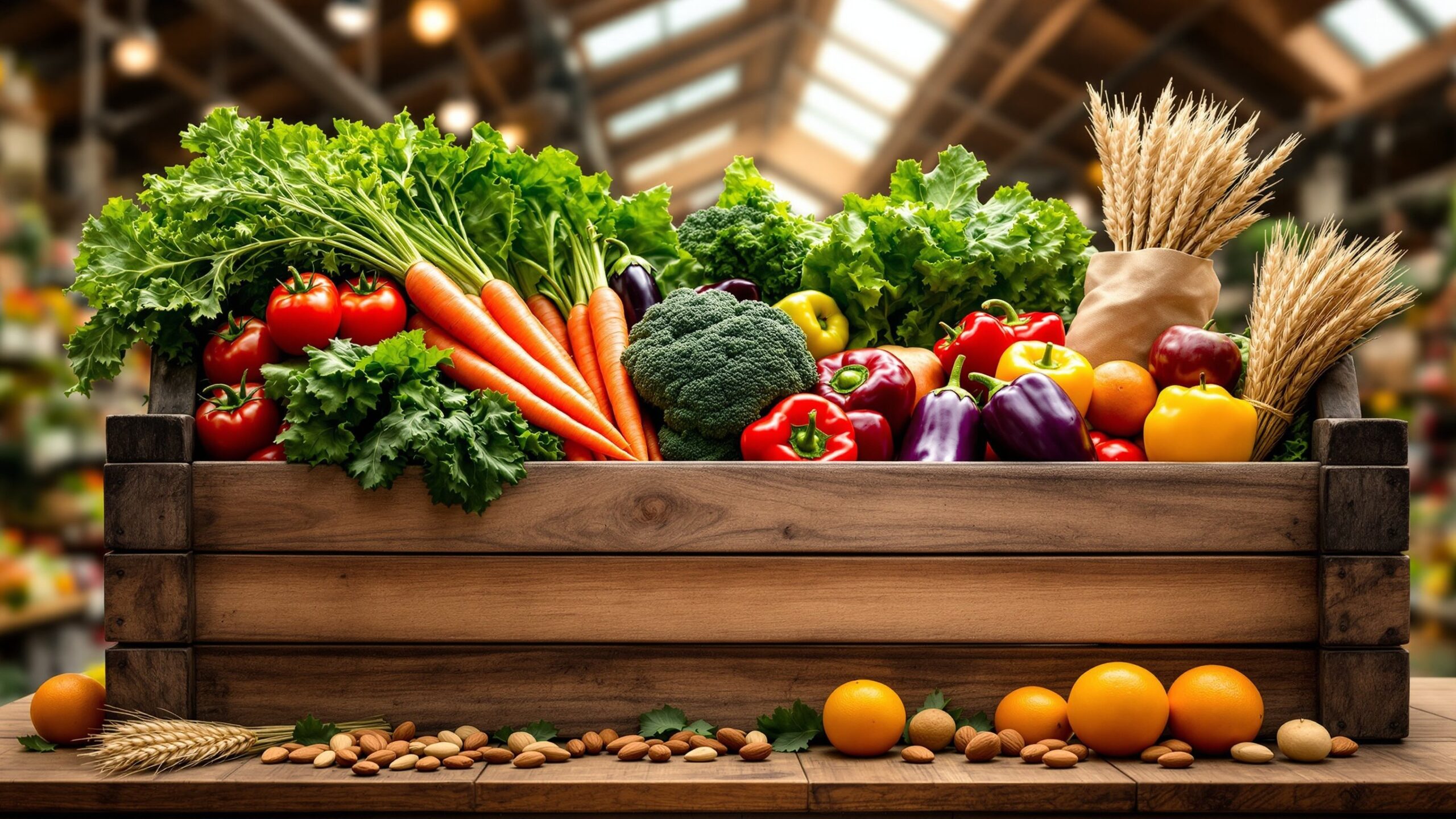
Walk through any modern grocery store and you’ll see thousands of products competing for attention. Bright labels promise “natural,” “healthy,” and “low fat,” yet many of these foods are still heavily processed and filled with additives that move them far away from their original form. Clean eating challenges this modern food landscape by encouraging a return to simple, whole foods that are minimally processed and nutritionally dense. A clean eating grocery list is more than a set of foods. It is a philosophy about how food should nourish the body. Instead of focusing on restrictive dieting or counting calories obsessively, clean eating emphasizes the quality of food. The goal is to choose ingredients that resemble their natural state, are rich in nutrients, and support long-term health. For beginners, the grocery store can feel overwhelming. With so many options, it can be difficult to know which foods align with clean eating principles and which ones quietly undermine them. Understanding exactly what to buy—and what to avoid—transforms grocery shopping into a powerful tool for healthier living. When you fill your kitchen with clean, whole foods, cooking becomes easier, meals become more satisfying, and your body receives the nourishment it truly needs.
A: Produce, a protein you’ll actually cook, and one easy whole-grain base (like oats or rice).
A: Ultra-processed snacks and drinks—especially sugary beverages, candy, and packaged desserts.
A: No—clean eating is more about whole foods; choose organic when it fits your budget and priorities.
A: Check the ingredient list for syrups and “-ose” words, and compare brands side-by-side.
A: Greek yogurt + berries + nuts, or oats with cinnamon and fruit, or eggs with veggies and toast.
A: Absolutely—aim for snacks with protein/fiber like fruit + nuts or hummus + veggies.
A: Protein + veggie + fiber carb (or extra veggies) + healthy fat like olive oil or avocado.
A: Choose versions with short ingredient lists, and use lemon, herbs, mustard, and yogurt to DIY.
A: Keep a “default list” of 10–15 staples and repeat them weekly with small flavor swaps.
What Clean Eating Really Means
Clean eating is often misunderstood as a strict or expensive diet, but its core idea is surprisingly simple. It means choosing foods that are as close as possible to their natural form while limiting artificial ingredients, refined sugars, and heavily processed products.
Whole foods are the foundation of clean eating. These include fresh vegetables, fruits, whole grains, nuts, seeds, legumes, lean proteins, and healthy fats. These foods are rich in vitamins, minerals, fiber, and antioxidants that help the body function optimally.
On the other hand, ultra-processed foods often contain long ingredient lists, artificial preservatives, refined sugars, and unhealthy fats. While these products may be convenient, they frequently lack the nutrients your body needs and can contribute to fatigue, inflammation, and long-term health problems.
Clean eating does not demand perfection. Instead, it encourages mindful food choices that prioritize nutrition, balance, and simplicity. A well-planned grocery list makes it much easier to follow these principles every day.
The Foundation of a Clean Eating Grocery List
A clean eating grocery list is typically built around the outer sections of the grocery store. This is where fresh produce, proteins, and dairy products are usually located. These sections contain the most nutrient-dense and least processed foods available. The inner aisles of the store tend to contain packaged goods, many of which are highly processed. While some pantry staples live here, such as whole grains or canned beans, it is important to read labels carefully and choose products with minimal ingredients. Planning your grocery list ahead of time keeps your shopping focused and prevents impulse purchases. When you walk into the store knowing exactly what you need, you are far more likely to leave with foods that support your health goals.
Fresh Vegetables: The Cornerstone of Clean Eating
Vegetables are arguably the most important category in a clean eating grocery list. They provide essential nutrients, fiber, and antioxidants while remaining naturally low in calories.
Leafy greens like spinach, kale, romaine lettuce, and arugula are excellent staples because they are rich in vitamins A, C, and K. Cruciferous vegetables such as broccoli, cauliflower, and Brussels sprouts offer powerful plant compounds that support detoxification and immune health.
Colorful vegetables like bell peppers, carrots, tomatoes, and sweet potatoes contribute additional vitamins and antioxidants. Eating a variety of colors helps ensure your body receives a broad spectrum of nutrients.
Whenever possible, choose fresh vegetables that appear vibrant and firm. Frozen vegetables can also be a clean eating option because they are typically frozen soon after harvest, preserving much of their nutritional value.
The key principle is variety. A colorful produce section in your grocery cart usually reflects a nutrient-rich diet.
Fresh Fruits: Nature’s Sweet Alternative
Clean eating does not eliminate sweetness; it simply replaces refined sugar with naturally sweet foods. Fresh fruit offers vitamins, fiber, and antioxidants while satisfying sugar cravings in a healthier way.
Apples, berries, oranges, bananas, and grapes are convenient and versatile options. Berries in particular are prized for their high antioxidant content and relatively low sugar levels.
Seasonal fruits are often the freshest and most affordable. In summer, this might include peaches, cherries, and watermelon, while winter months may feature citrus fruits and pears.
Dried fruits can also fit into a clean eating lifestyle when they contain no added sugar or preservatives. However, because they are concentrated sources of sugar, they are best enjoyed in moderation.
Choosing whole fruits instead of fruit juices is another important clean eating guideline. Whole fruits provide fiber, which helps stabilize blood sugar and promotes fullness.
Whole Grains: Energy That Lasts
Carbohydrates often receive a negative reputation, but whole grains play an important role in a balanced clean eating plan. Unlike refined grains, whole grains retain their bran, germ, and fiber, providing lasting energy and valuable nutrients.
Brown rice, quinoa, oats, barley, and farro are popular clean eating grains. These foods digest more slowly than refined grains, helping maintain steady blood sugar levels and preventing energy crashes. Whole grain bread and pasta can also be included when they are made with truly whole grain flour rather than refined white flour disguised with marketing language.
Reading ingredient labels is crucial here. If the first ingredient lists “whole wheat” or another whole grain, the product is generally a better choice than those made primarily from refined flour. Whole grains add texture, flavor, and nutritional balance to meals while supporting digestive health.
Lean Proteins: Building Blocks for the Body
Protein plays a crucial role in muscle repair, immune function, and overall health. A clean eating grocery list should include high-quality protein sources that are minimally processed. Fresh poultry, fish, eggs, and lean cuts of meat are common clean eating staples. Fish such as salmon, sardines, and mackerel are particularly valuable because they contain omega-3 fatty acids that support heart and brain health. Plant-based protein options are also excellent choices. Lentils, chickpeas, black beans, and tofu provide fiber and nutrients while supporting a balanced diet. When purchasing packaged proteins such as deli meat or sausages, it is important to read ingredient labels carefully. Many of these products contain preservatives, excessive sodium, and artificial additives. Choosing simple, minimally processed protein sources ensures that meals remain nutritious and satisfying.
Healthy Fats: Essential for Balance
Healthy fats are another critical component of clean eating. While fats were once widely feared, modern nutrition science recognizes that certain fats are essential for hormone balance, brain health, and nutrient absorption.
Avocados, nuts, seeds, and olives provide natural healthy fats along with fiber and micronutrients. Olive oil and avocado oil are popular cooking fats that fit well within a clean eating lifestyle. Fatty fish like salmon and tuna also provide beneficial omega-3 fats that help reduce inflammation and support cardiovascular health.
The key distinction is between natural fats and processed fats. Clean eating emphasizes the former while avoiding artificial trans fats and heavily refined oils commonly found in processed foods. When used in moderation, healthy fats enhance flavor and help keep meals satisfying.
Clean Eating Pantry Staples
While fresh foods form the foundation of clean eating, a well-stocked pantry makes it easier to prepare balanced meals quickly.
Staples like canned beans, whole grain pasta, quinoa, oats, and natural nut butters can serve as the base for countless healthy recipes. The important factor is choosing versions with minimal ingredients and no unnecessary additives.
Herbs and spices also deserve a place in a clean eating kitchen. Garlic powder, turmeric, cinnamon, paprika, and black pepper add depth and flavor without relying on excessive salt or artificial flavor enhancers. Broths, vinegars, and tomato products can also be useful cooking ingredients when they contain simple, recognizable components. These pantry essentials help transform basic ingredients into satisfying meals.
Foods to Avoid on a Clean Eating Grocery List
Understanding what to avoid is just as important as knowing what to buy. Many products that appear healthy at first glance may actually contain hidden sugars, preservatives, and artificial ingredients.
Highly processed snacks such as chips, sugary cereals, candy, and packaged pastries typically fall outside the clean eating philosophy. These foods often contain refined flour, added sugars, and unhealthy fats.
Sugary beverages are another major category to avoid. Soda, sweetened coffee drinks, and energy drinks can contribute significant amounts of sugar without providing meaningful nutrition.
Processed meats like hot dogs and heavily preserved deli meats may also contain nitrates, sodium, and additives that do not align with clean eating goals.
Finally, products with long, complex ingredient lists are often best left on the shelf. When a food contains numerous chemical-sounding ingredients, it is usually a sign that it has been heavily processed.
Smart Label Reading for Clean Eating
Reading ingredient labels is one of the most valuable skills for anyone pursuing clean eating. Many products use marketing terms that sound healthy but do not necessarily reflect the quality of the ingredients. A helpful rule is that shorter ingredient lists usually indicate less processing. If a product contains ingredients you recognize and could reasonably use in your own kitchen, it is often a better choice. Watch for hidden sugars, which may appear under names such as corn syrup, maltose, dextrose, or cane juice. Even products marketed as “natural” may contain significant amounts of added sugar. Sodium levels are another important consideration. Many packaged foods contain far more salt than necessary, which can contribute to high blood pressure over time. Learning to interpret labels empowers you to make informed decisions every time you shop.
A Typical Clean Eating Grocery Cart
Imagine a grocery cart filled with vibrant vegetables, colorful fruits, whole grains, and fresh proteins. Bags of spinach sit beside bright red bell peppers, while a carton of eggs rests next to a fillet of salmon. A container of quinoa, a jar of natural almond butter, and a bottle of olive oil complete the scene.
This type of grocery cart represents the essence of clean eating. Each item provides real nutritional value and contributes to balanced, satisfying meals. With these ingredients, it becomes easy to prepare dishes such as vegetable stir-fries, hearty grain bowls, fresh salads, and grilled fish with roasted vegetables. Instead of relying on packaged convenience foods, your kitchen becomes a space where simple ingredients come together to create nourishing meals.
Tips for Making Clean Eating Affordable
One common misconception about clean eating is that it requires an expensive grocery budget. While certain specialty products can be costly, clean eating itself can be surprisingly affordable.
Buying seasonal produce often reduces costs while improving flavor and freshness. Frozen vegetables and fruits can also provide excellent nutrition at a lower price.
Purchasing whole ingredients rather than pre-prepared meals often saves money in the long run. Cooking larger batches and using leftovers creatively can stretch ingredients even further.
Shopping with a clear grocery list also prevents impulse purchases, helping you stay focused on foods that truly support your health.
With thoughtful planning, clean eating can be both nutritious and budget-friendly.
Transforming Your Kitchen Through Clean Eating
The power of clean eating begins long before a meal reaches your plate. It starts in the grocery store, where each choice shapes the foods available in your home. When your pantry and refrigerator are filled with whole, nutritious ingredients, preparing healthy meals becomes the natural default rather than a daily struggle. Over time, these choices can influence energy levels, digestion, mood, and overall wellness. Many people discover that when they transition to cleaner foods, they experience more stable energy, improved focus, and a deeper appreciation for real flavors. Clean eating is not about rigid rules or temporary diets. It is about building a relationship with food that prioritizes nourishment, balance, and simplicity.
The Grocery List That Fuels a Healthier Life
A clean eating grocery list serves as a roadmap toward better nutrition and long-term health. By focusing on whole foods like vegetables, fruits, whole grains, lean proteins, and healthy fats, you create a foundation for meals that truly support your body.
At the same time, learning to avoid ultra-processed foods, excessive sugars, and artificial ingredients protects you from many of the nutritional pitfalls common in modern diets.
Ultimately, the choices you make in the grocery store shape the meals you eat every day. When your cart is filled with real, nourishing foods, healthy living becomes easier, more enjoyable, and far more sustainable.
Clean eating begins with simple decisions. The next time you walk through the grocery store, let your cart reflect the kind of life you want to fuel—one built on vibrant ingredients, balanced nutrition, and food that truly nourishes the body.

