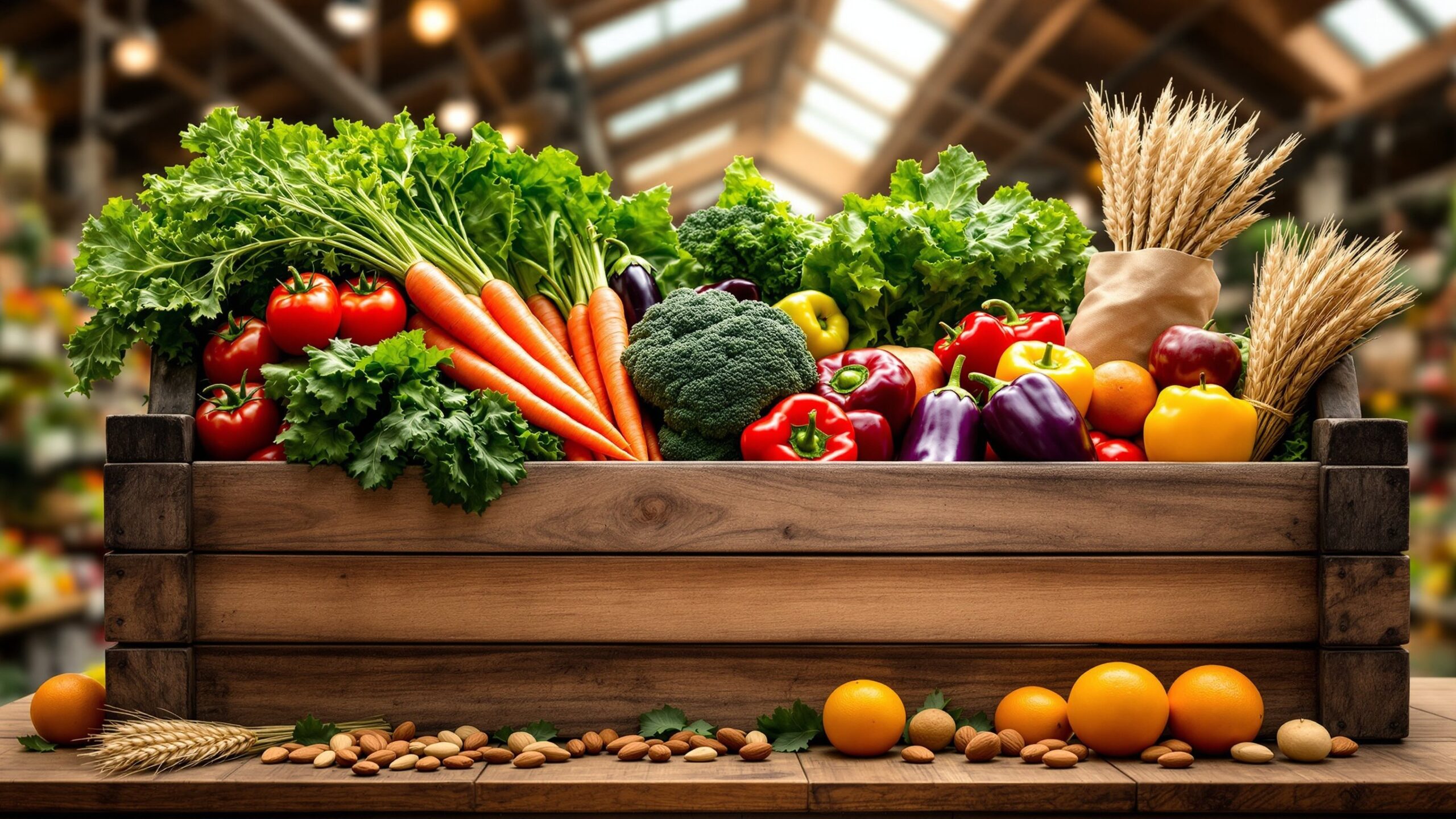
In today’s fast-moving world, the phrase clean eating has become a powerful symbol of wellness, vitality, and long-term health. At the same time, processed foods dominate grocery shelves, restaurant menus, and convenience stores around the globe. The contrast between these two approaches to nutrition has sparked countless debates among nutritionists, doctors, and everyday consumers trying to make better food choices. But beyond the headlines and diet trends lies a deeper question: what actually happens inside your body when you eat clean foods versus processed foods? The answer is both fascinating and important. Every meal sets off a cascade of biological reactions—from blood sugar changes to hormonal responses, from gut microbiome shifts to cellular repair. Understanding these processes can transform the way you think about food. Clean eating is not simply about avoiding certain ingredients; it is about supporting the body’s natural systems so they can function the way they were designed to. Meanwhile, highly processed foods often interfere with these systems, creating metabolic stress that accumulates over time. To truly appreciate the difference, we must look beyond labels and explore what is happening inside your body at the cellular, metabolic, and hormonal levels.
A: No—processing can be helpful (frozen veg, canned beans). The issue is “ultra-processed” foods engineered to be easy to overeat.
A: Many people notice steadier energy, fewer cravings, and better digestion once fiber and protein rise.
A: Not usually—aim to reduce added sugars, especially in drinks and snacks, while keeping fruit and whole foods.
A: Look for long ingredient lists, flavor enhancers, refined starches, and multiple sweeteners—especially in “snackable” foods.
A: Build a “protein + produce” default: rotisserie chicken or eggs with salad kits, frozen veg, or fruit.
A: Many are low in fiber/protein and high in refined carbs, so blood sugar rises and falls faster.
A: Not inherently—carb quality matters. Whole grains, beans, and fruit behave differently than refined flour and added sugars.
A: Often, yes—more plants, omega-3s, and fewer ultra-processed foods can support healthier inflammatory balance.
A: Focus on basics: oats, beans, eggs, frozen vegetables, canned fish, in-season produce, and store-brand olive oil.
A: Add one whole-food “anchor” to every meal—protein or fiber first—then build around it.
Understanding Clean Eating: Food in Its Natural State
Clean eating centers on consuming foods that remain as close as possible to their natural state. These foods typically include fresh vegetables, fruits, whole grains, lean proteins, nuts, seeds, and minimally processed dairy products. The defining characteristic is simplicity: ingredients that are recognizable, nutrient-rich, and free from heavy chemical modification.
When you eat clean foods, your body receives nutrients in a form that it recognizes and can efficiently metabolize. Whole foods contain complex combinations of vitamins, minerals, fiber, antioxidants, and phytonutrients that work together to support biological processes. These compounds are not isolated; they exist within natural structures that help regulate digestion, nutrient absorption, and metabolic balance.
For example, a whole apple provides natural sugars, but those sugars are balanced by fiber, water, and antioxidants. This combination slows digestion and prevents dramatic spikes in blood sugar. The body processes the energy gradually, providing sustained fuel rather than a sudden surge followed by a crash.
Clean foods also tend to be lower in artificial additives and preservatives, which means your liver and detoxification systems face fewer chemical compounds to process. As a result, the body can focus its energy on essential tasks such as tissue repair, immune function, and hormone regulation.
What Counts as Processed Food?
Processed foods exist along a broad spectrum. Some processing is harmless or even beneficial. Washing, freezing, fermenting, or pasteurizing food can extend shelf life and improve safety without dramatically altering nutritional value. However, ultra-processed foods represent the other end of the spectrum. These products often contain refined sugars, artificial flavors, preservatives, emulsifiers, and chemically modified ingredients designed to improve taste, texture, and shelf stability. Common examples include packaged snacks, sugary beverages, instant meals, processed meats, and many fast foods.
Ultra-processed foods are typically engineered for convenience and palatability. Manufacturers combine high levels of sugar, salt, and refined fats to trigger the brain’s reward system. This makes the foods extremely satisfying in the moment but often nutritionally imbalanced. While these products may provide calories, they often lack the complex nutrients found in whole foods. Over time, diets dominated by ultra-processed foods can disrupt metabolism, gut health, and energy regulation.
The First Step: Digestion and Nutrient Absorption
The digestive process begins the moment food enters the mouth. Enzymes in saliva begin breaking down carbohydrates, while chewing mechanically prepares food for the stomach. Clean foods typically require more chewing and slower digestion. Fiber-rich vegetables, whole grains, and intact proteins take time to break down. This extended digestive process allows the body to absorb nutrients steadily and efficiently.
Processed foods, on the other hand, are often pre-digested by industrial manufacturing methods. Refined flours, isolated sugars, and emulsified fats are quickly absorbed by the digestive system. This can lead to rapid spikes in blood glucose and insulin levels.
The difference in digestion speed has important consequences. Slow digestion promotes stable energy levels and satiety, while rapid digestion often leads to hunger soon after eating.
Your digestive system is designed to handle complex foods with structural integrity. When those structures are removed during processing, the body experiences metabolic responses that differ dramatically from what evolution prepared it for.
Blood Sugar: The Rollercoaster vs the Steady Climb
One of the most immediate differences between clean eating and processed food consumption appears in blood sugar regulation. Whole foods typically produce a moderate rise in blood glucose. Fiber slows the release of sugar into the bloodstream, allowing the body to regulate insulin effectively. This steady pattern provides consistent energy throughout the day. Processed foods often trigger dramatic spikes in blood sugar. Refined carbohydrates and added sugars enter the bloodstream quickly, forcing the pancreas to release large amounts of insulin to control glucose levels. This process creates a cycle of rapid highs followed by sharp drops. The drop in blood sugar can cause fatigue, irritability, and cravings for more sugary foods. Over time, repeated spikes may contribute to insulin resistance, a condition associated with type 2 diabetes and metabolic syndrome. Clean eating helps stabilize this system by delivering carbohydrates in forms that the body can manage gradually.
The Gut Microbiome: Feeding Your Internal Ecosystem
Inside your digestive tract lives a complex community of trillions of microorganisms known as the gut microbiome. These bacteria play a critical role in digestion, immune function, and even mental health.
Clean foods tend to nourish beneficial bacteria. Fruits, vegetables, whole grains, legumes, and fermented foods provide fiber and natural compounds that serve as fuel for healthy microbes. As these bacteria thrive, they produce short-chain fatty acids that reduce inflammation and support the intestinal lining.
Processed foods often lack the fibers and nutrients that beneficial microbes need. Instead, diets high in refined sugars and additives may encourage the growth of less desirable bacterial species. An imbalanced microbiome can affect everything from digestion to mood. Researchers increasingly link gut health to conditions such as obesity, autoimmune disorders, and depression. By choosing whole foods, you effectively feed the microorganisms that help keep your body in balance.
Inflammation: The Hidden Impact of Diet
Inflammation is the body’s natural defense mechanism against injury and infection. However, chronic inflammation can damage tissues and increase the risk of many diseases.
Clean foods are rich in antioxidants and anti-inflammatory compounds. Colorful vegetables, berries, nuts, seeds, and healthy fats provide molecules that neutralize free radicals and reduce oxidative stress.
Processed foods often contain ingredients that may promote inflammation. Excess sugar, refined oils, and artificial additives can activate inflammatory pathways in the body.
While occasional consumption may not cause immediate harm, frequent exposure can lead to persistent low-grade inflammation. Over time, this state has been associated with cardiovascular disease, arthritis, and metabolic disorders.
A clean eating approach helps maintain a healthier inflammatory balance.
Hormones and Appetite Regulation
Your body uses hormones to regulate hunger and fullness. Two key hormones involved in this process are ghrelin, which stimulates appetite, and leptin, which signals satiety. Whole foods support these hormonal systems by providing nutrients that stabilize blood sugar and promote fullness. Protein, fiber, and healthy fats trigger satiety signals that help you recognize when you have eaten enough.
Ultra-processed foods can interfere with these signals. Highly palatable combinations of sugar, salt, and fat stimulate dopamine release in the brain, encouraging repeated consumption even after energy needs are met.
This effect can override the body’s natural appetite regulation. People may continue eating not because they are hungry, but because the brain’s reward pathways are activated. Clean eating restores balance by allowing hormonal signals to function more effectively.
Energy Levels and Mental Clarity
Many people notice dramatic differences in energy levels when they switch from a diet dominated by processed foods to one focused on whole foods. Processed foods often deliver quick bursts of energy followed by fatigue. Blood sugar fluctuations, combined with nutrient deficiencies, can leave the body feeling depleted.
Clean foods provide more consistent energy because they contain balanced combinations of carbohydrates, proteins, and fats. These nutrients release energy slowly, allowing cells to produce fuel steadily throughout the day.
Mental clarity also improves when the brain receives a stable supply of glucose and essential nutrients. Vitamins such as B-complex, along with omega-3 fatty acids and antioxidants, support neurotransmitter production and cognitive performance.
The result is often improved focus, mood stability, and reduced brain fog.
Long-Term Health Outcomes
The long-term effects of diet extend far beyond daily energy levels. Research consistently shows that diets rich in whole foods are associated with lower risks of chronic diseases. Clean eating patterns support heart health by reducing harmful cholesterol levels and improving blood vessel function. The abundance of fiber helps regulate cholesterol absorption and maintain healthy blood pressure.
These diets also contribute to better metabolic health. Stable blood sugar control reduces the risk of diabetes and obesity, while nutrient-dense foods support healthy weight management. Conversely, diets high in ultra-processed foods have been linked to increased risks of cardiovascular disease, certain cancers, and metabolic disorders. While genetics and lifestyle factors also play roles, nutrition remains one of the most powerful influences on long-term health.
The Psychological Relationship with Food
Food choices affect not only the body but also the mind. Clean eating encourages mindfulness and awareness of what you consume. Preparing meals from whole ingredients often creates a stronger connection to food and nutrition.
This approach can foster healthier eating habits and greater appreciation for flavors and ingredients. Processed foods, by contrast, are often designed for convenience and speed. While they can fit into modern lifestyles, heavy reliance on them may disconnect individuals from the nutritional value of what they eat. Understanding where food comes from and how it affects the body can lead to more intentional dietary decisions.
Practical Steps Toward Cleaner Eating
Transitioning from processed foods to cleaner eating does not require perfection. Small, consistent changes can produce meaningful results. Choosing fresh produce, cooking more meals at home, and reading ingredient labels are effective starting points. Replacing sugary beverages with water or unsweetened tea can significantly reduce added sugar intake.
Even simple adjustments—such as swapping refined grains for whole grains or choosing whole fruits instead of sugary snacks—can improve metabolic health. Over time, these habits reshape both taste preferences and nutritional patterns.
The Bigger Picture: Balance and Sustainability
Clean eating is not about strict rules or rigid restrictions. It is about creating a dietary pattern that supports the body’s natural functions while remaining practical and enjoyable. Occasional processed foods do not automatically undermine health. What matters most is the overall pattern of eating. When whole foods form the foundation of your diet, the body receives the nutrients it needs to maintain balance. Sustainable nutrition involves flexibility, variety, and awareness. The goal is not perfection but long-term well-being.
What Your Body Truly Wants
The human body evolved to thrive on foods found in nature—foods rich in fiber, nutrients, and complex biological compounds. Clean eating aligns with this evolutionary design by delivering nourishment in forms that the body can easily recognize and utilize. Processed foods, while convenient and often enjoyable, can disrupt the delicate systems that regulate energy, metabolism, and health. Their effects accumulate gradually, influencing everything from blood sugar balance to gut microbiome composition.
Understanding what happens inside your body when you choose clean foods versus processed ones empowers you to make better decisions every day. Each meal becomes an opportunity to support your body’s natural processes, promote long-term health, and cultivate lasting energy. Ultimately, the difference between clean eating and processed foods is not just about ingredients on a label. It is about how those ingredients interact with the remarkable systems that keep your body alive, balanced, and thriving.