A Weekly Rotation Starts With Foods You Enjoy
A grocery refrigerator can make probiotic shopping feel like a competition between drinks, tubs, and jars promising a healthier gut. A more useful starting point is your actual week: breakfasts you have time to prepare, lunches you can pack, and dinners that would benefit from a tangy sauce or crunchy accompaniment. Yogurt and other fermented foods can fit those meals, but their labels deserve careful reading. Fermentation, surviving live cultures, and a demonstrated probiotic benefit describe different things. This guide uses that distinction to build an enjoyable rotation rather than an obligatory shopping list. You do not need every food here, and eating something weekly does not turn it into a medical treatment. Choose options that suit your preferences, dietary needs, budget, and storage space; then give each purchase a clear place in a meal.
A: No. Choose a manageable option with uses you enjoy; a longer shopping list does not establish more benefit.
A: No. It describes a flexible meal-planning approach, not a researched treatment frequency.
A: Yes, a suitable plain yogurt can work with fruit or as a savory sauce ingredient.
A: Compare kefir or an appropriate alternative by ingredients, nutrition, culture information, and storage needs.
A: No. Enjoy it as bread rather than assigning it that claim.
A: Check the actual ingredient list because some recipes include seafood ingredients.
A: Not necessarily. Compare protein, fortification, and the rest of the meal.
A: Only if you can use it appropriately; repeated waste changes the value calculation.
A: No. A milk allergy requires avoiding relevant milk ingredients according to your care plan.
A: People who are seriously ill or have weakened immune defenses should discuss suitability with their care team.
Put the Probiotic Claim in the Right Place
The term probiotic refers to living microorganisms with a demonstrated health benefit when consumed in an appropriate amount. A food can contain microbes without meeting that standard for the benefit being advertised. A fermented vegetable jar and a yogurt with a studied added strain therefore need different descriptions. The distinction helps you enjoy both without making the same promise about them.
The International Scientific Association for Probiotics and Prebiotics explains why many fermented foods are better described as containing live cultures than automatically called probiotic. When a food makes a specific probiotic claim, look for evidence connected to its organisms and intended use. Do not transfer findings from an unrelated supplement onto your dinner.
Plain Yogurt Is an Adaptable First Purchase
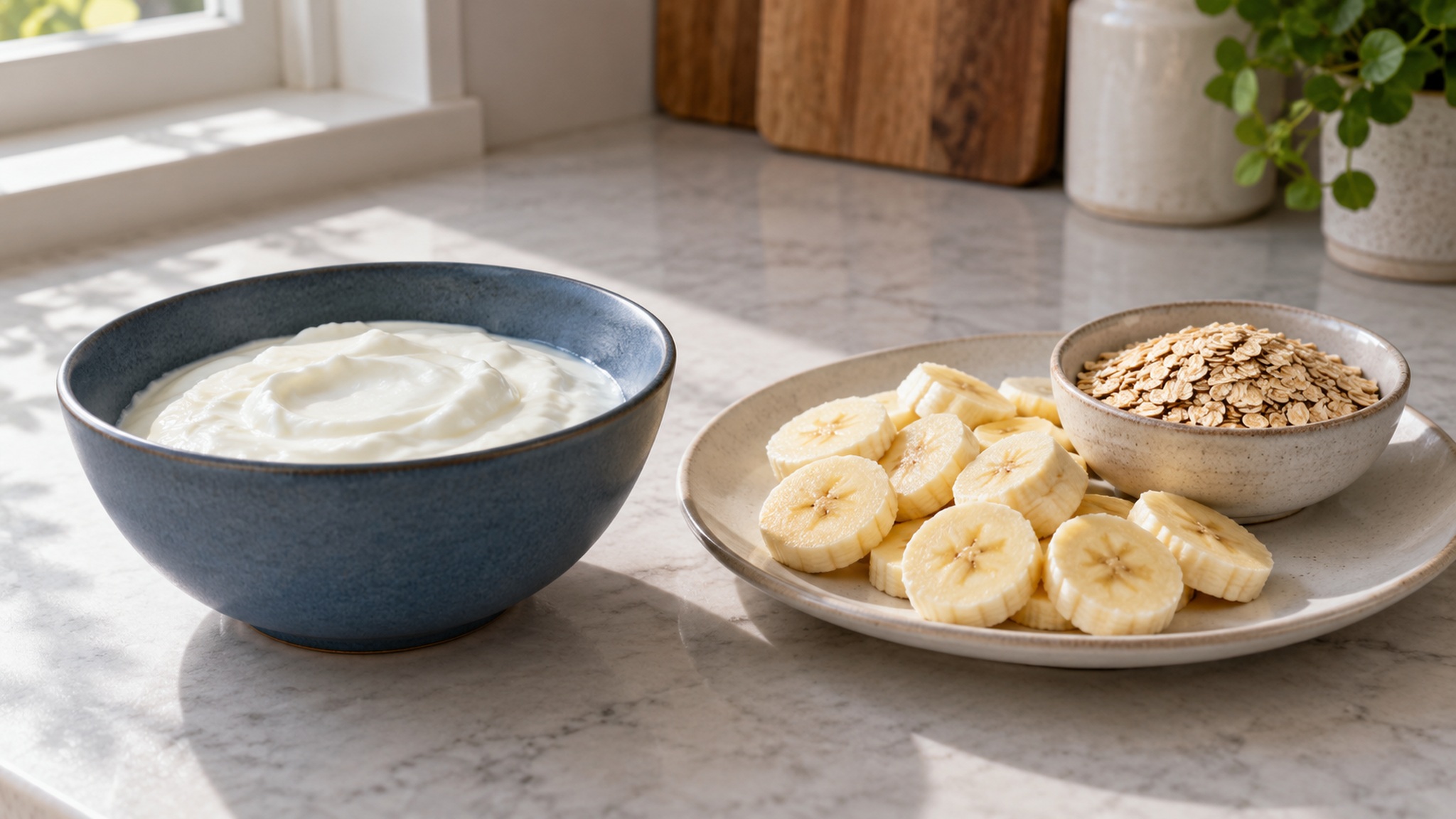
Yogurt can serve breakfast, a snack, or a savory accompaniment, so it is often an easy starting point for a small rotation. Choose a texture and flavor you will actually use. Plain yogurt offers flexibility because you can add fruit at breakfast or herbs at dinner without buying separate sweet and savory products.
Check the package for culture information and whether processing after fermentation affects the organisms remaining in the food. Some yogurts include additional probiotic strains, while the word yogurt alone does not establish every possible gut-health claim. If you are choosing a product for a particular researched benefit, the product details deserve closer scrutiny than the size of a front-label promise.
For ordinary meal planning, also compare protein, calcium, added sugar, price, and portion size. Those features can matter independently of microbial claims. A tub that makes several breakfasts and a sauce may suit you better than single servings that sit unused. Sweetened yogurt can still have a place, but recognize what you are buying rather than treating sweetness as a marker of culture quality.
Give Kefir a Job Beyond the Bottle
Kefir offers a drinkable option for people who prefer a thinner cultured dairy food. Use it with breakfast, pour it over a bowl of fruit and oats, or blend a modest amount into a dressing suited to its tang. Products vary in sweetness, thickness, cultures, and nutrition, so compare the actual label instead of assuming all kefir is interchangeable. Fermentation alone does not establish that a particular bottle delivers a specific clinical benefit. Buy a size you can finish according to its storage instructions, and keep an alternative breakfast available if you discover that you dislike the texture.
Cultured Nondairy Foods Need Their Own Comparison
A cultured soy, oat, almond, or coconut product can offer another route for people avoiding dairy. The base ingredient changes the nutritional comparison. Two products with similar creamy textures may differ substantially in protein or fortification, so the relevant question is what role the food will play in your diet.
Read culture information separately from the nutrition panel. A nondairy alternative is not automatically probiotic, and a culture claim does not guarantee that the product replaces the nutrients you previously obtained from dairy. For a breakfast staple, consider the whole meal and any dietary restrictions. A food that works as an occasional topping may need a different standard than one replacing a regular source of protein and calcium.
Kimchi Works Best as a Deliberate Accompaniment
Kimchi brings acidity, crunch, and often heat to a meal. A small serving beside rice, tofu, eggs, or another main dish can make familiar ingredients more interesting. Different recipes use different vegetables and seasonings, so finding a version you like is more useful than forcing yourself to buy the most intensely flavored jar.
Treat kimchi as a fermented food rather than assigning it every benefit associated with probiotic supplements. Products and handling vary, including whether live organisms remain when eaten. A chilled jar deserves its own storage instructions, and a heated preparation changes the question about living cultures. The meal can still taste good without needing a microbial explanation for its appeal.
Ingredient checks are especially helpful with kimchi. Some versions include seafood ingredients, while others are prepared to suit vegetarian preferences. Salt and spice also affect how it fits your meals. Use an amount that complements the plate, and choose a different accompaniment when its ingredients or heat do not suit you.
Sauerkraut Can Add Crunch Without Taking Over Dinner
Sauerkraut offers another cabbage-based option, often with a simpler flavor profile than kimchi. Consider it beside a bean patty, tucked into a sandwich, or added as a small component of a grain bowl. Packaging and processing matter when you are specifically seeking live cultures. The NIH Office of Dietary Supplements distinguishes foods containing live cultures from foods containing proven probiotic organisms; it also explains that processing can remove living cultures from some fermented foods. For your plate, assess flavor, ingredients, sodium, and storage needs alongside any culture information.
Keep Fermented Ingredients in Their Culinary Roles
Miso, tempeh, and sourdough illustrate why a fermented-food rotation is broader than a probiotic-food list. They can contribute flavor or make a satisfying meal without delivering living probiotic organisms in the final preparation. Cooking and processing are part of their intended use. You do not need to undermine those uses to make them fit a gut-health slogan.
Use miso where its concentrated savory flavor suits the recipe, and consider the salt contributed by the whole dish. Cook tempeh according to appropriate product and recipe instructions rather than serving it improperly to preserve imagined probiotic benefits. Enjoy sourdough as bread, with attention to the grain and meal it belongs to. These choices keep culinary judgment connected to the actual food.
A Flexible Week Has Fewer Purchases Than a Showcase Fridge
Start with one versatile food and one optional accompaniment. For example, a plain yogurt tub could cover two breakfasts and a cucumber sauce, while a small cabbage jar accompanies a weekend lunch. That is a practical shopping decision, not a required dose or a scientifically established weekly schedule. Adapt the frequency to appetite and the rest of your food pattern.
If you prefer drinkable cultured foods, choose kefir in place of the yogurt rather than adding both automatically. If dairy does not suit you, compare an appropriate cultured alternative and plan the nutrients supplied by the complete breakfast. The aim is a manageable routine. Buying more varieties than you can use adds cost and waste without proving additional benefit.
Leave space for meals without fermented foods. A balanced week can include legumes, vegetables, fruit, grains, and other foods that meet your needs. The optional additions should make that pattern more enjoyable, not displace the main components of dinner. A rotation succeeds when it works with your habits rather than creating another nutritional obligation.
Repeat the foods you like, and change the accompaniment when you want variety. A single yogurt can become a breakfast bowl, a sauce, and a dip through different preparation choices. That flexibility often matters more than continually replacing it with a new product. It also gives you a fair chance to learn what your household actually uses.
Storage and Serving Deserve a Place in the Plan
Follow the manufacturer’s storage directions from purchase through serving, including instructions after opening. Use clean utensils, close containers promptly, and buy quantities suited to your household. An attractive meal plan is less useful if the opened food sits forgotten behind larger packages. Put the intended meal on your shopping list so the purchase has a destination. A visible container can remind you to use it, but keep it in the storage conditions the label requires. When packing lunch, account for the time away from refrigeration and use suitable temperature control. Convenience should come from planning rather than leaving a chilled product somewhere unsuitable.
Cold dishes can offer an easy serving route for yogurt or another suitable cultured food. If you cook with it, choose that method because it fits the recipe, and recognize that heating may affect living organisms. Do not compromise food safety or abandon necessary cooking to chase a culture claim. Flavor and texture remain valid reasons to use a fermented ingredient.
Let Tolerance Shape the Rotation
A new food does not need to arrive in every meal at once. Try a manageable amount in a familiar dish and pay attention to whether you enjoy and tolerate it. Discomfort is not evidence that a product is working or that you need to persevere through larger servings. Persistent or concerning digestive symptoms deserve assessment rather than an escalating sequence of jars and drinks.
Lactose intolerance and milk allergy also require different decisions. A fermented dairy food may suit some people with lactose intolerance, but it is not an appropriate workaround for a milk allergy. Nondairy choices still need an ingredient and nutrition check. When dietary restrictions are complex, professional advice can help make substitutions that fit the whole diet.
People who are seriously ill or have weakened immune defenses should discuss probiotic use with their care team. The National Center for Complementary and Integrative Health describes greater concern about harmful effects in vulnerable groups. A general weekly food article cannot settle those individual safety questions. The right plan may involve different food handling or avoiding particular products.
A Good Purchase Has a Clear Reason to Be There
Before adding a product to the basket, give it a simple role: breakfast staple, drink you enjoy, sauce ingredient, or flavorful side. Then read the label for the information relevant to that role. A specific therapeutic promise requires more evidence than a plan to add tang to roasted vegetables. Keeping the purpose clear helps prevent an ordinary grocery decision from becoming an expensive health experiment.
Build a Rotation You Can Keep
The most useful weekly options are the ones you can buy, store, prepare, and enjoy consistently. Yogurt may be the most adaptable choice in one household, while a cultured nondairy product fits another. Kimchi or sauerkraut can add interest where their ingredients, salt, and flavor make sense. None needs to be eaten merely to complete a checklist.
Maintain the distinction between verified probiotic claims and the broader enjoyment of fermented foods. That leaves room for curiosity without overpromising results. Choose one purchase with several uses, pair it with meals you already know, and expand only if the food earns a place in your routine. A practical week should leave you with satisfying meals and fewer abandoned containers, rather than a refrigerator full of obligations.