The Best Protein Food Depends on More Than the Largest Number
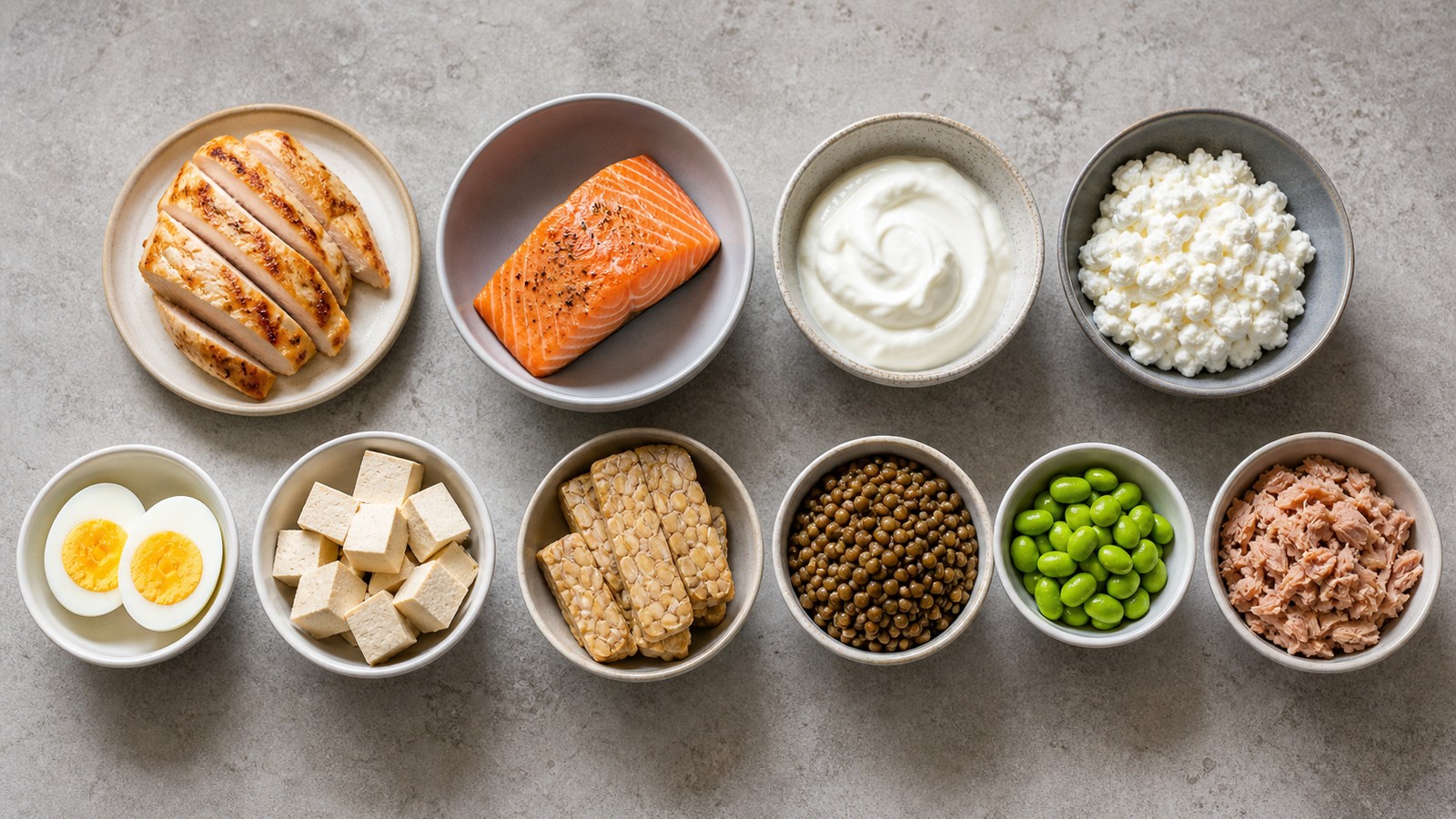
Ranking high-protein foods sounds simple until serving size, calories, water content, preparation, and the rest of the food are considered. A cooked chicken breast can provide roughly 25 to 30 grams of protein in a three-ounce serving, while a cup of cooked lentils provides about 18 grams plus substantial fiber. Both are useful for different meals. Protein values also vary by brand, cut, moisture, and measurement, so the figures below are practical estimates rather than laboratory guarantees. The ranking emphasizes realistic servings and then considers saturated fat, sodium, fiber, micronutrients, cost, allergens, and culinary use. It includes animal and plant foods because no single source needs to carry the entire diet. The order should therefore be read as a comparison tool rather than a prescription or moral hierarchy. Use the list to identify foods that fit your preferences and health needs, compare labels when products differ, and build meals where protein works alongside vegetables, fruit, grains, and beneficial fats.
A: Powders and lean meats rank high, but serving definitions differ.
A: They are useful, though one egg provides only about six grams.
A: Daily variety supplies essential amino acids without perfect pairing at each meal.
A: It is usually more concentrated, while both can contribute protein and calcium.
A: They help, but their typical portions are less protein-dense.
A: Ordinary cooking changes structure but does not erase meaningful protein.
A: Water content, firmness, serving size, and manufacturing vary.
A: It is incomplete and should not replace varied complete sources.
A: No, rotation improves nutrition, enjoyment, and practicality.
A: They are typical estimates; use the package label for a specific product.
1. Lean Poultry
Three ounces of cooked chicken or turkey breast commonly supplies about 25 to 30 grams of protein. The serving is compact, widely available, and easy to add to salads, bowls, sandwiches, soups, and dinner plates. Skinless breast is relatively low in saturated fat.
Preparation changes the comparison. Breading, frying, cheese, and creamy sauces add energy and sodium without increasing protein proportionally. Dark meat remains nutritious but carries more fat.
Use leftovers within safe storage limits and vary the seasonings. Poultry ranks highly for density, not because it should appear at every meal.
Ground poultry requires a label check because fat content can range widely. A product made with skin and dark meat differs from extra-lean breast. Deli turkey is convenient but often far higher in sodium than home-cooked poultry.
Three ounces is a comparison serving, not a mandatory portion. Appetite, total need, and the other foods in the meal determine whether someone eats more or less.
2. Tuna and Other Lean Fish
A three-ounce serving of tuna or many lean fish provides roughly 20 to 25 grams. Canned tuna is convenient and shelf-stable, while cod, tilapia, pollock, and similar fish offer mild dinner options.
Mercury exposure differs by species. Vary seafood, follow local and pregnancy guidance, and choose lower-mercury options more often. Canned products can contain substantial sodium.
3. Salmon and Oily Fish
Three ounces of cooked salmon often provides about 20 to 23 grams of protein. It also supplies long-chain omega-3 fats, making the whole-food value stronger than protein alone suggests.
Salmon contains more calories than very lean fish because of its beneficial fat. That does not make it inferior; portion and meal context determine fit.
Sardines, trout, herring, and mackerel offer related benefits. Sardines with bones can also contribute calcium, while sodium varies in canned products.
4. Seitan
Seitan may provide roughly 20 to 25 grams per three-ounce serving, depending on the recipe or brand. Made primarily from wheat gluten, it is among the most protein-dense plant foods and has a chewy texture.
It is unsafe for people with celiac disease or wheat allergy. Sodium can be high in prepared products, and seitan is relatively low in lysine, so a varied plant diet that includes legumes is useful.
Homemade seitan can be seasoned and portioned economically, but recipes differ in added flour, legumes, oil, and broth. Commercial labels are the best source for a specific product.
Pair seitan with beans, hummus, or lentils over the day to broaden the amino-acid pattern and add fiber. That combination is often more complete than increasing seitan alone.
5. Greek Yogurt
A typical six- to seven-ounce serving of Greek yogurt may offer 15 to 20 grams of protein. It also contributes calcium and can work at breakfast, as a snack, in dips, or as a sauce base.
Strained yogurt values vary widely. Compare serving size, added sugar, fat, and protein rather than assuming every Greek-style container is equivalent.
Lactose tolerance differs, although some people tolerate yogurt better than milk. Fortified soy yogurt can be an alternative, but protein varies by brand.
6. Cottage Cheese
One cup of cottage cheese commonly contains about 24 to 28 grams of protein, while a half-cup offers roughly half that amount. It is a compact option for breakfast, snacks, toast, or savory bowls.
Sodium can be substantial, and texture is polarizing. Lower-sodium products may be available. Choose fat level according to the complete diet rather than assuming fat-free is automatically best.
7. Firm Tofu
A half-cup of firm tofu often supplies about 10 to 20 grams, with large brand differences caused by water content and manufacturing. Extra-firm, high-protein tofu generally ranks higher per ounce than silken tofu.
Tofu provides complete soy protein and may contribute calcium when calcium salts are used. Check the label. It absorbs marinades and works baked, grilled, crumbled, or stir-fried.
Soy is safe for most people and does not need to be avoided because of routine hormone myths. Soy allergy requires alternatives.
Pressing tofu removes water and helps browning, but it does not magically create protein; the label already reflects the purchased food. Freezing and thawing produces a porous texture that holds marinades well.
Silken tofu still has useful roles in smoothies, sauces, and desserts, although a water-rich serving generally supplies less protein. Choose firmness for the recipe as well as the number.
8. Tempeh
A three- to four-ounce serving of tempeh often provides 16 to 20 grams. Because it uses whole fermented soybeans, tempeh retains fiber and has a firm, nutty texture.
Steam or simmer briefly if bitterness is noticeable, then marinate and brown it. Prepared varieties may include grains or sauces that alter protein and sodium.
9. Eggs and Egg Whites
One large egg contains about six grams of protein, so two eggs provide around 12 grams along with choline, fat, and several micronutrients. Egg whites concentrate protein with little fat, but whole eggs offer nutrients absent from whites.
A practical meal can combine whole eggs and extra whites if a higher total is desired. Eggs also pair naturally with vegetables, toast, potatoes, beans, or dairy.
Food safety matters for undercooked eggs, particularly in pregnancy, older age, or compromised immunity. Use pasteurized products when appropriate.
10. Lentils
One cup of cooked lentils contains about 18 grams of protein and approximately 15 grams of fiber, depending on variety and measurement. They also provide iron, folate, potassium, and inexpensive meal volume.
Lentils are less protein-dense per calorie or ounce than lean meat, but their fiber makes them valuable for fullness and heart health. Red lentils dissolve into soups and sauces; green and brown varieties hold shape.
Pair plant iron with vitamin C from tomatoes, peppers, citrus, or berries. Tea and coffee taken with the meal can reduce nonheme iron absorption, which matters most for people at risk of deficiency.
Canned lentils remove most preparation and remain useful after rinsing. Their slightly firmer texture suits salads, while dried lentils are inexpensive for soups and stews.
11. Edamame
One cup of cooked shelled edamame can provide about 17 grams of complete protein. It also contributes fiber and works in bowls, noodles, salads, fried rice, or snacks.
Frozen edamame is convenient and cooks quickly. Salted pods can add sodium, while shelled beans make portioning into meals easier.
Like tofu and tempeh, edamame is soy and is unsuitable for soy allergy. Otherwise, it can be a routine protein food.
12. Beans and Chickpeas
A cup of cooked beans or chickpeas typically supplies about 14 to 16 grams of protein. Values vary among black beans, kidney beans, cannellini beans, pinto beans, and chickpeas.
They deliver fiber, potassium, folate, and carbohydrate. Combine them with grains, vegetables, and flavorful fat for complete meals. Rinsing canned beans reduces some sodium.
13. Milk and Soy Milk
A cup of dairy milk generally contains about eight grams of protein. Fortified soy milk often provides seven to nine grams, making it the closest common plant beverage by protein. Pea-based beverages may be similar.
Almond, oat, coconut, and rice beverages frequently provide much less unless formulated with added protein. Compare labels for calcium, vitamin D, B12, sugar, and serving size.
Plant beverages are not appropriate substitutes for infant formula. Pediatric use requires age-specific guidance.
Lactose-free dairy milk preserves milk protein while removing most lactose. It can suit people with lactose intolerance but remains inappropriate for milk-protein allergy.
Shake fortified plant beverages because added calcium can settle. Homemade plant milk is usually low in protein and unfortified, so it should not be assumed nutritionally equivalent.
14. Protein Powders
A scoop of whey, casein, soy, pea, or blended powder commonly supplies 20 to 30 grams, making powders among the most concentrated options. The exact amount depends on scoop size and formulation.
Concentration does not make a powder nutritionally superior to food. Choose products with transparent ingredients and third-party testing when possible, especially for athletes. Powders are useful when they solve convenience, appetite, or access problems.
15. Nuts, Seeds, and Whole Grains
Peanuts, almonds, pumpkin seeds, hemp seeds, quinoa, oats, and other foods contribute protein, but typical servings usually provide less than the leaders. Nuts and seeds also contain substantial fat and energy; grains bring carbohydrate and fiber.
They work as supporting protein rather than the only anchor for a high target. Sprinkle seeds on yogurt, add nuts to oats, or pair quinoa with beans and tofu.
The ranking should therefore guide combinations, not create a winner-takes-all menu. The best day includes several sources chosen for the full nutrition they deliver.
Hemp seeds and pumpkin seeds contribute more protein than many small garnishes, yet they remain energy-dense. A measured addition can strengthen oatmeal or salad without pretending the topping replaces a main source.
Whole grains make their largest contribution across the day. Oats at breakfast, bread at lunch, and quinoa at dinner may collectively add meaningful protein while also supplying carbohydrate and fiber.
How to Use the Ranking in a Real Week
Select several anchors from different groups rather than buying only the first item. Poultry or fish might serve two dinners, lentils can become soup and lunch salad, Greek yogurt or soy yogurt can handle breakfast, and tofu or tempeh can provide another dinner. Eggs, canned tuna, edamame, or cottage cheese can cover quick meals. This rotation spreads culinary effort and nutrient strengths while preventing one food from becoming monotonous. Keep one refrigerated, one frozen, and one shelf-stable option so schedule changes do not erase the plan.
Compare protein within the portion you will actually eat. A cup of cottage cheese may look impressive on paper, but a person who prefers two tablespoons needs another anchor. Likewise, someone may happily eat a cup of lentils but not a large chicken breast. Use package labels for branded products, measure a few representative servings, and then let familiar meal structures replace constant calculation. Revisit the choices when budget, allergies, appetite, training, or health changes over the course of ordinary daily life. The ranking is successful when it helps you build adequate, enjoyable meals, not when it turns every plate into a contest for the highest number.