The Carnivore Food List Is Simple, but the Details Still Matter
On the carnivore diet, the core food list is made from animal foods: meat, poultry, fish, shellfish, eggs, animal fats, broth, and sometimes dairy. That sounds simple until you start asking whether bacon counts, whether coffee is allowed, whether cheese helps or hurts, how much organ meat is wise, and what to do with sauces, seasonings, and restaurant meals. There is no single official carnivore authority, so different versions range from meat, water, and salt to more flexible animal-food patterns that include dairy, spices, and occasional condiments. This guide organizes the food list by usefulness and caution. It also points out where nutrition, digestion, cholesterol, medication use, and sustainability deserve thought, because a narrow diet can feel easy while still creating blind spots.
A: Yes on many versions, but check sugar, fillers, and how often it replaces better staples.
A: Some flexible plans allow it, while strict plans remove it.
A: Salt is common, and other spices depend on the version you choose.
A: Possibly, but watch digestion, appetite, and calories.
A: No, but seafood improves nutrient variety.
A: Not necessarily, and large amounts can be excessive.
A: Usually, unless they trigger symptoms or cravings for you.
A: Most versions avoid it because it is processed and often flavored.
A: Ground beef, eggs, fatty meat, fish, broth, and salt cover many meals.
A: No, health depends on tolerance, labs, medical context, and sustainability.
Ruminant Meats
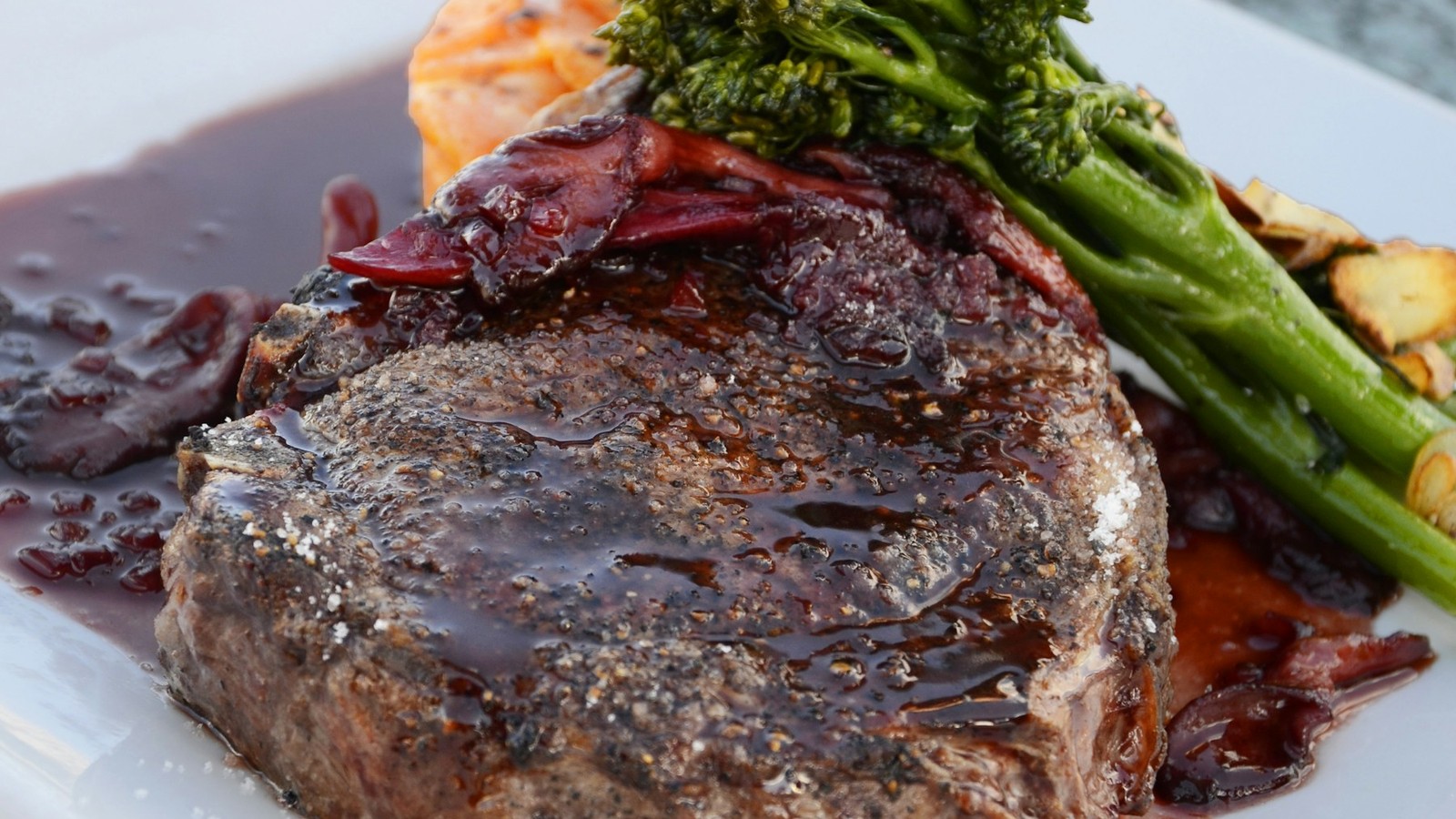
Beef, bison, lamb, goat, venison, and other ruminant meats are the center of many carnivore plans. They provide complete protein, heme iron, zinc, B vitamins, and enough fat when fattier cuts are chosen. Ground beef, chuck roast, short ribs, brisket, ribeye, lamb shoulder, and stew meat are practical staples because they can be cooked in batches and reheated easily.
Very lean cuts can fit, but relying on lean meat alone may leave meals unsatisfying. Many beginners do better when they combine leaner cuts with fattier meat, eggs, butter, tallow, or broth, depending on their version of the diet.
For shopping, choose one quick-cooking ruminant option and one slow-cooking option. Ground beef handles tired weeknights, while roast or stew meat gives leftovers. That pairing makes the list more usable than buying only premium steaks.
Pork Options
Pork chops, pork shoulder, ribs, ham, bacon, sausage, and pork belly are common choices. The caution is processing. Bacon, ham, and sausage may contain sugar, starches, gluten-containing fillers, smoke flavorings, or preservatives that some people prefer to limit. Read labels if your goal is a stricter elimination trial.
Pork can add variety, but it is easy for the diet to become mostly bacon and cheese if convenience takes over. Use it as part of a broader animal-food rotation rather than the entire plan.
Poultry
Chicken, turkey, duck, and game birds are allowed on most carnivore lists. Thighs, wings, legs, and skin-on cuts are usually more satisfying than boneless skinless breast because they include more fat. Whole roasted birds can create several meals from one cooking session.
Poultry is often lean compared with beef or lamb. If meals feel dry, add broth, drippings, butter, or a fattier companion food. Breaded chicken, nuggets, deli slices, and flavored rotisserie birds may include non-carnivore ingredients.
If poultry leaves you hungry, the problem may be the cut rather than the category. Skinless chicken breast behaves very differently from thighs, wings, duck, or chicken cooked with drippings. Fat level changes the meal experience.
Fish and Seafood
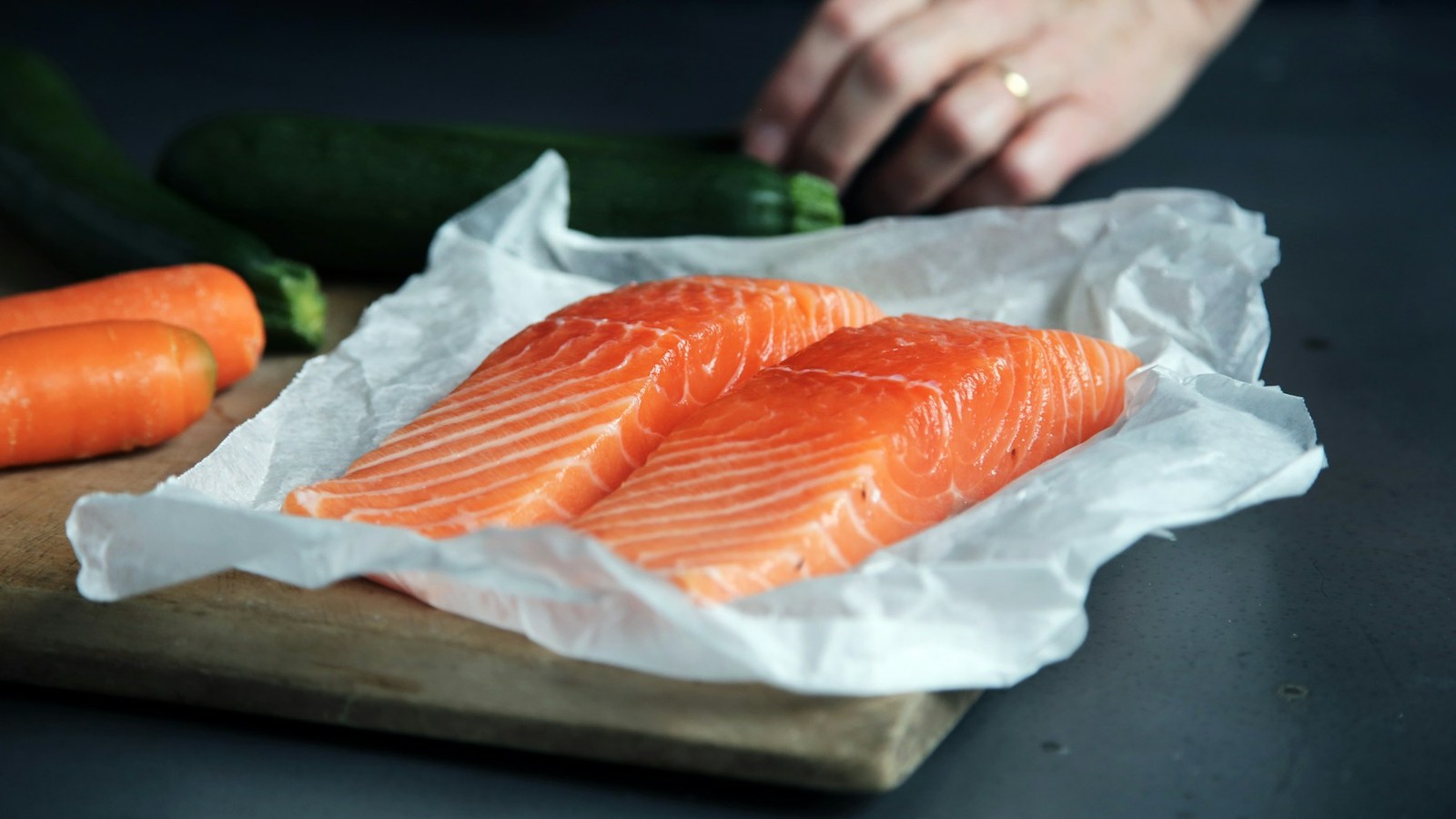
Salmon, sardines, mackerel, trout, tuna, cod, shrimp, scallops, crab, oysters, mussels, and clams all fit the animal-food framework. Fatty fish add omega-3 fats, while shellfish can contribute zinc, selenium, iodine, and other minerals. Canned sardines and salmon are especially practical for lunches.
Seafood also improves variety. A carnivore diet built only around beef may become repetitive, while fish and shellfish change texture, flavor, and nutrient profile. Watch sauces, breading, and restaurant frying.
Eggs
Eggs are one of the easiest carnivore foods. They cook quickly, travel well when boiled, and add choline, selenium, fat, and high-quality protein. They can also help balance lean meats. Some people tolerate eggs beautifully; others notice digestive symptoms, skin changes, or appetite issues and choose to limit them.
If you are using carnivore as an elimination diet, keep eggs consistent at first rather than changing several variables at once. That makes reactions easier to interpret.
Eggs also help with timing. A person who cannot face a steak at breakfast may still manage two eggs and leftover meat. That makes the diet more flexible without adding plant foods.
Dairy: Optional, Not Automatic
Dairy divides carnivore eaters. Butter, ghee, hard cheese, heavy cream, kefir, and plain yogurt are animal-derived, but not every version includes them. Cheese can make meals satisfying and convenient, yet it can also drive overeating, constipation, acne complaints, or cravings in some people. Milk contains more lactose and is less common on strict versions.
Choose a dairy rule before beginning. You might start without dairy, include butter only, or allow hard cheese in measured amounts. The best choice depends on goals, tolerance, and whether you are trying to learn from a controlled experiment.
Animal Fats
Tallow, lard, duck fat, butter, ghee, and meat drippings can raise fat content when meals are too lean. They also make leftovers more appealing. Fat needs vary; some people feel best with fattier meals, while others experience nausea or loose stools if fat rises too quickly.
Increase fat gradually and pay attention to digestion. A diet that looks simple on paper can still require adjustment in the ratio of protein to fat.
Animal fats are ingredients, not trophies. Adding fat should solve a meal problem such as dryness, hunger, or low energy. If it creates nausea or urgent stools, the amount or type needs adjusting.
Organ Meats
Liver, heart, kidney, tongue, marrow, and other organ meats are often promoted as nutrient-dense additions. Liver is rich in vitamin A, copper, B12, and folate, but high intake can become excessive. Heart is closer to muscle meat and may be easier to include regularly.
Organ meats are optional for many beginners. If you use them, start with small portions and avoid treating more as automatically better. People who are pregnant or have specific medical concerns should ask for guidance before using high-vitamin-A foods heavily.
Broth and Gelatin-Rich Foods
Bone broth, meat stock, gelatin-rich cuts, oxtail, shanks, and slow-cooked connective tissue can make the diet warmer and easier to digest for some people. Broth also helps beginners consume salt and fluid during low-carbohydrate adaptation.
Commercial broths need label checks. Many contain vegetable concentrates, yeast extracts, sugar, or flavorings that may not fit stricter versions. Homemade broth gives more control.
Gelatin-rich foods can also make the week feel less repetitive. A bowl of shredded meat in broth is different from another dry plate of patties, even when the ingredient list is still simple.
Drinks
Water is the strict baseline. Mineral water, sparkling water, and salted broth are common. Coffee and tea are controversial because they come from plants, but many flexible carnivore dieters keep them. Alcohol generally conflicts with strict carnivore goals and can worsen sleep, appetite, and decision-making.
If coffee is important, decide whether it is part of your experiment from the start. Removing caffeine and plant foods at the same time can make the first week harder to interpret.
Seasonings and Condiments
Salt is widely used, and some people include pepper, herbs, spices, mustard, hot sauce, or vinegar. Strict versions avoid plant seasonings. Flexible versions use small amounts to improve adherence. The issue is not only philosophy; sauces may contain sugar, seed oils, starches, soy, wheat, or other ingredients.
For symptom testing, simple seasoning makes patterns clearer. For long-term adherence, a small amount of allowed flavor may prevent boredom. Be honest about which goal you are serving.
If you include seasonings, keep them boring at first. Salt and one or two tolerated spices are easier to interpret than a rotation of sauces. Later, flavor can expand if the diet continues.
Foods Usually Avoided
Most carnivore plans remove grains, legumes, fruit, vegetables, nuts, seeds, plant oils, sugar, desserts, bread, pasta, beans, lentils, potatoes, rice, and most packaged snacks. This is what makes the diet dramatically different from ordinary low-carb eating.
Removing these foods also removes fiber and many plant-derived nutrients. Whether that tradeoff is worthwhile is an individual medical and practical question, not something a food list can settle by itself.
Shopping With the List
Build a cart around meals rather than categories. For example, buy ground beef for patties, eggs for breakfasts, salmon for two dinners, chuck roast for batch cooking, sardines for lunches, broth for adaptation, and butter or tallow if needed. That cart is easier to use than a random pile of meats.
Cost matters. Ground beef, roasts, eggs, canned fish, frozen fish, and discounted cuts can make the diet more affordable than daily steaks. A sustainable food list has to fit the budget as well as the rule set.
Plan for storage before buying meat in bulk. Freezer space, thawing time, and portion size matter. A bargain is less useful when it turns into a frozen block you avoid cooking.
Keep the List Honest
A carnivore food list can tell you what fits the pattern, but it cannot tell you whether the pattern fits you. Track digestion, energy, mood, sleep, labs when relevant, and food stress. If the allowed list becomes a source of fear or medical problems, the rule is no longer serving its purpose.
Use the list as a tool, not a personality test. The best food choices are the ones that support clear goals, acceptable health markers, and a life you can actually live.
Use Variety Within the Rules
Variety on carnivore does not have to mean complicated recipes. It can mean rotating beef, lamb, eggs, fish, poultry, broth, and different cooking methods. Texture matters when the food list is narrow.
One person may feel best with mostly beef, while another needs seafood and eggs to stay interested. The food list is a starting point, not a command to eat the same plate forever.
Cooking method can provide variety without changing the rules. A roast, a pan-seared steak, shredded meat in broth, crisp chicken thighs, and cold patties all feel different at the table. That difference can matter when plants, sauces, and side dishes are absent.
Let the Food List Serve the Goal
If the goal is symptom testing, keep the list tighter and notes clearer. If the goal is a sustainable low-carbohydrate routine, a flexible animal-food pattern may be more realistic. The allowed foods should match the question you are trying to answer.
Recheck the List Against Your Body
A food can be carnivore and still be a poor personal fit. Cheese may trigger overeating, eggs may bother digestion, and very fatty meals may cause loose stools. The allowed list is a filter, not a guarantee.
Use the first weeks to discover which animal foods create steady meals. A narrower list can start the experiment, but a workable list must eventually reflect tolerance, budget, cooking skill, and health markers.
Keep Convenience From Taking Over
Convenient animal foods can help, but processed meats should not crowd out better staples. A week built on jerky, bacon, deli meat, and cheese will feel very different from one built on beef, fish, eggs, broth, and simple leftovers.
Use convenience foods as backup tools. Let the regular list stay closer to meals you can recognize, portion, and evaluate honestly.
This also makes shopping less reactive. When real meals are already planned, convenience foods can stay in their proper role: useful sometimes, but not the diet’s foundation.
A steadier cart usually creates a steadier week.
It also lowers avoidable waste.
Noticeably.