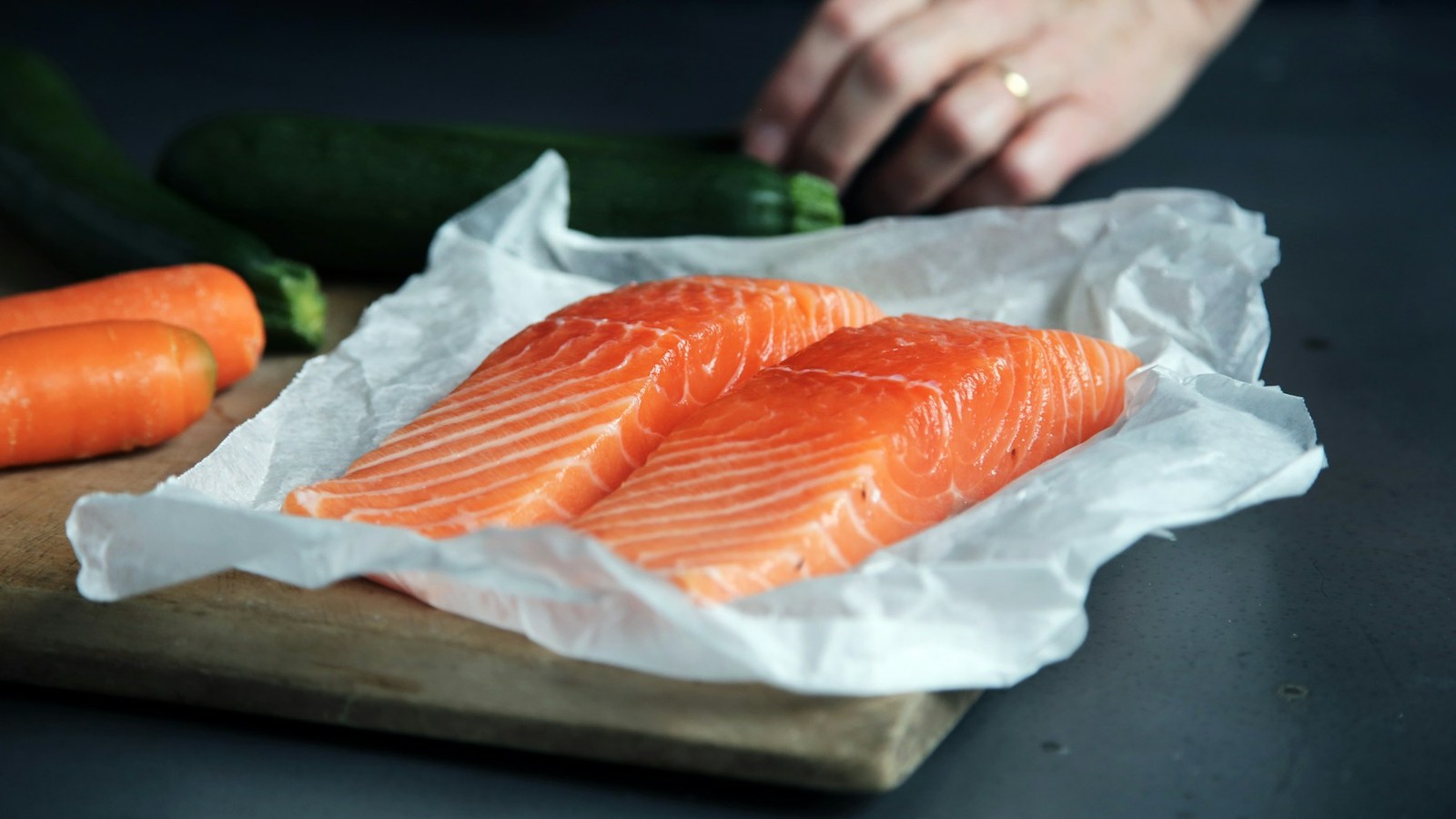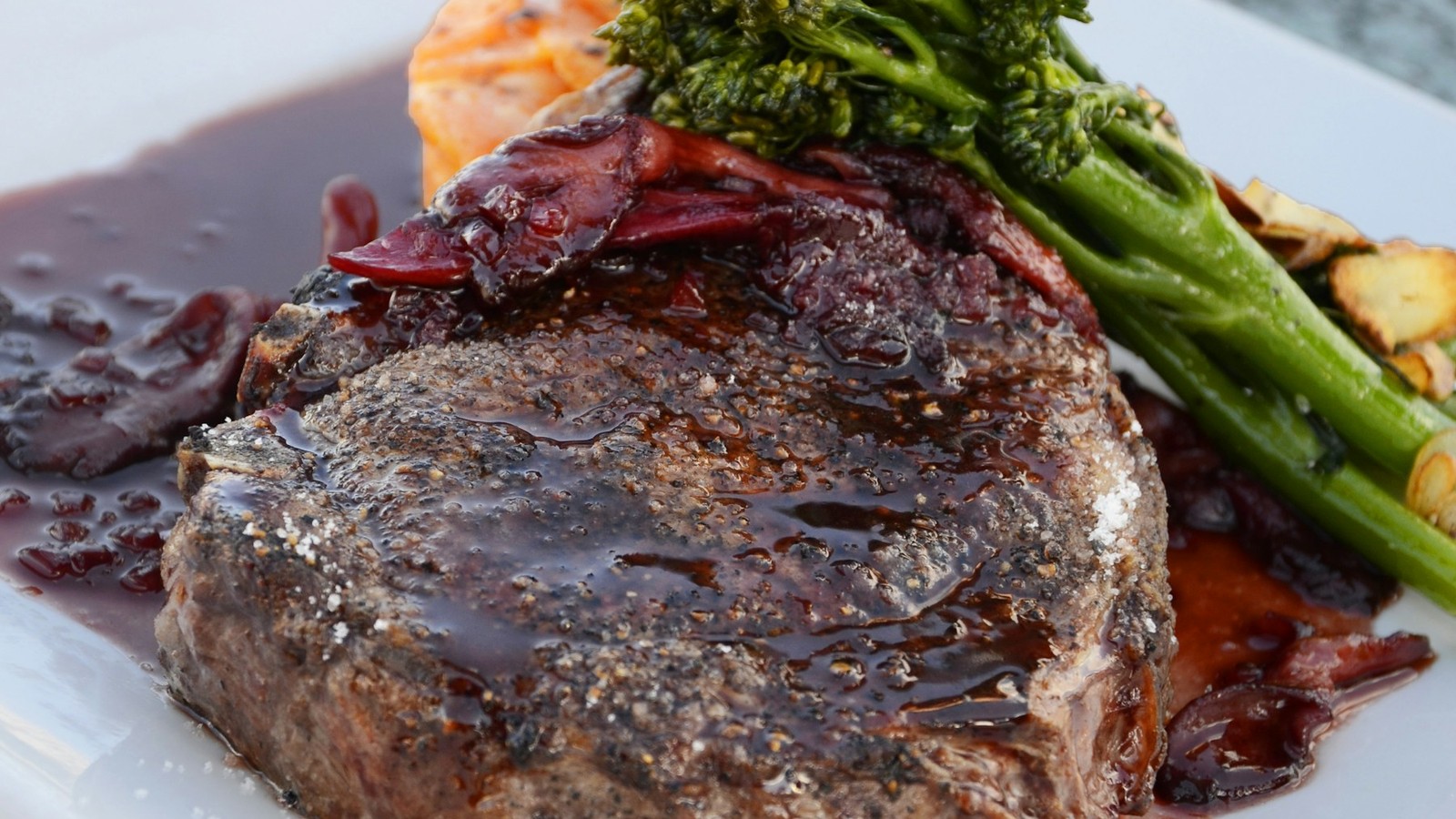
Carnivore and Keto Can Both Reduce Carbs, but They Are Not the Same Diet
Carnivore and keto are often compared because both can be very low in carbohydrates and both may lead to quick early weight changes. The difference is scope. A ketogenic diet usually limits carbohydrates enough to encourage ketosis while still allowing low-carb vegetables, nuts, seeds, oils, dairy, and many mixed meals. A carnivore diet usually removes plant foods entirely and relies on meat, fish, eggs, animal fats, and sometimes dairy. For weight loss, either diet may work if it lowers appetite, simplifies choices, and reduces total calorie intake. The better question is which pattern a person can follow safely, nutritiously, and sanely long enough to matter. This comparison looks at mechanisms, adherence, side effects, nutrient tradeoffs, and the situations where neither diet should be treated casually.
A: Carnivore may drop water quickly, but that does not guarantee better fat loss.
A: Keto is often easier because it allows more variety.
A: Carnivore is stricter because plant foods are removed.
A: Yes, especially if built around processed products and excess calories.
A: Yes, fatty foods and dairy can keep intake high.
A: Keto usually keeps more low-carb plants, while carnivore removes them.
A: Either may help, but medication safety and sustainability matter.
A: You can, but define the reason and the stop points first.
A: Usually a less restrictive low-carb plan is easier to evaluate.
A: A sustainable calorie deficit with acceptable health markers and daily life.
The Main Difference Is Food Variety
Keto is restrictive, but it still offers salads, avocados, nuts, seeds, low-carb vegetables, olive oil, berries in small portions, yogurt, cheese, fish, meat, and eggs. Carnivore narrows the list further by removing plant foods. That makes carnivore simpler and more repetitive.
For some people, repetition is helpful. Fewer choices can mean fewer snacks and less decision fatigue. For others, the narrowness makes the diet socially difficult and psychologically stressful.
Weight loss depends partly on which version you can follow without rebound eating or resentment.
Both Can Cause Early Water Loss
When carbohydrates drop, glycogen stores often fall, and water shifts with them. This can make the first week look more dramatic than actual fat loss. Carnivore may produce a larger early drop if carbohydrates fall closer to zero, but that does not automatically mean better fat loss.
After the early water phase, total energy intake, appetite, activity, sleep, and adherence become more important. A slower plan that lasts may beat a stricter plan that collapses.
Appetite Control Can Happen on Either Diet
Keto may control appetite through higher fat intake, adequate protein, ketosis, and reduced access to refined carbohydrates. Carnivore may add the appetite effects of extreme repetition and very high animal-protein meals. Some users find carnivore easier because there are fewer “keto treat” loopholes.
Others do better on keto because vegetables, salads, sauces, and varied textures make meals feel normal. If carnivore creates boredom that leads to binge episodes, its stricter rule set becomes a disadvantage.
The difference often shows up at the edges. Keto allows more variety, which can make adherence easier, but it also creates room for snack foods that mimic the old diet. Carnivore closes those doors, which can help some people and feel oppressive to others.
Calories Still Matter
Neither diet creates fat loss by magic. If keto desserts, nuts, cheese, cream, and oils push calories high, weight loss can stall. If carnivore relies on large amounts of cheese, butter, bacon, and fatty cuts beyond hunger, weight loss can stall too.
Many people lose weight because both diets remove foods that were easy to overeat. That is useful, but it is not the same as escaping energy balance.
A brief food log can clarify whether the diet is reducing intake naturally or just changing the source of excess calories.
Portion awareness can be temporary rather than lifelong. Tracking a few representative days may reveal whether nuts, cream, cheese, oils, or fatty meats are doing more than expected. Once the pattern is clear, many people can return to simpler habits.
Keto Has More Fiber Options
Keto can include chia seeds, flax, leafy greens, broccoli, zucchini, avocado, nuts, and other low-carb plant foods. That gives it more options for fiber, magnesium, potassium, vitamin C, folate, and meal volume.
Carnivore usually removes fiber almost entirely. Some people report comfortable digestion without it, while others develop constipation or other digestive problems. For weight loss, bowel comfort and meal volume can affect adherence.
Fiber is not only about bathroom habits. Fiber-rich low-carb foods can add meal volume, chewing satisfaction, potassium, magnesium, and a sense of normal eating. These qualities can make a weight-loss diet feel less like a temporary challenge.
Carnivore May Be Simpler for Elimination
If someone is trying to identify food triggers, carnivore may function as a very strict elimination diet. Removing almost everything can make symptom changes easier to notice at first. That does not prove all removed foods were harmful.
Keto is less clean as an elimination diet because it includes many foods that can trigger symptoms for some people, such as dairy, nuts, sweeteners, and certain vegetables. The right tool depends on the question being asked.
Keto Is Usually Easier Socially
A keto eater can often order a salad with protein, bunless burger with vegetables, omelet, grilled fish with non-starchy vegetables, or low-carb bowl. A carnivore eater may need plain meat, eggs, or fish and must decline most sides. That can make restaurants and family meals harder.
Social ease matters for weight loss because a diet that feels isolating may not survive real life. The best plan is not the strictest one; it is the one that can be repeated.
Social flexibility does not sound metabolic, but it affects consistency. If a person can attend dinner, travel, and eat with family without feeling trapped, the plan has a better chance of lasting long enough to influence weight.
Food Quality Varies in Both Camps
A whole-food keto pattern with fish, eggs, meat, olive oil, avocado, nuts, seeds, and vegetables is different from a pattern built on processed bars, desserts, and cheese. A carnivore pattern built on fresh meat, eggs, seafood, and broth is different from one built on bacon, processed meats, and cheese.
Diet labels do not guarantee quality. The actual foods matter more than the online identity attached to them.
Blood Sugar Goals May Favor Low Carb, Not Necessarily Carnivore
Both diets can reduce carbohydrate exposure and may improve glucose patterns for some people. But for many, keto provides enough carbohydrate restriction without removing every plant food. That may be a better balance when blood sugar is the main goal.
People taking glucose-lowering medications need medical guidance before either approach. Hypoglycemia risk can rise when carbohydrate intake changes quickly.
For blood sugar, the useful threshold may be far above zero carbohydrates. Some people do well with a moderate low-carb plan, high protein, high-fiber vegetables, and fewer refined grains. Removing every plant food may add restriction without adding proportional benefit.
Cholesterol Responses Can Differ
Keto and carnivore can both raise saturated fat intake depending on food choices. LDL cholesterol may rise in some people, especially with high intake of butter, fatty meat, cream, and cheese. Keto can be designed with more unsaturated fats from olive oil, avocado, nuts, and fish, which may suit some lipid profiles better.
Carnivore has fewer fat-source options. If LDL rises sharply, adjusting within carnivore may be harder than adjusting within keto.
Micronutrient Planning Is Different
Keto requires planning because carbohydrates are limited, but it can still include a wide range of plant foods. Carnivore relies more heavily on animal-food nutrient density, seafood, eggs, dairy if included, and sometimes organ meats.
Neither should be treated as automatically complete. Calcium, potassium, magnesium, folate, fiber, vitamin C, sodium balance, and overall food variety deserve attention depending on the version.
Keto’s wider food list gives more ways to correct gaps without abandoning the diet. Carnivore may require more deliberate use of seafood, eggs, dairy, organ meats, or supplements, and even then some concerns remain individualized.
Side Effects Overlap
Both diets can cause early headaches, fatigue, cramps, dizziness, constipation, sleep changes, or performance dips as carbohydrate and fluid balance shift. Carnivore may intensify some issues because the food list is narrower and fiber is lower.
Many side effects can be addressed by calories, fluids, sodium, food quality, and gradual transitions, but severe symptoms need medical care. Suffering is not proof that fat loss is working.
Which Is Better for Weight Loss?
For most people, keto is the more flexible starting point because it can reduce carbohydrates while preserving more food variety, fiber options, and social flexibility. Carnivore may produce stronger short-term appetite suppression for some, but its tradeoffs are larger and evidence base is thinner.
The better diet is the one that creates a sustainable calorie deficit while protecting health markers and daily life. If keto works with less restriction, there is little reason to jump to carnivore for weight loss alone.
A fair comparison should include regain risk. A stricter plan may produce faster early loss, but if it leads to rebound eating, the long-term result can be worse. A modest plan that repeats for a year often beats a dramatic plan that lasts three weeks.
Who Should Avoid Casual Experiments
People with diabetes medications, kidney disease, gout, pregnancy, eating-disorder history, major lipid disorders, gallbladder issues, or complex medical conditions should seek guidance before either plan. Rapid carbohydrate reduction can interact with medication and hydration.
Teens and children need special caution. Weight loss should not come at the expense of growth, nutrition, or mental health.
How to Choose Between Them
Start with your constraint. If you need a practical weight-loss plan, keto or a less strict low-carb pattern may be enough. If you need a short elimination experiment, carnivore may be considered with clearer boundaries and follow-up.
Track more than weight: hunger, digestion, sleep, mood, labs, training, cost, and social ease. A diet that wins on the scale but loses everywhere else is not really winning.
For weight loss, the most useful plan is not the most extreme one. It is the one that helps you eat consistently, feel steady, and keep enough nutritional room to stay well.
If the decision still feels unclear, test the more flexible option first. When a less restrictive plan works, it usually deserves priority. When it does not, you can escalate with better information and clearer reasons.
Try the Least Restrictive Effective Option
If weight loss is the primary goal, it usually makes sense to start with the least restrictive plan that works. That may be higher protein, fewer refined carbohydrates, more whole foods, or a flexible keto pattern. Carnivore can remain a more specialized tool rather than the first lever pulled.
This approach leaves more room for vegetables, fiber, social meals, and adjustment. It also gives you a clearer sense of how much restriction is actually necessary.
Review Results Beyond the Scale
At the end of a trial, compare hunger, labs, digestion, sleep, workouts, cost, and social ease. If keto and carnivore produce similar weight loss, the more livable and nutritionally flexible option is often the better choice.
Use Adherence as Evidence
Adherence is not a personality flaw; it is data about fit. If keto feels repeatable and carnivore feels like a performance, that matters for weight loss. If carnivore quiets cravings in a way keto never did, that also matters.
The best comparison watches behavior in real conditions: workdays, weekends, restaurants, travel, and stress. A plan that only works during a perfect week is not the better weight-loss plan.
Make the Trial Reversible
Whichever diet you test, keep a plan for adjusting it. Reversibility lowers the pressure and makes honest evaluation easier.