Keto Foods Are Defined by Carbohydrate Context
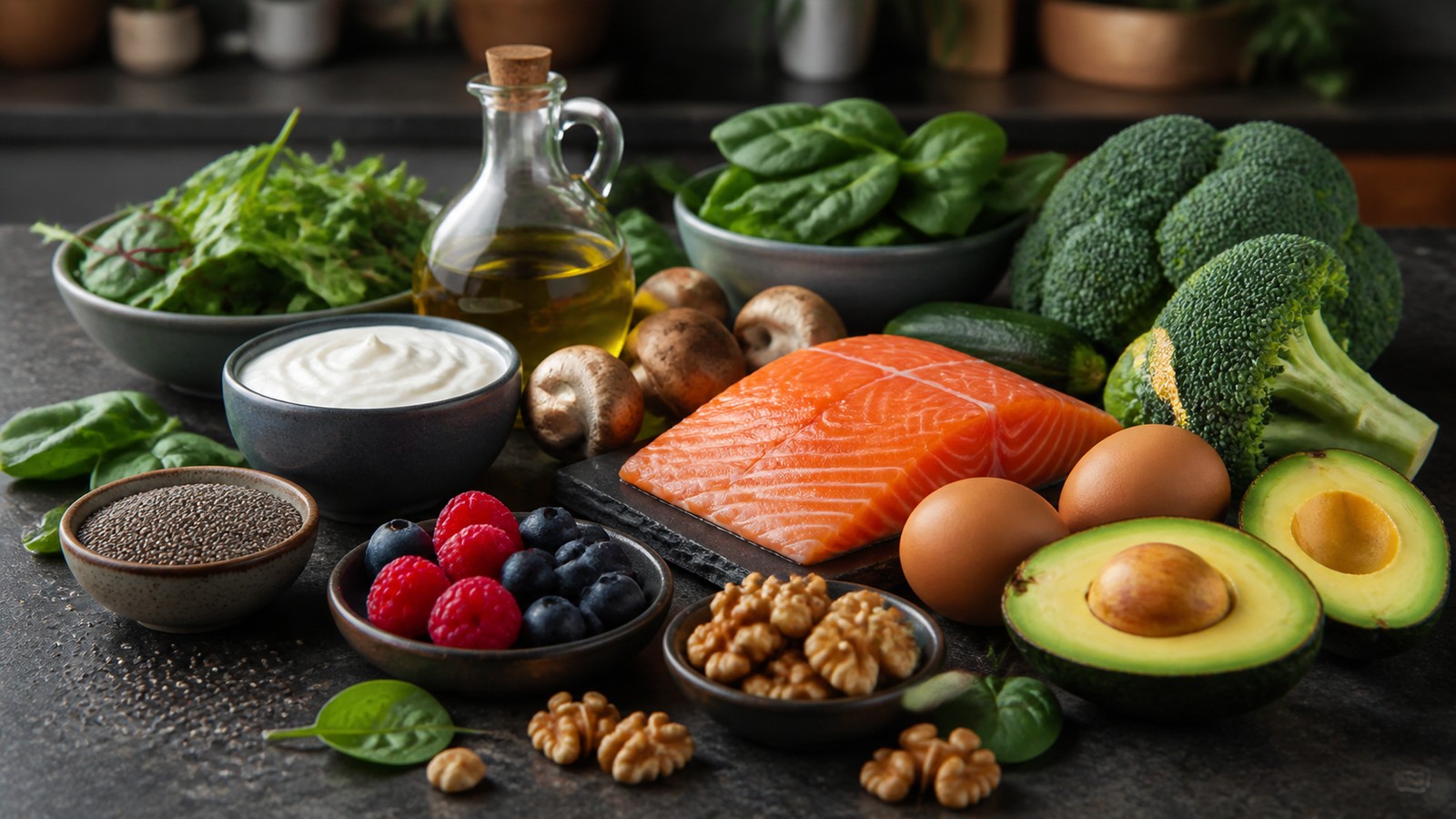
A ketogenic diet sharply limits carbohydrate so the body produces ketones and relies more heavily on fat for fuel. That definition means a food does not become universally “keto” or “not keto” in isolation; serving size, the rest of the day, individual carbohydrate targets, and medical purpose all matter. Meat, fish, eggs, oils, nonstarchy vegetables, avocado, nuts, seeds, and some dairy products commonly form the foundation. Grains, beans, most fruit, starchy vegetables, and added sugars are restricted because their carbohydrate content can quickly exceed a ketogenic target. Yet a nutritious keto pattern requires more thought than removing bread and adding bacon. Vegetable variety, fiber, unsaturated fats, adequate protein, electrolytes, and food quality still matter. This guide explains the major food groups and common gray areas, while emphasizing that ketogenic diets can affect medications and are not appropriate for everyone without clinical supervision.
A: Small portions may fit, though they contain more carbohydrate than leafy greens.
A: Unsweetened peanut butter can fit when its portion matches your target.
A: Yes, but sauces and large portions contribute more carbohydrate than slices.
A: The lactose can be difficult to fit, so compare portions and alternatives.
A: No; it is energy-dense and can add substantial saturated fat and sodium.
A: Small berry portions are common, although individual targets differ.
A: They can, but protein variety and micronutrient planning become more demanding.
A: No; formulas, ingredients, and individual responses vary.
A: No; they are processed products with widely varying ingredients.
A: Not for casual weight-loss use, but clinical protocols may require monitoring.
Begin With Your Carbohydrate Target
Many ketogenic plans limit carbohydrate to roughly 20 to 50 grams per day, although clinical protocols can differ. Some people count total carbohydrate, while others subtract fiber and certain sugar alcohols to calculate “net carbs.” These methods are not interchangeable, and packaged-food claims may use subtraction rules that do not match your body or care plan.
A registered dietitian or prescribing clinician can set a target when keto is used for epilepsy, diabetes, or another medical reason. People taking insulin, sulfonylureas, blood-pressure medicine, or sodium-glucose cotransporter-2 inhibitors need particular caution because carbohydrate restriction can change medication needs or increase serious risks.
Fish and Seafood
Salmon, sardines, trout, mackerel, tuna, cod, shrimp, crab, mussels, and most unbreaded seafood contain little or no carbohydrate. Fatty fish contribute omega-3 fats, while lean seafood provides protein that can be paired with olive oil, avocado, nuts, or a sauce.
Watch breading, sweet glazes, imitation crab, and sugary marinades. Choose species according to mercury guidance, pregnancy status, allergies, budget, and sustainability. Canned fish is convenient, but sodium varies.
Seafood does not need to be cooked in butter to fit keto. Grill, roast, poach, or saute it, then serve with leafy greens, broccoli, zucchini, cauliflower, mushrooms, or cabbage.
Meat and Poultry
Plain beef, pork, lamb, chicken, turkey, and game generally contain negligible carbohydrate. Cuts with visible fat can supply more dietary fat, while lean cuts give you flexibility to add unsaturated fats. Protein needs remain important; keto is not necessarily an unlimited-protein diet.
Processed meats such as bacon, sausage, salami, and hot dogs may contain added sugar, starch, and substantial sodium. They also should not become the defining foods of the pattern. Rotate fresh poultry, fish, eggs, tofu if used, and minimally processed meats to improve variety.
Eggs
Eggs are low in carbohydrate and supply protein, fat, choline, and several micronutrients. They work at any meal: scrambled with spinach, boiled over salad, baked with vegetables, or served with avocado. The carbohydrate contribution from plain eggs is minimal.
What accompanies eggs changes the meal. A vegetable omelet cooked in olive oil offers a different nutrient profile from eggs served daily with processed meat and no produce. People with specific lipid concerns should discuss their complete dietary pattern with a clinician rather than focusing on one food alone.
Food safety still applies to low-carbohydrate meals. Refrigerate cooked eggs promptly, avoid raw preparations for people at higher risk of foodborne illness, and cook to a safe temperature. Keto rules do not replace ordinary handling practices.
Egg substitutes and liquid egg whites may contain small amounts of carbohydrate or additives, but they can still fit. Use the nutrition label and consider whether removing yolks improves a specific goal or merely reduces nutrients and satisfaction.
Nonstarchy Vegetables
Leafy greens, broccoli, cauliflower, zucchini, asparagus, mushrooms, cucumbers, peppers, green beans, cabbage, eggplant, celery, and many other vegetables can fit. Their carbohydrate content is lower than grains and starchy vegetables, and they provide fiber, potassium, folate, vitamin C, and plant compounds.
Carbohydrate still accumulates across large portions, tomato sauces, onions, and mixed dishes, but restricting vegetables excessively can make keto low in fiber and micronutrients. Build meals around several types rather than treating a lettuce leaf as the vegetable requirement.
Frozen vegetables are useful and generally comparable nutritionally to fresh. Avoid products packaged with flour-thickened sauces or added sugar unless the label fits your target.
Higher-Carbohydrate Vegetables
Potatoes, sweet potatoes, corn, peas, winter squash, parsnips, and beets contain more carbohydrate per serving. Strict keto plans usually restrict or carefully portion them. Small amounts may fit some people’s daily total, especially in a less rigid version.
These foods are not unhealthy. They are limited because of the diet’s carbohydrate ceiling. If you consistently want larger servings of legumes, root vegetables, and whole grains, a moderate low-carbohydrate approach may fit your preferences better.
Avocado, Olives, and Oils
Avocado and olives provide mostly unsaturated fat along with fiber and other nutrients. Olive oil, avocado oil, and canola oil are carbohydrate-free and can support dressings, roasting, and sauteing. Nuts, seeds, and fatty fish broaden the fat sources further.
Butter, ghee, coconut oil, cream, and fatty meat also fit carbohydrate limits, but they are richer in saturated fat. A keto diet can meet the carb target while still emphasizing unsaturated fats. That distinction matters for cardiovascular risk.
Fat should be used to build a satisfying meal, not added mechanically until a ratio looks impressive. Pouring oil into coffee or eating spoonfuls of fat is unnecessary for most weight-loss applications. The body can produce ketones while dietary choices still respect appetite and energy needs.
Storage affects quality. Keep oils away from heat and light, refrigerate oils that spoil quickly when recommended, and discard products that smell rancid. Unsaturated fats are most helpful when they remain fresh and replace less favorable choices.
Nuts and Seeds
Walnuts, pecans, macadamias, almonds, hazelnuts, chia, flax, hemp, pumpkin seeds, and sunflower seeds can fit in measured portions. They provide fat, fiber, minerals, and some protein. Cashews and pistachios tend to contain more carbohydrate than several other choices, though portion remains decisive.
Nut and seed butters should be checked for sugar, honey, or starch. A spoonful can enrich yogurt, sauce, or vegetables, but eating directly from a large container makes portions difficult to notice.
Chia and ground flax can increase fiber, yet they also absorb fluid. Introduce them gradually and drink appropriately, especially if your previous fiber intake was low.
Dairy Foods
Cheese, butter, cream, and some plain yogurts can fit, but dairy varies widely. Milk contains lactose and can contribute significant carbohydrate in large amounts. Plain Greek yogurt is often lower in carbohydrate and higher in protein than standard yogurt, although labels differ.
Flavored yogurt, sweetened creamers, condensed milk, and many frozen desserts are high in sugar. Cheese can add protein and flavor, but relying on large amounts may raise saturated-fat and sodium intake or worsen constipation for some people.
Plant Proteins
Tofu, tempeh, seitan, and unsweetened plant-protein products may fit depending on ingredients. Tofu is relatively low in carbohydrate; tempeh generally has more but also offers fiber and fermentation. Seitan is protein-rich but unsuitable for celiac disease or wheat allergy.
Beans and lentils are nutritious but carbohydrate-dense relative to a strict keto limit. Small portions may fit an individual plan, while larger servings align more easily with moderate low-carb eating. Vegan keto is possible but restrictive and requires careful planning for protein, micronutrients, and variety.
Read meat-alternative labels carefully because pea starch, rice flour, beans, or sweeteners may be present. A product can be high in protein and still exceed a strict target. Conversely, a few grams of carbohydrate may be worthwhile when the food meaningfully improves variety.
Fruit
Most fruit is limited on keto because natural sugars contribute carbohydrate quickly. Berries are common in small portions because they offer fiber and strong flavor for fewer carbohydrates than many tropical fruits. Avocado, olives, coconut, tomato, and lemon are botanically fruits that are used differently in meals.
Bananas, grapes, mangoes, pineapple, dried fruit, and fruit juice usually exceed strict targets in ordinary portions. Again, the restriction reflects ketosis, not a judgment that these foods are nutritionally poor.
Drinks
Water, sparkling water, unsweetened tea, and plain coffee contain little or no carbohydrate. Broth can supply sodium but may be very salty. Unsweetened plant milks vary; check labels for carbohydrate and protein.
Soda, sweet tea, juice, sports drinks, sweetened coffee, and many cocktails add sugar rapidly. Diet beverages can reduce carbohydrate, though tolerance and preferences differ. Alcohol can impair judgment, affect glucose, slow fat metabolism temporarily, and interact with medical conditions or medications.
Caffeine can affect sleep, anxiety, heart rhythm, and glucose response independent of carbohydrate. Keto coffee culture sometimes encourages large caffeinated drinks with substantial added fat. Plain coffee or tea is simpler, and stopping caffeine earlier may support better sleep.
Symptoms attributed to “needing electrolytes” can also reflect illness or medication. Avoid using salty drinks as a universal solution. Follow individualized fluid and sodium guidance when hypertension, kidney disease, heart failure, or intense heat exposure is relevant.
Condiments, Sauces, and Flavorings
Herbs, spices, vinegar, mustard, mayonnaise without added sugar, pesto, hot sauce, and oil-based dressings can work. Ketchup, barbecue sauce, teriyaki sauce, sweet chili sauce, and many bottled dressings may contain concentrated sugar.
Labels matter because small servings are sometimes unrealistic. A sauce listed as one tablespoon may be used in several tablespoons. Garlic, citrus zest, herbs, spices, fermented vegetables, and toasted seeds build flavor without depending on sweetness.
Some sugar-free products use sugar alcohols that can cause gas or diarrhea. Maltitol may raise blood glucose more than consumers expect. Individual response and the specific ingredient matter more than a “zero sugar” claim.
Grains, Legumes, and Sweets
Bread, rice, pasta, oats, cereal, tortillas, crackers, and most baked goods are restricted on strict keto. So are beans, lentils, sweetened desserts, candy, and ordinary ice cream. Keto replacement products mimic many of these foods, but they vary in fiber, sweeteners, digestibility, price, and actual carbohydrate impact.
Whole grains and legumes are associated with health benefits in many eating patterns. Keto excludes them for metabolic reasons, not because nutrition science considers them universally harmful. That tradeoff should be acknowledged when evaluating whether keto is the right long-term approach.
Build a More Complete Keto Plate
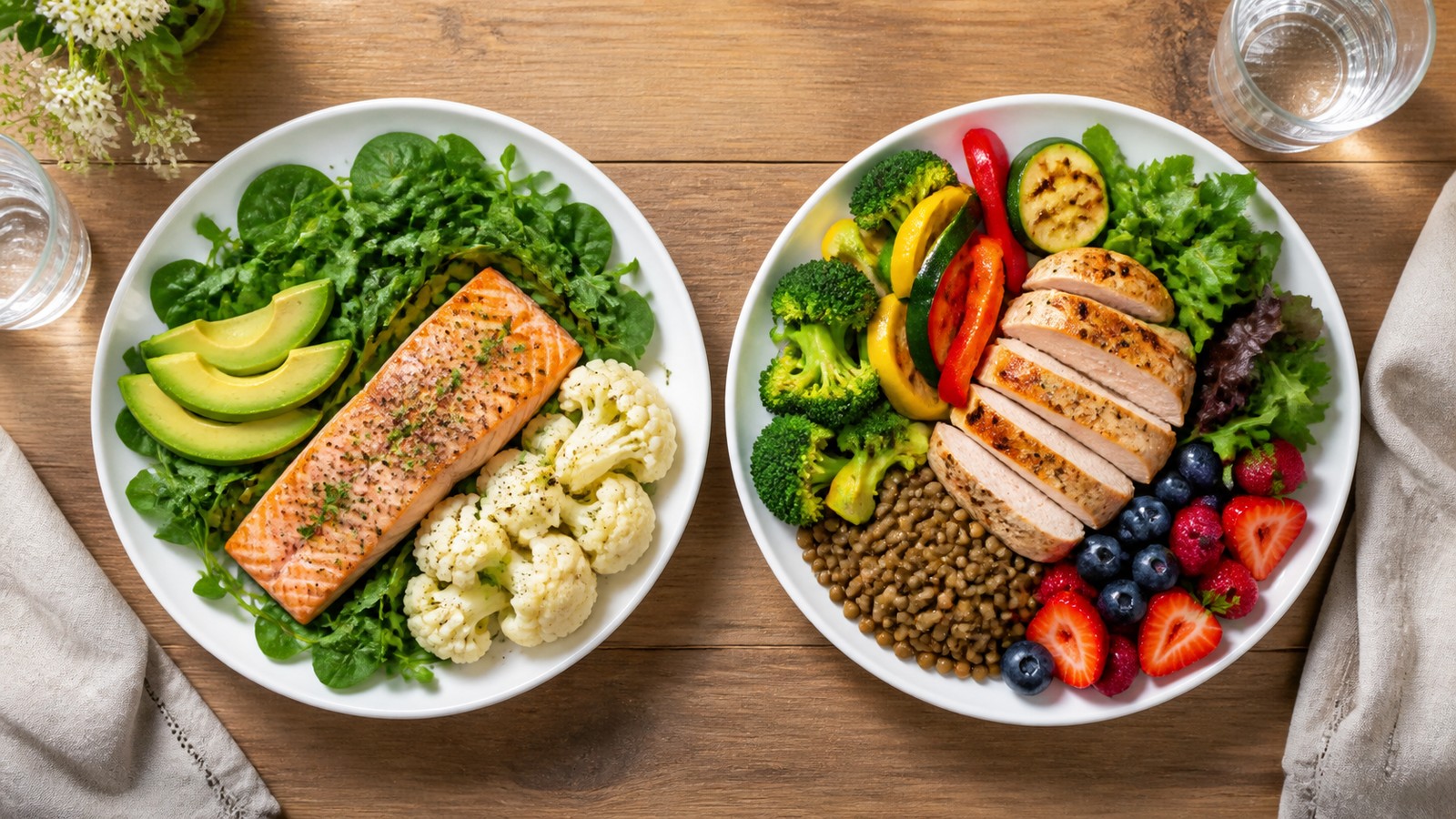
Choose a protein, add two nonstarchy vegetables, and include an unsaturated fat source. Examples include salmon with asparagus and cauliflower dressed in olive oil; chicken with cabbage slaw and avocado; or tofu with mushrooms, bok choy, sesame seeds, and a low-sugar sauce.
Plan fiber intentionally through vegetables, avocado, nuts, seeds, and, when appropriate, psyllium under professional guidance. Drink according to thirst and health needs. If weakness, persistent nausea, severe abdominal pain, vomiting, confusion, or signs of dehydration occur, seek medical care rather than assuming every symptom is normal adaptation.
Review the week rather than one meal. Rotate seafood, poultry, eggs, plant protein, vegetables, nuts, and sauces so the pattern supplies more than a repeated macro formula. Variety cannot eliminate every limitation of keto, but it reduces avoidable nutritional monotony.
Use the List as a Boundary, Not a Scorecard
Choose foods that meet the carbohydrate target while also supporting fiber, fat quality, protein, enjoyment, and medical needs. A longer list of technically permitted products is not necessarily a better diet.