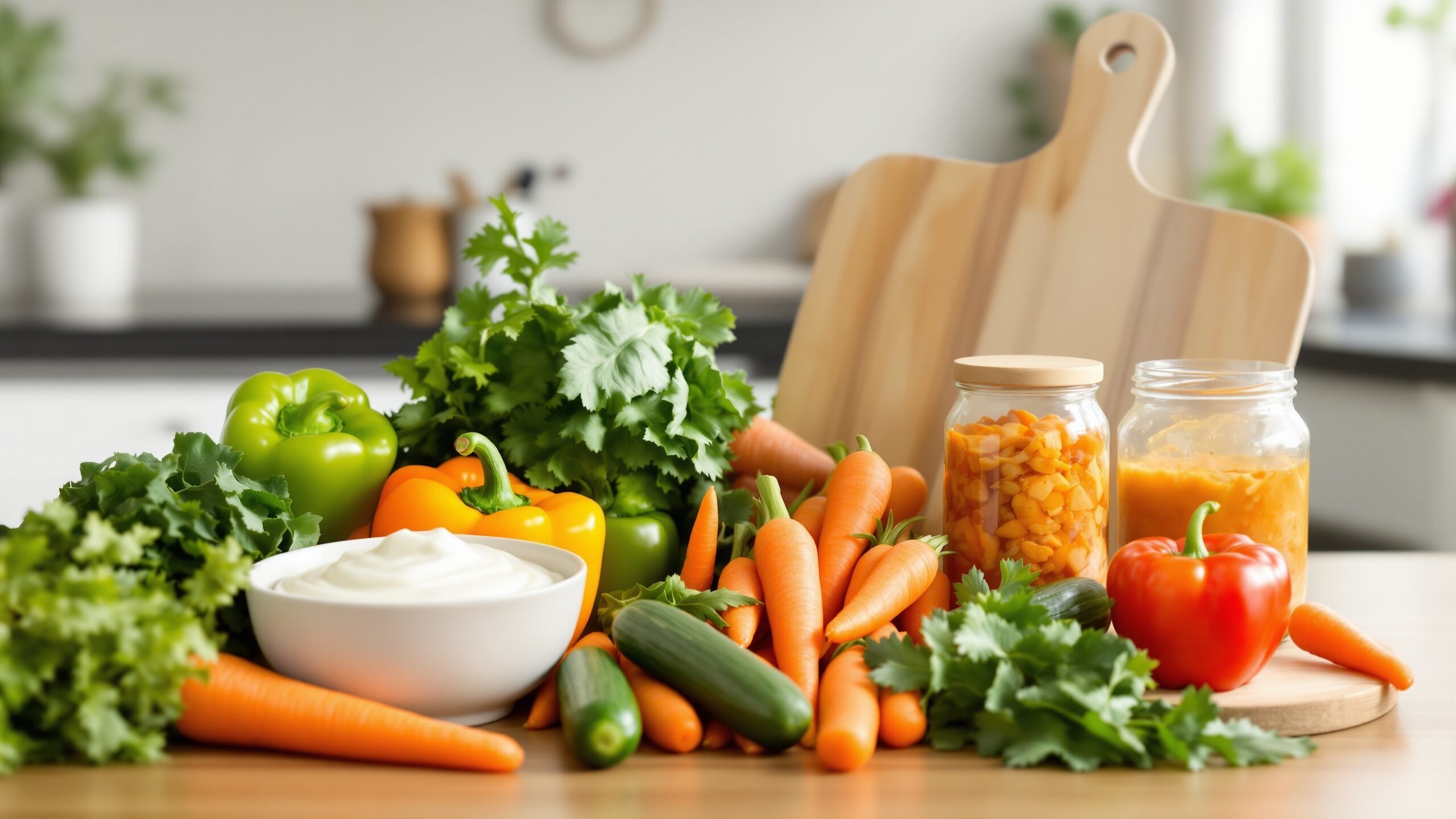
In recent years, gut health has moved from a niche wellness topic to a central pillar of modern health conversations. From digestion and immunity to mood and metabolism, the gut is now widely recognized as one of the most influential systems in the human body. At the heart of this conversation are two terms that often get confused but play very different roles: probiotics and prebiotics. If you’ve ever wandered through a grocery store aisle or scrolled through wellness advice online, you’ve likely encountered both. They’re often mentioned together, sometimes even used interchangeably, but they are not the same thing. Understanding the difference between probiotics and prebiotics—and how they work together—can be the key to unlocking better digestion, stronger immunity, and even improved mental clarity. This article dives deep into what sets them apart, how they function in your body, and why incorporating both into your lifestyle can transform your health from the inside out.
A: Probiotics are live beneficial microbes, while prebiotics are fibers and compounds that feed those microbes.
A: They often work well together because probiotics introduce support and prebiotics help beneficial bacteria thrive.
A: No. Many fermented foods like yogurt, kefir, kimchi, and sauerkraut can also provide probiotics.
A: Yes. Many everyday foods like oats, onions, garlic, bananas, beans, and apples naturally contain prebiotic fibers.
A: They may help support microbial balance, digestion, and overall gut ecosystem function.
A: They help beneficial bacteria grow and produce helpful compounds that support the gut environment.
A: Sometimes, yes, though results vary depending on diet, lifestyle, sensitivities, and overall digestive health.
A: Not always. Sudden large increases can cause discomfort, so gradual changes are usually easier to tolerate.
A: Not necessarily. Some are heat-processed after fermentation, which can reduce or remove live cultures.
A: Add one fermented food and one fiber-rich prebiotic food to your routine consistently, then build from there.
What Are Probiotics? The Living Helpers Inside You
Probiotics are live microorganisms—often referred to as “good bacteria”—that provide health benefits when consumed in adequate amounts. These beneficial microbes are similar to the ones naturally found in your gut, particularly in the large intestine, where trillions of bacteria coexist in a complex ecosystem known as the gut microbiome.
When your microbiome is balanced, it supports digestion, helps absorb nutrients, and acts as a protective barrier against harmful pathogens. However, factors like stress, poor diet, antibiotics, and illness can disrupt this balance, allowing harmful bacteria to dominate. This imbalance is often referred to as dysbiosis.
Probiotics help restore that balance. They repopulate your gut with beneficial bacteria, crowding out harmful microbes and supporting a healthier internal environment. Certain strains of probiotics have been studied for specific benefits, such as improving digestion, reducing bloating, enhancing immune response, and even supporting mental health through the gut-brain connection.
Common sources of probiotics include fermented foods like yogurt, kefir, sauerkraut, kimchi, miso, and kombucha. Supplements are also widely available and often contain a variety of bacterial strains designed to target different aspects of health.
What Are Prebiotics? The Fuel That Feeds the Good Bacteria
While probiotics are the living bacteria themselves, prebiotics are the food that nourishes them. Prebiotics are a type of non-digestible fiber that passes through the upper part of the gastrointestinal tract and reaches the colon intact. Once there, they are fermented by beneficial bacteria, helping them grow and thrive.
Think of prebiotics as fertilizer for your gut garden. Without them, even the best probiotics may struggle to survive and multiply. By feeding your existing beneficial bacteria, prebiotics help strengthen and sustain a healthy microbiome.
Prebiotics are naturally found in many plant-based foods, especially those rich in dietary fiber. Some of the most common sources include garlic, onions, leeks, asparagus, bananas, oats, apples, and chicory root. These foods contain compounds like inulin and resistant starch, which serve as prime fuel for beneficial gut bacteria.
Beyond supporting digestion, prebiotics also play a role in improving mineral absorption, regulating blood sugar levels, and reducing inflammation. Their impact extends far beyond the gut, influencing overall health in meaningful ways.
The Core Difference: Probiotics vs Prebiotics Explained Simply
At a glance, the difference between probiotics and prebiotics comes down to one simple concept: probiotics are the beneficial bacteria, and prebiotics are the nutrients that feed them.
Probiotics introduce helpful microbes into your system, while prebiotics support the growth and activity of those microbes already living in your gut. One adds to your microbiome, and the other sustains it.
This distinction is crucial because focusing on only one without the other can limit the potential benefits. Taking probiotics without adequate prebiotic intake may result in those beneficial bacteria failing to thrive. On the other hand, consuming prebiotics without a diverse microbiome may not yield optimal results.
Together, they create a powerful synergy that promotes a balanced and resilient gut environment.
Why Your Gut Microbiome Matters More Than You Think
The gut microbiome is not just about digestion—it is a central hub that influences nearly every system in the body. Researchers have linked gut health to immune function, hormone regulation, metabolism, skin health, and even mental well-being.
Approximately 70 percent of your immune system resides in your gut. A healthy microbiome helps train your immune cells to distinguish between harmful invaders and harmless substances, reducing the risk of infections and autoimmune responses.
The gut is also closely connected to the brain through what is known as the gut-brain axis. This communication network allows gut bacteria to influence mood, stress levels, and cognitive function. Some probiotics have even been studied for their potential to reduce symptoms of anxiety and depression.
Additionally, the microbiome plays a role in how your body processes nutrients and stores fat. An imbalanced gut may contribute to weight gain, inflammation, and metabolic disorders.
Understanding the importance of the microbiome underscores why probiotics and prebiotics are not just trends—they are foundational elements of long-term health.
How Probiotics and Prebiotics Work Together
The relationship between probiotics and prebiotics is often described as a partnership. When consumed together, they create a synergistic effect that enhances the overall health of your gut.
This combination is sometimes referred to as synbiotics. In a synbiotic environment, probiotics introduce beneficial bacteria into the gut, while prebiotics ensure those bacteria have the resources they need to survive, grow, and perform their functions effectively.
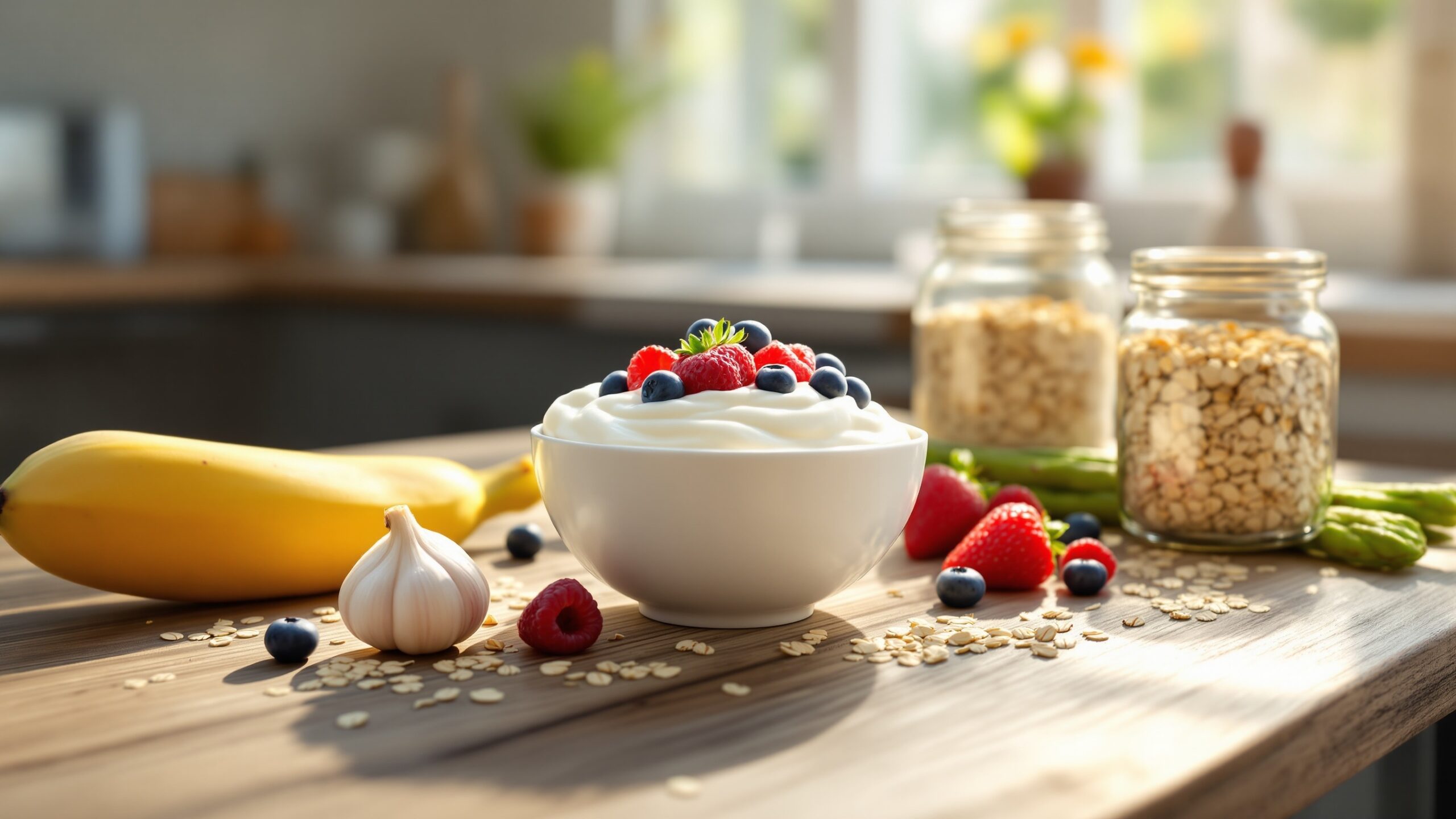
For example, consuming yogurt (a probiotic) with sliced bananas (a prebiotic) creates a powerful combination that supports gut health more effectively than either food alone. This synergy can lead to improved digestion, stronger immunity, and a more balanced microbiome.
The key is consistency. Regularly incorporating both probiotics and prebiotics into your diet helps maintain a stable and thriving gut environment over time.
Signs Your Gut May Need Support
Many people experience subtle signs of an imbalanced gut without realizing the root cause. Digestive issues such as bloating, gas, constipation, or diarrhea are often the most obvious indicators. However, gut health can also manifest in less direct ways.
Frequent illness, fatigue, skin issues like acne or eczema, and unexplained weight changes can all be linked to gut imbalances. Mood swings, anxiety, and difficulty concentrating may also be influenced by the state of your microbiome.
If you find yourself dealing with these symptoms, it may be worth evaluating your intake of probiotics and prebiotics. Supporting your gut through diet and lifestyle changes can often lead to noticeable improvements in overall well-being.
Choosing the Right Probiotics: What to Look For
Not all probiotics are created equal. Different strains of bacteria serve different purposes, and selecting the right one depends on your individual needs.
When choosing a probiotic supplement, it’s important to look for products that list specific strains, such as Lactobacillus or Bifidobacterium species. The number of colony-forming units (CFUs) can also indicate potency, but more is not always better. Quality, diversity, and survivability are equally important factors.
It’s also beneficial to choose probiotics that are backed by research and designed to survive the acidic environment of the stomach. Some formulations include delayed-release capsules or protective coatings to ensure the bacteria reach the intestines alive.
While supplements can be helpful, incorporating probiotic-rich foods into your diet remains one of the most natural and effective ways to support your gut.
Getting More Prebiotics Naturally Through Food
Unlike probiotics, which require live bacteria, prebiotics are widely available in everyday foods. A diet rich in fruits, vegetables, whole grains, and legumes can provide a steady supply of these beneficial fibers.
Variety is key. Different types of prebiotics feed different strains of bacteria, so consuming a diverse range of plant-based foods helps support a more balanced microbiome.
Cooking methods can also influence prebiotic content. For example, allowing cooked potatoes or rice to cool before eating increases their resistant starch content, providing additional fuel for beneficial bacteria.
By focusing on whole, fiber-rich foods, you can naturally enhance your intake of prebiotics without relying on supplements.
The Role of Diet and Lifestyle in Gut Health
While probiotics and prebiotics play a significant role, they are just one piece of the puzzle. Overall diet and lifestyle habits have a profound impact on gut health.
A diet high in processed foods, sugar, and artificial additives can disrupt the balance of your microbiome, while a diet rich in whole foods supports it. Regular physical activity, adequate sleep, and stress management also contribute to a healthier gut environment.
Antibiotics, while sometimes necessary, can significantly alter the microbiome by killing both harmful and beneficial bacteria. After a course of antibiotics, replenishing your gut with probiotics and prebiotics can help restore balance.
Hydration is another often overlooked factor. Drinking enough water supports digestion and helps maintain the mucosal lining of the intestines, which plays a role in gut health.
Common Myths About Probiotics and Prebiotics
Despite their growing popularity, there are still many misconceptions surrounding probiotics and prebiotics. One common myth is that taking probiotics alone is enough to fix all gut-related issues. In reality, without proper nourishment from prebiotics, those beneficial bacteria may not thrive.
Another misconception is that all fiber is the same. While many fibers have health benefits, only certain types function as prebiotics. Understanding the difference can help you make more informed dietary choices.
There is also a belief that more probiotics always lead to better results. However, balance is key. Introducing too many new bacteria at once can sometimes cause temporary discomfort, especially if your gut is not used to it.
Educating yourself about these nuances can help you approach gut health in a more effective and sustainable way.
Why It Matters: The Long-Term Impact on Your Health
The importance of understanding probiotics versus prebiotics goes far beyond short-term digestive comfort. A well-balanced gut microbiome can influence your health for years to come, affecting everything from disease prevention to daily energy levels.
By supporting your gut with both probiotics and prebiotics, you are investing in a foundation that supports your entire body. This holistic approach can lead to improved resilience, better nutrient absorption, and a stronger immune system.
In a world where quick fixes are often prioritized, focusing on gut health offers a more sustainable path to wellness. It’s not about a single supplement or superfood—it’s about creating an environment where your body can function at its best.
Bringing It All Together
Probiotics and prebiotics are two sides of the same coin, each playing a vital role in maintaining a healthy gut. While probiotics introduce beneficial bacteria, prebiotics provide the nourishment those bacteria need to thrive. Understanding the difference—and more importantly, how they work together—can empower you to make smarter choices about your diet and lifestyle. Whether through fermented foods, fiber-rich meals, or targeted supplements, incorporating both into your routine can have a profound impact on your overall health. As research continues to uncover the far-reaching effects of the gut microbiome, one thing is clear: taking care of your gut is one of the most powerful steps you can take toward a healthier, more vibrant life.