Your immune system works around the clock, silently protecting you from viruses, bacteria, and environmental stressors. While genetics and lifestyle play a role, what you eat every day has one of the most powerful impacts on how effectively your body defends itself. The right foods don’t just provide energy—they actively support immune cells, reduce inflammation, and help your body recover faster when exposed to illness. In a world where convenience foods often dominate, intentionally choosing nutrient-dense, immune-supporting ingredients can transform your health from the inside out. This guide explores the 15 best immune-boosting foods you can incorporate into your daily routine, not as a temporary fix, but as a sustainable lifestyle.
A: No—immune support usually comes from consistent overall nutrition, sleep, hydration, and healthy habits.
A: Not at all—berries, leafy greens, yogurt, nuts, seeds, fish, and legumes all contribute.
A: Frozen fruits and vegetables can still be highly nutritious and very convenient for daily meals.
A: They can help support gut health, which is closely connected to overall immune function.
A: Whole foods usually provide a wider mix of nutrients, fiber, and beneficial plant compounds.
A: Yogurt, berries, citrus, spinach, nuts, and oats are all simple starting points.
A: The basics are similar—variety, whole foods, enough protein, and plenty of colorful produce.
A: Some people enjoy it that way, but cooked garlic still adds flavor and fits easily into everyday meals.
A: Yes—balanced nutrition supports overall wellness in every season.
A: Build routines: stock simple staples, prep ahead, and add one immune-supportive ingredient to each meal.
Why Food Is Your First Line of Defense
Before diving into specific foods, it’s important to understand how nutrition fuels immunity. Your immune system relies heavily on vitamins like C, D, and E, as well as minerals such as zinc and selenium. Antioxidants help combat oxidative stress, while fiber and probiotics support gut health—where nearly 70% of your immune system resides. When your diet lacks these essential components, your body becomes more vulnerable. But when you consistently consume whole, nutrient-rich foods, your immune system becomes more resilient, adaptive, and efficient.
1. Citrus Fruits: Vitamin C Powerhouses
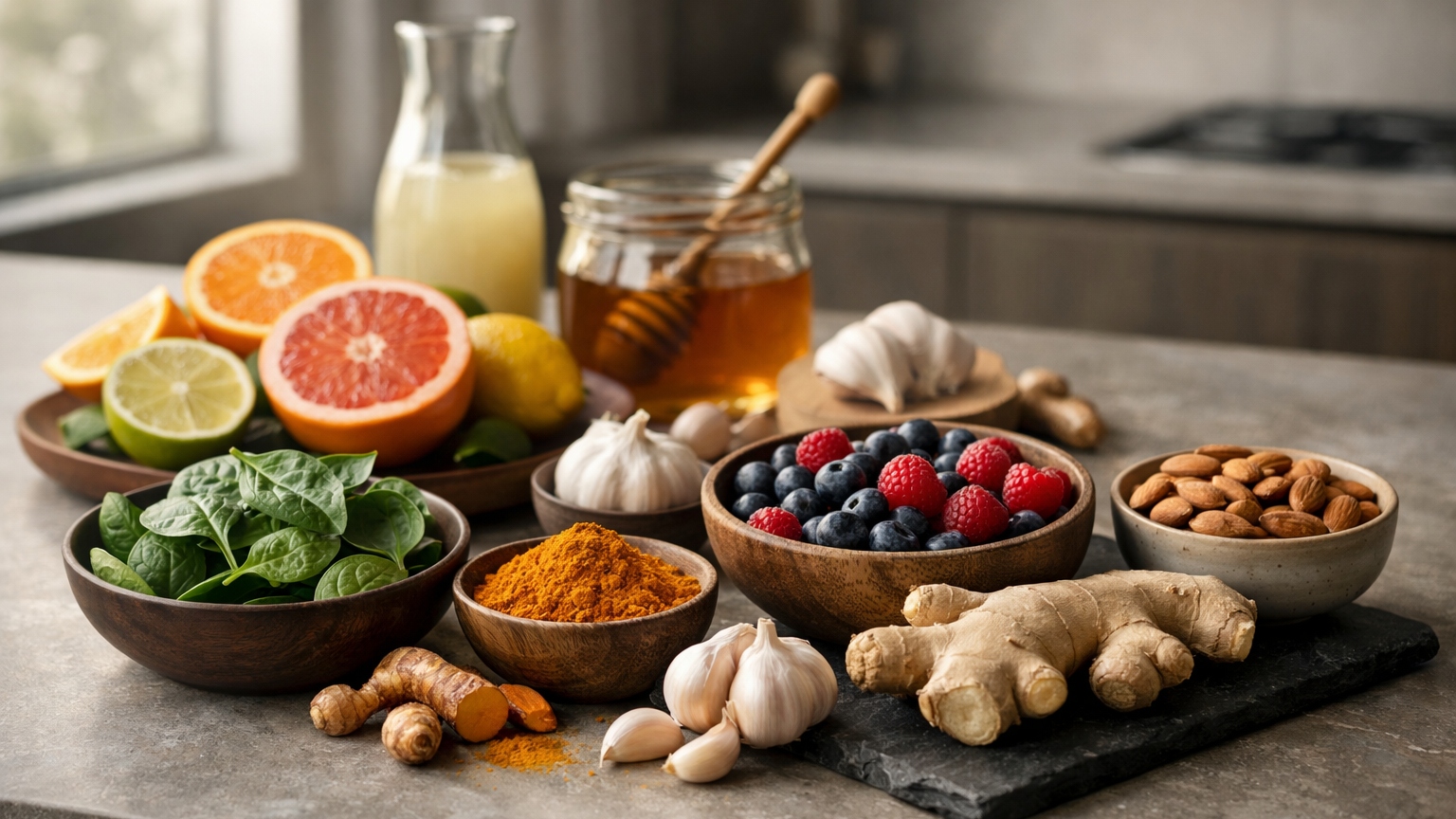
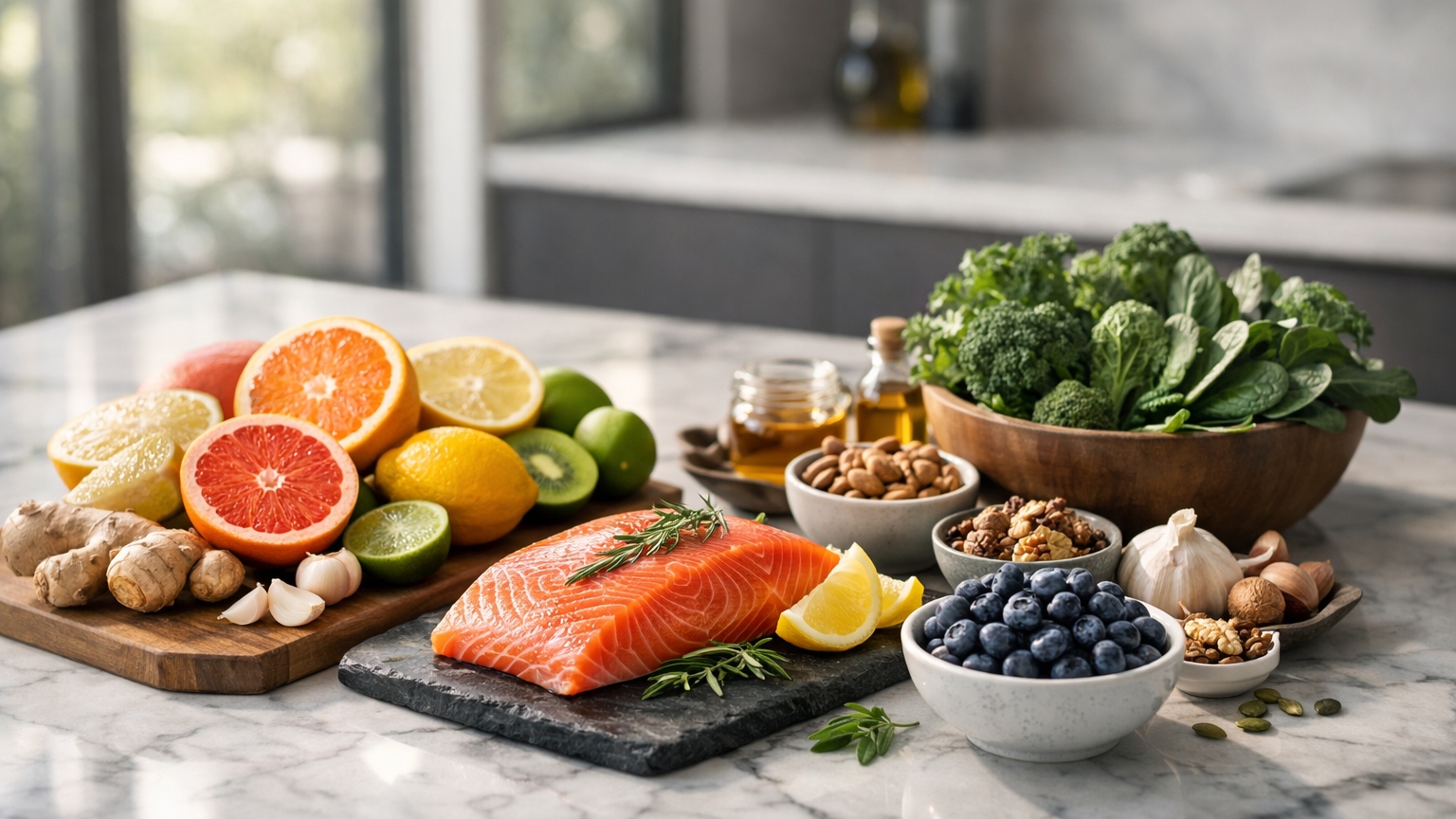
Citrus fruits such as oranges, lemons, grapefruits, and limes are well-known for their high vitamin C content. This essential nutrient helps stimulate the production of white blood cells, which are critical for fighting infections. Regular consumption can also shorten the duration of colds and support faster recovery. What makes citrus fruits especially valuable is their accessibility and versatility. Whether added to water, salads, or meals, they provide a refreshing and powerful immune boost every day.
2. Garlic: Nature’s Antimicrobial Shield
Garlic has been used for centuries as both a food and a medicinal remedy. Its immune-supporting properties come from sulfur-containing compounds like allicin, which have strong antimicrobial and anti-inflammatory effects. Consuming raw or lightly cooked garlic regularly can enhance your body’s ability to fight infections and may even reduce the severity of illness. It’s a small ingredient with a surprisingly large impact.
3. Ginger: Anti-Inflammatory Strength
Ginger is widely recognized for its soothing effect on digestion, but its immune benefits are just as impressive. It contains bioactive compounds that help reduce inflammation and oxidative stress, both of which can weaken the immune system over time. Adding ginger to tea, smoothies, or meals can provide daily support, especially during colder months or times of increased stress.
4. Spinach: Nutrient-Dense Green Fuel
Leafy greens like spinach are loaded with vitamins A, C, and E, as well as antioxidants and fiber. These nutrients work together to support immune cell function and reduce inflammation. What makes spinach particularly effective is its versatility. It can be eaten raw in salads, blended into smoothies, or lightly cooked to enhance nutrient absorption.
5. Yogurt: Gut Health and Immunity
Your gut plays a central role in immune function, and yogurt is one of the best foods for maintaining a healthy microbiome. Rich in probiotics, yogurt helps balance beneficial bacteria, which in turn strengthens your immune defenses. Choosing plain, unsweetened yogurt with live cultures ensures you’re getting the maximum benefit without added sugars that can counteract its positive effects.
6. Almonds: Vitamin E for Protection
Almonds are an excellent source of vitamin E, a fat-soluble antioxidant that plays a key role in maintaining immune health. Unlike vitamin C, which is often highlighted, vitamin E is equally important for protecting cells from damage. A small handful of almonds each day can provide a significant portion of your daily requirement, making them an easy and effective addition to your diet.
7. Turmeric: The Golden Anti-Inflammatory
Turmeric contains curcumin, a compound known for its powerful anti-inflammatory and antioxidant properties. Chronic inflammation can weaken immune response, making turmeric an important ally in maintaining overall health. Incorporating turmeric into soups, teas, or rice dishes can provide consistent benefits, especially when paired with black pepper to enhance absorption.
8. Green Tea: Antioxidant-Rich Defense
Green tea is packed with flavonoids and catechins, which are powerful antioxidants that help improve immune function. It also contains L-theanine, an amino acid that supports the production of germ-fighting compounds in your T-cells. Drinking green tea regularly not only supports immunity but also promotes calm focus and hydration, both of which contribute to overall well-being.
9. Blueberries: Small but Mighty
Blueberries are rich in antioxidants, particularly anthocyanins, which help protect the respiratory system and support immune defense. These compounds reduce oxidative stress and improve the body’s ability to fight off infections. Their natural sweetness and convenience make them an easy addition to breakfast, snacks, or desserts.
10. Broccoli: A Nutritional Powerhouse
Broccoli is one of the most nutrient-dense vegetables available. It contains vitamins A, C, and E, along with fiber and antioxidants that work synergistically to boost immune health. Lightly steaming broccoli preserves its nutrients while making it easier to digest, ensuring you get the most benefit from each serving.
11. Sunflower Seeds: Zinc and Vitamin E Boost
Sunflower seeds are packed with essential nutrients, including zinc, selenium, and vitamin E. Zinc is particularly important for immune cell development and communication. Incorporating sunflower seeds into salads, oatmeal, or snacks provides a convenient way to strengthen your immune system throughout the day.
12. Papaya: Digestive and Immune Support
Papaya is rich in vitamin C, as well as digestive enzymes like papain that help reduce inflammation and improve nutrient absorption. A healthy digestive system directly supports a strong immune response. Its tropical flavor and soft texture make it an enjoyable and beneficial addition to your daily routine.
13. Kiwi: A Vitamin-Rich Superfruit
Kiwi is another fruit loaded with vitamin C, along with vitamin K, potassium, and antioxidants. It supports immune function while also promoting healthy skin and digestion. Eating kiwi regularly can help maintain consistent nutrient levels, especially during seasons when immunity is more vulnerable.
14. Sweet Potatoes: Beta-Carotene Protection
Sweet potatoes are high in beta-carotene, which the body converts into vitamin A. This nutrient plays a crucial role in maintaining the integrity of your skin, your body’s first line of defense against pathogens. Their natural sweetness and versatility make them a satisfying and immune-supporting staple.
15. Salmon: Omega-3 Immune Support
Fatty fish like salmon are rich in omega-3 fatty acids, which help reduce inflammation and support immune regulation. Chronic inflammation can weaken immune response, making omega-3s essential for long-term health.
Salmon also provides vitamin D, another key nutrient for immune function, especially in individuals with limited sun exposure.
Building an Immune-Boosting Daily Routine
Incorporating these foods into your diet doesn’t require a complete overhaul of your lifestyle. The key is consistency. Start by adding one or two of these ingredients to your meals each day, gradually building a routine that supports your immune system naturally.
A morning smoothie with spinach, blueberries, and yogurt can provide a powerful start. A lunch featuring leafy greens, seeds, and citrus dressing continues the support. Dinner with salmon, broccoli, and sweet potatoes completes a full day of immune-focused nutrition.
The Role of Balance and Lifestyle
While food is a cornerstone of immunity, it works best when combined with other healthy habits. Adequate sleep, regular physical activity, stress management, and proper hydration all contribute to a strong immune system. No single food can prevent illness entirely, but a consistent pattern of nutrient-rich eating creates a foundation that allows your body to respond more effectively when challenges arise.
Long-Term Benefits of Immune-Focused Eating
The benefits of these foods extend far beyond preventing occasional illness. Over time, they contribute to improved energy levels, better digestion, reduced inflammation, and enhanced overall vitality. By prioritizing immune-supporting foods daily, you’re not just reacting to potential illness—you’re proactively building a healthier, more resilient body.
Eat with Intention
Your daily food choices are one of the most powerful tools you have for protecting your health. By incorporating these 15 immune-boosting foods into your routine, you create a strong nutritional foundation that supports your body in every season. Instead of chasing quick fixes, focus on building habits that last. With consistency, variety, and intention, your diet can become your greatest ally in maintaining a strong and effective immune system.