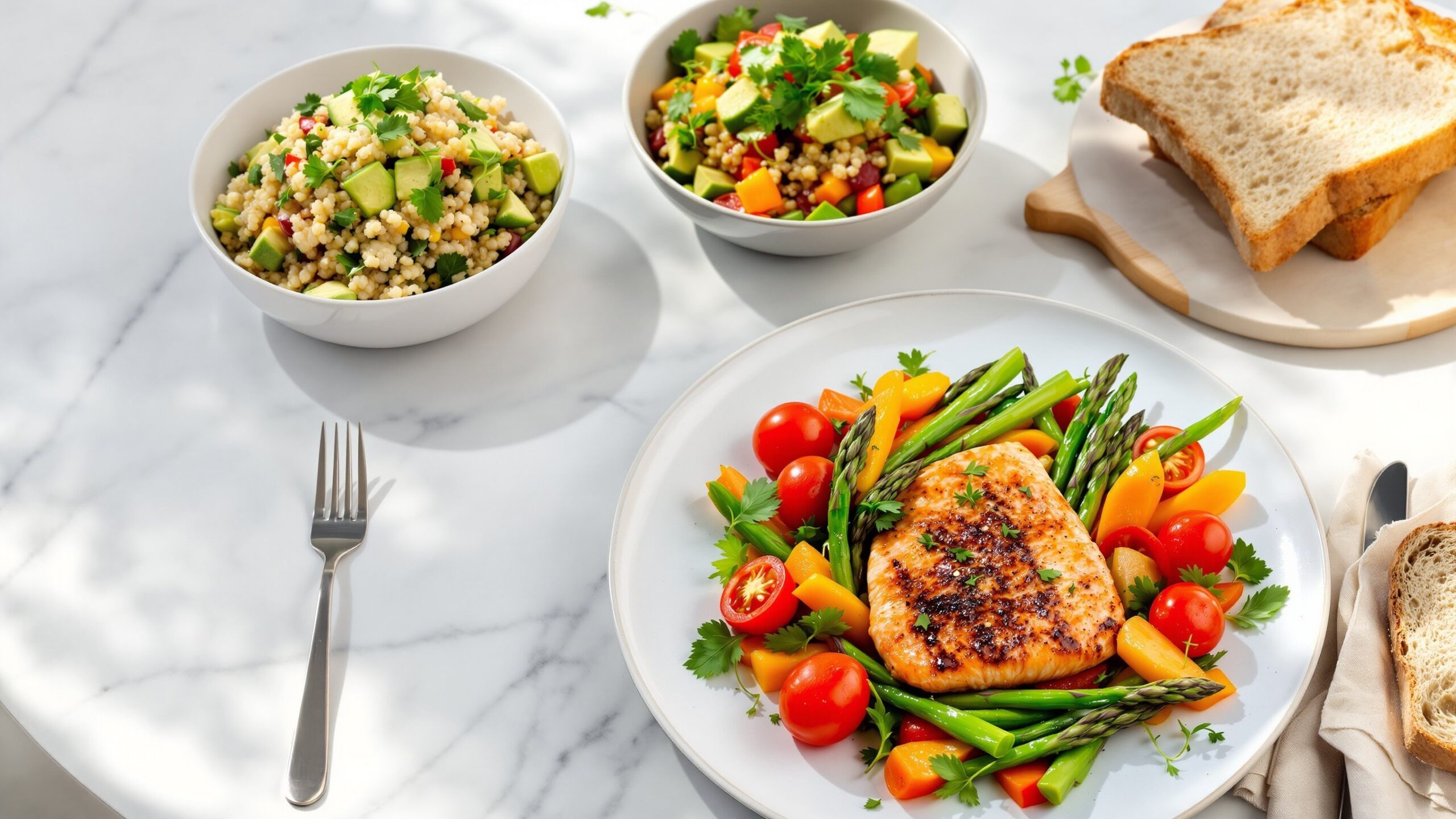
Eating well is one of the most powerful ways to improve energy, mood, and long-term health. Yet many people feel that a balanced diet requires complicated math, strict tracking apps, or endless calorie counting. The truth is far simpler. Human beings nourished themselves successfully for thousands of years before nutrition labels existed. A balanced diet can be guided by habits, awareness, and common sense rather than calculators. Learning how to eat a balanced diet every day without counting calories is about reconnecting with natural hunger cues, understanding food quality, and building meals that satisfy both body and mind.
A: Use a plate method, include protein + fiber each meal, and add a small healthy fat for satisfaction.
A: Increase protein, add fiber (beans/veg/whole grains), and include a bit of fat—then reassess.
A: No—choose quality carbs (whole grains, fruit, beans) and pair them with protein and fat.
A: Greek yogurt + berries + nuts, or eggs + whole-grain toast + fruit, or oatmeal + chia + peanut butter.
A: Add a “produce side” and “protein anchor”: salad/fruit + chicken/beans/tuna/tofu.
A: Not if it supports your day—choose snacks with protein/fiber instead of pure sugar/refined carbs.
A: Eat regular meals, sleep well, keep balanced snacks available, and allow planned treats.
A: Sheet-pan veggies + protein + a grain/starchy veg, finished with a sauce or squeeze of lemon.
A: Enough that your urine is pale yellow most of the day; increase with heat, altitude, and exercise.
A: Yes—beans, eggs, oats, frozen veg, rice, canned fish, and seasonal produce are powerhouse staples.
Rethinking What “Balanced” Really Means
Balance does not mean perfection. It means variety, moderation, and consistency over time. A single meal will never make or break health, but daily patterns will. When people imagine healthy eating, they often picture restriction or bland food. In reality, a balanced diet is colorful, flavorful, and deeply enjoyable. It includes nourishing proteins, energizing carbohydrates, healthy fats, fiber-rich vegetables, and foods that bring comfort and cultural connection. The goal is not to eat less but to eat better.
Calories are simply a measure of energy, yet they reveal very little about nutrition. Two meals may contain the same number of calories while affecting the body in completely different ways. A plate of vegetables, beans, olive oil, and fish provides vitamins, minerals, and stable energy, while the same calorie amount from sugary snacks can leave a person hungry an hour later. Focusing on food quality rather than numbers allows healthier choices to happen naturally.
Listening to Your Body Instead of an App
One of the most valuable skills in balanced eating is learning to recognize hunger and fullness. The body speaks clearly when given the chance. True hunger builds gradually and is felt in the stomach and energy levels. Emotional cravings often appear suddenly and are tied to stress, boredom, or habit. By pausing before eating and asking whether the body is genuinely hungry, people begin to rebuild trust with their own instincts. Eating slowly is another powerful tool. It takes time for the brain to register satisfaction, so rushing through meals often leads to overeating. Sitting down, breathing, and tasting food allows the natural stop signal to appear. This simple habit can replace any calorie-tracking system. When meals are enjoyed rather than inhaled, portions regulate themselves.
Building Meals the Simple Way
A practical approach to balanced eating is to think in terms of components instead of calories. Every meal can include a source of protein, a source of fiber, some healthy fat, and plenty of plants. Protein might come from eggs, yogurt, beans, lentils, fish, or lean meats. Fiber arrives through vegetables, fruit, whole grains, and legumes. Healthy fats appear in nuts, seeds, avocados, and olive oil. When these elements share the plate, blood sugar stays steady and hunger fades for hours.
Color is an easy guide. Nature paints nutritious foods in vibrant shades—deep greens, bright oranges, rich purples. A plate with several colors is almost always more balanced than one that is beige. Instead of measuring grams, simply aim to include at least one vegetable or fruit at every meal. Over the course of a week, variety will naturally cover most nutritional needs.
The Power of Routine Without Rigidity
Balanced diets thrive on gentle structure. Regular meal times help the body expect nourishment and reduce random snacking. Preparing a few familiar breakfasts, lunches, and dinners removes decision fatigue. Yet routine should never become a cage. Life includes celebrations, travel, and spontaneous treats. Flexibility keeps eating joyful and sustainable. Home cooking is one of the strongest allies. When meals are prepared in one’s own kitchen, ingredients are visible and portions intuitive. Even simple dishes like roasted vegetables with rice and beans or scrambled eggs with toast can provide excellent balance. Cooking does not need to be gourmet to be nourishing. The act of combining real foods already places a person ahead of most packaged alternatives.
Choosing Foods That Truly Satisfy
Many people overeat because their meals do not satisfy them emotionally or physically. Low-fat, flavorless dishes may look healthy but often lead to cravings later. Adding herbs, spices, and a little healthy fat makes food delicious and filling. Satisfaction is a legitimate part of nutrition. When meals taste good, there is less desire to search for snacks an hour later.
Protein deserves special attention because it creates lasting fullness. Including it at breakfast can transform the entire day. A bowl of oatmeal topped with nuts and yogurt keeps energy steadier than a pastry. Likewise, lunches that combine protein with vegetables prevent the afternoon slump. These choices emerge naturally when the focus is on how food feels rather than how many calories it contains.
Navigating Snacks Without Stress
Snacking is not an enemy. It becomes a problem only when snacks replace real meals or are chosen mindlessly. A balanced snack pairs two elements, such as fruit with nuts or hummus with vegetables. This combination mirrors the structure of a full meal on a smaller scale. Keeping wholesome options visible at home or work makes better choices automatic. Hydration also plays a quiet role. Thirst often masquerades as hunger. Drinking water throughout the day can reduce unnecessary nibbling. Herbal teas, sparkling water, or simply a glass beside the desk create gentle reminders to hydrate without turning to sugary drinks.
Eating Out and Staying Balanced
Restaurants can fit easily into a non-counting lifestyle. Instead of studying calorie numbers on a menu, look for dishes that resemble home cooking. Meals centered on vegetables, whole grains, and lean proteins are usually reliable. Portions at restaurants tend to be large, so sharing plates or saving half for later respects natural fullness cues.
Social meals should be about connection first. Stressing over numbers during dinner with friends steals the joy of eating. Choosing foods that feel good and stopping when satisfied is enough. Over time the body learns to handle occasional rich meals without any need for compensation.
Understanding Emotional Eating
Food is intertwined with feelings, memories, and culture. Trying to eliminate emotional eating completely is unrealistic. The goal is awareness rather than punishment. When stress drives the urge to snack, pausing to identify the emotion can open other options such as a walk, a phone call, or a few deep breaths. Sometimes the body truly needs comfort, and choosing a favorite food mindfully is perfectly acceptable. Building non-food coping tools strengthens balance. Adequate sleep, movement, and social support reduce the intensity of cravings. A rested body asks for nourishment, not numbing. These lifestyle factors often matter more than any specific diet rule.
Making Peace with Carbohydrates and Fats
Diet culture has spent decades labeling certain nutrients as villains. Carbohydrates and fats have each taken turns in the spotlight of blame. In reality, both are essential. Carbohydrates fuel the brain and muscles, while fats support hormones and absorb vitamins. Problems arise only when highly processed versions crowd out whole foods.
Choosing whole grains, potatoes, fruit, and legumes provides steady energy. Pairing them with protein and fat prevents blood sugar spikes. Similarly, embracing natural fats from olive oil, nuts, and fish supports heart health and satisfaction. Balance means inclusion, not fear.
Grocery Shopping with a Balanced Mindset
A simple strategy in the grocery store is to shop mostly from the outer sections where fresh foods live. Filling the cart with produce, dairy or plant alternatives, meats or beans, and whole grains sets the foundation. Packaged foods can still have a place, but they become additions rather than the core. Reading ingredient lists instead of calorie panels shifts attention to quality. Foods with short, recognizable ingredients tend to be more nourishing. Planning a few meals before shopping prevents last-minute reliance on takeout and makes balanced choices effortless during busy weeks.
Teaching Children Balance Without Numbers
Families benefit greatly from a no-count approach. Children are naturally good at regulating appetite when not pressured. Offering a variety of foods and allowing them to decide how much to eat builds lifelong confidence. Modeling enjoyment of vegetables and shared meals speaks louder than lectures about calories.
Creating positive food experiences—cooking together, visiting markets, celebrating cultural dishes—teaches that eating is part of life, not a math problem. These lessons protect against the disordered habits that strict dieting can create.
The Role of Movement and Rest
Food does not exist in isolation. Regular movement improves digestion, appetite signals, and mood. Exercise should be chosen for pleasure rather than as punishment for eating. A walk after dinner, stretching in the morning, or playful sports with friends all support balanced nutrition without any counting. Sleep is equally important. Tired bodies crave quick energy from sugary foods. Prioritizing rest naturally reduces these urges. Balanced living is a circle where eating, moving, and sleeping support one another.
Letting Progress Replace Perfection
Adopting this style of eating is a journey. There will be days of celebration and days of stress. The aim is not flawless adherence but gentle return to balance. One vegetable-filled meal can reset the rhythm. Trust grows with experience, and soon the idea of counting calories feels unnecessary.
Celebrating small wins keeps motivation alive. Noticing improved energy, clearer skin, or better digestion reminds people why they began. These real-life benefits matter far more than any number on a screen.
A Sustainable Path Forward
Learning how to eat a balanced diet every day without counting calories is ultimately about respect—for the body, for food, and for the pleasure of living. It frees people from obsession and returns eating to its rightful place as nourishment and joy. By focusing on whole foods, mindful habits, and simple meal structure, anyone can build a healthy relationship with food. The body is wiser than most diets assume. Given variety, patience, and attention, it guides choices naturally. Balanced eating becomes less a set of rules and more a rhythm that fits daily life. Without a single calorie counted, health can flourish, meals can delight, and food can once again feel friendly rather than fearful.