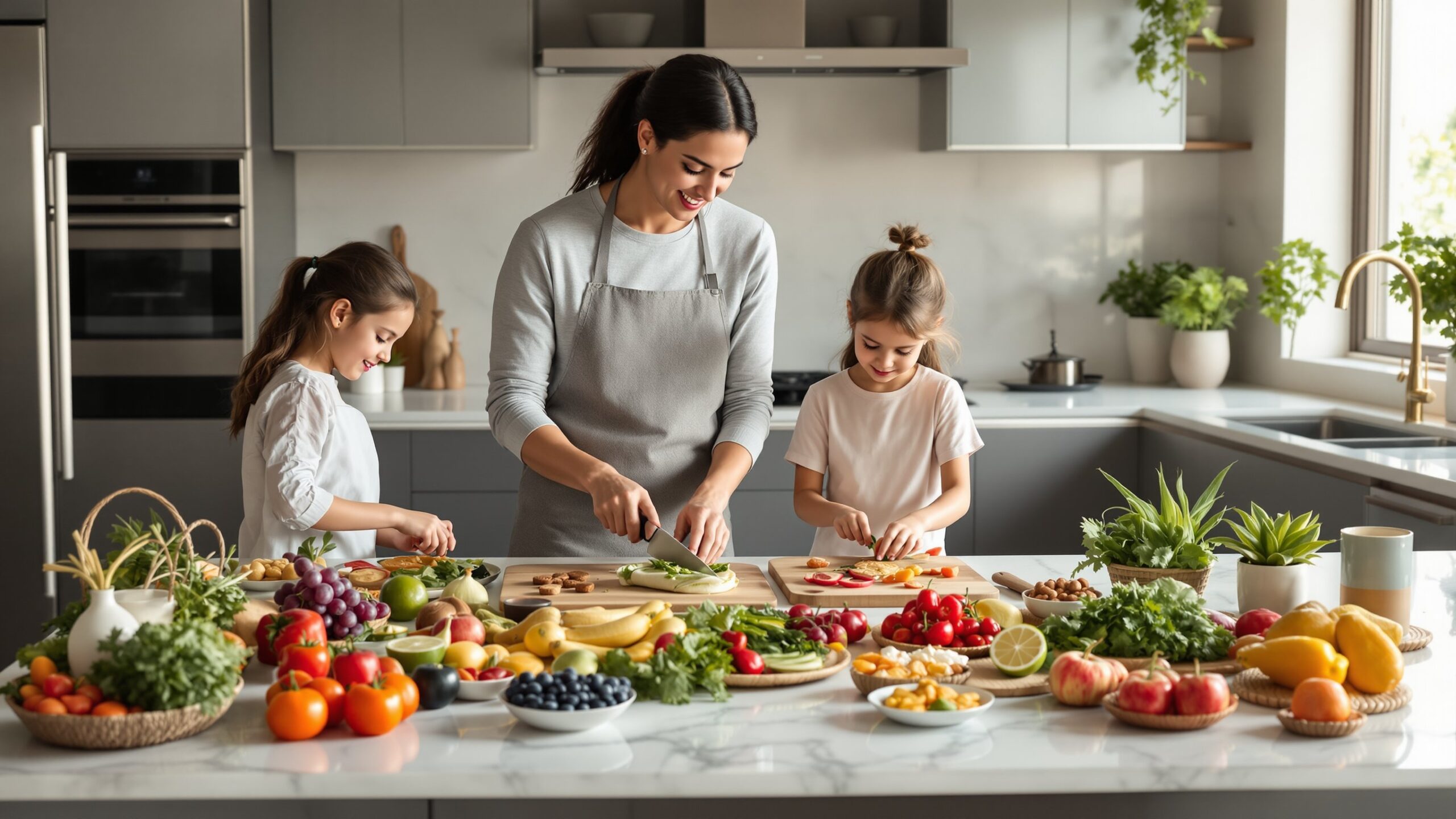
Modern family life moves fast. Between school schedules, sports practices, work deadlines, errands, and digital distractions, mealtime can easily become rushed, chaotic, or inconsistent. Yet family meals remain one of the most powerful tools for improving health, strengthening relationships, and building lifelong eating habits. The challenge is that many parents feel trapped between wanting nutritious meals and dealing with picky eaters who reject vegetables, complain about textures, or insist on eating the same foods repeatedly. The good news is that healthy family meals do not have to be complicated, expensive, or stressful. They also do not require forcing children to eat foods they hate. The most successful family meal strategies focus on balance, creativity, consistency, and flexibility rather than perfection. Healthy eating can absolutely coexist with picky preferences when meals are planned thoughtfully and presented in a welcoming way. Families today are becoming more aware of how nutrition affects energy levels, emotional well-being, academic performance, sleep quality, and long-term health. Processed foods and ultra-convenient meals may save time in the short term, but they often leave families feeling sluggish, hungry again quickly, and disconnected from real nourishment. A healthier approach does not mean eliminating every treat or creating rigid food rules. Instead, it means building meals around wholesome ingredients while making the dining experience enjoyable and approachable for everyone at the table.
A: Pair one familiar food with one small new food and keep the mood low-pressure.
A: Hidden veggies can help, but also serve visible vegetables so kids build familiarity.
A: Choose a protein, a whole-grain or starchy base, a vegetable, and a simple sauce.
A: Yes; balanced snacks with protein, fiber, or healthy fat can support steady energy.
A: Serve the meal, include a safe option, and let children decide how much to eat.
A: Keep offering tiny portions in different textures, shapes, dips, and recipes.
A: Yes, they are convenient, nutritious, and often easier for busy families to use.
A: Prep flexible basics like rice, chopped produce, cooked protein, and one sauce.
A: Try sheet-pan dinners, tacos, grain bowls, omelets, soups, or pasta with vegetables.
A: Use colorful plates, build-your-own meals, theme nights, and kid-friendly kitchen tasks.
Understanding Why Kids Become Picky Eaters
Picky eating is incredibly common, especially among toddlers and young children. In many cases, it is a normal developmental phase rather than a serious issue. Children naturally become cautious about unfamiliar foods because their brains are wired to seek comfort and predictability. Texture, smell, color, and even the appearance of mixed foods can influence whether a child accepts or rejects a meal.
Some children prefer bland flavors because their taste buds are more sensitive than adults. Others dislike foods touching each other or struggle with certain textures like mushy vegetables or chewy meats. Emotional factors also play a role. Stress, overstimulation, pressure during meals, or negative food experiences can increase resistance to trying new foods.
Parents often unknowingly make picky eating worse by creating battles around food. Constantly bargaining, bribing, or demanding “just one more bite” can increase anxiety and make mealtimes emotionally exhausting. Children may begin to associate healthy foods with pressure and conflict instead of comfort and enjoyment.
A more effective strategy is to reduce tension while consistently exposing children to healthy options. Research shows that repeated, low-pressure exposure to foods can gradually increase acceptance over time. A child may reject broccoli ten times before finally trying it willingly. Patience and consistency matter far more than forcing immediate results.
The Foundation of a Healthy Family Meal
Healthy family meals work best when they are balanced, satisfying, and visually inviting. A strong family meal typically includes lean protein, fiber-rich carbohydrates, healthy fats, and colorful fruits or vegetables. These elements help stabilize energy, support growth, and keep everyone fuller longer.
Protein sources such as chicken, turkey, fish, eggs, beans, tofu, or Greek yogurt provide essential nutrients for muscle development and overall health. Whole grains like brown rice, quinoa, oats, or whole wheat pasta offer steady energy and fiber. Healthy fats from avocados, olive oil, nuts, or seeds support brain function and satisfaction.
Vegetables and fruits are often the biggest challenge with picky eaters, but presentation can make a huge difference. Roasting vegetables brings out natural sweetness and improves texture. Offering dips like hummus, ranch yogurt dip, or guacamole can make vegetables more approachable. Even something as simple as cutting foods into fun shapes or arranging them colorfully can increase curiosity and willingness to try.
Healthy family meals also succeed when they are realistic. Parents do not need gourmet recipes every night. Simple meals made with quality ingredients often work best because they reduce stress and allow families to focus on connection rather than perfection.
Creating a Positive Mealtime Environment
The atmosphere around meals matters almost as much as the food itself. Children are more likely to try new foods when meals feel calm, predictable, and enjoyable. Families who regularly eat together tend to develop stronger communication habits and healthier eating patterns overall.
One of the most important habits is sitting down together without distractions. Turning off televisions, putting away phones, and focusing on conversation creates a more mindful dining experience. Children learn social skills, emotional communication, and healthy eating behaviors simply by observing adults during meals.
Parents should aim to model balanced eating rather than lecture about nutrition. When children see adults genuinely enjoying vegetables, whole grains, and home-cooked meals, those foods begin to feel normal rather than forced. Enthusiasm is contagious.
Another powerful strategy is involving children in meal preparation. Kids who help wash vegetables, stir ingredients, set the table, or choose recipes often feel more invested in the final meal. Even picky eaters become more curious about foods they helped create. Cooking together also transforms healthy eating into a family experience instead of a rule.
Smart Strategies for Feeding Picky Eaters
One of the best approaches for picky eaters is offering familiar foods alongside new ones. This creates a sense of safety while gently encouraging exploration. For example, serving grilled chicken and rice alongside roasted carrots gives children something comfortable while introducing a less familiar option.
It is also helpful to avoid becoming a short-order cook. Preparing separate meals for every family member increases stress and reinforces picky habits. Instead, aim for one main meal with flexible components. Taco bars, grain bowls, pasta stations, and customizable wraps work beautifully because each person can build their plate according to their comfort level.
Texture can be another game changer. Some children dislike steamed vegetables but enjoy them roasted until crispy. Others prefer raw vegetables over cooked ones. Experimenting with preparation styles can reveal surprising preferences.
Sneaking vegetables into foods can occasionally help boost nutrition, but it should not become the only strategy. Blending spinach into smoothies or adding grated zucchini to pasta sauce is perfectly fine, but children also benefit from seeing and recognizing healthy foods openly. Familiarity helps reduce fear over time.
Praise should focus on curiosity and effort rather than quantity eaten. Saying “I’m proud of you for trying something new” feels far more supportive than demanding an empty plate. Children thrive when food becomes a low-pressure experience.
Easy Healthy Meal Ideas the Whole Family Can Enjoy
Healthy family meals do not need to involve complicated cooking techniques or expensive ingredients. Some of the most successful meals are simple, customizable, and comforting. Homemade taco nights are a favorite because they combine fun with flexibility. Parents can offer lean ground turkey, grilled chicken, black beans, shredded lettuce, diced tomatoes, avocado, cheese, and soft tortillas. Picky eaters can keep their tacos simple while adventurous eaters load up on toppings.
Sheet pan dinners are another lifesaver for busy families. Roasting chicken sausage, sweet potatoes, broccoli, and peppers together creates a balanced meal with minimal cleanup. The roasting process also enhances flavor naturally.
Whole wheat pasta dishes with hidden or visible vegetables often work well for children. A creamy tomato sauce blended with carrots and spinach can provide extra nutrition without dramatically changing flavor. Adding grilled chicken or turkey meatballs creates a more filling meal.
Breakfast-for-dinner nights are also surprisingly effective. Scrambled eggs, fruit, whole grain toast, yogurt parfaits, and turkey sausage create a nutritious meal that feels comforting and fun. Homemade pizzas using whole wheat crusts allow families to customize toppings while controlling ingredients. Children are often more willing to eat vegetables like spinach, mushrooms, or peppers when they are part of a pizza they helped create.
Meal Planning Without the Stress
Meal planning can dramatically reduce family stress while improving nutrition and saving money. Many families struggle with healthy eating simply because they wait until the last minute to decide what to cook. Planning ahead removes daily decision fatigue.
A successful meal plan does not need to be rigid. Start by choosing three to five dinner ideas for the week rather than scheduling every meal perfectly. Keeping flexible staples on hand such as frozen vegetables, brown rice, eggs, canned beans, and rotisserie chicken makes it easier to assemble balanced meals quickly.
Batch cooking can also simplify busy evenings. Preparing proteins, chopping vegetables, or cooking grains ahead of time allows families to mix and match ingredients throughout the week. Even washing fruit in advance can increase the likelihood that healthy snacks get eaten.
Parents should also embrace realistic shortcuts. Pre-cut vegetables, frozen produce, healthy store-bought sauces, and air fryers can save valuable time without sacrificing nutrition. Healthy eating does not require spending hours in the kitchen every night.
Creating theme nights can make planning easier and more exciting. Taco Tuesday, Pasta Night, Soup Sunday, or Build-Your-Own Bowl Night add structure while giving children something predictable to look forward to.
Balancing Nutrition and Convenience
Many parents feel pressure to prepare perfectly healthy meals every day, but real life rarely works that way. The goal is not perfection. The goal is consistency over time. Healthy family eating should feel sustainable rather than exhausting.
Convenience foods are not automatically unhealthy. The key is learning how to combine convenience with balance. Frozen vegetables, pre-cooked proteins, canned beans, and healthy wraps can all support nutritious meals when used thoughtfully.
A balanced freezer can be incredibly helpful for busy nights. Keeping frozen fruit for smoothies, frozen vegetables for stir-fries, and healthier frozen meals as backups prevents the temptation to rely entirely on fast food.
Parents should also remember that one meal does not define a child’s health. Children do not need every meal to be flawless. What matters most is the overall pattern of nourishment, exposure to healthy foods, and positive food experiences over time.
How Healthy Meals Support Emotional Well-Being
Food influences more than physical health. Nutrition affects mood, focus, emotional regulation, and family connection. Meals rich in protein, healthy fats, fiber, and vitamins help stabilize blood sugar and energy levels, which can reduce irritability and improve concentration. Shared meals also create emotional security. Family dinners provide opportunities for conversation, storytelling, laughter, and daily connection. Even short meals together can strengthen relationships and create traditions children remember for years.
For picky eaters, emotional safety during meals is especially important. Children are more likely to expand their preferences when they feel relaxed rather than judged. Gentle encouragement combined with repeated exposure creates a healthier long-term relationship with food. Parents who approach meals with flexibility and patience often see gradual progress over time. A child who once refused all vegetables may slowly begin tasting roasted carrots, cucumbers, or spinach smoothies simply because the environment feels supportive rather than stressful.
Teaching Lifelong Healthy Eating Habits
One of the greatest benefits of healthy family meals is that they teach children habits they will carry into adulthood. Kids learn not only what to eat, but how to think about food, cooking, and nourishment. Children who grow up around balanced meals are more likely to feel confident preparing food later in life. They learn that healthy eating can be flavorful, satisfying, and social rather than restrictive or boring.
Teaching moderation is equally important. Completely banning sweets or treats can sometimes increase obsession around them. Instead, families can model balance by enjoying desserts occasionally while focusing primarily on nourishing foods. This creates a healthier mindset around eating.
Parents can also teach children to listen to their bodies. Encouraging kids to recognize hunger and fullness cues helps build self-awareness and trust around food. Pressuring children to clean their plates can sometimes override those natural signals.
Cooking skills, grocery shopping habits, and meal planning knowledge all contribute to long-term wellness. Even simple experiences like choosing produce at the store or helping season vegetables can shape a child’s relationship with food for years to come.
Making Healthy Eating Fun for the Entire Family
Healthy family meals should not feel like punishment. The more fun and engaging the experience becomes, the more likely children are to participate willingly. Creativity often matters more than complexity. Trying foods from different cultures can introduce exciting flavors and spark curiosity. Homemade sushi bowls, Mediterranean wraps, stir-fries, and taco nights allow families to explore new ingredients while keeping meals interactive.
Seasonal cooking can also add excitement. Fresh summer berries, fall squash, winter soups, and spring vegetables naturally create variety throughout the year. Visiting farmers markets or growing herbs at home can deepen children’s connection to food.
Celebrating small victories is important too. A child tasting a new vegetable, helping cook dinner, or willingly sitting through a family meal represents progress worth recognizing. Healthy habits develop gradually through repetition and positive experiences. Families should also remember that healthy eating looks different for everyone. Some children need more time to adapt to new foods, while others naturally enjoy variety. Flexibility and patience create a more sustainable path than rigid expectations.
The Real Secret to Healthy Family Meals
The ultimate secret to healthy family meals is not hidden in a trendy diet, expensive ingredients, or elaborate recipes. It lies in consistency, connection, and compassion. Families thrive when meals become opportunities for nourishment and togetherness rather than stress and conflict.
Picky eating does not mean failure. It simply means children need time, support, and repeated exposure to build confidence around food. Parents who stay patient, model balanced eating, and create positive meal environments often see remarkable changes over time.
Healthy family meals are not about achieving perfection every single day. They are about creating routines that support wellness, encourage curiosity, and strengthen family bonds. Even small changes such as eating together more often, adding one extra vegetable to dinner, or involving children in cooking can create meaningful long-term impact.
In a world filled with busy schedules and endless distractions, gathering around the table remains one of the simplest and most powerful ways families can care for each other. Healthy meals nourish the body, but shared mealtimes nourish something even deeper: connection, trust, and a sense of belonging that lasts far beyond the dinner table.