A Carnivore Meal Plan Should Reduce Decisions, Not Hide Risks
A 7-day carnivore diet meal plan can make the first week easier because it answers the immediate question: what do I eat today? The plan below uses simple animal foods such as beef, eggs, salmon, chicken thighs, roast, sardines, broth, and optional dairy so beginners can cook repeatable meals instead of improvising under pressure. It is not a medical prescription, a weight-loss guarantee, or proof that an animal-food-only diet is appropriate long term. Anyone with diabetes medication, kidney disease, gout, lipid concerns, pregnancy, a history of eating disorders, or complex medical conditions should get professional guidance before trying a restrictive plan. Use this week as a structured experiment. Track appetite, digestion, energy, sleep, mood, and warning signs while keeping meals practical enough to repeat.
A: No, but beginners should avoid accidental under-eating.
A: Yes, simple animal-food backups can help during adaptation.
A: No, ground beef, eggs, roast, fish, and poultry can carry the week.
A: Only if it fits your goals and digestion.
A: Prep anchors, but cook fish and some meats fresh when preferred.
A: Choose smaller batches and faster proteins.
A: That depends on whether your version is strict or flexible.
A: Enough to feel steady, while watching appetite and goals.
A: Stop, adjust, or seek guidance instead of forcing it.
A: Clear meals, honest tracking, and a next step based on evidence.
Before Day 1: Choose Your Version
Decide whether the week includes dairy, coffee, spices, and processed meats. A strict plan might use meat, fish, eggs, water, and salt. A flexible plan may include butter, hard cheese, coffee, and simple seasonings. Neither choice is automatically better; the best choice depends on your goal.
If you are testing symptoms, fewer variables make the week easier to interpret. If adherence is the main challenge, a small amount of dairy or seasoning may keep meals realistic.
This decision also helps with shopping. A strict week skips sauces, flavored jerky, sweetened bacon, and cream. A flexible week may allow them in controlled amounts. Either way, uncertainty is what usually creates the messy cart.
Shopping List for the Week
A simple cart could include ground beef, chuck roast, steak or stew meat, eggs, salmon, sardines, chicken thighs, bacon used sparingly, broth or bones for stock, butter or tallow if included, salt, and optional hard cheese. Buy amounts that match appetite and household size rather than copying exact portions from someone online.
Choose at least one fast protein and one batch-cooked protein. Ground beef patties and a slow-cooked roast make the week much easier than seven separate cooking projects.
Prep Once, Then Repeat
Before the week starts, cook a tray of burger patties, slow-cook a roast, boil several eggs, portion broth, and thaw fish safely. These steps create meals when energy is low. They also prevent the common beginner problem of staring into the refrigerator and deciding the diet is impossible.
Keep salt visible and fluids available. Low-carbohydrate adaptation can shift water and sodium balance, although people with blood pressure, kidney, or heart concerns should ask before increasing sodium deliberately.
Prep does not need to be elaborate. The most useful first-week foods are the ones that can be eaten hot, cold, or reheated without losing all appeal. Patties, roast, boiled eggs, and broth cover more situations than a single impressive dinner.
Day 1: Make It Familiar
Breakfast can be eggs cooked in butter or beef drippings. Lunch can be burger patties with broth. Dinner can be steak or ground beef with a side of eggs if hunger remains. The point of day one is simplicity, not culinary performance.
Notice hunger after meals. If you feel shaky or unsatisfied, the meals may be too lean or too small. If you feel heavy or nauseated, fat may have increased too quickly.
Day 2: Add Fish
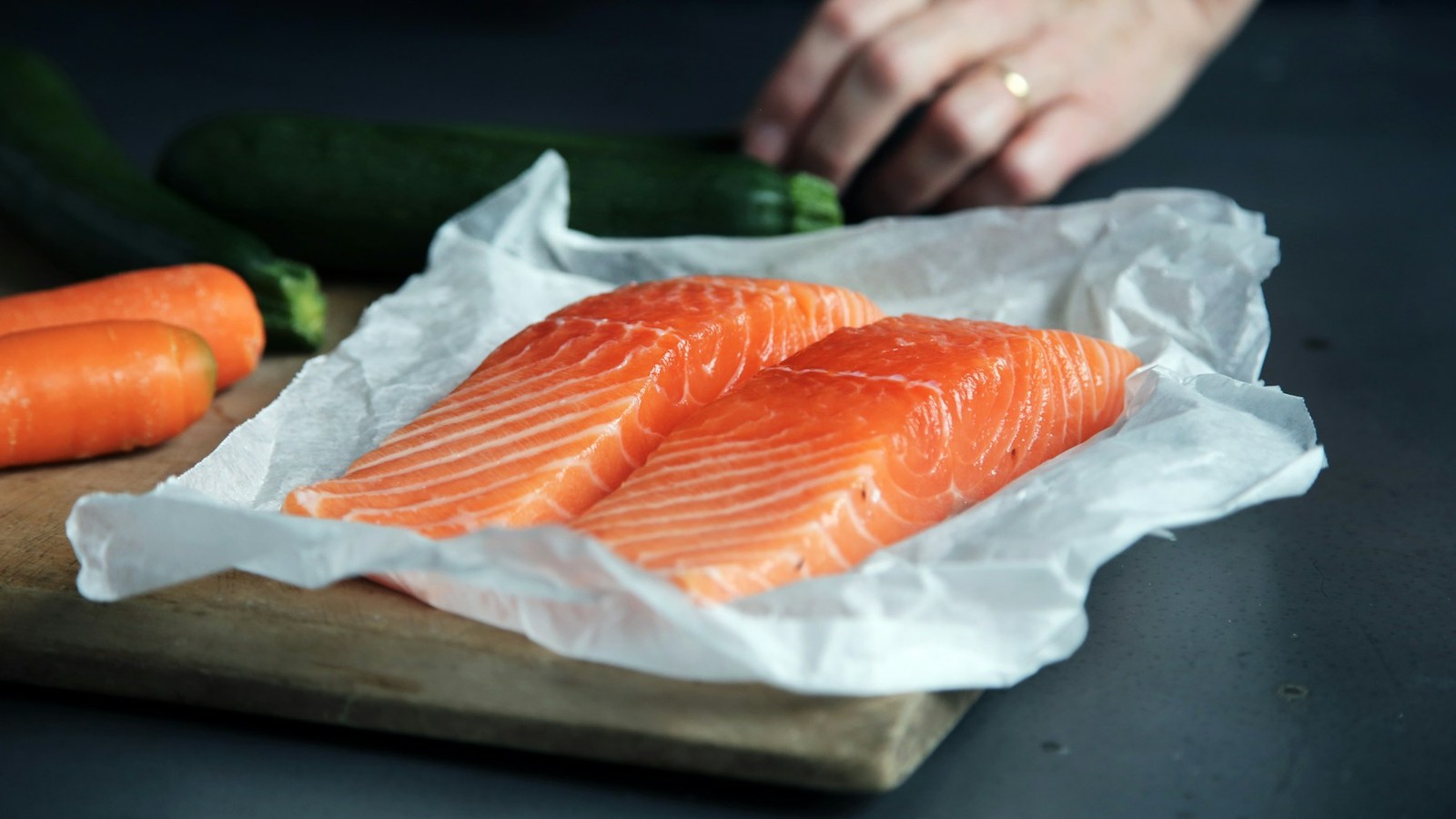
Use eggs or leftover patties for breakfast. Lunch can be sardines or salmon with broth. Dinner can be chicken thighs with crispy skin or a beef roast portion. Fish changes texture and contributes nutrients that a beef-only week may miss.
If canned fish feels too strong, try salmon fillets or tuna packed in water. Check flavored packets because sauces may include sugar, soy, or plant oils.
Fish also prevents the week from feeling like a test of beef tolerance alone. If you dislike sardines, choose salmon, trout, tuna, or shellfish. The point is nutrient and texture variety within the rules.
Day 3: Use Leftovers Deliberately
Breakfast might be leftover roast warmed in a pan with eggs. Lunch can be cold burger patties, boiled eggs, or broth with shredded meat. Dinner can be pork shoulder, lamb, or another beef cut. Repetition is not failure; it is the design that lowers decisions.
By day three, cravings or fatigue may appear. Check total food intake before blaming willpower. Many beginners accidentally eat less than they think.
Day 4: Adjust Fat
If digestion has been comfortable, day four can include fattier meat such as ribeye, lamb shoulder, pork belly, or ground beef with a higher fat percentage. If stools are loose, choose less rendered fat and avoid adding cream or large amounts of butter.
Fat tolerance is personal. The goal is a meal that keeps energy steady without digestive distress. Change slowly enough that you can read the response.
Do not change fat, dairy, caffeine, and meal timing all at once. When several variables move together, the body may react, but you will not know which change mattered. A simple meal plan should make troubleshooting easier.
Day 5: Decide About Dairy
If dairy is part of your version, day five might include a small amount of hard cheese with burger patties or butter on steak. If symptom clarity is the goal, keep dairy out for the full week and consider testing it later. Dairy can be helpful, but it can also blur appetite and digestion signals.
Do not let cheese become the meal plan. It is easy, salty, and calorie-dense, which makes it both useful and risky.
Day 6: Practice Eating Away From Home
For a restaurant meal, choose plain burger patties, steak, eggs, grilled fish, or roasted meat. Ask about marinades, sauces, breading, and cooking oils if your version is strict. Bring a backup food if the situation is unpredictable.
Social practice matters because a diet that only works at home may not last. Keep the first outing simple and low drama.
If eating out feels too hard in week one, practice with a packed meal instead. The skill you need is planning outside the kitchen. A thermos of broth and cooked patties can teach that skill without relying on a restaurant.
Day 7: Review the Week
Use day seven to repeat the meals that worked best. That might be eggs for breakfast, sardines for lunch, and roast for dinner. Avoid adding a dramatic new food on the review day because it makes the week harder to interpret.
Write down what happened: appetite, digestion, sleep, mood, cravings, cost, cooking burden, and social stress. The review is as important as the menu.
Snack and Emergency Options
Many carnivore eaters prefer meals without snacks, but beginners may need backup while appetite is changing. Boiled eggs, burger patties, broth, sardines, leftover steak, or a small piece of cheese if included can prevent impulsive off-plan eating.
Jerky is convenient but often contains sugar, soy sauce, or additives. Read labels and avoid making processed meats the backbone of the plan.
Emergency food is especially useful during errands, travel, or long workdays. It is not a sign that the plan lacks discipline. It is a practical guardrail while appetite and routines are still changing.
Hydration and Electrolytes
Drink to thirst, salt food to taste, and pay attention to dizziness, cramps, headaches, or unusual fatigue. Broth can be helpful because it combines fluid and sodium. People with medical conditions affecting sodium or fluid balance should not copy generic advice.
Magnesium and potassium are common discussion points, but supplementation should be individualized. More supplements are not always better.
Digestion Notes
Expect bowel habits to change because fiber intake falls sharply. Fewer stools may be normal if comfortable. Pain, straining, persistent diarrhea, or blood is not something to ignore. Adjust fat level, dairy, total food intake, and hydration, and seek care when symptoms are significant.
Keep digestion notes specific. “Loose after cream” or “constipated after three cheese-heavy meals” is more useful than “carnivore failed.”
If digestion becomes the main issue, simplify rather than adding more novelty. Hold dairy steady, reduce large servings of rendered fat if needed, and check whether total food intake is too low. A clear week is easier to troubleshoot than a week full of new products.
What to Do After the 7 Days
After one week, decide whether to continue, stop, or modify. If the week was miserable, that is useful data. If it helped, consider whether the same benefit could come from a less restrictive low-carb or elimination plan. If you continue, plan medical follow-up when labs or medications matter.
A meal plan should create clarity. It should not pressure you to ignore warning signs or turn food into a loyalty test.
If you continue, write a second-week plan instead of coasting on enthusiasm. Decide which meals repeat, which food gets tested, what symptom you will watch, and when medical markers need review.
If the week helped, choose the next experiment carefully. You might keep the same meals and test dairy, or keep dairy steady and add seafood variety. Changing one thing at a time makes the second week more useful than simply repeating a challenge.
Make the Plan Boring Enough to Work
A beginner meal plan succeeds when it removes decisions. Repeating patties, eggs, roast, fish, and broth may not look exciting, but it prevents the first week from becoming a nightly puzzle. Once the routine is stable, variety can expand carefully.
Boredom also has information inside it. If the diet feels impossible after a few days of simple meals, that may point to sustainability rather than willpower. A plan has to fit real life, not only a chart.
Use Portions as Feedback
Instead of copying exact ounces, notice how meals land. Hunger one hour later, nausea after fatty meals, low energy during work, or better sleep after a larger dinner all provide guidance. The right amount is discovered through steady observation.
Repeat the Best Days
The second week does not need an entirely new menu. Repeat the two or three days that felt easiest, then change only one variable. That might mean testing dairy, adding seafood, reducing bacon, or changing meal timing.
Repeating successful days is not boring when the goal is information. It gives your body a stable background so new signals stand out more clearly.
Keep an Exit Plan
Before continuing, decide what would make you stop or modify the plan. Severe symptoms, unsafe glucose readings, worsening mood, painful constipation, or concerning labs should carry more weight than the desire to finish a challenge.
Make Week Two More Personal
By the end of seven days, you will know which foods were easiest, which were expensive, and which caused friction. Use that information instead of starting from a generic chart again.
A personal meal plan is still simple, but it is no longer blind. It reflects your appetite, kitchen, budget, schedule, and warning signs.
Review Before Restocking
Before buying another week of food, look at what was actually eaten. Restock the proteins that solved meals, skip the items that lingered, and keep one backup option for days when cooking falls apart.
This small review prevents the plan from becoming an expensive pile of intentions. It turns the next grocery trip into a response to real evidence.
That evidence is practical: what cooked easily, what satisfied you, what bothered digestion, and what your household could tolerate repeating.