Heart healthy eating is built from repeatable choices
The best heart health diet foods are the foods that help lower cardiovascular risk when they show up again and again: vegetables, fruits, beans, lentils, whole grains, nuts, seeds, fish, and mostly unsaturated fats. They support the heart through several pathways at once, including blood pressure, LDL cholesterol, triglycerides, blood sugar stability, inflammation, and body weight patterns. A heart-health diet does not need to be joyless or medically sterile. It needs enough structure to make high-fiber, mineral-rich, lower-sodium, unsaturated-fat meals easier than the default mix of refined starch, processed meat, sweet drinks, and salty convenience food.
A: No single food wins; oats, beans, vegetables, fruit, fish, nuts, and olive oil work best as a pattern.
A: Eggs can fit many diets, but individual cholesterol response and overall saturated-fat intake matter.
A: Many heart-health patterns include fish about twice weekly, adjusted for preference and medical guidance.
A: Oats contain beta-glucan soluble fiber, which can help lower LDL when eaten regularly.
A: Beans can replace meat in many meals while adding fiber, potassium, magnesium, and plant protein.
A: Olive oil fits well because it provides mostly unsaturated fat and helps vegetables taste better.
A: Most people need sodium awareness, but the target depends on health status and clinician guidance.
A: Nuts are energy-dense, but modest portions can improve snack quality and satisfaction.
A: Diet helps risk, but medication decisions should be made with a qualified clinician.
A: Add oats or beans most days while reducing salty processed foods.
What makes a food heart healthy
A heart-health food earns its place by improving the larger dietary pattern. It may add soluble fiber, replace saturated fat with unsaturated fat, provide potassium or magnesium, reduce sodium exposure, improve fullness, or make vegetables more appealing. The best foods often do several of these jobs at once. Beans, for example, are not just plant protein. They also bring fiber, minerals, and a slow carbohydrate source that can help meals feel steady.
This pattern-based view matters because cardiovascular risk is not controlled by one nutrient. LDL cholesterol, blood pressure, triglycerides, blood sugar, inflammation, body weight, smoking, sleep, stress, activity, genetics, and medications all matter. Food cannot control all of those, but it can influence enough of them to be worth daily attention.
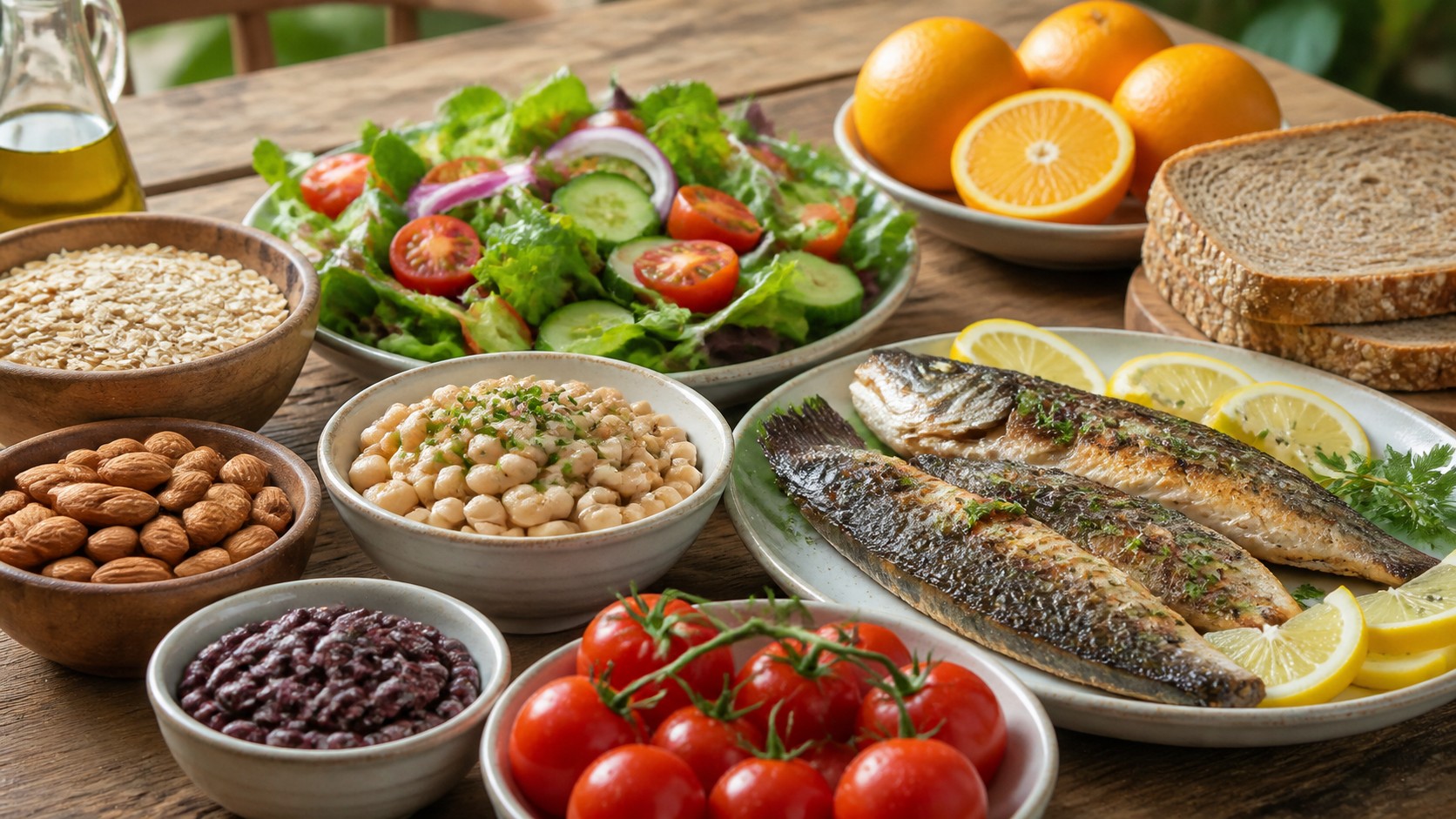
The most reliable heart-health diets tend to look plant-forward and minimally processed. They include plenty of vegetables and fruit, regular legumes, whole grains, fish or other lean proteins, nuts, seeds, and oils rich in unsaturated fats. They limit processed meats, high-sodium convenience foods, sweet drinks, and meals where butter, cream, cheese, refined flour, and fried foods dominate.
Foods that help cholesterol and triglycerides
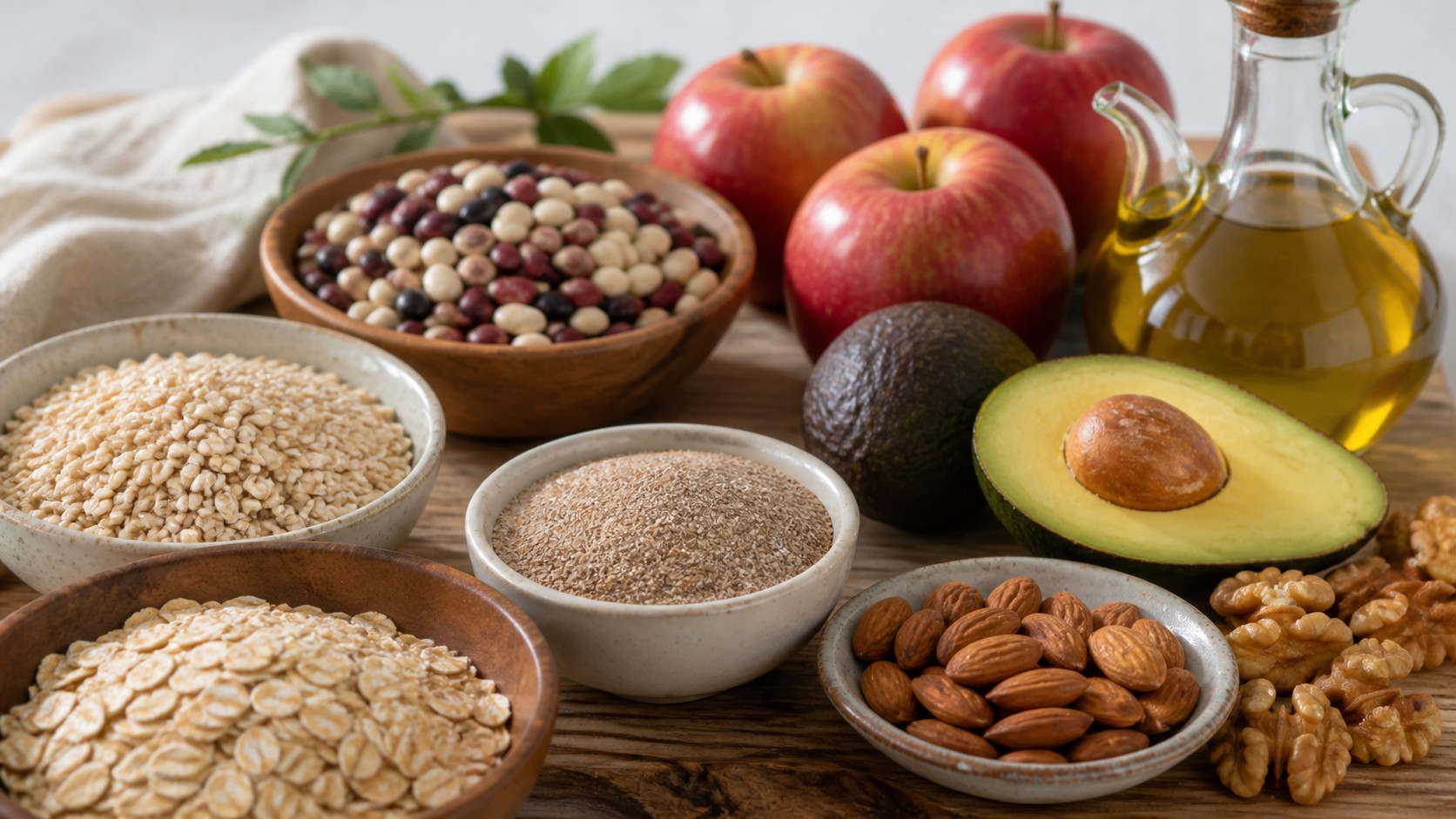
Oats, barley, beans, lentils, apples, and psyllium are useful because they contain soluble fiber. Soluble fiber can bind bile acids and help reduce LDL cholesterol over time. The effect is not instant, and it works best when these foods replace refined grains or low-fiber meals. A bowl of oats added to a diet that otherwise remains unchanged is helpful, but oats used as part of a broader high-fiber pattern are stronger.
Fat quality is another major lever. Replacing butter, shortening, high-fat processed meats, and frequent fried foods with olive oil, nuts, seeds, avocado, and fish changes the fat profile without requiring fat-free eating. Many people do better when they upgrade fats rather than trying to remove richness altogether. Vegetables dressed with olive oil are more likely to be eaten again than vegetables treated like punishment.
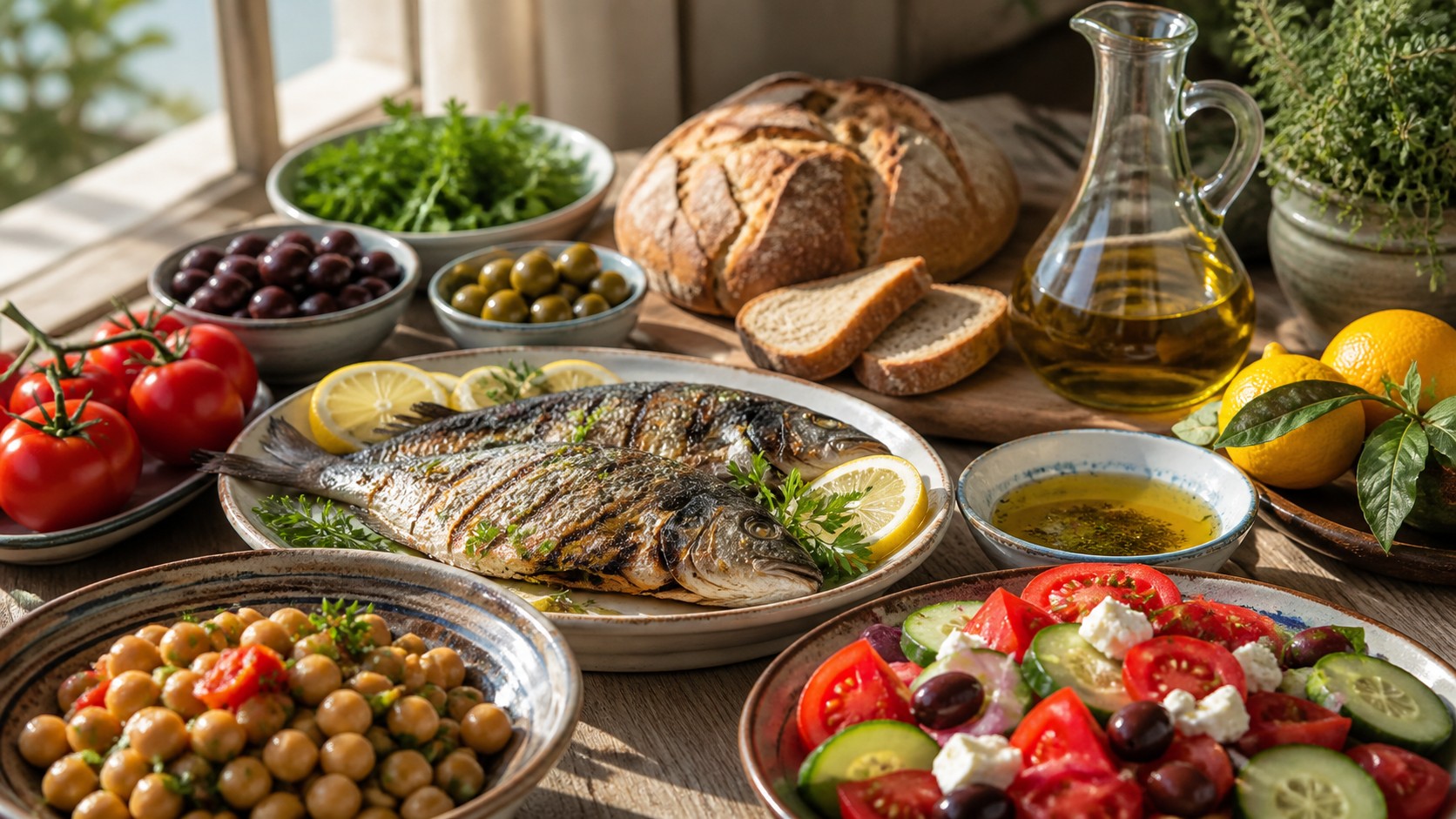
Fatty fish can support triglyceride patterns and brings long-chain omega-3 fats. Salmon is common, but sardines, trout, herring, anchovies, and mackerel can also work. People who avoid fish can still follow a heart-health diet through beans, soy foods, nuts, seeds, vegetables, and clinician-guided omega-3 options when needed.
Cholesterol changes also depend on what foods replace what. Adding almonds while keeping the same high-saturated-fat snack pattern may not move the needle much. Replacing processed meats, pastries, butter-heavy meals, and low-fiber snacks with nuts, beans, oats, fruit, and olive oil is more likely to change the overall risk profile.
Foods that support blood pressure
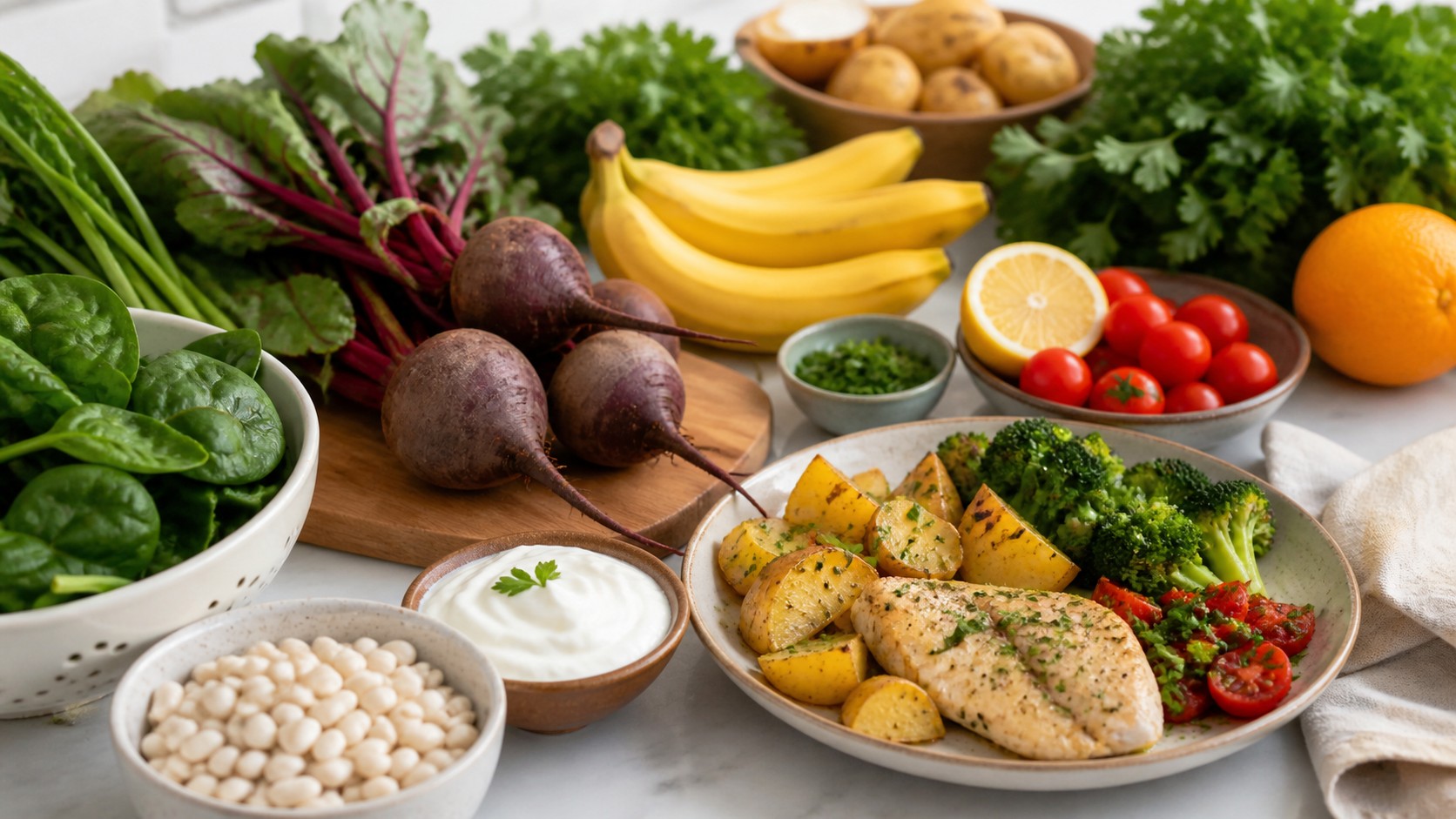
Blood pressure responds strongly to the overall pattern of sodium, potassium, body weight, alcohol, activity, and genetics. Food can help by increasing potassium-rich vegetables, fruits, beans, potatoes, yogurt, and leafy greens while reducing sodium-heavy processed foods. The point is not to eat bland meals. It is to let herbs, acids, spices, garlic, onion, and better cooking habits carry more of the flavor.
Many sodium sources are not obvious. Bread, deli meats, cheese, canned soups, sauces, frozen meals, restaurant foods, and packaged snacks can add up quickly. Reading labels on routine foods matters more than worrying about a pinch of salt on a home-cooked pot of beans. Lower-sodium versions of broth, beans, tomato products, and sauces can make a heart-health pattern easier.
How to build heart-health meals that still taste good
A heart-health breakfast might be oats with berries and nuts, plain yogurt with fruit and seeds, or eggs with vegetables and whole-grain toast. The best breakfast is the one that reduces refined starch and added sugar while giving enough protein and fiber to last. It should make the morning steadier, not just look virtuous.
Lunch can be a major opportunity because many people rely on processed meats, salty soups, or refined takeout. A bean bowl, lentil soup, tuna and white bean salad, turkey sandwich with vegetables, tofu grain bowl, or leftover fish with greens can shift the day. Add olive oil, vinegar, mustard, herbs, citrus, salsa, or avocado so the meal has enough pleasure to repeat.
Dinner should focus on replacement rather than deprivation. Keep pasta night, but use whole-grain or legume pasta sometimes, add vegetables, and choose olive oil or tomato-based sauces more often than heavy cream. Keep taco night, but include beans, cabbage, avocado, salsa, and grilled fish or lean protein. Keep a sandwich routine, but reduce processed meat and add vegetables, hummus, or avocado. Heart healthy food works best when it improves familiar meals.
When diet needs clinical backup
Food is powerful, but it is not a substitute for urgent care or prescribed treatment. Chest pain, shortness of breath, fainting, one-sided weakness, speech trouble, or sudden severe symptoms require immediate medical attention. High LDL cholesterol, high blood pressure, diabetes, kidney disease, and a strong family history may require medication even when diet is excellent.
That does not make nutrition less important. It means nutrition works as part of a bigger risk-reduction plan. A person taking a statin still benefits from oats, beans, vegetables, fish, and lower-sodium meals. A person taking blood pressure medication still benefits from potassium-rich foods if medically appropriate, alcohol moderation, weight-supportive meals, and label awareness.
The most realistic starting point is one heart-health anchor per meal. Add oats or yogurt at breakfast, beans or greens at lunch, vegetables and a better fat at dinner, and fruit or nuts for snacks. Once those anchors are routine, the diet becomes less about restriction and more about giving the cardiovascular system daily reasons to relax.
People with elevated risk should also know their numbers. LDL cholesterol, blood pressure, A1C, kidney function, family history, and medication needs can change the right plan. Food choices are most powerful when they are matched to the actual risk profile rather than guessed from trends.
Follow-up matters because heart-health changes are measurable. If fiber, sodium, weight, alcohol, and activity patterns improve but numbers remain high, the next conversation should be clinical, not shame-based. Many people need both excellent habits and medication.
The role of fiber beyond cholesterol
Fiber is often discussed only in relation to digestion, but it is central to heart-health eating. Soluble fiber can help LDL cholesterol, while total fiber supports fullness, blood sugar patterns, and gut microbial activity. Beans, lentils, oats, barley, vegetables, fruit, nuts, and seeds bring fiber in a package that also contains minerals and plant compounds.
Most people do better by increasing fiber gradually. Jumping from a low-fiber diet to several cups of beans and raw vegetables can cause discomfort. Start with oats at breakfast, beans in one meal, fruit as a snack, and cooked vegetables at dinner. Drink enough water and let the gut adapt.
How to make lower-sodium meals satisfying
Salt reduction fails when food becomes flat. The solution is not bland discipline; it is better flavor architecture. Lemon, vinegar, mustard, garlic, onion, smoked paprika, cumin, herbs, chili, ginger, pepper, and toasted nuts can make meals feel finished. Olive oil also carries flavor and texture, especially on vegetables and beans.
Restaurant and packaged foods deserve special attention because they can quietly define sodium intake. Cooking even a few more meals at home gives more control. When convenience foods are necessary, compare labels on the products used most often: bread, broth, sauces, soups, deli meats, cheese, frozen meals, and snack foods.
Potassium-rich foods can help balance the pattern for many people, though people with kidney disease or certain medications need individualized advice. Beans, potatoes, yogurt, leafy greens, tomatoes, citrus, bananas, and winter squash can all contribute. The heart benefits from the full pattern, not from sodium math alone.
A realistic first month of heart-health eating
In week one, add oats or another high-fiber breakfast most days. In week two, add beans or lentils to at least three meals. In week three, plan fish, tofu, or another lean protein in place of processed meat. In week four, look at sodium labels on the foods you buy repeatedly. This sequence is modest, but it builds momentum without requiring a personality change.
Keep measuring success by repetition. One perfect salad does less than a pantry that makes beans easy, a breakfast that includes fiber, and a dinner routine that uses vegetables and olive oil. Heart-health diet foods work because they become normal.
The plan also leaves room for clinical care. If cholesterol or blood pressure remains high, that does not mean the diet failed. It may mean genetics, age, medical conditions, or risk level require medication too. Food still matters because it supports the same cardiovascular system the medication is trying to protect.
A first month should be easy enough to repeat in month two. Keep favorite meals and change the structure: more beans, more vegetables, better fats, less sodium, and fewer processed meats. Familiarity helps the new pattern feel like life instead of a temporary assignment.
The quiet success is when the grocery cart changes before motivation is required. Oats, beans, fruit, greens, fish, nuts, yogurt, olive oil, and lower-sodium staples become the default environment that supports the heart every day.
The same approach can support families with different preferences. One person may choose fish, another beans, another yogurt or eggs, and another mostly plant-based meals. The shared structure is vegetables, fiber-rich carbohydrates, better fats, lower sodium, and fewer heavily processed defaults. Heart-health eating becomes easier when it is a table pattern, not a private project.
When progress feels slow, remember that cardiovascular nutrition is cumulative. Fiber affects cholesterol over time, sodium changes affect blood pressure patterns over time, and replacing processed foods changes the average meal environment over time. These shifts are easy to undervalue because they are not dramatic at dinner. They are still meaningful.
A heart-health diet should also respect medical reality. Some people can make large improvements with food, movement, sleep, and alcohol changes. Others need medication because genetics or risk level is high. Both groups benefit from the same daily foods. The goal is not to prove that diet can do everything; it is to let diet do what it does well.
That practical mindset keeps the plan humane. Choose the foods that improve risk markers, prepare them in ways that taste good, and repeat them often enough to matter. The best heart-health foods are not rare. They are the everyday staples that make the healthier choice available when dinner has to happen quickly.
In the end, the most protective diet is the one that keeps showing up after the first motivated week has passed.
Consistency counts.
It gives every other heart-health choice a steadier place to land.