Hormone-supportive eating starts with adequacy
The best foods for hormone balance naturally are foods that support the systems hormones depend on: enough energy, enough protein, blood sugar stability, healthy fats, fiber, micronutrients, sleep, stress resilience, and digestive regularity. Food cannot override endocrine disorders, menopause, pregnancy, PCOS, thyroid disease, medication effects, or chronic stress, but it can reduce avoidable strain. A hormone-supportive diet should feel nourishing rather than restrictive, with meals built from protein, plants, fiber-rich carbohydrates, and fats that help the body make and regulate signaling molecules.
A: Foods can support hormone regulation, but they cannot diagnose or cure endocrine disorders.
A: Choose protein, fiber-rich carbohydrates, healthy fat, and fluid.
A: Ground flax can add fiber and lignans, but it is only one supportive food.
A: Not automatically; many people need enough carbohydrates for energy, training, sleep, and menstrual health.
A: Moderate soy foods can fit many diets, though individual medical guidance may apply.
A: Iodine, selenium, iron, zinc, protein, and overall adequacy all matter.
A: Yes, under-eating and rapid weight loss can disrupt menstrual cycles.
A: Supplements should be targeted and discussed with a clinician when symptoms are significant.
A: Stress and sleep can strongly affect hormone signals, so food is only one part.
A: Build a complete breakfast before adding complicated rules.
Why the pattern matters
The most useful way to think about this topic is as a pattern, not a single heroic food. Meals influence appetite, blood pressure, cholesterol, glucose handling, digestion, sleep quality, and the way someone feels between meals. When those pieces improve together, nutrition becomes more practical and less theatrical. The goal is not to eat perfectly; it is to repeat supportive choices often enough that the body sees them as the usual environment.
A pattern lens also protects readers from exaggerated promises. A food can be useful without curing a condition, and a diet can be supportive without replacing medical care. This matters especially for nutrition topics connected to hormones, cardiovascular risk, or weight because symptoms and lab values can have many causes. Good eating gives the body better inputs while leaving room for professional evaluation when changes are severe, persistent, or confusing.
For this article, the strongest direction is clear: build meals around fiber-rich plants, adequate protein, mostly unsaturated fats, and minimally processed foods that fit normal life. That structure allows the advice to work for different budgets, cultures, schedules, and appetites. It also prevents a common problem in wellness writing, where the plan sounds inspiring but collapses when the week gets busy.
Foods that deserve regular space
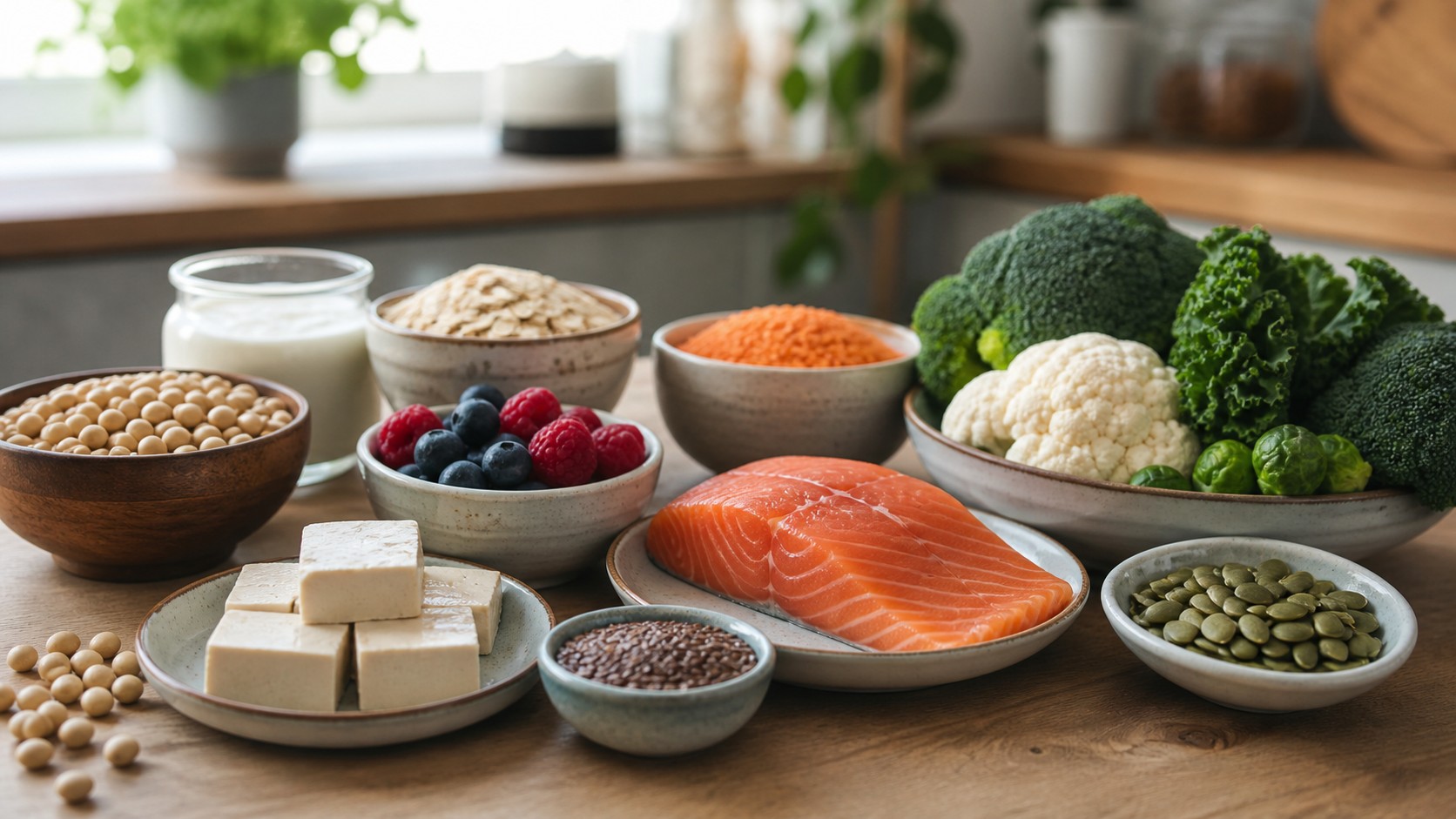
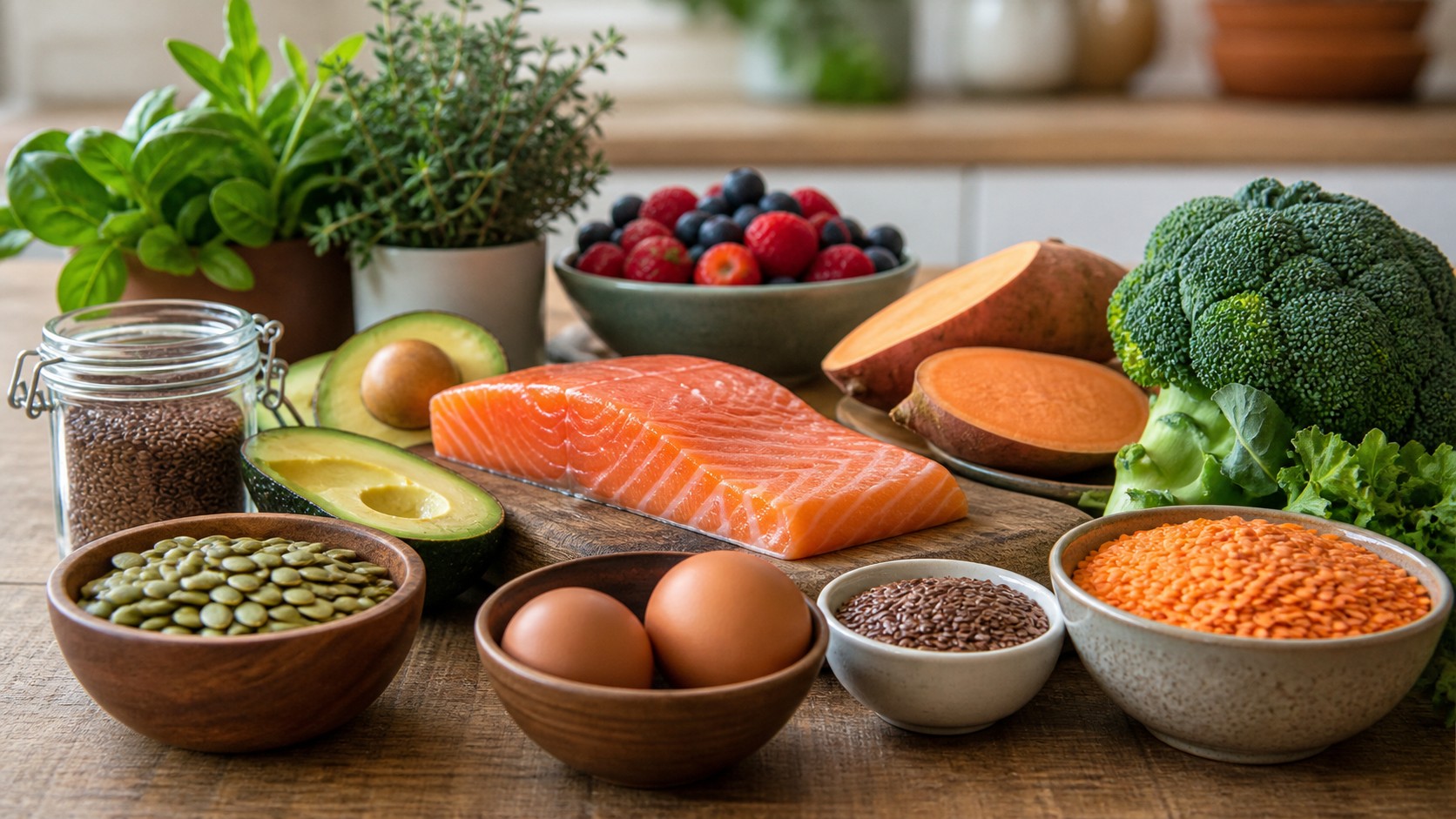
Salmon, eggs, and lentils are useful anchors because they bring more than one benefit to the meal. They may add fiber, minerals, protein, unsaturated fat, or plant compounds while helping the plate feel complete. The point is not to eat all of them every day. The point is to keep enough of them in rotation that supportive meals are easy to assemble.
flaxseed, broccoli, and berries can help fill gaps that appear in rushed eating. Many people do not struggle because they lack information; they struggle because breakfast is thin, lunch is improvised, and snacks are chosen after hunger has already taken over. Foods that store well, cook quickly, or work in several meals are often more valuable than rare ingredients with a health halo.
sweet potatoes, avocado, and pumpkin seeds round out the pattern by making meals more satisfying. Satiety is not only a weight-management issue. It affects concentration, cravings, mood, and the likelihood that dinner will be chosen calmly. A nourishing meal should leave the person steady enough to make the next choice with less urgency.
The final anchor, Greek yogurt, is included because small repeatable additions can shift the tone of the whole diet. A spoonful, side dish, snack, or simple swap may not look dramatic, but it helps the overall pattern move in the right direction. Nutrition works best when these small decisions stop feeling special and start feeling normal.
What to limit without becoming rigid
The foods to limit are usually the ones that crowd out the supportive pattern when they become daily defaults. For supporting hormone balance naturally, that often means watching sweet drinks, ultra-processed snacks, large refined-starch portions, heavy saturated-fat meals, and sodium-heavy convenience foods. None of those foods needs to become forbidden for everyone, but they should not be the backbone of the routine.
Rigid restriction can create its own problems. People may under-eat, lose trust in hunger cues, avoid social meals, or become so focused on rules that they miss the larger pattern. A healthier approach is to decide which foods deserve more room, which foods deserve less room, and which foods can stay as occasional pleasures. That keeps the plan firm enough to help and flexible enough to last.
How to build a practical day
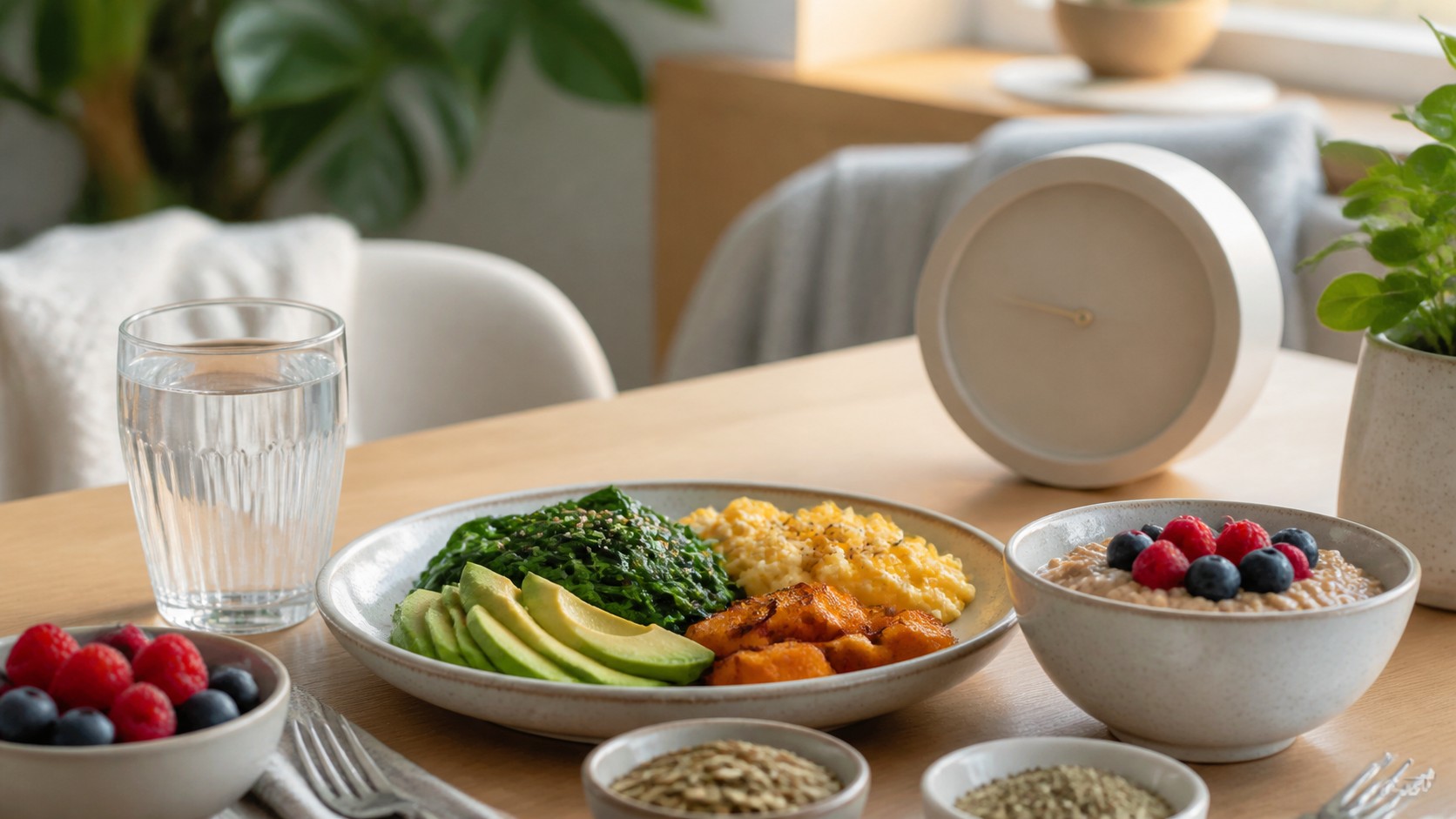
Breakfast should solve the first problem of the day: unstable energy. A useful breakfast for supporting hormone balance naturally includes protein, fiber, and fluid. That might mean yogurt with fruit and seeds, eggs with vegetables, oats with nuts, tofu with greens, or leftovers from dinner. The exact meal can change, but a breakfast made only from sugar and refined starch is less likely to carry the morning well.
Lunch is where many plans weaken. A salad can be excellent if it includes beans, fish, poultry, tofu, eggs, avocado, nuts, seeds, whole grains, or another satisfying anchor. A bowl of leaves alone is not a meal for most adults. Lunch should support the afternoon instead of setting up a crash that later gets blamed on willpower.
Dinner can be familiar and still align with supporting hormone balance naturally. Keep pasta, tacos, bowls, soups, sandwiches, or stir-fries if those are the foods that actually get eaten. Upgrade them with vegetables, legumes, better fats, herbs, and enough protein. A realistic dinner pattern beats a perfect menu that exists only on paper.
Snacks should act as bridges. Fruit with nuts, hummus with vegetables, yogurt with berries, edamame, roasted chickpeas, or leftovers in a small bowl can prevent long gaps from becoming cravings. Snacks are not failures; they are tools when they are chosen to support the day.
Special situations and safety
Hormone symptoms can reflect thyroid disease, PCOS, pregnancy, menopause, medication effects, or other endocrine conditions that require evaluation. This is where nutrition advice should stay humble. Symptoms, lab values, medications, pregnancy, menopause, diabetes, kidney disease, thyroid disorders, eating disorder history, and cardiovascular risk can all change what is appropriate. A general article can help someone ask better questions, but it cannot diagnose or personalize every decision.
The safest plan is one that encourages medical support when symptoms are new, severe, or worsening. Food can support blood pressure, hormones, appetite, digestion, and energy, but it should not delay care for chest pain, fainting, sudden weakness, rapid weight change, severe menstrual changes, or persistent fatigue. Good nutrition sits beside healthcare rather than competing with it.
Supplements deserve the same caution. They may be useful for specific deficiencies or clinician-guided needs, but they can also interact with medications, duplicate nutrients, or distract from meals. Start with food, check likely gaps, and use supplements deliberately rather than emotionally.
Shopping and prep that make it easier
A useful shopping list for supporting hormone balance naturally starts with meals, not ideals. Choose one breakfast anchor, one lunch anchor, two vegetables, one fruit, one protein, one fiber-rich carbohydrate, and one fat or flavor booster. That is enough to create several combinations without overbuying.
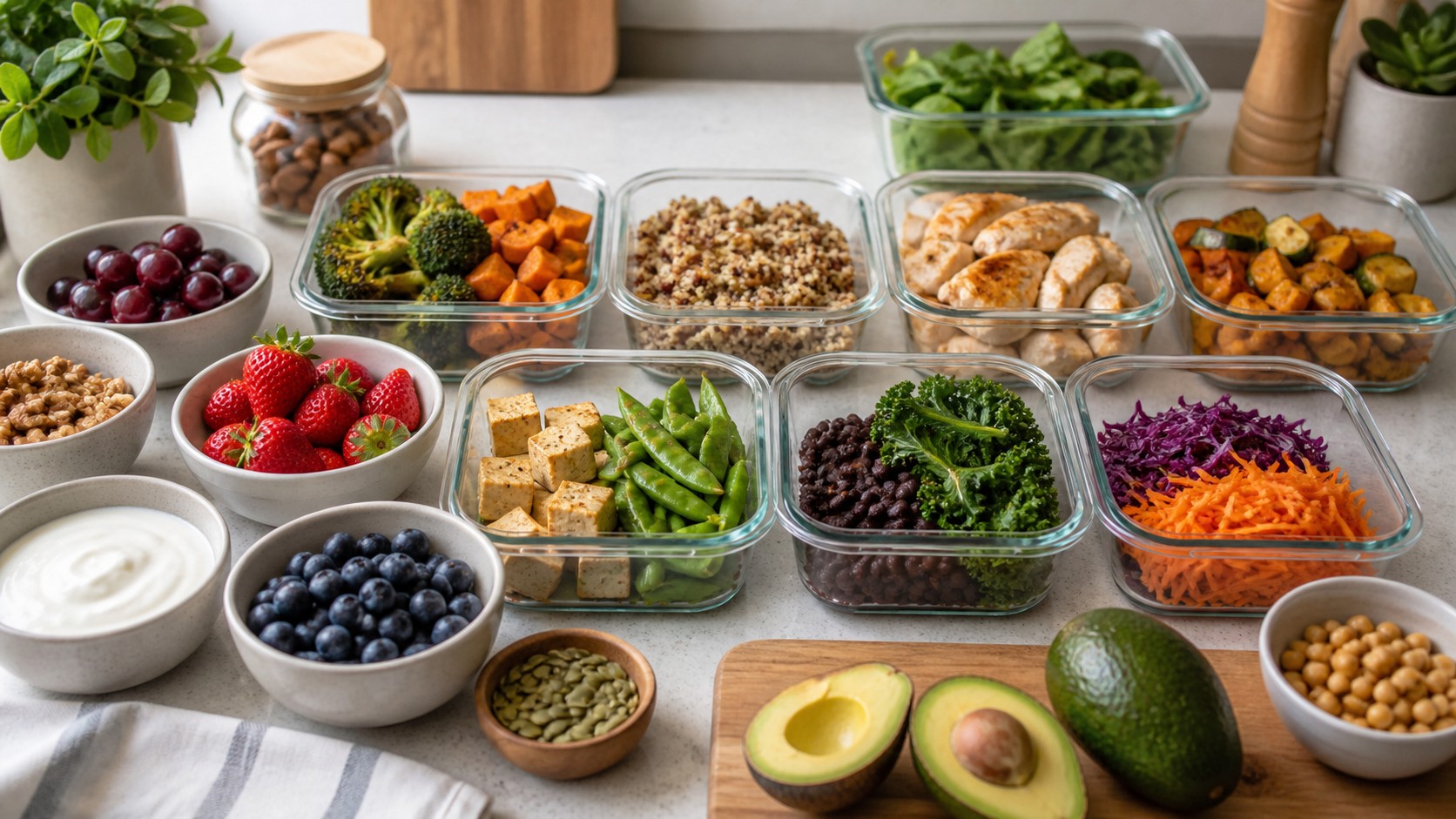
Prep should remove friction, not create a second job. Wash greens, cook a grain, open and rinse beans, boil eggs, portion nuts, chop vegetables, or make a quick dressing. Even ten minutes can change the next two days. The best prep is the prep that solves the moment when hunger and decision fatigue usually win.
How to measure progress
Progress with supporting hormone balance naturally should be measured by steadier behavior and appropriate health markers, not by perfection. Look for more predictable energy, fewer cravings, better meal timing, improved digestion, easier grocery decisions, and lab or blood pressure changes when those are relevant. The signs may be quiet at first, but quiet progress is still progress.
A plan may need adjustment if it causes hunger, dread, digestive discomfort, social isolation, or obsessive tracking. That does not mean the goal is wrong. It means the method needs to fit the person better. Nutrition should increase capacity for daily life, not consume all of it.
Review the plan every few weeks. Which meals were easiest? Which ingredients spoiled? Which snacks helped? Which rules felt unnecessary? These questions turn the diet into a living routine rather than a fixed script. The ability to revise is part of sustainability.
The strongest version of Best Foods for Hormone Balance Naturally is the one that becomes less dramatic over time. The foods become familiar, the grocery list becomes easier, and supportive choices happen before motivation is required. That is where nutrition starts to feel natural.
A realistic way to start
Begin with the meal that causes the most trouble. For some people that is breakfast, because the day starts with caffeine and little food. For others it is lunch, because work turns eating into an afterthought. Dinner can be the pressure point when everyone is tired and convenience takes over. Choosing one meal protects the plan from becoming too large to use.
For supporting hormone balance naturally, the first practical step is to make the supportive choice easier than the default choice. Put salmon or eggs where it can become part of a real meal. Keep lentils or flaxseed available when a protein or fiber anchor is missing. Use broccoli for color and volume instead of treating vegetables as optional decoration.
The next step is to remove one predictable obstacle. If sodium is the problem, compare labels on foods bought every week. If cravings are the problem, strengthen breakfast and lunch before blaming dessert. If meal prep is the problem, use frozen vegetables, canned beans, prepared grains, or plain yogurt. A plan that lowers friction will usually beat a plan that demands more discipline every day.
It also helps to define success before starting. Success might mean three complete breakfasts, two bean-based lunches, one lower-sodium dinner, or a snack that prevents evening overeating. These targets are small enough to finish but meaningful enough to change the week. Once they feel normal, the next layer can be added without drama.
The final point is patience. Best Foods for Hormone Balance Naturally is not a one-day experiment; it is a pattern that becomes more useful as it repeats. The body responds to averages, routines, and context. When the food choices are nourishing, satisfying, and realistic, the plan has room to work without turning life into a nutrition project.
Making the advice personal
Personalization begins by noticing which parts of supporting hormone balance naturally are already working. Some readers already eat vegetables but miss protein. Others get enough protein but rely on salty packaged meals. Some need breakfast; others need a better evening routine. Starting from the actual pattern is more effective than copying a plan built for someone else’s schedule.
Preference matters too. A food that is theoretically perfect but disliked will not be repeated often enough to help. Choose textures, flavors, and cooking methods that make supportive meals welcome. Roasted vegetables, warm bowls, crisp salads, soups, wraps, yogurt bowls, or simple sheet-pan dinners can all carry the same nutrition goals in different forms.
The plan should also leave room for feedback from the body and from healthcare data. Energy, appetite, digestion, sleep, mood, blood pressure, cholesterol, glucose, menstrual patterns, or weight trends may show whether the approach is helping. When the signals are confusing, the right move is not more restriction; it is better information and, when needed, clinical support.
That steady nourishment is often the least dramatic and most useful place to begin.